宮城 東松島 地域のシンボル「復興桜」
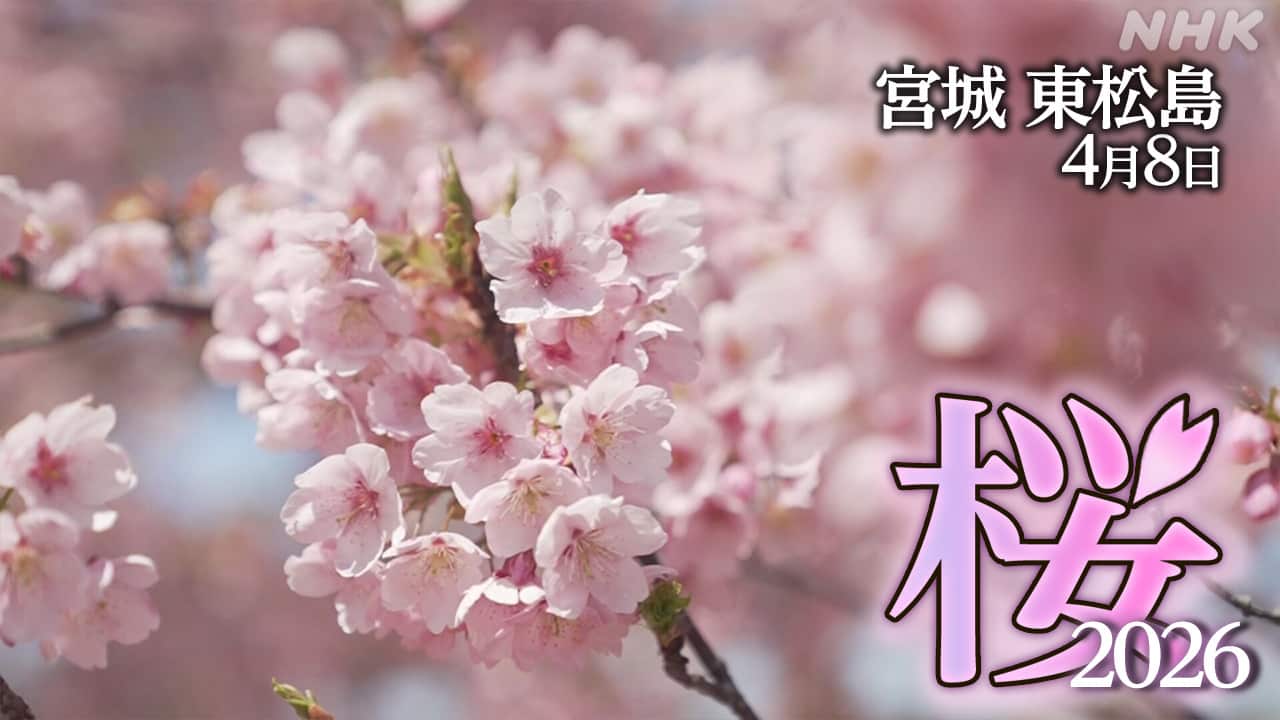
東日本大震災の津波で被害を受けた宮城県東松島市牛網地区では11年前、被災地支援のボランティアが復興の願いを込め農地に桜の苗木を植樹しました。
植えられたのは「タイリョウザクラ」などあわせて11本の桜で、地域の人から「復興桜」と呼ばれ親しまれてきました。
福島県会津美里町では町内を流れる宮川沿いに、1キロあまりにわたってソメイヨシノが植えられていて、「宮川の千本桜」として地域の人たちに親しまれています。
サクラはいま、見頃を迎えていて、訪れた人たちはおだやかな陽気のなか、わずかに雪の残る磐梯山を背景に咲きそろったサクラを写真に収めていました。
町によりますと、サクラの開花はことし、暖かい日が続いたこともあって平年より10日ほど早かったということで、15日くらいまで楽しめそうだということです。
「石割桜」は、大きな石を割るようにそびえ立つ姿が特徴のエドヒガンザクラで、樹齢350年以上ともいわれ、国の天然記念物に指定されています。
盛岡観光コンベンション協会によりますと、4月6日に開花した「石割桜」は、11日に満開を迎えたということです。
山形県との県境にあり、秋田県内で最も早く桜が咲く場所の一つとして知られるにかほ市の三崎公園でソメイヨシノが見頃を迎えています。
三崎公園の「三崎」の名前は観音崎、大師崎、不動崎の3つの岬があることから名付けられました。
園内には、国の名勝「おくのほそ道の風景地」に指定されている三崎山旧街道もあり、松尾芭蕉も歩いたと言われています。
にかほ市観光協会によりますと、公園内の海側の桜はまだつぼみで、これからさまざまな種類の桜が咲きそろい、来週いっぱいは楽しめるということです。
徳島県勝浦町生名地区は、およそ450本の桜が、川沿いの1キロほどにわたって咲く、県内の桜の名所の一つとして知られています。
毎年、桜の時期には、地元の人たちが町おこしに生かそうと「桜祭り」を開催していて、川から桜を楽しめる船下りが人気を集めています。
ことしも多くの花見客を出迎えた桜は、先週末から散り始め、風に吹かれた花びらがひらひらと舞い落ち、川の水面や地面を淡いピンク色に染めていました。
広島県熊野町新宮の深原地区では、地元のNPO法人が5年ほど前から、樹齢およそ120年のカスミザクラの見頃にあわせてライトアップを行っています。
木は高さおよそ18メートルで、すぐ前の田んぼには水がはられていて、みなもに映る幻想的な夜桜を楽しむことができます。
岡山市北区にあるたけべの森公園には、カンヒザクラやソメイヨシノなどおよそ100種類、1万本の桜が植えられています。
このうち、鮮やかなピンク色の花びらを重ねて咲かせる「ヤエベニシダレ」は、例年より1週間ほど早い4月初旬に咲き始めました。
植えられたのは「タイリョウザクラ」などあわせて11本の桜で、地域の人から「復興桜」と呼ばれ親しまれてきました。
福島県会津美里町では町内を流れる宮川沿いに、1キロあまりにわたってソメイヨシノが植えられていて、「宮川の千本桜」として地域の人たちに親しまれています。
サクラはいま、見頃を迎えていて、訪れた人たちはおだやかな陽気のなか、わずかに雪の残る磐梯山を背景に咲きそろったサクラを写真に収めていました。
町によりますと、サクラの開花はことし、暖かい日が続いたこともあって平年より10日ほど早かったということで、15日くらいまで楽しめそうだということです。
「石割桜」は、大きな石を割るようにそびえ立つ姿が特徴のエドヒガンザクラで、樹齢350年以上ともいわれ、国の天然記念物に指定されています。
盛岡観光コンベンション協会によりますと、4月6日に開花した「石割桜」は、11日に満開を迎えたということです。
山形県との県境にあり、秋田県内で最も早く桜が咲く場所の一つとして知られるにかほ市の三崎公園でソメイヨシノが見頃を迎えています。
三崎公園の「三崎」の名前は観音崎、大師崎、不動崎の3つの岬があることから名付けられました。
園内には、国の名勝「おくのほそ道の風景地」に指定されている三崎山旧街道もあり、松尾芭蕉も歩いたと言われています。
にかほ市観光協会によりますと、公園内の海側の桜はまだつぼみで、これからさまざまな種類の桜が咲きそろい、来週いっぱいは楽しめるということです。
徳島県勝浦町生名地区は、およそ450本の桜が、川沿いの1キロほどにわたって咲く、県内の桜の名所の一つとして知られています。
毎年、桜の時期には、地元の人たちが町おこしに生かそうと「桜祭り」を開催していて、川から桜を楽しめる船下りが人気を集めています。
ことしも多くの花見客を出迎えた桜は、先週末から散り始め、風に吹かれた花びらがひらひらと舞い落ち、川の水面や地面を淡いピンク色に染めていました。
広島県熊野町新宮の深原地区では、地元のNPO法人が5年ほど前から、樹齢およそ120年のカスミザクラの見頃にあわせてライトアップを行っています。
木は高さおよそ18メートルで、すぐ前の田んぼには水がはられていて、みなもに映る幻想的な夜桜を楽しむことができます。
岡山市北区にあるたけべの森公園には、カンヒザクラやソメイヨシノなどおよそ100種類、1万本の桜が植えられています。
このうち、鮮やかなピンク色の花びらを重ねて咲かせる「ヤエベニシダレ」は、例年より1週間ほど早い4月初旬に咲き始めました。
Vocabulary
General
Proper noun
JLPT N2
JLPT N1
| # | 言葉 | 意味 |
|---|---|---|
| 12 | 桜 | さくら (桜) : 1. cherry tree; cherry blossom 2. fake buyer; paid audience; shill; seat filler |
| 3 | 地区 | ちく (地区) : district; section; sector |
| 3 | 植える | うえる (植える) : 1. to plant; to grow; to raise 2. to insert; to transplant; to implant; to set (type) |
| 3 | 見頃 | みごろ (見頃) : best time to see |
| 3 | 迎える | むかえる (迎える) : 1. to go out to meet 2. to receive; to welcome; to greet; to salute; to hail; to reach; to approach; to enter (a phase, era, etc.) |
| 3 | 楽しめる | たのしめる (楽しめる) : to be able to enjoy |
| 2 | 復興 | ふっこう (復興) : revival; reconstruction; restoration; rebuilding; recovery; renaissance |
| 2 | あわせる | あわせる (会わせる) : 1. to make (someone) to meet; to let (someone) meet 2. to expose to; to subject to |
| 2 | 地域 | ちいき (地域) : area; region |
| 2 | 親しむ | したしむ (親しむ) : to be intimate with; to befriend |
| 2 | 宮川 | みながわ (宮川) : Minagawa (surname) |
| 2 | 咲きそろう | さきそろう (咲きそろう) : to be in full bloom |
| 2 | 開花 | かいか (開花) : 1. flowers budding; blooming; flowering 2. showing results; becoming popular; blooming |
| 2 | 石割 | いしわり (石割) : Ishiwari (surname) |
| 2 | 樹齢 | じゅれい (樹齢) : age of a tree |
| 2 | 指定 | してい (指定) : designation; specification; assignment; appointment; pointing at |
| 2 | 知る | しる (知る) : 1. to be aware of; to know; to be conscious of; to cognize; to cognise 2. to notice; to feel |
| 2 | にかほ | にかほ (仁加保) : Nikaho (surname) |
| 2 | 三崎公園 | みさきこうえん (三崎公園) : Misaki Park (place) |
| 2 | 三崎 | さんざき (三崎) : Sanzaki (unclass) |
| 2 | 種類 | しゅるい (種類) : 1. variety; kind; type; category 2. counter for kinds, species, etc. |
| 2 | 地元 | じもと (地元) : 1. home area; home town 2. local |
| 2 | 花びら | はなびら (花びら) : (flower) petal |
| 2 | ピンク色 | ピンクいろ (ピンク色) : pink |
| 2 | 咲く | さく (咲く) : to bloom; to flower; to blossom; to open |
| 1 | 東日本大震災 | ひがしにほんだいしんさい (東日本大震災) : Great East Japan earthquake (March 11, 2011); Tōhoku earthquake; Tohoku earthquake; Sendai earthquake |
| 1 | 津波 | つなみ (津波) : tsunami; tidal wave |
| 1 | 被害 | ひがい (被害) : (suffering) damage; injury; harm |
| 1 | 宮城県 | みやぎけん (宮城県) : Miyagi prefecture (Tōhoku area) |
| 1 | 東松島 | ひがしまつしま (東松島) : Higashimatsushima (place) |
| 1 | 被災地 | ひさいち (被災地) : area struck (by some disaster); location of a disaster |
| 1 | 支援 | しえん (支援) : support; backing; aid; assistance |
| 1 | 願い | ねがい (願い) : 1. desire; wish; hope 2. request; entreaty; plea; appeal |
| 1 | 込める | こめる (込める) : 1. to load (a gun, etc.); to charge 2. to put into (e.g. emotion, effort) |
| 1 | 農地 | のうち (農地) : agricultural land; farmland |
| 1 | 苗木 | なえぎ (苗木) : seedling; sapling; young tree |
| 1 | 植樹 | しょくじゅ (植樹) : tree-planting |
| 1 | 呼ぶ | よぶ (呼ぶ) : 1. to call out (to); to call; to invoke 2. to summon (a doctor, etc.) |
| 1 | 福島県 | ふくしまけん (福島県) : Fukushima prefecture (Tōhoku area) |
| 1 | 会津 | あいず (会津) : Aizu (surname) |
| 1 | 美里町 | みさとちょう (美里町) : Misatochō (place) |
| 1 | 町内 | ちょうない (町内) : neighborhood; neighbourhood; street; block; town |
| 1 | 流れる | ながれる (流れる) : 1. to stream; to flow (liquid, time, etc.); to run (ink) 2. to be washed away; to be carried |
| 1 | 沿い | ぞい (沿い) : along |
| 1 | 千本桜 | せんぼんざくら (千本桜) : Senbonzakura (place) |
| 1 | 訪れる | おとずれる (訪れる) : 1. to visit; to call on 2. to arrive (season, time, situation, etc.); to come; to appear |
| 1 | おだやか | おだやか (穏やか) : 1. calm; quiet; gentle; peaceful; mild 2. moderate; reasonable; amicable |
| 1 | 陽気 | ようき (陽気) : 1. cheerful; jovial; merry; lively 2. weather; season |
| 1 | わずか | わずか (僅か) : 1. (a) little; (a) few; slight; small (amount); trifling; meagre; meager 2. only; just; merely |
| 1 | 磐梯山 | ばんだいさん (磐梯山) : Bandaisan (unclass) |
| 1 | 背景 | はいけい (背景) : 1. background; scenery; backdrop; setting 2. background (of an incident, situation, etc.); circumstances; context |
| 1 | 収める | おさめる (収める) : 1. to dedicate; to make an offering; to pay (fees) 2. to supply |
| 1 | 平年 | へいねん (平年) : 1. non-leap year 2. normal year (esp. as pertains to weather patterns, vegetative growth, harvest yields, etc.) |
| 1 | 割る | わる (割る) : 1. to divide 2. to cut; to halve; to separate; to split; to rip |
| 1 | そびえ立つ | そびえたつ (そびえ立つ) : to tower over the surroundings |
| 1 | 姿 | すがた (姿) : 1. figure; form; shape 2. appearance; dress; guise |
| 1 | 特徴 | とくちょう (特徴) : feature; trait; characteristic; peculiarity; distinction |
| 1 | 天然記念物 | てんねんきねんぶつ (天然記念物) : 1. natural monument 2. protected species (animal, habitat, etc.) |
| 1 | 盛岡 | もりおか (盛岡) : Morioka (city in Iwate) |
| 1 | 観光 | かんこう (観光) : sightseeing; tourism |
| 1 | 協会 | きょうかい (協会) : association; society; organization; organisation |
| 1 | 満開 | まんかい (満開) : full bloom (esp. of cherry blossom); full blossom |
| 1 | 山形県 | やまがたけん (山形県) : Yamagata prefecture (Tōhoku area) |
| 1 | 県境 | けんざかい (県境) : prefectural border; prefectural boundary |
| 1 | 秋田県 | あきたけん (秋田県) : Akita prefecture (Tōhoku area) |
| 1 | 最も | もっとも (最も) : most; extremely |
| 1 | 早く | はやく (早く) : 1. early; soon 2. quickly; swiftly; rapidly; fast |
| 1 | 観音崎 | かのおんざき (観音崎) : Kanoonzaki (unclass) |
| 1 | 師崎 | もろさき (師崎) : Morosaki (surname) |
| 1 | 不動 | ふどう (不動) : 1. immovable; motionless; firm; unwavering; unshakable; steadfast 2. Acala (Wisdom King); Fudō; fierce Buddhist deity |
| 1 | 崎 | さき (崎) : small peninsula; cape; promontory; headland |
| 1 | 岬 | さき (崎) : small peninsula; cape; promontory; headland |
| 1 | 名付ける | なづける (名付ける) : to name; to call; to christen; to term |
| 1 | 園内 | えんない (園内) : inside the garden (park) |
| 1 | 名勝 | めいしょう (名勝) : place of scenic beauty; scenic spot; beauty spot |
| 1 | おくのほそ道 | おくのほそみち (おくのほそ道) : The Narrow Road to the Deep North (chronicle by Matsuo Basho, published in 1702) (work) |
| 1 | 旧 | きゅう (旧) : 1. old; former; ex- 2. the old; old things; old customs |
| 1 | 街道 | かいどう (街道) : 1. highway (esp. one existing from the Edo period); main road 2. highway (e.g. to success); path (to becoming ...) |
| 1 | 松尾芭蕉 | まつおばしょう (松尾芭蕉) : Matsuo Bashou (1644-1694) (person) |
| 1 | 歩く | あるく (歩く) : to walk |
| 1 | 観光協会 | かんこうきょうかい (観光協会) : tourism association; tourist association; tourism bureau |
| 1 | 海側 | うみがわ (海側) : seaward side |
| 1 | つぼみ | つぼみ (蕾) : 1. (flower) bud 2. promising young person; budding beauty |
| 1 | 徳島県 | とくしまけん (徳島県) : Tokushima prefecture (Shikoku) |
| 1 | 勝浦町 | かつうらちょう (勝浦町) : Katsuurachō (place) |
| 1 | 生名 | いきな (生名) : Ikina (place; surname) |
| 1 | 川沿い | かわぞい (川沿い) : along the river; riverside |
| 1 | 県 | けん (県) : prefecture (Japan); county (China, Taiwan, Norway, etc.); department (France); province (Italy, Spain, etc.) |
| 1 | 名所 | めいしょ (名所) : 1. famous place 2. name of a part (of an instrument, etc.) |
| 1 | 時期 | じき (時期) : time; season; period; phase; stage |
| 1 | 町おこし | まちおこし (町興し) : revitalization of a town; town renewal (project) |
| 1 | 生かす | いかす (生かす) : 1. to make (the best) use of; to put to good use; to leverage (skills, attributes, experience, etc.); to capitalise on (experience, etc.) 2. to let live; to keep alive |
| 1 | 桜祭り | さくらまつり (桜祭り) : cherry blossom festival |
| 1 | 開催 | かいさい (開催) : holding (a conference, exhibition, etc.); opening; hosting (e.g. the Olympics) |
| 1 | 船下り | ふなくだり (舟下り) : going downstream in a boat |
| 1 | 人気 | にんき (人気) : 1. popularity; public favor 2. condition (e.g. market); tone; character; nature |
| 1 | 集める | あつめる (集める) : to collect; to assemble; to gather |
| 1 | しも | しも (霜) : 1. frost 2. white hair; grey hair; gray hair |
| 1 | 花見客 | はなみきゃく (花見客) : cherry-blossom viewer |
| 1 | 出迎える | でむかえる (出迎える) : to meet; to greet |
| 1 | 散る | ちる (散る) : 1. to fall (e.g. blossoms, leaves) 2. to scatter; to be dispersed |
| 1 | 吹く | ふく (吹く) : 1. to blow (of the wind) 2. to blow (one's breath); to breathe out; to blow on (hot tea, candles, etc.); to puff |
| 1 | ひらひら | ひらひら : 1. fluttering; flapping; waving 2. flickering (light, flame, etc.) |
| 1 | 舞い落ちる | まいおちる (舞い落ちる) : to flutter down |
| 1 | 水面 | すいめん (水面) : water's surface |
| 1 | 地面 | じめん (地面) : ground; earth's surface |
| 1 | 淡い | あわい (淡い) : light; faint; pale; fleeting |
| 1 | 染める | そめる (染める) : to dye; to colour; to color |
| 1 | 広島県 | ひろしまけん (広島県) : Hiroshima prefecture (Chūgoku area) |
| 1 | 熊野町 | くまのちょう (熊野町) : Kumanochō (place) |
| 1 | 新宮 | しんぐう (新宮) : newly constructed shrine |
| 1 | 深原 | ふかはら (深原) : Fukahara (place; surname) |
| 1 | 高さ | たかさ (高さ) : 1. height; altitude; elevation; level 2. altitude; height |
| 1 | 田んぼ | たんぼ (田んぼ) : paddy field; farm |
| 1 | はる | はる (春) : 1. spring; springtime 2. New Year |
| 1 | みなも | すいめん (水面) : water's surface |
| 1 | 映る | うつる (映る) : to be reflected; to harmonize with (harmonise); to come out (photo); to be projected; to be displayed (on a screen) |
| 1 | 幻想的 | げんそうてき (幻想的) : fantastic; magical; wondrous; whimsical; fairytale-like; romantic |
| 1 | 夜桜 | よざくら (夜桜) : cherry blossoms at night |
| 1 | 楽しむ | たのしむ (楽しむ) : to enjoy (oneself) |
| 1 | 岡山市 | おかやまし (岡山市) : Okayama (city) (place) |
| 1 | 北区 | きたく (北区) : Kitaku (place) |
| 1 | たけ | たけ (岳) : 1. peak 2. mountain |
| 1 | べ | べ : 1. word used at sentence-end (like a particle) to indicate speculation, volition or invitation 2. familiar suffix used after a personal name |
| 1 | 鮮やか | あざやか (鮮やか) : 1. vivid; bright; brilliant; clear; fresh; vibrant 2. skillful; skilful; adept; adroit; deft; brilliant; beautiful; fine; excellent |
| 1 | 重ねる | かさねる (重ねる) : 1. to pile up; to heap up; to stack up; to put on top of another 2. to repeat many times over; to go through repeatedly; to accumulate |
| 1 | 例年 | れいねん (例年) : 1. average (normal, ordinary) year 2. every year; annually |
| 1 | 初旬 | しょじゅん (初旬) : first 10 days of the month |