社会人類学者・大川内直子と考える「私たちは組織の『見えない前提』をどのように読むべきか」
予習
この記事のキーワード — タップで意味×14
文化人類学
ぶんかじんるいがく
cultural anthropology
×5
学問
がくもん
1. scholarship; study; learning 2. discipline; branch of learning; (a) science
×7
組織
そしき
1. organization; organisation; formation 2. structure; construction; setup; constitution
×7
現場
げんば
1. actual spot; scene; scene of the crime; site; location; setting 2. shop floor; factory floor; (on) site
N1×7
企業
きぎょう
enterprise; business; company; corporation
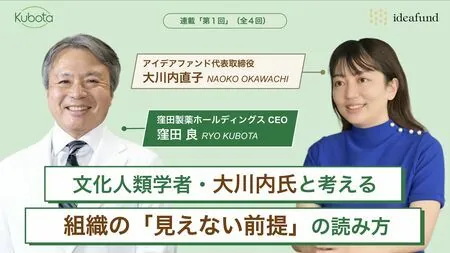
AIやデジタル技術が社会を大きく変える時代に、企業や組織は何を見落としやすいのか。文化人類学者で株式会社アイデアファンド代表取締役の大川内直子氏と、『近視は病気です』(小社刊)の著者で眼科医の窪田良氏が対談した。第1回は、企業の現場に入り込み、人々の暮らしや仕事を共にしながら「見えない前提」を捉える文化人類学の実践的な価値を考える。
■文化人類学は、企業や病院にも入っていく
窪田:大川内さんにお会いしたかったのは、文化人類学が、異文化を研究する学問にとどまらず、企業や組織の中でも力を発揮していると知ったからです。文化人類学は、改めてどういった学問なのでしょうか。
大川内:文化人類学というと、アフリカの農耕民やアマゾンの狩猟採集民のもとへ行き、フィールドワークをする学問というイメージがあるかもしれません。もちろんそれも重要ですが、近年は企業、病院、学校、科学者のいる研究所なども、人類学者にとって大切なフィールドになっています。 人がどのような環境の中で暮らし、他者と関わり、何を当たり前のものとして生きているのか。そうした人間の営みを、現場に身を置きながら理解しようとする学問だからです。私自身は、東大発のバイオベンチャーであるペプチドリームに協力をお願いし、科学的な知識がビジネスの中でどのように価値を持つのか、産学連携がどのように進むのかを研究してきました。
窪田:研究室の外に出て、実際に仕事や生活が営まれているところに入っていくということですね。 大川内:そうです。大学院時代に、文化人類学をビジネスに応用する実践がアメリカで盛んなことを知りました。そしてそれを日本でも社会に応用したいと考え、現在のアイデアファンドを立ち上げました。 窪田:日本では具体的にどういった活動をされているのですか? 大川内:例えば企業の工場を対象とした調査であれば、会議室で話を聞くだけではなく、実際に現場に入り、プレス機の音が響く中で、人がどう動き、誰と声を掛け合い、上からの指示をどう受け止めているのかを見ていきます。あるいは会社の外にも目を向けて、その地域の特色と勤め先での仕事、家族との暮らしなどがどのように結びついているのかを、日々の生活の中で理解していきます。
■「ジャングルへ飛び込む」人がいるかどうか 窪田:私が文化人類学の力を強く意識したのは、10年ほど前に飛行機で出会ったフランス人のデザイナーの話です。彼は自動車メーカーのルノーで、車ではなく、文化人類学者として、組織やプロセスをデザインしていると言っていました。 大川内:その方は具体的にどんなアプローチをされていたのでしょうか? 窪田:日本とフランスのエンジニア同士が共同開発を進めるなかで、両者の話がなかなか噛み合わない状況があったそうなのです。そこで彼は、元々住んでいた高級マンションを出て、日産・座間工場の社員寮に移り住んだそうです。
大川内:社員の方々と生活を共にしたのですね。 窪田:そうです。共同のお風呂に入り、毎日同じ食事をして、年単位で暮らしたそうです。当初は「外資の手下が、誰の首を切るか見に来たのではないか」と警戒されていたようですが、それでも時間をかけ、一緒に生活する中で、日本のエンジニアが何を大事にしているのかを学んだそうです。 大川内:年単位とはすごいですね。なかなかできることではないと思います。 窪田:本当ですよね。彼は、日本とフランスの違いを「ジャングルの向こうにある金をどう取りに行くか」というたとえで説明していました。日本のチームは、多くの人がリスクを洗い出し、時間をかけて安全で強固な道をつくろうとする。
一方でフランス側には、すぐジャングルへ飛び込む人もいれば、少人数で別の方法を試す人もいる。効率はよくなくても、まったく別の解決策を見つける人が出てくる、というのです。 大川内:どちらが正しいかではなく、問題への向き合い方が違うことを、互いに理解できる言葉にしたのですね。 窪田:おっしゃる通りです。そのたとえを両国のエンジニアに共有した後、2つのエンジニアリングチームはうまく協働するようになったと聞きました。文化人類学は、M&A後の組織統合にも有効なのだと感じました。
■組織図では見えない「当たり前」を読む 窪田:文化人類学者が現場にいることは、どのような意味をもっているのでしょうか? 大川内:文化人類学者が現場に長くいるのは、信頼関係を築くためだけではありません。日々一緒に過ごし、仕事や生活の様子を見ることで、短時間のインタビューだけでは見えにくい、当事者自身も言葉にしていない前提や、仕事がうまく進まない理由が見えてくることがあります。組織図や意思決定のフローが整っていても、実際には組織が思うように動かないことがあります。その背景には、誰に相談するのか、どこまで自分で判断するのかといった、数字では捉えにくい人間関係や慣習があるからです。
窪田:組織の設計だけに目を向けても、根深いところにある摩擦は解けないということですね。 大川内:はい。文化の融合や相互理解が深まることには、数値化しにくくても大きな価値があります。ただ、日本では文化人類学者が何をする人なのか、まだ理解されにくい面があります。「人事の査定に使うのではないか」と警戒されることもありますね。 窪田:本来は敵ではなく、現場の人と一緒に最適な解を探すパートナーなのに、もっと日本中にその存在を知ってもらう必要がありますね。
大川内:そう思います。人の行動、生活、関係性を丁寧に見ていくことで、組織が自分たちだけでは見つけにくい問いを立てられるんです。文化人類学は、遠い世界を知るためだけでなく、企業や社会の日常を捉え直すためにも使える学問です。 窪田:テクノロジーが進み、組織も社会も複雑になるほど、こうした視点は重要になりそうです。 大川内:はい。何を変えるべきかを急いで決める前に、現場で何が起きているのかを見て、聞いて、共に過ごす。その過程そのものが、よりよい協働の出発点になるのだと思います。
この記事の単語 (159)
×14
文化人類学
ぶんかじんるいがく
cultural anthropology
×13
大川内
おおかわうち
Ookawauchi (surname)
×13
窪田
くぼた
Kubota (place; surname)
×7
企業
きぎょう
enterprise; business; company; corporation
×7
組織
そしき
1. organization; organisation; formation 2. structure; construction; setup; constitution
×7
現場
げんば
1. actual spot; scene; scene of the crime; site; location; setting 2. shop floor; factory floor; (on) site
×5
学問
がくもん
1. scholarship; study; learning 2. discipline; branch of learning; (a) science
×4
理解
りかい
understanding; comprehension; appreciation; sympathy
×3
共
とも
1. together with 2. same
×3
価値
かち
value; worth; merit
×3
実際
じっさい
1. reality; actuality; truth; fact; actual conditions 2. practice (as opposed to theory)
×2
暮らし
くらし
life; living; livelihood; life circumstances
×2
前提
ぜんてい
1. condition; assumption; prerequisite; hypothesis 2. intention; intent; aim; goal
×2
捉える
とらえる
1. to catch; to capture; to seize; to arrest; to grab; to catch hold of 2. to grasp (e.g. meaning); to perceive; to capture (e.g. features)
×2
重要
じゅうよう
important; momentous; essential; principal; major
×2
暮らす
くらす
1. to live; to get along 2. to spend (time)
×2
当たり前
あたりまえ
1. natural; reasonable; obvious 2. usual; common; ordinary; commonplace; the norm
×2
応用
おうよう
1. (practical) application; putting to practical use 2. applied
×2
具体的
ぐたいてき
concrete; definite; specific; material; substantial
×2
日々
ひび
every day; daily; day after day; days (e.g. good old days)
×2
飛び込む
とびこむ
1. to jump in; to leap in; to plunge into; to dive 2. to burst in; to barge in
×2
単位
たんい
1. unit; denomination 2. credit (in school)
×2
警戒
けいかい
vigilance; caution; alertness; precaution; being on guard
×2
例え
たとえ
1. example 2. simile; metaphor; allegory; fable; parable
×2
旨い
うまい
1. skillful; skilful; clever; expert; wise; successful 2. delicious; appetizing; appetising; tasty
×2
協働
きょうどう
cooperation
×2
組織図
そしきず
organization chart; organisation chart
×2
過ごす
すごす
1. to pass (time); to spend 2. to overdo (esp. of one's alcohol consumption); to drink (alcohol)
×1
見落とす
みおとす
to overlook; to fail to notice; to miss (seeing)
×1
株式会社
かぶしきがいしゃ
stock company; corporation; kabushiki kaisha; KK
×1
代表取締役
だいひょうとりしまりやく
representative director; managing director; president; someone chosen by the board of directors from among the directors to actually represent the company in its dealings with the outside world
×1
直子
ちかこ
Chikako (fem)
×1
近視
きんし
myopia; shortsightedness; nearsightedness
×1
小社
しょうしゃ
1. (our) company; (my) company 2. small company
×1
著者
ちょしゃ
author (usu. of a particular book); writer
×1
眼科医
がんかい
ophthalmologist; eye specialist
×1
対談
たいだん
talk; dialogue; conversation
×1
第
だい
prefix for forming ordinal numbers
×1
入り込む
はいりこむ
1. to go into; to come into; to penetrate; to get in; to step in (a house) 2. to become complicated
×1
人々
ひとびと
1. people; men and women 2. each person; everybody
×1
実践的
じっせんてき
practical; pragmatic; hands-on; nuts and bolts
×1
異文化
いぶんか
foreign culture; foreign cultures
×1
留まる
とまる
1. to stop (moving); to come to a stop 2. to stop (doing, working, being supplied); to come to a halt; to cease; to be stopped; to be suspended
×1
発揮
はっき
show (of power, ability, etc.); exhibition; demonstration; display; manifestation
×1
改めて
あらためて
1. another time; again; over again; once again; anew 2. formally; especially; intentionally; deliberately
×1
農耕
のうこう
farming; agriculture; cultivation
×1
狩猟
しゅりょう
hunting
×1
採集
さいしゅう
collecting; gathering
×1
知れる
しれる
1. to become known; to come to light; to be discovered 2. to be known; to be understood
×1
近年
きんねん
recent years
×1
科学者
かがくしゃ
scientist
×1
研究所
けんきゅうしょ
research establishment; research institute; laboratory
×1
人類学
じんるいがく
anthropology
×1
環境
かんきょう
environment; circumstance
×1
他者
たしゃ
another person; others
×1
関わる
かかわる
1. to be affected; to be influenced 2. to be concerned with; to have to do with
×1
人間
にんげん
1. human being; human; person; man; mankind; humankind 2. character (of a person)
×1
営み
いとなみ
1. activity; action; performance; execution 2. occupation; business; work
×1
身
み
1. body 2. oneself
×1
私自身
わたしじしん
myself
×1
東大
とうだい
(abbr) Tokyo University (organization)
×1
協力
きょうりょく
cooperation; collaboration
×1
科学的
かがくてき
scientific
×1
知識
ちしき
knowledge; information
×1
産
さん
1. (giving) birth; childbirth; delivery; confinement 2. native of; product of
×1
連携
れんけい
cooperation; coordination; link
×1
営む
いとなむ
1. to run (a business); to operate; to conduct; to practice (law, medicine, etc.) 2. to carry out; to perform; to lead (a life)
×1
大学院
だいがくいん
graduate school
×1
実践
じっせん
1. practice; putting into practice; implementation 2. praxis (philosophy)
×1
現在
げんざい
now; current; present; present time; as of
×1
立ち上げる
たちあげる
to start (something); to start up; to boot (a computer); to launch (a business)
×1
活動
かつどう
1. activity (of a person, organization, animal, volcano, etc.); action 2. movie (esp. during the silent movie period)
×1
対象
たいしょう
target; object (of worship, study, etc.); subject (of taxation, etc.)
×1
調査
ちょうさ
investigation; examination; inquiry; enquiry; survey
×1
響く
ひびく
1. to resound; to be heard far away 2. to reverberate; to shake; to vibrate
×1
掛け合う
かけあう
1. to negotiate (with someone about); to talk over (something with); to tackle someone (about); to haggle; to bargain 2. to throw on each other; to splash (water) on each other; to pour on each other
×1
指示
しじ
1. indication; denotation; designation 2. instructions; directions
×1
受け止める
うけとめる
1. to catch; to stop the blow 2. to react to; to take (advice, etc.); to accept; to come to grips with
×1
或いは
あるいは
1. or; either ... or 2. maybe; perhaps; possibly
×1
地域
ちいき
area; region
×1
特色
とくしょく
1. characteristic; feature; idiosyncrasy; personal colour 2. spot color (in printing)
×1
勤め先
つとめさき
place of work
×1
結び付く
むすびつく
1. to be related; to be connected; to be joined together 2. to result in; to lead to; to bring about
×1
意識
いしき
1. consciousness 2. becoming aware (of); awareness; sense
×1
出会う
であう
1. to meet (by chance); to come across; to run across; to encounter; to happen upon 2. to meet (e.g. of rivers, highways, etc.)
×1
フランス人
フランスじん
Frenchman; Frenchwoman
×1
共同開発
きょうどうかいはつ
joint development
×1
進める
すすめる
1. to advance; to move forward; to put (a clock, watch) forward 2. to carry forward (plans, work, etc.); to proceed with; to make progress in; to further; to advance; to hasten; to speed up
×1
両者
りょうしゃ
pair; the two; both persons; both things
×1
噛み合う
かみあう
1. to gear (engage) with; to be in gear (mesh) 2. to bite each other
×1
状況
じょうきょう
state of affairs (around you); situation; circumstances
×1
元々
もともと
originally; by nature; from the start
×1
高級
こうきゅう
1. high class; high grade 2. high rank; seniority
×1
日産
にっさん
1. daily output 2. Nissan (Japanese car company)
×1
座間
くらま
Kurama (surname)
×1
社員寮
しゃいんりょう
company dormitory
×1
移り住む
うつりすむ
to change one's place of residence; to migrate; to move
×1
社員
しゃいん
1. company employee 2. member of a corporation; company stockholder (esp. in legal contexts)
×1
方々
かたがた
1. people; (all) persons; everyone; ladies and gentlemen 2. you (usu. plural)
×1
共同
きょうどう
doing together (as equals); sharing; common (land, etc.); joint (statement, etc.); cooperation; co-operation; collaboration; association
×1
風呂
ふろ
1. bath; bathing; bathtub; bathroom 2. bathhouse; public bath
×1
当初
とうしょ
1. beginning; start; outset 2. at first; at the beginning; initially; originally
×1
外資
がいし
foreign capital (e.g. in a company); foreign investment
×1
手下
てした
subordinate; underling; henchman; minion
×1
学ぶ
まなぶ
to study (in depth); to learn; to take lessons in
×1
本当
ほんとう
1. truth; reality; actuality; fact 2. proper; right; correct; official
×1
違い
ちがい
1. difference; distinction; discrepancy 2. mistake; error
×1
洗い出す
あらいだす
1. to reveal by washing the surface; to expose by washing away dirt, earth, etc. 2. to discover (by investigation); to bring to light; to find out; to dig up
×1
強固
きょうこ
firm; strong; solid; stable
×1
少人数
しょうにんずう
small number of people
×1
方法
ほうほう
method; process; manner; way; means; technique
×1
試す
ためす
to attempt; to test; to try out
×1
効率
こうりつ
efficiency
×1
全く
まったく
1. really; truly; entirely; completely; wholly; perfectly 2. indeed
×1
解決策
かいけつさく
solution; solution strategy
×1
向き合う
むきあう
1. to be opposite; to face each other 2. to confront (an issue); to face
×1
互い
たがい
each other; one another
×1
通り
とおり
1. avenue; street; way; road 2. coming and going; street traffic
×1
両国
りょうこく
1. both countries 2. Ryōgoku (area of Tokyo)
×1
共有
きょうゆう
1. joint ownership; co-ownership; sharing (e.g. a viewpoint) 2. sharing (files, devices on a network, posts on social media, etc.)
×1
有効
ゆうこう
1. valid; effective 2. yuko (judo)
×1
感じる
かんじる
to feel; to sense; to experience
×1
信頼関係
しんらいかんけい
relationship of mutual trust; fiduciary relation
×1
築く
きずく
1. to build; to construct; to erect 2. to amass (e.g. fortune); to pile up
×1
様子
ようす
1. state; state of affairs; situation; circumstances 2. appearance; look; aspect
×1
短時間
たんじかん
short time
×1
当事者
とうじしゃ
person concerned; interested party; related party
×1
自身
じしん
(one's) self; oneself
×1
意思決定
いしけってい
decision-making
×1
整う
ととのう
1. to be ready; to be prepared; to be arranged 2. to be in order; to be put in order; to be well-ordered; to be well-proportioned; to be harmonious
×1
背景
はいけい
1. background; scenery; backdrop; setting 2. background (of an incident, situation, etc.); circumstances; context
×1
判断
はんだん
1. judgment; judgement; decision; conclusion; adjudication 2. divination
×1
数字
すうじ
numeral; figure; digit; numeric character
×1
人間関係
にんげんかんけい
human relations; personal relationships
×1
慣習
かんしゅう
1. custom; convention; common practice 2. becoming accustomed (to)
×1
設計
せっけい
plan; design; layout
×1
根深い
ねぶかい
deep-rooted; ingrained
×1
摩擦
まさつ
1. friction; rubbing; chafing 2. discord; friction; strife; conflict
×1
解ける
とける
1. to be solved; to be resolved 2. to loosen; to come untied; to come undone
×1
融合
ゆうごう
agglutination; adhesion; fusion; combination; blending; uniting
×1
相互理解
そうごりかい
mutual understanding
×1
深まる
ふかまる
to deepen; to heighten; to intensify
×1
数値化
すうちか
quantification; expressing in numerical form; conversion to numerical form
×1
唯
ただ
1. ordinary; common; usual 2. free of charge
×1
面
めん
1. face 2. mask; face guard
×1
人事
じんじ
personnel affairs; human affairs; human resources; HR
×1
査定
さてい
assessment (of value, damages, etc.); revision (of a budget)
×1
本来
ほんらい
1. originally; primarily 2. essentially; intrinsically; naturally; by nature; in (and of) itself
×1
敵
てき
1. opponent; rival; adversary 2. menace; danger; threat; enemy
×1
最適
さいてき
most suitable; optimum; optimal; best
×1
解
かい
1. solution (of an equation, inequality, etc.); root (e.g. of a polynomial) 2. solution (to a given problem); answer
×1
存在
そんざい
existence; being
×1
行動
こうどう
action; conduct; behaviour; behavior; mobilization; mobilisation
×1
関係性
かんけいせい
relationship; relation
×1
問い
とい
question; query
×1
日常
にちじょう
everyday; daily; ordinary; usual; routine; regular
×1
視点
してん
opinion; point of view; visual point
×1
過程
かてい
process; course; mechanism
×1
出発点
しゅっぱつてん
starting point; point of departure