福島 磐越道で高校生ら21人死傷の事故 バス運転手を逮捕 警察 過失運転致死傷の疑いで
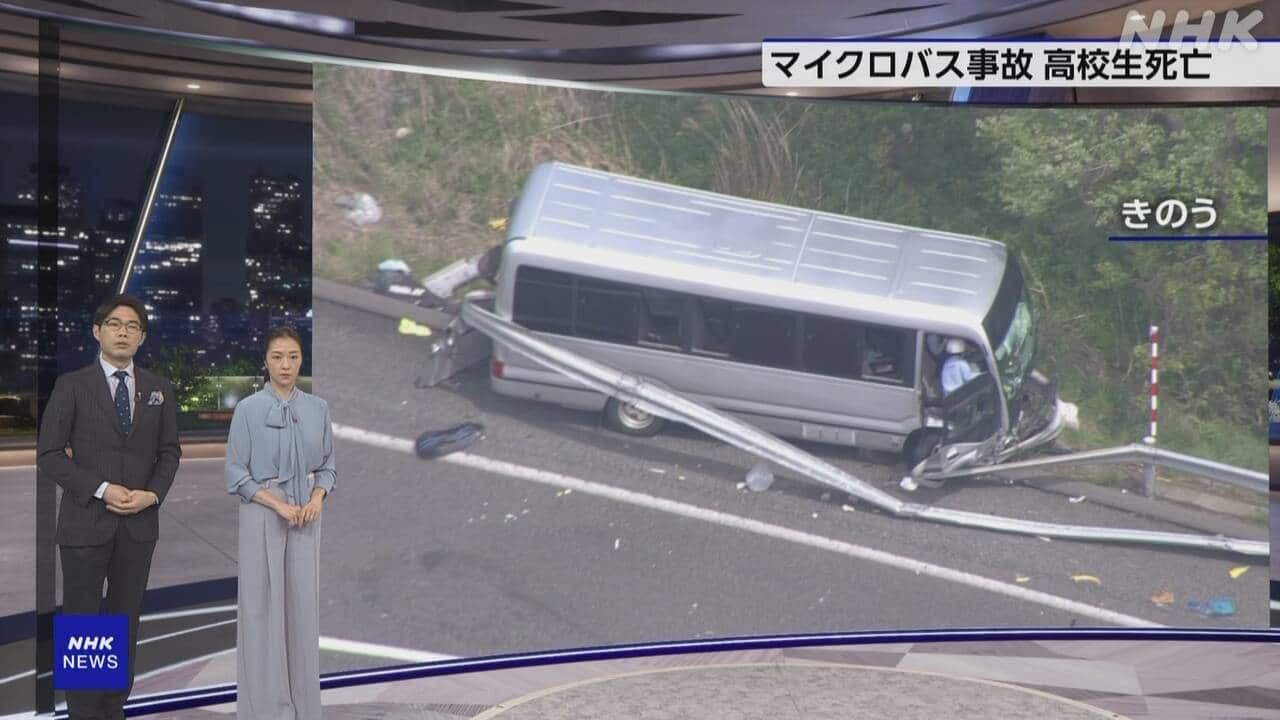
6日、福島県の磐越自動車道で、部活動で遠征中の新潟県の高校生たちが乗ったマイクロバスがガードレールに突っ込むなどして生徒1人が死亡し、20人が重軽傷を負った事故で、警察は過失運転致死傷の疑いでマイクロバスを運転していた新潟県胎内市の若山哲夫容疑者(68)を逮捕しました。
6日午前7時半ごろ、福島県郡山市の磐越自動車道の上り線で、新潟市にある北越高校のソフトテニス部の生徒20人が乗ったマイクロバスがガードレールに突っ込むなどして、稲垣尋斗さん(17)が死亡し、ほかの生徒や68歳の運転手などあわせて20人が重軽傷を負いました。
警察のこれまでの調べで現場近くには目立ったブレーキ痕はなく、運転手は搬送された際、「カーブを曲がりきれなかった」などと説明したということです。
新潟市にある北越高校では7日午後7時ごろから臨時の保護者会が始まり、およそ1時間後の午後8時ごろに終わりました。
それによりますと、男子ソフトテニス部の顧問はマイクロバスの手配に関わった新潟県五泉市のバス運行会社、「蒲原鉄道」に対し当初、貸し切りバスの手配を依頼したと説明しました。
北越高校のホームページにある男子ソフトテニス部のブログには、亡くなった稲垣尋斗さんが活動している様子の画像が掲載されています。
稲垣さんと中学校で同級生だったという男子生徒によりますと、稲垣さんは中学校でも全国大会を目指してソフトテニスの練習に励んでいたということです。
男子生徒は「明るく元気で、リーダーシップがある子でした。中学時代も、ダブルスのペアを組んでいる子とソフトテニスをすごく頑張っていました。亡くなったことを受け止められない感じです。信じられないです」と話していました。
また、自宅の近くに住む20代の女性は「顔を合わせるといつもにこにこして手を振ってくれる子でした。亡くなったのが稲垣くんだと知り信じられない思いです」と話していました。
50代の女性は「礼儀正しく愛想のよい子でした。亡くなったと知りショックで、やるせない気持ちです」と話していました。
「私たち家族は、大切な存在である息子を今回の思いがけない出来事で失い、深い悲しみの中におります。そしてこの状況をまだ受け止めきれずにおります。今は、1日も早く私たち家族や関係者の皆さまが穏やかな生活を取り戻せることを願うばかりです。どうかこのような心情をご理解いただき、今後、家族や親族、地域の方々等に対する取材、撮影等についてはご遠慮いただきたいと思います。令和8年5月7日家族一同」。
この事故で生徒を乗せていたマイクロバスは引率していた部活動の顧問が新潟県内のバス運行会社に依頼して手配してもらったレンタカーでした。
マイクロバスの手配に関わった新潟県五泉市にあるバスの運行会社「蒲原鉄道」の説明によりますと、ふだんは貸し切りバスで遠征の送迎を行っていますが、今回は顧問から「貸し切りバスではなくレンタカーを手配してほしい」と依頼を受けたということです。
この依頼を受けて会社の営業担当者は新潟市のレンタカー店からマイクロバスを借りたということです。
レンタカーを借りる際には運転免許証が求められますが、これについては営業担当者が自分の運転免許証を提示していました。
こうしたバスの手配や運転手の紹介は学校側から手数料などを受け取らず無償で行われたということです。
これについて会社は「会社として引き受けたのではなくふだん貸し切りバスの仕事をさせてもらっているため、手伝ったという形だった」と説明しています。
この事故で高校生を乗せたマイクロバスを運転していた68歳の運転手は去年3月までの3年間、地元の新潟県胎内市で「会計年度任用職員」としてマイクロバスを運転していたということです。
胎内市によりますと、市内でイベントが行われる際に駅から会場まで職員や参加者を市が所有するマイクロバスで送迎するなどの業務を行っていました。
運転するマイクロバスに乗ったことがあるという胎内市の元職員の男性は「丁寧な対応で、粗暴な運転ではなかった。乗車している私たちに対しても非常に優しい態度だった」と話していました。
最近の様子については「最近見かけた時に、歩くのが少し遅くなっていると言えばいいのか、足が少し不自由なのかなと思ったことがあった」と話していました。
また、運転手の自宅の近くに住む男性は「夏の時期にお客さんを登山口に送るマイクロバスを運転する仕事をしていたのを覚えており、去年あたりに市の仕事は退職したと聞いている」と話していました。
事故を受けて国土交通省がバスの運行会社などの調査を行っていることについて、交通政策に詳しい流通経済大学の板谷和也教授は「許可のない運転手がお金をもらって人を輸送することは、いわゆる『白バス』と呼ばれて基本的に日本では違法になる。運転手に対して高校側などから賃金の授受がなかったかどうかが、まず一番に聞くべきところだ」と指摘しました。
一方で、一般論としたうえで「部活に関わる交通費の問題は昔からあり、高校側がなるべく節約したい気持ちになるのは自然なことだと思うが、安くしすぎると安全面の問題が発生する。車両や運転手の確保は、過度な節約にならない範囲で対応してほしい」と指摘していました。
今回の事故でバスの運行会社側は、会見で、学校側から依頼を受けてレンタカーのマイクロバスを借りて手配したほか、運転手を紹介したなどと説明しています。
一般的に、どのような行為がいわゆる“白バス”や“白タク”と呼ばれる違法行為にあたるのか、国土交通省の担当者に取材しました。
Q.そもそも有償・お金をもらって、車を使って人を運ぶには?A.乗用車やバスなどで、有償で人を運ぶ行為は、道路運送法で運送事業として扱われ、事業者は国の許可を得る必要があります。許可を得た乗用車やバスは、国から交付された“緑ナンバー”をつけて運行します。つまり、有償で人を運ぶことができるのは、原則、”緑ナンバー”をつけた車のみとなります。
Q.“白バス”行為や“白タク”行為とは?A.国の許可を得ていない、自家用車やレンタカーなどの”白ナンバー”の車を使って、有償で人を運ぶ行為のことを指します。許可を得ていない”白ナンバー”のマイクロバスなどを有償で運行することを“白バス”行為、自家用車などをタクシーのように有償で運行することを“白タク”行為と呼びます。こうした行為が組織的に行われていた場合は事業者が、個人でやっていた場合は運転手個人が、道路運送法違反となり罰せられます。
Q.一般論として、バスの運行許可を得た事業者が、レンタカー会社からマイクロバスなどを借りたうえで利用者を乗せて運行することはできるの?A.道路運送法では、運送事業にレンタカーを利用することはできません。事業者が国の許可を得るに当たって、使用する車両などの情報を含めた事業計画を届け出ることになっていて、レンタカーでの運送は許可していません。
Q.無償で他人を乗せて運んだ場合は、“白バス”や“白タク”行為になる?A.金銭の受け渡しがなければ、該当しません。実際にかかったガソリン代や有料道路の使用料、駐車場代などについては、金銭の授受にはあたらず、問題ありません。また、社会通念上の常識的な範囲内であれば、利用者が運転手に謝礼を渡すことができます。例えば、高齢者を街での買い物に同乗させるといったボランティアへのお礼の気持ち程度のものとなります。
今回の事故については、担当者は次のように話しています。「今回の事故については、詳細は確認しているところです。会社側が、レンタカー会社との契約や運転手の手配にどのように関わっているのか、運転手に対する学校側の金銭の受け渡しがどういう形だったのかを、確認していくことになります」
6日午前7時半ごろ、福島県郡山市の磐越自動車道の上り線で、新潟市にある北越高校のソフトテニス部の生徒20人が乗ったマイクロバスがガードレールに突っ込むなどして、稲垣尋斗さん(17)が死亡し、ほかの生徒や68歳の運転手などあわせて20人が重軽傷を負いました。
警察のこれまでの調べで現場近くには目立ったブレーキ痕はなく、運転手は搬送された際、「カーブを曲がりきれなかった」などと説明したということです。
新潟市にある北越高校では7日午後7時ごろから臨時の保護者会が始まり、およそ1時間後の午後8時ごろに終わりました。
それによりますと、男子ソフトテニス部の顧問はマイクロバスの手配に関わった新潟県五泉市のバス運行会社、「蒲原鉄道」に対し当初、貸し切りバスの手配を依頼したと説明しました。
北越高校のホームページにある男子ソフトテニス部のブログには、亡くなった稲垣尋斗さんが活動している様子の画像が掲載されています。
稲垣さんと中学校で同級生だったという男子生徒によりますと、稲垣さんは中学校でも全国大会を目指してソフトテニスの練習に励んでいたということです。
男子生徒は「明るく元気で、リーダーシップがある子でした。中学時代も、ダブルスのペアを組んでいる子とソフトテニスをすごく頑張っていました。亡くなったことを受け止められない感じです。信じられないです」と話していました。
また、自宅の近くに住む20代の女性は「顔を合わせるといつもにこにこして手を振ってくれる子でした。亡くなったのが稲垣くんだと知り信じられない思いです」と話していました。
50代の女性は「礼儀正しく愛想のよい子でした。亡くなったと知りショックで、やるせない気持ちです」と話していました。
「私たち家族は、大切な存在である息子を今回の思いがけない出来事で失い、深い悲しみの中におります。そしてこの状況をまだ受け止めきれずにおります。今は、1日も早く私たち家族や関係者の皆さまが穏やかな生活を取り戻せることを願うばかりです。どうかこのような心情をご理解いただき、今後、家族や親族、地域の方々等に対する取材、撮影等についてはご遠慮いただきたいと思います。令和8年5月7日家族一同」。
この事故で生徒を乗せていたマイクロバスは引率していた部活動の顧問が新潟県内のバス運行会社に依頼して手配してもらったレンタカーでした。
マイクロバスの手配に関わった新潟県五泉市にあるバスの運行会社「蒲原鉄道」の説明によりますと、ふだんは貸し切りバスで遠征の送迎を行っていますが、今回は顧問から「貸し切りバスではなくレンタカーを手配してほしい」と依頼を受けたということです。
この依頼を受けて会社の営業担当者は新潟市のレンタカー店からマイクロバスを借りたということです。
レンタカーを借りる際には運転免許証が求められますが、これについては営業担当者が自分の運転免許証を提示していました。
こうしたバスの手配や運転手の紹介は学校側から手数料などを受け取らず無償で行われたということです。
これについて会社は「会社として引き受けたのではなくふだん貸し切りバスの仕事をさせてもらっているため、手伝ったという形だった」と説明しています。
この事故で高校生を乗せたマイクロバスを運転していた68歳の運転手は去年3月までの3年間、地元の新潟県胎内市で「会計年度任用職員」としてマイクロバスを運転していたということです。
胎内市によりますと、市内でイベントが行われる際に駅から会場まで職員や参加者を市が所有するマイクロバスで送迎するなどの業務を行っていました。
運転するマイクロバスに乗ったことがあるという胎内市の元職員の男性は「丁寧な対応で、粗暴な運転ではなかった。乗車している私たちに対しても非常に優しい態度だった」と話していました。
最近の様子については「最近見かけた時に、歩くのが少し遅くなっていると言えばいいのか、足が少し不自由なのかなと思ったことがあった」と話していました。
また、運転手の自宅の近くに住む男性は「夏の時期にお客さんを登山口に送るマイクロバスを運転する仕事をしていたのを覚えており、去年あたりに市の仕事は退職したと聞いている」と話していました。
事故を受けて国土交通省がバスの運行会社などの調査を行っていることについて、交通政策に詳しい流通経済大学の板谷和也教授は「許可のない運転手がお金をもらって人を輸送することは、いわゆる『白バス』と呼ばれて基本的に日本では違法になる。運転手に対して高校側などから賃金の授受がなかったかどうかが、まず一番に聞くべきところだ」と指摘しました。
一方で、一般論としたうえで「部活に関わる交通費の問題は昔からあり、高校側がなるべく節約したい気持ちになるのは自然なことだと思うが、安くしすぎると安全面の問題が発生する。車両や運転手の確保は、過度な節約にならない範囲で対応してほしい」と指摘していました。
今回の事故でバスの運行会社側は、会見で、学校側から依頼を受けてレンタカーのマイクロバスを借りて手配したほか、運転手を紹介したなどと説明しています。
一般的に、どのような行為がいわゆる“白バス”や“白タク”と呼ばれる違法行為にあたるのか、国土交通省の担当者に取材しました。
Q.そもそも有償・お金をもらって、車を使って人を運ぶには?A.乗用車やバスなどで、有償で人を運ぶ行為は、道路運送法で運送事業として扱われ、事業者は国の許可を得る必要があります。許可を得た乗用車やバスは、国から交付された“緑ナンバー”をつけて運行します。つまり、有償で人を運ぶことができるのは、原則、”緑ナンバー”をつけた車のみとなります。
Q.“白バス”行為や“白タク”行為とは?A.国の許可を得ていない、自家用車やレンタカーなどの”白ナンバー”の車を使って、有償で人を運ぶ行為のことを指します。許可を得ていない”白ナンバー”のマイクロバスなどを有償で運行することを“白バス”行為、自家用車などをタクシーのように有償で運行することを“白タク”行為と呼びます。こうした行為が組織的に行われていた場合は事業者が、個人でやっていた場合は運転手個人が、道路運送法違反となり罰せられます。
Q.一般論として、バスの運行許可を得た事業者が、レンタカー会社からマイクロバスなどを借りたうえで利用者を乗せて運行することはできるの?A.道路運送法では、運送事業にレンタカーを利用することはできません。事業者が国の許可を得るに当たって、使用する車両などの情報を含めた事業計画を届け出ることになっていて、レンタカーでの運送は許可していません。
Q.無償で他人を乗せて運んだ場合は、“白バス”や“白タク”行為になる?A.金銭の受け渡しがなければ、該当しません。実際にかかったガソリン代や有料道路の使用料、駐車場代などについては、金銭の授受にはあたらず、問題ありません。また、社会通念上の常識的な範囲内であれば、利用者が運転手に謝礼を渡すことができます。例えば、高齢者を街での買い物に同乗させるといったボランティアへのお礼の気持ち程度のものとなります。
今回の事故については、担当者は次のように話しています。「今回の事故については、詳細は確認しているところです。会社側が、レンタカー会社との契約や運転手の手配にどのように関わっているのか、運転手に対する学校側の金銭の受け渡しがどういう形だったのかを、確認していくことになります」
Vocabulary
General
Proper noun
JLPT N2
JLPT N1
| # | 言葉 | 意味 |
|---|---|---|
| 10 | 運行 | うんこう (運行) : 1. service (bus, train); operation 2. motion; revolution; movement |
| 9 | 行為 | こうい (行為) : act; deed; conduct |
| 8 | 手配 | てはい (手配) : 1. arrangement; preparations 2. search (by police) |
| 8 | 許可 | きょか (許可) : 1. permission; approval; authorization; license 2. to permit; to authorize |
| 6 | 新潟県 | にいがたけん (新潟県) : Niigata prefecture (Hokuriku area) |
| 6 | 有償 | ゆうしょう (有償) : (involving) payment; (involving) compensation; paying a fee |
| 5 | 稲垣 | いたがき (稲垣) : Itagaki (surname) |
| 5 | 依頼 | いらい (依頼) : 1. request; commission; entrusting (with a matter) 2. dependence; reliance |
| 4 | 胎内 | たいない (胎内) : 1. interior of the womb (of a pregnant woman); interior of the uterus 2. interior of a Buddhistic statue |
| 4 | 男子 | だんし (男子) : youth; young man |
| 4 | 関わる | かかわる (関わる) : 1. to be affected; to be influenced 2. to be concerned with; to have to do with |
| 4 | 亡くなる | なくなる (亡くなる) : to die |
| 4 | 乗せる | のせる (乗せる) : 1. to place on (something) 2. to give (someone) a ride; to give a lift; to pick up; to help on board |
| 4 | 白タク | しろタク (白タク) : unlicensed taxi; unlicensed cab |
| 4 | 運送 | うんそう (運送) : transport; freight; shipping |
| 4 | 事業者 | じぎょうしゃ (事業者) : 1. business person 2. operator; carrier (telecommunications, transport, etc.) |
| 3 | 乗る | のる (乗る) : 1. to get on (train, plane, bus, ship, etc.); to get in; to board; to take; to embark 2. to get on (e.g. a footstool); to step on; to jump on; to sit on; to mount |
| 3 | 新潟市 | にいがたし (新潟市) : Niigata (city) (place) |
| 3 | 北越 | きたこし (北越) : Kitakoshi (surname) |
| 3 | 際 | きわ (際) : 1. edge; brink; verge; side 2. time; moment of |
| 3 | 顧問 | こもん (顧問) : adviser; advisor; consultant |
| 3 | 私たち | わたしたち (私たち) : we; us |
| 3 | 借りる | かりる (借りる) : 1. to borrow; to have a loan 2. to rent; to hire |
| 3 | 呼ぶ | よぶ (呼ぶ) : 1. to call out (to); to call; to invoke 2. to summon (a doctor, etc.) |
| 3 | 道路 | どうろ (道路) : road; highway |
| 3 | 金銭 | きんせん (金銭) : money; cash |
| 2 | 福島県 | ふくしまけん (福島県) : Fukushima prefecture (Tōhoku area) |
| 2 | 磐越 | ばんえつ (磐越) : Ban'etsu (surname) |
| 2 | 自動車道 | じどうしゃどう (自動車道) : expressway; motorway |
| 2 | 部活動 | ぶかつどう (部活動) : club activities; extracurricular activities |
| 2 | 遠征 | えんせい (遠征) : 1. expedition; (military) campaign 2. tour (by a sports team, performer, etc.); visit |
| 2 | 突っ込む | つっこむ (突っ込む) : 1. to thrust (something) into (something); to cram; to stuff; to shove 2. to plunge into; to charge into; to rush into; to ram into; to crash into |
| 2 | 死亡 | しぼう (死亡) : 1. death; mortality 2. to die; to pass away |
| 2 | 重軽傷 | じゅうけいしょう (重軽傷) : serious or slight injury; major and minor injuries |
| 2 | 負う | おう (負う) : 1. to bear; to carry on one's back 2. to take responsibility for; to accept a duty |
| 2 | 五泉市 | ごせんし (五泉市) : Gosen (city) (place) |
| 2 | 蒲原 | うらはら (蒲原) : Urahara (surname) |
| 2 | 鉄道 | てつどう (鉄道) : railroad; railway; rail transport |
| 2 | 様子 | ようす (様子) : 1. state; state of affairs; situation; circumstances 2. appearance; look; aspect |
| 2 | 受け止める | うけとめる (受け止める) : 1. to catch; to stop the blow 2. to react to; to take (advice, etc.); to accept; to come to grips with |
| 2 | 信ずる | しんずる (信ずる) : to believe; to believe in; to place trust in; to confide in; to have faith in |
| 2 | 自宅 | じたく (自宅) : one's home; one's house |
| 2 | 知る | しる (知る) : 1. to be aware of; to know; to be conscious of; to cognize; to cognise 2. to notice; to feel |
| 2 | 等 | など (等) : 1. et cetera; etc.; and the like; and so forth 2. or something |
| 2 | 取材 | しゅざい (取材) : 1. news coverage; collecting data (e.g. for an article); covering (something for media) 2. interview |
| 2 | ふだん | ふだん (不断) : 1. constant; persistent; unremitting; ceaseless 2. indecisiveness |
| 2 | 送迎 | そうげい (送迎) : seeing off and meeting on return |
| 2 | 運転免許証 | うんてんめんきょしょう (運転免許証) : driver's license; driver's licence; driving licence |
| 2 | 無償 | むしょう (無償) : 1. without compensation; without reward; without pay 2. free (of charge) |
| 2 | 職員 | しょくいん (職員) : staff member; personnel |
| 2 | 対応 | たいおう (対応) : 1. correspondence (to); equivalence 2. suitability; coordination; matching; being appropriate (for) |
| 2 | 国土交通省 | こくどこうつうしょう (国土交通省) : Ministry of Land, Infrastructure, Transport and Tourism |
| 2 | いわゆる | いわゆる (所謂) : what is called; as it is called; the so-called; so to speak |
| 2 | 授受 | じゅじゅ (授受) : giving and receiving; transferring; transfer; changing hands |
| 2 | 指摘 | してき (指摘) : pointing out; identification |
| 2 | 一般論 | いっぱんろん (一般論) : prevailing view; common opinion; general consideration |
| 2 | 節約 | せつやく (節約) : economising; saving |
| 2 | 車両 | しゃりょう (車両) : rolling stock; railroad cars; wheeled vehicles |
| 2 | 範囲 | はんい (範囲) : extent; scope; sphere; range; span |
| 2 | あたる | あたる (当たる) : 1. to be hit; to strike 2. to touch; to be in contact; to be affixed |
| 2 | 担当者 | たんとうしゃ (担当者) : person in charge (of an area of work); person responsible; contact (person) |
| 2 | 乗用車 | じょうようしゃ (乗用車) : (passenger) car; automobile |
| 2 | 緑ナンバー | みどりナンバー (緑ナンバー) : green registration plate with white characters (used for business use cars) |
| 2 | 自家用車 | じかようしゃ (自家用車) : private automobile |
| 2 | 白ナンバー | しろナンバー (白ナンバー) : standard white registration plate with green characters (used for private cars) |
| 2 | 個人 | こじん (個人) : individual; private person; personal; private |
| 2 | 利用者 | りようしゃ (利用者) : user; end-user; consumer |
| 2 | 受け渡し | うけわたし (受け渡し) : delivery; transfer; hand-over |
| 2 | 確認 | かくにん (確認) : confirmation; verification; validation; review; check; affirmation; identification |
| 1 | 過失 | かしつ (過失) : 1. accident (caused by negligence); error; blunder 2. fault; defect |
| 1 | 運転 | うんてん (運転) : 1. operation (of a machine, etc.); operating; running; run 2. driving |
| 1 | 致死傷 | ちししょう (致死傷) : fatal wound |
| 1 | 疑い | うたがい (疑い) : doubt; question; uncertainty; skepticism; scepticism; suspicion; distrust |
| 1 | 若山 | わかまつ (若山) : Wakamatsu (surname) |
| 1 | 哲夫 | あきお (哲夫) : Akio (given) |
| 1 | 容疑者 | ようぎしゃ (容疑者) : suspect (person) |
| 1 | 逮捕 | たいほ (逮捕) : arrest; apprehension; capture |
| 1 | 時半 | じはん (時半) : half past (the hour) |
| 1 | 郡山市 | こおりやまし (郡山市) : Kooriyama (city) (place) |
| 1 | 上り線 | のぼりせん (上り線) : up line; in-bound line |
| 1 | あわせる | あわせる (会わせる) : 1. to make (someone) to meet; to let (someone) meet 2. to expose to; to subject to |
| 1 | 調べ | しらべ (調べ) : 1. investigation; inspection; examination 2. tune; note; melody |
| 1 | 現場 | げんば (現場) : 1. actual spot; scene; scene of the crime; site; location; setting 2. shop floor; factory floor; (on) site |
| 1 | 近く | ちかく (近く) : 1. near; neighbourhood; neighborhood; vicinity 2. nearly (e.g. "it took nearly one year"); close to |
| 1 | 目立つ | めだつ (目立つ) : to be conspicuous; to stand out |
| 1 | ブレーキ痕 | ブレーキこん (ブレーキ痕) : brake marks; skid marks |
| 1 | 搬送 | はんそう (搬送) : 1. transportation; conveyance; delivery 2. hospitalization; transfer to hospital |
| 1 | 曲がる | まがる (曲がる) : 1. to bend; to curve; to warp; to wind; to twist 2. to turn |
| 1 | 臨時 | りんじ (臨時) : 1. temporary; provisional; interim 2. special; extraordinary; extra |
| 1 | 保護者会 | ほごしゃかい (保護者会) : 1. legal guardians' association; parents' association (at a school) 2. parent-teacher's meeting |
| 1 | 始まる | はじまる (始まる) : 1. to begin; to start; to commence 2. to happen (again); to begin (anew) |
| 1 | 当初 | とうしょ (当初) : 1. beginning; start; outset 2. at first; at the beginning; initially; originally |
| 1 | 活動 | かつどう (活動) : 1. activity (of a person, organization, animal, volcano, etc.); action 2. movie (esp. during the silent movie period) |
| 1 | 画像 | がぞう (画像) : image; picture; portrait |
| 1 | 掲載 | けいさい (掲載) : publication (e.g. of an article in a newspaper); carrying (e.g. a story); running (e.g. a serial); insertion (e.g. of an advertisement); printing; posting (e.g. on the web) |
| 1 | 同級生 | どうきゅうせい (同級生) : classmate |
| 1 | 全国大会 | ぜんこくたいかい (全国大会) : national convention; national competition; national athletic meet |
| 1 | 目指す | めざす (目指す) : 1. to aim at (for, to do, to become); to try for; to have an eye on 2. to go toward; to head for |
| 1 | 励む | はげむ (励む) : to strive; to endeavour; to endeavor; to make an effort; to be zealous |
| 1 | 組む | くむ (組む) : 1. to cross (legs or arms); to link (arms) 2. to put together; to construct; to assemble; to produce (e.g. TV program) |
| 1 | すごく | すごく (凄く) : awfully; very; immensely |
| 1 | 頑張る | がんばる (頑張る) : 1. to persevere; to persist; to keep at it; to hang on; to hold out; to do one's best 2. to insist that; to stick to (one's opinion) |
| 1 | 感じ | かんじ (感じ) : feeling; sense; impression |
| 1 | 合わせる | あわせる (合わせる) : 1. to match (rhythm, speed, etc.) 2. to join together; to unite; to combine; to add up |
| 1 | にこにこ | ニコニコ : with a friendly grin; smilingly |
| 1 | 振る | ふる (振る) : 1. to wave; to shake; to swing 2. to sprinkle; to throw (dice) |
| 1 | 思い | おもい (思い) : 1. thought 2. imagination; mind; heart |
| 1 | 礼儀 | れいぎ (礼儀) : manners; courtesy; etiquette |
| 1 | 正しく | まさしく (正しく) : 1. certainly; surely; undoubtedly; evidently; really; truly 2. just; precisely; exactly |
| 1 | 愛想 | あいそ (愛想) : 1. amiability; friendliness; affability; sociability 2. fondness (of someone); affection; liking |
| 1 | 存在 | そんざい (存在) : existence; being |
| 1 | 出来事 | できごと (出来事) : incident; affair; happening; event |
| 1 | 失う | うしなう (失う) : 1. to lose 2. to miss (a change, opportunity) |
| 1 | 悲しみ | かなしみ (悲しみ) : 1. sadness; sorrow; grief 2. affection; love |
| 1 | 状況 | じょうきょう (状況) : state of affairs (around you); situation; circumstances |
| 1 | 早く | はやく (早く) : 1. early; soon 2. quickly; swiftly; rapidly; fast |
| 1 | 関係者 | かんけいしゃ (関係者) : person concerned; people involved (in an event); those concerned; staff |
| 1 | さま | さま (様) : 1. Mr.; Mrs.; Miss; Ms. 2. makes a word more polite (usu. in fixed expressions) |
| 1 | 穏やか | おだやか (穏やか) : 1. calm; quiet; gentle; peaceful; mild 2. moderate; reasonable; amicable |
| 1 | 心情 | しんじょう (心情) : sentiment; emotions; one's feelings; one's heart |
| 1 | 理解 | りかい (理解) : understanding; comprehension; appreciation; sympathy |
| 1 | 今後 | こんご (今後) : from now on; hereafter |
| 1 | 親族 | しんぞく (親族) : relative; relation |
| 1 | 地域 | ちいき (地域) : area; region |
| 1 | 方々 | かたがた (方々) : 1. people; (all) persons; everyone; ladies and gentlemen 2. you (usu. plural) |
| 1 | 撮影 | さつえい (撮影) : photography (still or motion); photographing; filming; shooting; (video) recording |
| 1 | 令和 | れいわ (令和) : Reiwa era (May 1, 2019-) |
| 1 | 一同 | いちどう (一同) : all present; all concerned; all of us |
| 1 | 引率 | いんそつ (引率) : leading; guiding; commanding |
| 1 | 求める | もとめる (求める) : 1. to want; to wish for 2. to request; to demand; to require; to ask for |
| 1 | 提示 | ていじ (提示) : presentation; exhibit; suggest; citation |
| 1 | 手数料 | てすうりょう (手数料) : (handling) fee; charge (e.g. for a cancellation); commission; brokerage |
| 1 | 受け取る | うけとる (受け取る) : 1. to receive; to get; to accept 2. to take; to interpret; to understand |
| 1 | 引き受ける | ひきうける (引き受ける) : 1. to take on; to undertake; to accept; to take charge of; to assume responsibility for 2. to take over; to inherit |
| 1 | 手伝う | てつだう (手伝う) : 1. to help; to assist; to aid 2. to contribute to; to be a factor in |
| 1 | 年間 | ねんかん (年間) : 1. (period of) a year 2. during an era |
| 1 | 地元 | じもと (地元) : 1. home area; home town 2. local |
| 1 | 会計年度 | かいけいねんど (会計年度) : fiscal year |
| 1 | 任用 | にんよう (任用) : appointment; employment |
| 1 | 参加者 | さんかしゃ (参加者) : participant; entrant |
| 1 | 所有 | しょゆう (所有) : one's possessions; ownership |
| 1 | 業務 | ぎょうむ (業務) : business; affairs; duties; work; procedure; task; action; function; (business) operations; operational |
| 1 | 元職 | げんしょく (元職) : former job; former position |
| 1 | 粗暴 | そぼう (粗暴) : rough (behaviour, temperament, etc.); wild; rude; violent |
| 1 | 乗車 | じょうしゃ (乗車) : boarding (a train, bus, etc.); getting into (e.g. a taxi) |
| 1 | 非常 | ひじょう (非常) : 1. emergency 2. extraordinary; unusual |
| 1 | 態度 | たいど (態度) : 1. attitude; manner; behaviour; demeanour; bearing 2. attitude (towards an issue, etc.); position; stance; stand |
| 1 | 見かける | みかける (見かける) : to (happen to) see; to notice; to catch sight of |
| 1 | 遅く | おそく (遅く) : 1. late 2. slowly |
| 1 | 不自由 | ふじゆう (不自由) : 1. discomfort; inconvenience 2. poverty; want; destitution |
| 1 | 時期 | じき (時期) : time; season; period; phase; stage |
| 1 | お客さん | おきゃくさん (お客さん) : 1. guest; visitor 2. customer; client; shopper; spectator; audience; tourist; sightseer; passenger |
| 1 | 登山 | とざん (登山) : mountain climbing |
| 1 | 覚える | おぼえる (覚える) : 1. to memorize; to memorise; to commit to memory; to learn by heart; to bear in mind; to remember 2. to learn; to pick up; to acquire |
| 1 | あたり | あたり (当たり) : 1. hit 2. success |
| 1 | 退職 | たいしょく (退職) : retirement; resignation |
| 1 | 聞く | きく (聞く) : 1. to hear 2. to listen (e.g. to music) |
| 1 | 調査 | ちょうさ (調査) : investigation; examination; inquiry; enquiry; survey |
| 1 | 政策 | せいさく (政策) : political measures; policy |
| 1 | 詳しい | くわしい (詳しい) : 1. detailed; full; minute 2. knowing very well; knowledgeable (about); well-acquainted (with); well-informed (about); familiar (with) |
| 1 | 流通経済大学 | りゅうつうけいざいだいがく (流通経済大学) : Ryutsu Keizai University; RKU (organization) |
| 1 | 板谷 | いたがや (板谷) : Itagaya (surname) |
| 1 | 和也 | かずなり (和也) : Kazunari (given) |
| 1 | 教授 | きょうじゅ (教授) : 1. professor 2. teaching; instruction |
| 1 | 輸送 | ゆそう (輸送) : transport; transportation |
| 1 | 基本的 | きほんてき (基本的) : fundamental; basic |
| 1 | 違法 | いほう (違法) : illegal; illicit; unlawful |
| 1 | 賃金 | ちんぎん (賃金) : 1. wages; pay 2. rental payment |
| 1 | 一番 | いちばん (一番) : 1. number one; first; first place 2. best; most |
| 1 | 部活 | ぶかつ (部活) : club activities; extracurricular activities |
| 1 | 交通費 | こうつうひ (交通費) : traveling expenses; travelling expenses; carfare |
| 1 | 自然 | しぜん (自然) : 1. nature 2. natural; spontaneous; automatic |
| 1 | 安く | やすく (安く) : inexpensively |
| 1 | 面 | おもて (面) : 1. face 2. surface |
| 1 | 発生 | はっせい (発生) : 1. outbreak; spring forth; occurrence; incidence 2. generation (e.g. of power or heat); genesis; origin |
| 1 | 確保 | かくほ (確保) : 1. securing; obtaining; ensuring; guarantee; maintaining 2. belay; belaying |
| 1 | 過度 | かど (過度) : excessive; immoderate |
| 1 | 会見 | かいけん (会見) : interview; audience; meeting; (viewing) party |
| 1 | 一般的 | いっぱんてき (一般的) : general; popular; common; typical |
| 1 | 違法行為 | いほうこうい (違法行為) : illegal act |
| 1 | そもそも | そもそも (抑) : 1. in the first place; to begin with; from the start; originally; ab initio 2. after all; anyway; actually; well, ...; ... on earth (e.g. "what on earth?"); ... in the world (e.g. "why in the world?") |
| 1 | 扱う | あつかう (扱う) : 1. to deal with (a person); to treat; to handle; to take care of; to entertain 2. to deal with (a problem); to handle; to manage |
| 1 | 交付 | こうふ (交付) : delivery; issuance; handing over; granting |
| 1 | つまり | つまり (詰まり) : 1. that is to say; that is; in other words; I mean; that (this, it) means 2. in short; in brief; to sum up; ultimately; in the end; in the long run; when all is said and done; what it all comes down to; when you get right down to it; basically |
| 1 | 原則 | げんそく (原則) : 1. principle; general rule 2. as a rule; in principle; in general |
| 1 | のみ | のみ : only; nothing but |
| 1 | 指す | さす (指す) : 1. to point 2. to nominate; to select someone; to specify some person |
| 1 | 組織的 | そしきてき (組織的) : systematic; organized; organizational |
| 1 | 罰する | ばっする (罰する) : to punish; to penalize; to penalise |
| 1 | 当たる | あたる (当たる) : 1. to be hit; to strike 2. to touch; to be in contact; to be affixed |
| 1 | 使用 | しよう (使用) : use; application; employment; utilization; utilisation |
| 1 | 情報 | じょうほう (情報) : 1. information; news; intelligence; advices 2. information; data contained in characters, signals, code, etc. |
| 1 | 含める | ふくめる (含める) : 1. to include (in a group or scope) 2. to instruct; to make one understand |
| 1 | 事業計画 | じぎょうけいかく (事業計画) : business plan; business schedule; project |
| 1 | 届け出る | とどけでる (届け出る) : to report; to notify |
| 1 | 他人 | たにん (他人) : 1. another person; other people; others 2. unrelated person (i.e. not related by blood) |
| 1 | 運ぶ | はこぶ (運ぶ) : 1. to carry; to transport; to move; to convey 2. to come; to go |
| 1 | 該当 | がいとう (該当) : corresponding to; being applicable to; being relevant to; coming under; falling under; fulfilling (requirements); meeting (conditions); qualifying for |
| 1 | 実際 | じっさい (実際) : 1. reality; actuality; truth; fact; actual conditions 2. practice (as opposed to theory) |
| 1 | ガソリン代 | ガソリンだい (ガソリン代) : gasoline (money); petrol (cost) |
| 1 | 有料道路 | ゆうりょうどうろ (有料道路) : toll road |
| 1 | 使用料 | しようりょう (使用料) : use fee; rent |
| 1 | 社会通念 | しゃかいつうねん (社会通念) : idea commonly (generally) accepted in the world |
| 1 | 常識的 | じょうしきてき (常識的) : ordinary; sensible; commonplace |
| 1 | 謝礼 | しゃれい (謝礼) : reward; honorarium; remuneration |
| 1 | 高齢者 | こうれいしゃ (高齢者) : old person; old people |
| 1 | 街 | がい (街) : ... street; ... quarter; ... district |
| 1 | 同乗 | どうじょう (同乗) : riding together; riding with |
| 1 | 程度 | ていど (程度) : degree; amount; grade; standard; of the order of (following a number); about; approximately |
| 1 | 詳細 | しょうさい (詳細) : 1. details; particulars; specifics 2. detailed; specific; minute |
| 1 | 契約 | けいやく (契約) : contract; compact; agreement |
| 1 | どういう | どういう (どう言う) : somehow; how; in what way; why; what kind of |