女性管理職 どう増やす? 働き方を見直した企業の取り組みは 改正女性活躍推進法 施行へ
働く女性の待遇改善につなげようと、4月に改正女性活躍推進法が施行され、企業に対する男女の賃金格差や女性管理職比率の公表義務が拡大します。宮崎県にある会社では、これまでの働き方を抜本的に見直し、女性管理職の割合を32%にまで高めました。なかなか休みをとる意識が広がらないという悩みに直面する中、会社がとった工夫とは。(社会部 平井千裕)
厚生労働省によりますと日本の男女間の賃金格差は、おととしの調査で男性を100としたとき女性が75.8となっていて、長期的に見ると縮小傾向ですがほかの先進国と比べて依然として大きいという課題があります。
厚生労働省の調査では、全国の従業員10人以上の企業で、課長級以上の管理職に占める女性の割合は、おととし10月の時点で13.1%です。
こうした課題の解決に向けて当初、3月末までだった女性活躍推進法が10年延長され、4月1日に改正法が施行されます。
このなかで、男女の賃金格差の公表義務が、これまでの従業員301人以上の企業から101人以上に拡大し、女性管理職比率の公表が従業員101人以上の企業に対して新たに義務づけられます。
また、改正法には「働く女性の活躍推進は女性の健康上の特性に配慮して行われるべきだ」と明記されました。
それを踏まえて企業向けの指針には、生理休暇を取りやすい職場づくりや、治療や検診などさまざまな目的で取得できる休暇制度の整備などが望ましい例として示されています。
働く男女の格差を明らかにすることで、企業に改善を促し、女性の待遇改善につなげられるか注目されます。
国の調査では企業における女性管理職の割合は13%にとどまりますが、その割合を32%にまで高めた会社が宮崎県にあります。
当初、この会社は人手不足に悩まされていたといいますが、有給休暇の取得といった「しっかり休む」ことを昇進の条件にしたことで、結果として女性の管理職登用が進んだというのです。
宮崎県に本社がある「えびの電子工業」は、大手メーカーから受注して自動車部品や電子部品を製造しています。従業員は567人。かつては長時間労働が負担となり退職する社員が少なくなかったといいます。
当時を知る男性管理職は、有給休暇を全く取らず、時には日付が変わるまで残業をこなしていたと振り返ります。
「きつかったです。当時は遅くまで働いて長く残っている人が評価される会社でした。近所の人が子どもに『お父さんは何をしているの?』と聞くと、『会社』って言うんですよ。それが寂しくて、家族と遊べないのが一番つらかったです」
父親が創業した会社に入社し、専務に就任した2017年。働き手を呼び込もうと参加した就職説明会での光景が忘れられないといいます。
津曲慎哉 社長「何十社も集まる就職説明会に参加しましたが私のところには誰も来ない、来訪者がゼロということがよくありました。誰も来てくれなかったので、自治体のPRキャラクターがかわいそうにと思ってか来てくれたりして。それが、人材育成や働き方改革に大きくかじを切ろうと思ったきっかけですね」
すると、男性の1か月あたりの残業時間は平均で29時間ほどでしたが、中には上限ぎりぎりの80時間近くまで働く人が少なくなかったのです。有給休暇の取得率も男性は平均で26%にとどまっていました。
当時、津曲さんは、パート社員の女性に「正社員になって」と声をかけましたが断られていたということです。
管理職の8割以上が男性で、その“猛烈な働き方”を見ていた若い女性の多くが「男性のように長時間働くのが難しい」と考え、正社員を避けてパート勤務を選択していたことがわかったのです。
津曲慎哉 社長「歯を食いしばって頑張っている社員を見ると『やっぱり私には難しい』と思ってキャリアを諦めざるをえない女性が結構いました。うちの場合は人手不足が始まっていたのでもうどうしたらいいんだろうと途方に暮れていました」
なんとかして現状を変えなければ… 津曲さんは2019年から働き方改革に本腰を入れます。
導入した最初の年は「残業MAXを継続していない」「振替を含め適切に休めている」ことを明記しました。
その後、具体的な数値目標を掲げることにし、2021年には「残業は月平均30時間未満」または「有給休暇は年10日以上」といった項目を管理職の昇進の条件として示したのです。
津曲慎哉 社長「能力はあるけれど家庭の事情で無理ができない。そういった人を出世させないのはおかしいじゃないですか。休みながらでも成果を出した人をより高く評価したいと思いました」
制度を導入した当初、社員の中には「本当に休んで良いのか」と戸惑う人が多くなかなか休みをとる意識が広がらなかったといいます。
そこで、意識的に休みをとってもらおうと津曲さんは年間カレンダーを使いあらかじめ毎月1日、有給休暇の取得推奨日を示すことにしました。
あわせて業務の偏りを減らすため、1人が複数の業務を担う「多能工化」を進め、誰か1人が休んでもチームでカバーする態勢を築きました。
働きやすい環境が整ったことで、子育てや介護と両立しながら働く女性の中から、正社員、そして管理職を目指す人が出てきたのです。
会社の女性管理職の割合は、働き方改革を始めた2019年度は11%でしたが、昨年度には32%まで増えました。
徳永さんは、子育てのため1日5時間ほど働くパート社員として17年前の2009年に入社。
子育てが落ち着いた後は、夫の親を介護していたため、「長時間労働が前提の正社員にはなれない」と打診を断っていたといいます。
しかし、新たな制度が導入され社内で休みやすい環境が整ったことで、「これなら自分でも働ける」と挑戦する意欲がわき、2020年に正社員に、翌年には管理職に登用されました。
徳永由香さん「管理職にと声がかかったときには本当に私で良いのかというのが第一印象でしたが、上司が評価してくれることはすごくうれしいし、チャレンジしたいという気持ちになりました。管理職になると仕組みを作る側になれるので、部下とも話しながら本当に働きやすい環境ができればいいかなと思って挑戦しました」
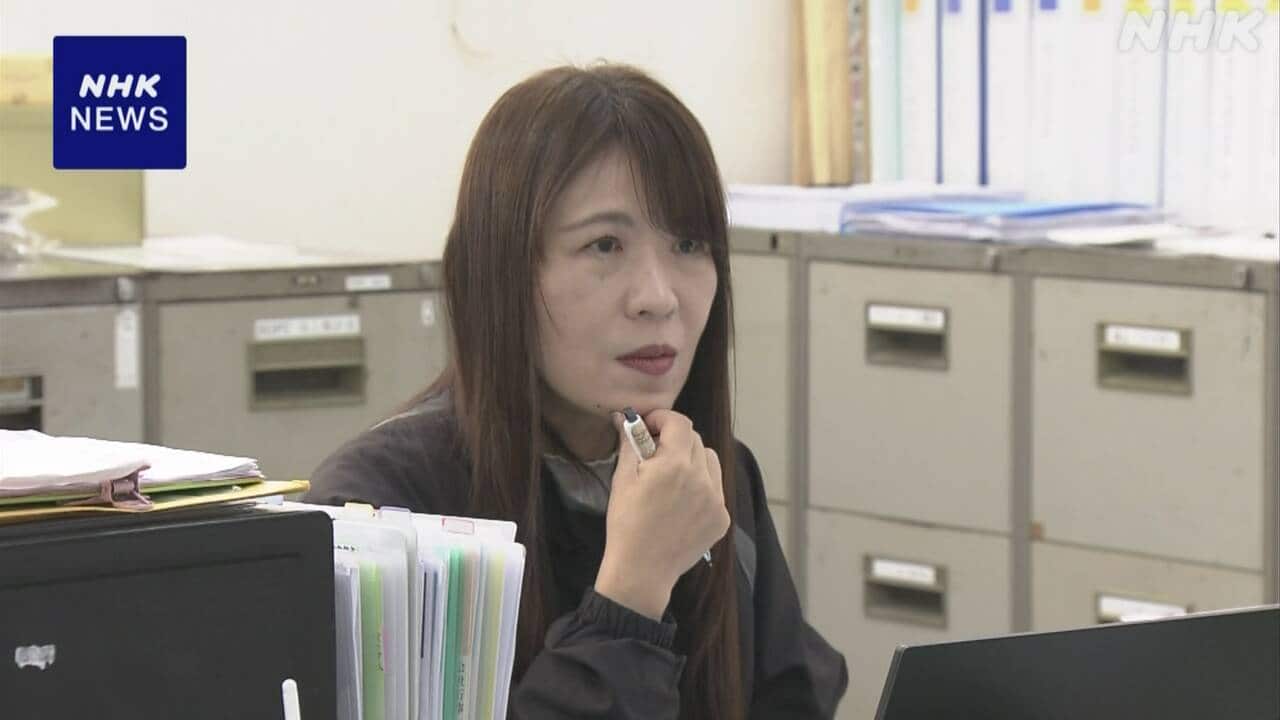
現在、徳永さんは、会社に6つある工場のうちの2か所で、電話対応や接客、勤怠管理や日報の集計など事務全般を担う職場の管理職を務め、6人の部下の指導や育成にあたっています。
パート社員だったとき「こうすればもっと効率的にできるのでは」と思っても口に出せなかったという徳永さん。
管理職となり、工場ごとにバラバラだった休暇の届け出などの書式を統一するなど業務の効率化に取り組みました。
会社全体の休暇取得状況が「見える化」され工場間のカバー態勢の構築にもつながったといいます。
さらに、多くの女性に管理職になって活躍してほしいと、後進の育成に力を入れています。
定時の午後5時になると荷物をまとめて帰る支度を始めます。管理職になった今も残業はほとんどしていないといいます。
徳永由香さん「今は見本になるために管理職だからこそ休まないといけないなと思っています。介護と育児が忙しくても仕事と両立できているので、私の背中を見て誰かが一歩踏み出してくれたらいいなと思います」
津曲社長によると、「休みが増えると業務が滞るのでは」と疑問を持つ人もいるといいます。
しかし、休むことを前提にどのように業務を回すか1人1人がきちんと計画を立てるようになったことで、昨年度の時間あたりの売上高=「労働生産性」は、2019年度と比べて15%向上したということです。
さらに育児や介護と両立できる働きやすさにひかれて、管理職の求人に県外から応募する男性も出てきたといいます。
津曲慎哉 社長「女性が活躍できる職場というのは、男性にも優しい職場ですしベテランが長く働いて元気に活躍している姿を若手が見るとキャリアのビジョンを描きやすくなります。これからも常識にとらわれないでいろんな制度や工夫を知恵で編み出して自分たちらしい会社にできればいいなと思います」
厚生労働省によりますと日本の男女間の賃金格差は、おととしの調査で男性を100としたとき女性が75.8となっていて、長期的に見ると縮小傾向ですがほかの先進国と比べて依然として大きいという課題があります。
厚生労働省の調査では、全国の従業員10人以上の企業で、課長級以上の管理職に占める女性の割合は、おととし10月の時点で13.1%です。
こうした課題の解決に向けて当初、3月末までだった女性活躍推進法が10年延長され、4月1日に改正法が施行されます。
このなかで、男女の賃金格差の公表義務が、これまでの従業員301人以上の企業から101人以上に拡大し、女性管理職比率の公表が従業員101人以上の企業に対して新たに義務づけられます。
また、改正法には「働く女性の活躍推進は女性の健康上の特性に配慮して行われるべきだ」と明記されました。
それを踏まえて企業向けの指針には、生理休暇を取りやすい職場づくりや、治療や検診などさまざまな目的で取得できる休暇制度の整備などが望ましい例として示されています。
働く男女の格差を明らかにすることで、企業に改善を促し、女性の待遇改善につなげられるか注目されます。
国の調査では企業における女性管理職の割合は13%にとどまりますが、その割合を32%にまで高めた会社が宮崎県にあります。
当初、この会社は人手不足に悩まされていたといいますが、有給休暇の取得といった「しっかり休む」ことを昇進の条件にしたことで、結果として女性の管理職登用が進んだというのです。
宮崎県に本社がある「えびの電子工業」は、大手メーカーから受注して自動車部品や電子部品を製造しています。従業員は567人。かつては長時間労働が負担となり退職する社員が少なくなかったといいます。
当時を知る男性管理職は、有給休暇を全く取らず、時には日付が変わるまで残業をこなしていたと振り返ります。
「きつかったです。当時は遅くまで働いて長く残っている人が評価される会社でした。近所の人が子どもに『お父さんは何をしているの?』と聞くと、『会社』って言うんですよ。それが寂しくて、家族と遊べないのが一番つらかったです」
父親が創業した会社に入社し、専務に就任した2017年。働き手を呼び込もうと参加した就職説明会での光景が忘れられないといいます。
津曲慎哉 社長「何十社も集まる就職説明会に参加しましたが私のところには誰も来ない、来訪者がゼロということがよくありました。誰も来てくれなかったので、自治体のPRキャラクターがかわいそうにと思ってか来てくれたりして。それが、人材育成や働き方改革に大きくかじを切ろうと思ったきっかけですね」
すると、男性の1か月あたりの残業時間は平均で29時間ほどでしたが、中には上限ぎりぎりの80時間近くまで働く人が少なくなかったのです。有給休暇の取得率も男性は平均で26%にとどまっていました。
当時、津曲さんは、パート社員の女性に「正社員になって」と声をかけましたが断られていたということです。
管理職の8割以上が男性で、その“猛烈な働き方”を見ていた若い女性の多くが「男性のように長時間働くのが難しい」と考え、正社員を避けてパート勤務を選択していたことがわかったのです。
津曲慎哉 社長「歯を食いしばって頑張っている社員を見ると『やっぱり私には難しい』と思ってキャリアを諦めざるをえない女性が結構いました。うちの場合は人手不足が始まっていたのでもうどうしたらいいんだろうと途方に暮れていました」
なんとかして現状を変えなければ… 津曲さんは2019年から働き方改革に本腰を入れます。
導入した最初の年は「残業MAXを継続していない」「振替を含め適切に休めている」ことを明記しました。
その後、具体的な数値目標を掲げることにし、2021年には「残業は月平均30時間未満」または「有給休暇は年10日以上」といった項目を管理職の昇進の条件として示したのです。
津曲慎哉 社長「能力はあるけれど家庭の事情で無理ができない。そういった人を出世させないのはおかしいじゃないですか。休みながらでも成果を出した人をより高く評価したいと思いました」
制度を導入した当初、社員の中には「本当に休んで良いのか」と戸惑う人が多くなかなか休みをとる意識が広がらなかったといいます。
そこで、意識的に休みをとってもらおうと津曲さんは年間カレンダーを使いあらかじめ毎月1日、有給休暇の取得推奨日を示すことにしました。
あわせて業務の偏りを減らすため、1人が複数の業務を担う「多能工化」を進め、誰か1人が休んでもチームでカバーする態勢を築きました。
働きやすい環境が整ったことで、子育てや介護と両立しながら働く女性の中から、正社員、そして管理職を目指す人が出てきたのです。
会社の女性管理職の割合は、働き方改革を始めた2019年度は11%でしたが、昨年度には32%まで増えました。
徳永さんは、子育てのため1日5時間ほど働くパート社員として17年前の2009年に入社。
子育てが落ち着いた後は、夫の親を介護していたため、「長時間労働が前提の正社員にはなれない」と打診を断っていたといいます。
しかし、新たな制度が導入され社内で休みやすい環境が整ったことで、「これなら自分でも働ける」と挑戦する意欲がわき、2020年に正社員に、翌年には管理職に登用されました。
徳永由香さん「管理職にと声がかかったときには本当に私で良いのかというのが第一印象でしたが、上司が評価してくれることはすごくうれしいし、チャレンジしたいという気持ちになりました。管理職になると仕組みを作る側になれるので、部下とも話しながら本当に働きやすい環境ができればいいかなと思って挑戦しました」
現在、徳永さんは、会社に6つある工場のうちの2か所で、電話対応や接客、勤怠管理や日報の集計など事務全般を担う職場の管理職を務め、6人の部下の指導や育成にあたっています。
パート社員だったとき「こうすればもっと効率的にできるのでは」と思っても口に出せなかったという徳永さん。
管理職となり、工場ごとにバラバラだった休暇の届け出などの書式を統一するなど業務の効率化に取り組みました。
会社全体の休暇取得状況が「見える化」され工場間のカバー態勢の構築にもつながったといいます。
さらに、多くの女性に管理職になって活躍してほしいと、後進の育成に力を入れています。
定時の午後5時になると荷物をまとめて帰る支度を始めます。管理職になった今も残業はほとんどしていないといいます。
徳永由香さん「今は見本になるために管理職だからこそ休まないといけないなと思っています。介護と育児が忙しくても仕事と両立できているので、私の背中を見て誰かが一歩踏み出してくれたらいいなと思います」
津曲社長によると、「休みが増えると業務が滞るのでは」と疑問を持つ人もいるといいます。
しかし、休むことを前提にどのように業務を回すか1人1人がきちんと計画を立てるようになったことで、昨年度の時間あたりの売上高=「労働生産性」は、2019年度と比べて15%向上したということです。
さらに育児や介護と両立できる働きやすさにひかれて、管理職の求人に県外から応募する男性も出てきたといいます。
津曲慎哉 社長「女性が活躍できる職場というのは、男性にも優しい職場ですしベテランが長く働いて元気に活躍している姿を若手が見るとキャリアのビジョンを描きやすくなります。これからも常識にとらわれないでいろんな制度や工夫を知恵で編み出して自分たちらしい会社にできればいいなと思います」
Vocabulary
General
Proper noun
JLPT N2
JLPT N1
| # | 言葉 | 意味 |
|---|---|---|
| 20 | 管理職 | かんりしょく (管理職) : management; managerial position; administrative post; person in a managerial position |
| 8 | 働く | はたらく (働く) : 1. to work; to labor; to labour 2. to function; to operate; to be effective; to work (i.e. ... works); to come into play |
| 8 | 津曲 | つがね (津曲) : Tsugane (surname) |
| 6 | 企業 | きぎょう (企業) : enterprise; business; company; corporation |
| 5 | 有給休暇 | ゆうきゅうきゅうか (有給休暇) : paid vacation; leave |
| 5 | 正社員 | せいしゃいん (正社員) : regular employee; permanent employee; full-time employee |
| 5 | 業務 | ぎょうむ (業務) : business; affairs; duties; work; procedure; task; action; function; (business) operations; operational |
| 5 | 徳永 | とくえい (徳永) : Tokuei (surname; given) |
| 4 | 男女 | だんじょ (男女) : men and women; man and woman; both sexes; both genders |
| 4 | 従業員 | じゅうぎょういん (従業員) : employee; worker |
| 4 | 活躍 | かつやく (活躍) : 1. activity (esp. energetic); great efforts; conspicuous service 2. to flourish; to participate actively; to play an active role |
| 4 | 職場 | しょくば (職場) : one's post; place of work; workplace |
| 4 | 残業 | ざんぎょう (残業) : overtime (work) |
| 4 | 慎哉 | しんや (慎哉) : Shin'ya (given) |
| 4 | 介護 | かいご (介護) : nursing; care; caregiving; caring |
| 3 | 女性 | じょせい (女性) : 1. woman; female 2. feminine gender |
| 3 | 改正 | かいせい (改正) : revision; amendment; alteration |
| 3 | 賃金格差 | ちんぎんかくさ (賃金格差) : wage differential |
| 3 | 公表 | こうひょう (公表) : official announcement; proclamation |
| 3 | 義務 | ぎむ (義務) : duty; obligation; responsibility |
| 3 | 宮崎県 | みやざきけん (宮崎県) : Miyazaki prefecture (Kyushu) |
| 3 | 調査 | ちょうさ (調査) : investigation; examination; inquiry; enquiry; survey |
| 3 | 当初 | とうしょ (当初) : 1. beginning; start; outset 2. at first; at the beginning; initially; originally |
| 3 | 取得 | とりえ (取り柄) : worth; merit; value; good point; redeeming feature; saving grace |
| 3 | 示す | しめす (示す) : 1. to (take out and) show; to demonstrate; to tell; to exemplify; to make apparent 2. to point out (finger, clock hand, needle, etc.) |
| 3 | 社員 | しゃいん (社員) : 1. company employee 2. member of a corporation; company stockholder (esp. in legal contexts) |
| 3 | 当時 | とうじ (当時) : at that time; in those days |
| 3 | 評価 | ひょうか (評価) : 1. valuation; appraisal; evaluation; assessment; estimation; rating; judging 2. appreciation; recognition; acknowledgement; rating highly; praising |
| 3 | 導入 | どうにゅう (導入) : introduction; bringing in; leading in; installation |
| 3 | 制度 | せいど (制度) : system; institution; organization; organisation |
| 3 | 本当 | ほんとう (本当) : 1. truth; reality; actuality; fact 2. proper; right; correct; official |
| 3 | 休む | やすむ (休む) : 1. to be absent; to take a day off 2. to rest; to have a break |
| 3 | 環境 | かんきょう (環境) : environment; circumstance |
| 3 | 子育て | こそだて (子育て) : child rearing; child raising; raising children; parenting |
| 3 | 両立 | りょうりつ (両立) : compatibility; coexistence; standing together |
| 2 | 待遇改善 | たいぐうかいぜん (待遇改善) : improvement of labor conditions (labour) |
| 2 | つなげる | つなげる (繋げる) : 1. to connect 2. to tie; to fasten |
| 2 | 施行 | しこう (施行) : 1. execution; enforcing; carrying out 2. giving alms; giving food to the poor or monks |
| 2 | 比率 | ひりつ (比率) : ratio; proportion; percentage |
| 2 | 拡大 | かくだい (拡大) : magnification; enlargement; expansion; amplification |
| 2 | 働き方 | はたらきかた (働き方) : work style; way of working |
| 2 | 高める | たかめる (高める) : to raise; to lift; to boost; to enhance |
| 2 | 意識 | いしき (意識) : 1. consciousness 2. becoming aware (of); awareness; sense |
| 2 | 広がる | ひろがる (広がる) : to spread (out); to extend; to stretch; to reach to; to get around; to fill (e.g. a space) |
| 2 | 工夫 | くふう (工夫) : 1. devising (a way); contriving; figuring out; coming up with; working out; inventing 2. device; design; idea; plan; invention |
| 2 | 厚生労働省 | こうせいろうどうしょう (厚生労働省) : Ministry of Health, Labour and Welfare |
| 2 | 比べる | くらべる (比べる) : 1. to compare; to make a comparison 2. to compete; to vie |
| 2 | 課題 | かだい (課題) : 1. subject; theme; issue; matter 2. homework; assignment |
| 2 | 法 | ほう (法) : 1. law; act; principle 2. method |
| 2 | 新た | あらた (新た) : new; fresh; novel |
| 2 | 明記 | めいき (明記) : clear writing; specification |
| 2 | 取る | とる (取る) : 1. to take; to pick up; to grab; to catch 2. to pass; to hand; to give |
| 2 | とどまる | とどまる (止まる) : 1. to remain; to abide; to stay (in the one place) 2. to be limited to; to be confined to; to only account for |
| 2 | 人手不足 | ひとでぶそく (人手不足) : labour shortage; labor shortage; shortage of workers; shortage of hands |
| 2 | 昇進 | しょうしん (昇進) : promotion; advancement; rising in rank |
| 2 | 条件 | じょうけん (条件) : condition; term; requirement; qualification; prerequisite |
| 2 | 登用 | とうよう (登用) : appointment; assignment; promotion |
| 2 | 長時間労働 | ちょうじかんろうどう (長時間労働) : long working hours |
| 2 | 入社 | にゅうしゃ (入社) : joining a company; getting a job with a company; entering a company |
| 2 | 参加 | さんか (参加) : participation; joining; entry; adherence |
| 2 | 就職 | しゅうしょく (就職) : finding employment; getting a job |
| 2 | 説明会 | せつめいかい (説明会) : information session; briefing; explanatory meeting |
| 2 | あたり | あたり (当たり) : 1. hit 2. success |
| 2 | 平均 | へいきん (平均) : 1. average; mean 2. balance; equilibrium |
| 2 | 断る | ことわる (断る) : 1. to refuse; to reject; to dismiss; to turn down; to decline 2. to inform; to give notice; to tell in advance |
| 2 | 入れる | いれる (入れる) : 1. to put in; to let in; to take in; to bring in; to insert; to install (e.g. software); to set (a jewel, etc.); to ink in (e.g. tattoo) 2. to admit; to accept; to employ; to hire |
| 2 | 担う | になう (担う) : 1. to carry on one's shoulder; to shoulder; to bear 2. to bear (burden, responsibility, etc.); to take upon oneself |
| 2 | 態勢 | たいせい (態勢) : attitude; posture; preparedness; readiness |
| 2 | 整う | ととのう (整う) : 1. to be ready; to be prepared; to be arranged 2. to be in order; to be put in order; to be well-ordered; to be well-proportioned; to be harmonious |
| 2 | 年度 | ねんど (年度) : 1. fiscal year (usu. April 1 to March 31 in Japan); financial year 2. academic year; school year |
| 2 | 昨年度 | さくねんど (昨年度) : previous year (fiscal, academic, etc.) |
| 2 | 前提 | ぜんてい (前提) : 1. condition; assumption; prerequisite; hypothesis 2. intention; intent; aim; goal |
| 2 | 挑戦 | ちょうせん (挑戦) : challenge; defiance; dare; attempt; try |
| 2 | 由香 | ゆうか (由香) : Yuuka (fem) |
| 2 | 部下 | ぶか (部下) : subordinate person |
| 2 | 育成 | いくせい (育成) : rearing; training; nurture; cultivation; promotion |
| 2 | 休暇 | きゅうか (休暇) : holiday; day off; furlough; absence (from work) |
| 2 | 育児 | いくじ (育児) : childcare; child-rearing; nursing; upbringing |
| 1 | 抜本的 | ばっぽんてき (抜本的) : drastic; radical |
| 1 | 見直す | みなおす (見直す) : 1. to look at again 2. to re-examine (policy, estimate, plan, etc.); to review |
| 1 | 悩み | なやみ (悩み) : trouble; troubles; worry; distress; sorrows; anguish; agony; problem |
| 1 | 直面 | ちょくめん (直面) : 1. confrontation 2. to face; to confront; to encounter |
| 1 | 社会部 | しゃかいぶ (社会部) : local news section; the city desk |
| 1 | 平井 | ひらい (平井) : Hirai (place; surname) |
| 1 | 千裕 | ちひろ (千裕) : Chihiro (masc; fem) |
| 1 | 長期的 | ちょうきてき (長期的) : long-term |
| 1 | 縮小 | しゅくしょう (縮小) : reduction; curtailment |
| 1 | 傾向 | けいこう (傾向) : tendency; trend; inclination |
| 1 | 先進国 | せんしんこく (先進国) : advanced (developed) country; advanced nations |
| 1 | 依然 | いぜん (依然) : still; as yet; as it has been |
| 1 | 全国 | ぜんこく (全国) : the whole country |
| 1 | 級 | きゅう (級) : 1. class (e.g. school); grade; rank 2. kyū; kyu; junior rank in martial arts, go, shogi, etc. |
| 1 | 占める | しめる (占める) : 1. to occupy; to hold 2. to account for; to make up; to take up |
| 1 | 時点 | じてん (時点) : point in time; occasion |
| 1 | 解決 | かいけつ (解決) : settlement; solution; resolution |
| 1 | 末 | うら (末) : top end; tip |
| 1 | 延長 | えんちょう (延長) : 1. extension; elongation; prolongation; lengthening 2. Enchō era (923.4.11-931.4.26) |
| 1 | 推進 | すいしん (推進) : 1. propulsion; drive 2. promotion (e.g. of a government policy); furtherance; implementation |
| 1 | 健康 | けんこう (健康) : 1. health 2. healthy; sound; fit; wholesome |
| 1 | 特性 | とくせい (特性) : special characteristic; special quality; trait; idiosyncrasy; peculiarity |
| 1 | 配慮 | はいりょ (配慮) : consideration; concern; attention; thoughtfulness; making arrangements; care; trouble |
| 1 | 踏まえる | ふまえる (踏まえる) : 1. to be based on; to take into account; to build upon; to have origin in 2. to have one's feet firmly planted on; to plant oneself on |
| 1 | 指針 | ししん (指針) : 1. needle (compass, gauge, etc.); hand (clock); indicator; pointer; index 2. guiding principle; guideline; guide |
| 1 | 生理休暇 | せいりきゅうか (生理休暇) : menstrual leave |
| 1 | づくり | づくり (作り) : 1. making; forming; cultivating; growing 2. form; appearance |
| 1 | 治療 | ちりょう (治療) : (medical) treatment; care; therapy; cure; remedy |
| 1 | 検診 | けんしん (検診) : physical examination; medical examination; health checkup; health screening |
| 1 | 目的 | もくてき (目的) : purpose; goal; aim; objective; intention |
| 1 | 整備 | せいび (整備) : 1. maintenance; servicing 2. putting in place; establishment; development; preparation; provision; outfitting |
| 1 | 望ましい | のぞましい (望ましい) : desirable; hoped for; preferable; advisable |
| 1 | 例 | れい (例) : 1. custom; practice; habit; usual 2. said; aforementioned |
| 1 | 格差 | かくさ (格差) : qualitative difference; disparity; gap |
| 1 | 明らか | あきらか (明らか) : 1. clear; obvious; evident; plain; definite 2. bright; light |
| 1 | 改善 | かいぜん (改善) : 1. betterment; improvement 2. kaizen (Japanese business philosophy of continuous improvement) |
| 1 | 促す | うながす (促す) : 1. to urge; to encourage; to press; to prompt; to draw (attention to) 2. to stimulate (e.g. growth); to hasten (e.g. development); to quicken; to accelerate; to promote |
| 1 | 注目 | ちゅうもく (注目) : notice; attention; observation |
| 1 | 悩ます | なやます (悩ます) : to afflict; to torment; to harass; to molest |
| 1 | 結果 | けっか (結果) : 1. result; consequence; outcome; effect 2. coming to fruition; bearing fruit |
| 1 | 進む | すすむ (進む) : 1. to advance; to go forward 2. to precede; to go ahead (of) |
| 1 | 本社 | ほんしゃ (本社) : 1. head office; main office; headquarters; parent company 2. main shrine |
| 1 | えび | ぶどう (葡萄) : grape; grapevine |
| 1 | 電子 | でんし (電子) : 1. electron 2. electronic |
| 1 | 大手 | おおて (大手) : 1. major company; big company 2. front castle gate |
| 1 | 受注 | じゅちゅう (受注) : accepting an order; receiving an order; orders received |
| 1 | 自動車部品 | じどうしゃぶひん (自動車部品) : automobile component; automobile part |
| 1 | 電子部品 | でんしぶひん (電子部品) : electronic parts (components) |
| 1 | 製造 | せいぞう (製造) : manufacture; production |
| 1 | かつて | かつて (嘗て) : 1. once; before; formerly; ever; former; ex- 2. never yet; never before; first time; still not happened |
| 1 | 負担 | ふたん (負担) : 1. burden; load; responsibility 2. bearing (a cost, responsibility, etc.); shouldering |
| 1 | 退職 | たいしょく (退職) : retirement; resignation |
| 1 | 全く | まったく (全く) : 1. really; truly; entirely; completely; wholly; perfectly 2. indeed |
| 1 | 日付 | ひづけ (日付) : date; dating |
| 1 | 振り返る | ふりかえる (振り返る) : 1. to turn one's head; to look over one's shoulder; to turn around; to look back 2. to think back (on); to reminisce; to look back (on); to reflect (on) |
| 1 | 遅く | おそく (遅く) : 1. late 2. slowly |
| 1 | 残る | のこる (残る) : to remain; to be left |
| 1 | 子ども | こども (子供) : child |
| 1 | って | って : 1. you said; he said; she said; they said 2. if ... then |
| 1 | 一番 | いちばん (一番) : 1. number one; first; first place 2. best; most |
| 1 | 父親 | ちちおや (父親) : father |
| 1 | 創業 | そうぎょう (創業) : establishment (of a business); founding |
| 1 | 専務 | せんむ (専務) : 1. special duty; being in sole charge of a duty 2. senior managing director; executive director |
| 1 | 就任 | しゅうにん (就任) : assumption (of office); taking up (a post); inauguration; installation |
| 1 | 働き手 | はたらきて (働き手) : 1. worker; breadwinner; supporter 2. able person; able man; productive worker |
| 1 | 呼び込む | よびこむ (呼び込む) : to call in; to invite; to bring in |
| 1 | 光景 | こうけい (光景) : scene; spectacle; sight; view |
| 1 | 集まる | あつまる (集まる) : to gather; to collect; to assemble |
| 1 | 来訪者 | らいほうしゃ (来訪者) : visitor; caller |
| 1 | 自治体 | じちたい (自治体) : municipality; local government; self-governing body; autonomous body |
| 1 | かわいそう | かわいそう (可哀想) : poor; pitiable; pathetic; pitiful |
| 1 | 人材育成 | じんざいいくせい (人材育成) : cultivation of human resources; development of human resources; fostering of human resources; human resource cultivation; human resource development; nurturing of human resources; personnel training; training of personnel |
| 1 | 大きく | おおきく (大きく) : in a big way; on a grand scale |
| 1 | きっかけ | きっかけ (切っ掛け) : chance; start; cue; excuse; motive; impetus; occasion |
| 1 | 上限 | じょうげん (上限) : 1. upper limit 2. supremum |
| 1 | ぎりぎり | ぎりぎり (限り限り) : just barely; only just; at the very limit; at the last moment |
| 1 | 割 | わり (割り) : 1. rate; ratio; proportion; percentage 2. profit |
| 1 | 猛烈 | もうれつ (猛烈) : fierce; intense; severe; violent; strong; vehement; terrific; terrible |
| 1 | 長時間 | ちょうじかん (長時間) : long time |
| 1 | 考える | かんがえる (考える) : 1. to think (about, of); to think over; to ponder; to contemplate; to reflect (on); to meditate (on) 2. to consider; to bear in mind; to allow for; to take into consideration |
| 1 | 避ける | さける (避ける) : 1. to avoid (physical contact with) 2. to avoid (situation) |
| 1 | 選択 | せんたく (選択) : selection; choice; option |
| 1 | わかる | わかる (分かる) : 1. to understand; to comprehend; to grasp; to see; to get; to follow 2. to become clear; to be known; to be discovered; to be realized; to be realised; to be found out |
| 1 | 食いしばる | くいしばる (食いしばる) : to set one's teeth; to clench one's teeth; to grit one's teeth |
| 1 | 頑張る | がんばる (頑張る) : 1. to persevere; to persist; to keep at it; to hang on; to hold out; to do one's best 2. to insist that; to stick to (one's opinion) |
| 1 | 諦める | あきらめる (諦める) : to give up; to abandon (hope, plans); to resign oneself (to) |
| 1 | 始まる | はじまる (始まる) : 1. to begin; to start; to commence 2. to happen (again); to begin (anew) |
| 1 | 途方 | とほう (途方) : way; destination; reason |
| 1 | 暮れる | くれる (暮れる) : 1. to get dark; to grow dark 2. to end (of a day, year, season, etc.); to come to an end; to close |
| 1 | 現状 | げんじょう (現状) : present condition; existing state; status quo; current state |
| 1 | 変える | かえる (変える) : 1. to change; to alter; to transform; to convert; to turn; to vary 2. to reform; to revise; to amend |
| 1 | 本腰 | ほんごし (本腰) : strenuous effort; earnestness; seriousness |
| 1 | 継続 | けいぞく (継続) : continuation |
| 1 | 振替 | ふりかえ (振替) : 1. transfer; switching over; change 2. money transfer (usu. between accounts held by the same person) |
| 1 | 含める | ふくめる (含める) : 1. to include (in a group or scope) 2. to instruct; to make one understand |
| 1 | 適切 | てきせつ (適切) : appropriate; suitable; fitting; apt; proper; right; pertinent; relevant |
| 1 | 休める | やすめる (休める) : to rest; to suspend; to give relief |
| 1 | 具体的 | ぐたいてき (具体的) : concrete; definite; specific; material; substantial |
| 1 | 数値目標 | すうちもくひょう (数値目標) : target value; target amount |
| 1 | 掲げる | かかげる (掲げる) : 1. to put up (a notice, sign, etc.); to hang out (e.g. a banner); to fly (e.g. a flag); to hoist; to raise; to display 2. to hold up high; to raise overhead |
| 1 | 月平均 | つきへいきん (月平均) : monthly mean; monthly average |
| 1 | 未満 | みまん (未満) : less than; under; below |
| 1 | 項目 | こうもく (項目) : 1. item; heading; category; clause 2. headword (in a dictionary, encyclopedia, etc.); entry |
| 1 | 能力 | のうりょく (能力) : ability; faculty |
| 1 | 事情 | じじょう (事情) : circumstances; conditions; situation; reasons; state of affairs |
| 1 | 出世 | しゅっせ (出世) : success in life; getting ahead; successful career; promotion; climbing the corporate ladder; eminence |
| 1 | 成果 | せいか (成果) : (good) result; outcome; fruits (of one's labors); product; accomplishment |
| 1 | 戸惑う | とまどう (戸惑う) : to be bewildered; to be perplexed |
| 1 | 意識的 | いしきてき (意識的) : conscious; deliberate; intentional |
| 1 | 年間 | ねんかん (年間) : 1. (period of) a year 2. during an era |
| 1 | あらかじめ | あらかじめ (予め) : beforehand; in advance; previously |
| 1 | 推奨 | すいしょう (推奨) : recommendation; endorsement |
| 1 | あわせる | あわせる (会わせる) : 1. to make (someone) to meet; to let (someone) meet 2. to expose to; to subject to |
| 1 | 偏り | かたより (偏り) : 1. deviation; inclination; offset; bias; prejudice 2. polarization; polarisation |
| 1 | 減らす | へらす (減らす) : to abate; to decrease; to diminish; to shorten |
| 1 | 複数 | ふくすう (複数) : plural; multiple; several |
| 1 | 多能工 | たのうこう (多能工) : multi-skilled worker; cross-trained worker |
| 1 | 化 | か (化) : action of making something; -ification |
| 1 | 進める | すすめる (進める) : 1. to advance; to move forward; to put (a clock, watch) forward 2. to carry forward (plans, work, etc.); to proceed with; to make progress in; to further; to advance; to hasten; to speed up |
| 1 | 築く | きずく (築く) : 1. to build; to construct; to erect 2. to amass (e.g. fortune); to pile up |
| 1 | 目指す | めざす (目指す) : 1. to aim at (for, to do, to become); to try for; to have an eye on 2. to go toward; to head for |
| 1 | 増える | ふえる (増える) : to increase; to multiply |
| 1 | 落ち着く | おちつく (落ち着く) : 1. to calm down; to compose oneself; to regain presence of mind 2. to calm down; to settle down; to die down; to become stable; to abate |
| 1 | 打診 | だしん (打診) : 1. percussion; tapping; examining by percussion 2. sounding out (someone's intentions); making an approach (about) |
| 1 | 社内 | しゃない (社内) : 1. within a company; in-house 2. within a shrine; shrine precincts |
| 1 | 意欲 | いよく (意欲) : will; desire; ambition; urge (e.g. creative urge) |
| 1 | わく | わく (枠) : 1. frame; framework 2. border; box |
| 1 | 翌年 | よくねん (翌年) : following year |
| 1 | 第一印象 | だいいちいんしょう (第一印象) : first impression |
| 1 | 上司 | じょうし (上司) : (one's) superior; (one's) boss; the higher-ups |
| 1 | すごく | すごく (凄く) : awfully; very; immensely |
| 1 | 仕組み | しくみ (仕組み) : 1. structure; construction; arrangement; contrivance; mechanism; workings 2. plan; plot; contrivance |
| 1 | 現在 | げんざい (現在) : now; current; present; present time; as of |
| 1 | か所 | かしょ (箇所) : 1. place; point; part; spot; area; passage; portion 2. counter for places, parts, passages, etc. |
| 1 | 対応 | たいおう (対応) : 1. correspondence (to); equivalence 2. suitability; coordination; matching; being appropriate (for) |
| 1 | 接客 | せっきゃく (接客) : serving customers; looking after visitors; reception |
| 1 | 日報 | にっぽう (日報) : daily report |
| 1 | 集計 | しゅうけい (集計) : totalization; totalisation; aggregation; tally (e.g. of votes); adding up; summing up |
| 1 | 事務 | じむ (事務) : office work; clerical work; administration; business; affairs |
| 1 | 全般 | ぜんぱん (全般) : 1. (the) whole 2. as a whole; in general; at large |
| 1 | 務める | つとめる (勤める) : 1. to work (for); to be employed (at); to serve (in) 2. to serve (as); to act (as); to fill (the position of); to play the role (of) |
| 1 | 指導 | しどう (指導) : 1. guidance; leadership; instruction; direction; coaching 2. shido (disciplinary action for a minor infringement of the rules of judo) |
| 1 | あたる | あたる (当たる) : 1. to be hit; to strike 2. to touch; to be in contact; to be affixed |
| 1 | 効率的 | こうりつてき (効率的) : efficient |
| 1 | ごと | ごと (毎) : each; every |
| 1 | 届け出 | とどけで (届け出) : report; notification |
| 1 | 書式 | しょしき (書式) : prescribed form (of writing); format |
| 1 | 統一 | とういつ (統一) : unity; consolidation; uniformity; unification; compatible |
| 1 | 効率化 | こうりつか (効率化) : making efficient; optimization |
| 1 | 取り組む | とりくむ (取り組む) : 1. to grapple with; to wrestle with; to engage in a bout; to be matched against 2. to tackle (e.g. a problem); to come to grips with; to work hard on |
| 1 | 見える化 | みえるか (見える化) : visualization; rendering visible (e.g. a problem); digitization |
| 1 | 構築 | こうちく (構築) : construction; building; putting up; erecting; creation; formulation; architecture (systems, agreement, etc.) |
| 1 | つながる | つながる (繋がる) : 1. to be tied together; to be connected to; to be linked to 2. to lead to; to be related to |
| 1 | 後進 | こうしん (後進) : 1. one's junior; younger generation; next generation 2. moving backwards; backing up; reversing |
| 1 | 定時 | ていじ (定時) : regular time; stated period |
| 1 | まとめる | まとめる (纏める) : 1. to collect; to put (it all) together; to integrate; to consolidate; to unify 2. to summarize; to aggregate |
| 1 | 見本 | みほん (見本) : 1. sample; specimen; pattern 2. model; example |
| 1 | こそ | こそ : 1. it is ... that ...; precisely; in particular; definitely; for sure; only (when, after, because, etc.) 2. although; while; it is the case that ... but |
| 1 | 一歩 | いっぽ (一歩) : 1. (a) step; one step 2. level; stage; step |
| 1 | 踏み出す | ふみだす (踏み出す) : 1. to step forward; to step forth; to advance 2. to start; to embark on; to set forth on; to take steps toward |
| 1 | 滞る | とどこおる (滞る) : 1. to stagnate; to be delayed; to be left undone 2. to be overdue (of a payment); to fall into arrears; to be outstanding |
| 1 | 疑問 | ぎもん (疑問) : doubt; question; suspicion; dubiousness |
| 1 | 回す | まわす (回す) : 1. to turn; to rotate; to spin; to twist; to gyrate 2. to pass around; to send around; to hand around; to circulate |
| 1 | きちんと | きちんと : 1. properly; accurately; exactly; precisely; regularly 2. neatly; tidily; orderly |
| 1 | 売上高 | うりあげだか (売上高) : sales; amount sold; proceeds |
| 1 | 労働生産性 | ろうどうせいさんせい (労働生産性) : labor productivity (labour) |
| 1 | 向上 | こうじょう (向上) : elevation; rise; improvement; advancement; progress |
| 1 | やす | やす (安) : 1. cheap 2. rash; thoughtless; careless; indiscreet; frivolous |
| 1 | ひく | ひく (引く) : 1. to pull; to tug; to lead (e.g. a horse) 2. to draw (attention, sympathy, etc.); to attract (e.g. interest) |
| 1 | 求人 | きゅうじん (求人) : recruiting; job offer; job vacancy |
| 1 | 県外 | けんがい (県外) : outside the prefecture |
| 1 | 応募 | おうぼ (応募) : application; subscription; entry (competition, raffle, etc.); enlistment |
| 1 | 姿 | すがた (姿) : 1. figure; form; shape 2. appearance; dress; guise |
| 1 | 若手 | わかて (若手) : young person |
| 1 | 描く | えがく (描く) : 1. to draw; to paint; to sketch 2. to depict; to describe |
| 1 | やすく | やすく (安く) : inexpensively |
| 1 | 常識 | じょうしき (常識) : common sense; good sense; common knowledge; general knowledge; common practice; accepted practice; social etiquette |
| 1 | とらわれる | とらわれる (捕らわれる) : 1. to be caught; to be captured; to be taken prisoner; to be arrested; to be apprehended 2. to be seized with (fear, etc.); to be a slave to; to stick to; to adhere to; to be swayed by |
| 1 | いろんな | いろんな (色んな) : various |
| 1 | 知恵 | ちえ (知恵) : 1. wisdom; wit; sagacity; sense; intelligence 2. prajna (insight leading to enlightenment) |
| 1 | 編み出す | あみだす (編み出す) : to work out; to think out; to devise; to invent |
| 1 | 自分 | じぶん (自分) : 1. myself; yourself; oneself; himself; herself 2. I; me |
| 1 | たち | やかた (館) : 1. mansion; palace; manor house; castle 2. nobleman; noblewoman; dignitary |