旧統一教会の解散命令 東京高裁 きょう解散命じるかどうか判断
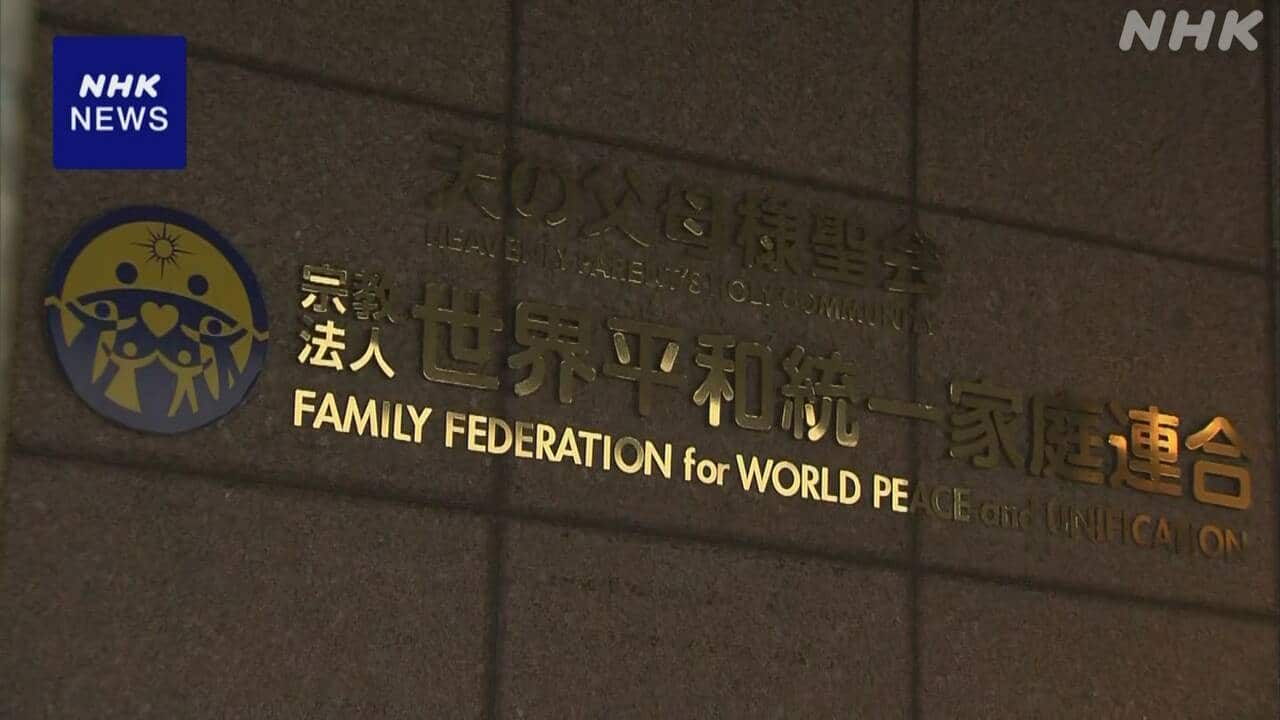
旧統一教会の高額献金や霊感商法の問題をめぐる解散命令の請求について、東京高等裁判所は4日、教団に解散を命じるかどうか判断を示します。東京地裁に続いて再び解散を命じた場合、直ちに効力が生じ、教団の財産の処分など清算の手続きが始まることになるため、判断が注目されます。
旧統一教会=世界平和統一家庭連合の高額献金や霊感商法などをめぐる問題で、文部科学省は3年前、教団に対する解散命令を請求し、東京地裁は去年3月、「1500人を超える人にあわせて204億円の被害を生じさせた。教団に事態の改善を期待するのは困難だ」として、解散を命じる決定をしました。
教団側は、解散命令の要件の「法令に違反して、著しく公共の福祉を害すると明らかに認められる行為」には当たらないとして即時抗告し、東京高裁の審理では、「集団調停への対応など努力を続けていて、解散命令の必要性はない」と主張しました。
東京地裁に続いて教団に解散を命じた場合、法律の規定により直ちに解散命令の効力が生じ、裁判所が選ぶ「清算人」が、教団の財産の処分や被害者への弁済などの清算の手続きを始めることになります。
安倍元総理大臣の銃撃事件をきっかけに浮き彫りになった高額献金などの問題について、教団側の反論も踏まえて東京高裁がどのように判断するか注目されます。
4年前の2022年7月、安倍元総理大臣が銃撃された事件をきっかけに、旧統一教会の高額献金や霊感商法の被害を訴える声が相次ぎました。
文部科学省は当時の岸田総理大臣の指示で教団に対して「質問権」を7回行使し、組織運営や財産・収支、それに献金の問題などを調べ、3年前、東京地方裁判所に解散命令を請求しました。
教団側は、「献金は宗教活動の一環だ」と主張し、全面的に争いましたが、去年3月、東京地方裁判所は、「膨大な規模の被害が生じ、現在も見過ごせない状況が続いている。教団は根本的な対策を講じず、不十分な対応に終始した」などとして、教団に解散を命じる決定を出しました。
教団側は不服として即時抗告し、東京高等裁判所で審理が行われ、教団の職員の証人尋問なども行われました。
教団は、高裁の判断が迫る中、去年10月以降、元信者などの集団調停に応じたり、弁護士など第三者で作る補償委員会を立ち上げて返金に応じたりするなど、対応を変化させ、「被害回復を進めていて、解散の必要はない」と訴えてきました。
教団の本部がある韓国では去年9月、教団トップのハン・ハクチャ総裁が政治資金法違反の罪で逮捕され、その後起訴されました。
去年12月には日本の教団のトップを務めていた田中富広氏が「解散命令をめぐる審理に一定の区切りがついた」などとして辞任し、2世信者が初めて会長に就いて体制が変わりました。
安倍元総理大臣を殺害した山上徹也被告の裁判も開かれ、ことし1月に、無期懲役の判決が言い渡され、被告側が控訴しています。
旧統一教会=世界平和統一家庭連合の高額献金や霊感商法などをめぐる問題で、文部科学省は3年前、教団に対する解散命令を請求し、東京地裁は去年3月、「1500人を超える人にあわせて204億円の被害を生じさせた。教団に事態の改善を期待するのは困難だ」として、解散を命じる決定をしました。
教団側は、解散命令の要件の「法令に違反して、著しく公共の福祉を害すると明らかに認められる行為」には当たらないとして即時抗告し、東京高裁の審理では、「集団調停への対応など努力を続けていて、解散命令の必要性はない」と主張しました。
東京地裁に続いて教団に解散を命じた場合、法律の規定により直ちに解散命令の効力が生じ、裁判所が選ぶ「清算人」が、教団の財産の処分や被害者への弁済などの清算の手続きを始めることになります。
安倍元総理大臣の銃撃事件をきっかけに浮き彫りになった高額献金などの問題について、教団側の反論も踏まえて東京高裁がどのように判断するか注目されます。
4年前の2022年7月、安倍元総理大臣が銃撃された事件をきっかけに、旧統一教会の高額献金や霊感商法の被害を訴える声が相次ぎました。
文部科学省は当時の岸田総理大臣の指示で教団に対して「質問権」を7回行使し、組織運営や財産・収支、それに献金の問題などを調べ、3年前、東京地方裁判所に解散命令を請求しました。
教団側は、「献金は宗教活動の一環だ」と主張し、全面的に争いましたが、去年3月、東京地方裁判所は、「膨大な規模の被害が生じ、現在も見過ごせない状況が続いている。教団は根本的な対策を講じず、不十分な対応に終始した」などとして、教団に解散を命じる決定を出しました。
教団側は不服として即時抗告し、東京高等裁判所で審理が行われ、教団の職員の証人尋問なども行われました。
教団は、高裁の判断が迫る中、去年10月以降、元信者などの集団調停に応じたり、弁護士など第三者で作る補償委員会を立ち上げて返金に応じたりするなど、対応を変化させ、「被害回復を進めていて、解散の必要はない」と訴えてきました。
教団の本部がある韓国では去年9月、教団トップのハン・ハクチャ総裁が政治資金法違反の罪で逮捕され、その後起訴されました。
去年12月には日本の教団のトップを務めていた田中富広氏が「解散命令をめぐる審理に一定の区切りがついた」などとして辞任し、2世信者が初めて会長に就いて体制が変わりました。
安倍元総理大臣を殺害した山上徹也被告の裁判も開かれ、ことし1月に、無期懲役の判決が言い渡され、被告側が控訴しています。
Vocabulary
General
Proper noun
JLPT N2
JLPT N1
| # | 言葉 | 意味 |
|---|---|---|
| 18 | 教団 | きょうだん (教団) : religious organization; religious organisation |
| 13 | 解散 | かいさん (解散) : 1. breaking up (e.g. meeting); dispersing (e.g. crowd) 2. dissolving (company, organization, etc.); liquidating; disbanding |
| 7 | 命令 | めいれい (命令) : 1. order; command; decree; directive 2. (software) instruction; statement |
| 7 | 東京 | とうきょう (東京) : Tokyo |
| 6 | 献金 | けんきん (献金) : donation; contribution; offering |
| 4 | 高額 | こうがく (高額) : large sum (money) |
| 4 | 判断 | はんだん (判断) : 1. judgment; judgement; decision; conclusion; adjudication 2. divination |
| 4 | 生ずる | しょうずる (生ずる) : 1. to produce; to yield; to cause 2. to result from; to arise; to be generated |
| 4 | 被害 | ひがい (被害) : (suffering) damage; injury; harm |
| 3 | 旧 | きゅう (旧) : 1. old; former; ex- 2. the old; old things; old customs |
| 3 | 統一教会 | とういつきょうかい (統一教会) : Unification Church (religious movement started by Reverend Sun Myung Moon) |
| 3 | 霊感商法 | れいかんしょうほう (霊感商法) : fraudulent business of selling goods by claiming they will bring supernatural benefits |
| 3 | めぐる | めぐる (巡る) : 1. to go around 2. to return |
| 3 | 請求 | せいきゅう (請求) : claim; demand; charge; application; request; billing (for a service) |
| 3 | 命じる | めいじる (命じる) : 1. to order; to command 2. to appoint |
| 3 | 地裁 | ちさい (地裁) : district court |
| 3 | 財産 | ざいさん (財産) : property; fortune; assets |
| 3 | 審理 | しんり (審理) : trial |
| 3 | 対応 | たいおう (対応) : 1. correspondence (to); equivalence 2. suitability; coordination; matching; being appropriate (for) |
| 3 | 安倍 | あばい (安倍) : Abai (surname) |
| 3 | 大臣 | だいじん (大臣) : cabinet minister |
| 2 | 高等裁判所 | こうとうさいばんしょ (高等裁判所) : High Court |
| 2 | 命ずる | めいずる (命ずる) : 1. to order; to command 2. to appoint |
| 2 | 直ちに | ただちに (直ちに) : 1. at once; immediately; right away; without delay 2. directly (face, lead to, etc.); automatically (mean, result in, etc.) |
| 2 | 効力 | こうりょく (効力) : effect; efficacy; validity; potency |
| 2 | 処分 | しょぶん (処分) : 1. disposal; throwing away; selling off 2. dealing with (a problem); measure |
| 2 | 清算 | せいさん (清算) : 1. settlement (financial); squaring accounts; clearing debts 2. liquidation |
| 2 | 手続き | てつづき (手続き) : procedure; process; proceedings; formalities |
| 2 | 注目 | ちゅうもく (注目) : notice; attention; observation |
| 2 | 文部科学省 | もんぶかがくしょう (文部科学省) : Ministry of Education, Culture, Sports, Science and Technology; MEXT |
| 2 | 決定 | けってい (決定) : decision; determination |
| 2 | 違反 | いはん (違反) : violation; offense; offence; breach; transgression; infringement; contravention |
| 2 | 即時抗告 | そくじこうこく (即時抗告) : immediate appeal; immediate complaint |
| 2 | 東京高裁 | とうきょうこうさい (東京高裁) : Tokyo High Court (organization) |
| 2 | 集団 | しゅうだん (集団) : group; mass |
| 2 | 調停 | ちょうてい (調停) : arbitration; conciliation; mediation |
| 2 | 主張 | しゅちょう (主張) : claim; insistence; assertion; advocacy; emphasis; contention; opinion; tenet |
| 2 | きっかけ | きっかけ (切っ掛け) : chance; start; cue; excuse; motive; impetus; occasion |
| 2 | 訴える | うったえる (訴える) : 1. to raise; to bring to (someone's attention) 2. to appeal to (reason, emotions, etc.); to work on (one's emotions); to play on (one's sympathies) |
| 2 | 地方裁判所 | ちほうさいばんしょ (地方裁判所) : district court; local court |
| 2 | 信者 | しんじゃ (信者) : believer; adherent; devotee |
| 2 | 応ずる | おうずる (応ずる) : 1. to answer; to respond; to meet 2. to satisfy; to accept |
| 2 | 被告 | ひこく (被告) : defendant; the accused |
| 1 | 示す | しめす (示す) : 1. to (take out and) show; to demonstrate; to tell; to exemplify; to make apparent 2. to point out (finger, clock hand, needle, etc.) |
| 1 | 再び | ふたたび (再び) : again; once more; a second time |
| 1 | 世界平和 | せかいへいわ (世界平和) : world peace; peace of the world |
| 1 | 統一 | とういつ (統一) : unity; consolidation; uniformity; unification; compatible |
| 1 | 家庭 | かてい (家庭) : home; family; household |
| 1 | 連合 | れんごう (連合) : 1. union; alliance; combination 2. RENGO (Japanese Trade Union Confederation) |
| 1 | 超える | こえる (越える) : 1. to cross over; to cross; to pass through; to pass over (out of); to go beyond; to go past 2. to exceed; to surpass; to be more (than) |
| 1 | あわせる | あわせる (会わせる) : 1. to make (someone) to meet; to let (someone) meet 2. to expose to; to subject to |
| 1 | 事態 | じたい (事態) : situation; (present) state of affairs; circumstances |
| 1 | 改善 | かいぜん (改善) : 1. betterment; improvement 2. kaizen (Japanese business philosophy of continuous improvement) |
| 1 | 期待 | きたい (期待) : 1. expectation; anticipation; hope 2. promising; rising; up-and-coming |
| 1 | 困難 | こんなん (困難) : 1. difficulty; hardship; trouble; distress 2. infeasibility; inability (to carry out) |
| 1 | 要件 | ようけん (要件) : 1. important matter 2. requirement; requisite; necessary condition; sine qua non |
| 1 | 法令 | ほうれい (法令) : laws and ordinances; acts (of parliament, congress, etc.) |
| 1 | 著しく | いちじるしく (著しく) : considerably; remarkably; strikingly |
| 1 | 公共の福祉 | こうきょうのふくし (公共の福祉) : public welfare |
| 1 | 害する | がいする (害する) : 1. to injure; to damage; to harm; to hurt 2. to kill |
| 1 | 明らか | あきらか (明らか) : 1. clear; obvious; evident; plain; definite 2. bright; light |
| 1 | 認める | したためる (認める) : 1. to write (e.g. a letter); to draw up (a document); to take down (e.g. notes) 2. to have (lunch, dinner, etc.); to eat |
| 1 | 行為 | こうい (行為) : act; deed; conduct |
| 1 | 当たる | あたる (当たる) : 1. to be hit; to strike 2. to touch; to be in contact; to be affixed |
| 1 | 努力 | どりょく (努力) : effort; exertion; endeavour; endeavor; hard work; striving |
| 1 | 必要性 | ひつようせい (必要性) : necessity |
| 1 | 規定 | きてい (規定) : stipulation; prescription; provision; regulation; rule |
| 1 | 裁判所 | さいばんしょ (裁判所) : court; courthouse |
| 1 | 清算人 | せいさんにん (清算人) : adjustor; liquidator |
| 1 | 被害者 | ひがいしゃ (被害者) : victim; injured party; sufferer |
| 1 | 弁済 | べんさい (弁済) : repayment; settlement (of a debt); paying off; reimbursement (of expenses) |
| 1 | 浮き彫り | うきぼり (浮き彫り) : 1. relief; embossed carving 2. bringing to the fore; throwing something into relief |
| 1 | 反論 | はんろん (反論) : objection; refutation; rebuttal; counterargument |
| 1 | 踏まえる | ふまえる (踏まえる) : 1. to be based on; to take into account; to build upon; to have origin in 2. to have one's feet firmly planted on; to plant oneself on |
| 1 | 銃撃 | じゅうげき (銃撃) : shooting; gunning (down) |
| 1 | 事件 | じけん (事件) : event; affair; incident; case; plot; trouble; scandal |
| 1 | 相 | さが (性) : 1. one's nature; one's destiny 2. custom; tradition; habit; convention |
| 1 | 次ぐ | つぐ (次ぐ) : to rank next to; to come after |
| 1 | 当時 | とうじ (当時) : at that time; in those days |
| 1 | 岸田 | きした (岸田) : Kishita (surname) |
| 1 | 総理大臣 | そうりだいじん (総理大臣) : prime minister (as the head of a cabinet government); premier |
| 1 | 指示 | しじ (指示) : 1. indication; denotation; designation 2. instructions; directions |
| 1 | 権 | けん (権) : 1. right (to do something) 2. authority; power |
| 1 | 行使 | こうし (行使) : use; exercise (of one's right, authority, power, etc.) |
| 1 | 組織 | そしき (組織) : 1. organization; organisation; formation 2. structure; construction; setup; constitution |
| 1 | 運営 | うんえい (運営) : management; administration; operation |
| 1 | 収支 | しゅうし (収支) : income and expenditure |
| 1 | 調べる | しらべる (調べる) : to examine; to look up; to investigate; to check up; to sense; to study; to inquire; to search |
| 1 | 宗教 | しゅうきょう (宗教) : 1. religion; religious affiliation; belief; faith; creed 2. religious activity |
| 1 | 活動 | かつどう (活動) : 1. activity (of a person, organization, animal, volcano, etc.); action 2. movie (esp. during the silent movie period) |
| 1 | 一環 | いっかん (一環) : 1. link (e.g. in a chain of events); part (of a plan, campaign, activities, etc.) 2. monocyclic |
| 1 | 全面的 | ぜんめんてき (全面的) : total; complete; all-out; general; extensive; full-scale |
| 1 | 争う | あらそう (争う) : 1. to compete; to contest; to contend 2. to quarrel; to argue; to dispute; to be at variance; to oppose |
| 1 | 膨大 | ぼうだい (膨大) : 1. huge; vast; enormous; colossal; extensive; large 2. swelling; expansion |
| 1 | 規模 | きぼ (規模) : scale; scope; plan; structure |
| 1 | 現在 | げんざい (現在) : now; current; present; present time; as of |
| 1 | 状況 | じょうきょう (状況) : state of affairs (around you); situation; circumstances |
| 1 | 根本的 | こんぽんてき (根本的) : fundamental; basic |
| 1 | 対策 | たいさく (対策) : measure; step; countermeasure; counterplan; countermove; strategy; preparation (e.g. for a test) |
| 1 | 講じる | こうじる (講じる) : 1. to take measures; to work out a plan 2. to lecture; to read aloud |
| 1 | 不十分 | ふじゅうぶん (不十分) : insufficient; inadequate; imperfect |
| 1 | 終始 | しゅうし (終始) : 1. beginning and end 2. doing something from beginning to end; being unchanged from beginning to end |
| 1 | 不服 | ふふく (不服) : dissatisfaction; discontent; disapproval; objection; complaint; protest; disagreement |
| 1 | 職員 | しょくいん (職員) : staff member; personnel |
| 1 | 証人 | しょうにん (証人) : witness |
| 1 | 尋問 | じんもん (尋問) : questioning; interrogation; examination (of a witness) |
| 1 | 高裁 | こうさい (高裁) : High Court |
| 1 | 迫る | せまる (迫る) : 1. to approach; to draw near; to be imminent 2. to press (someone for something); to urge; to compel |
| 1 | 以降 | いこう (以降) : on and after; as from; hereafter; thereafter; since |
| 1 | 弁護士 | べんごし (弁護士) : lawyer; attorney |
| 1 | 第三者 | だいさんしゃ (第三者) : third party; third person; outsider; disinterested person |
| 1 | 補償 | ほしょう (補償) : compensation; reparation |
| 1 | 委員会 | いいんかい (委員会) : committee; commission; board; panel; committee meeting |
| 1 | 立ち上げる | たちあげる (立ち上げる) : to start (something); to start up; to boot (a computer); to launch (a business) |
| 1 | 返金 | へんきん (返金) : repayment |
| 1 | 変化 | へんか (変化) : 1. change; variation; alteration; mutation; transition; transformation; transfiguration; metamorphosis 2. variety; diversity |
| 1 | 回復 | かいふく (回復) : 1. restoration; rehabilitation; recovery; return; replevin; improvement 2. recovery (from an illness); recuperation; convalescence |
| 1 | 進める | すすめる (進める) : 1. to advance; to move forward; to put (a clock, watch) forward 2. to carry forward (plans, work, etc.); to proceed with; to make progress in; to further; to advance; to hasten; to speed up |
| 1 | 本部 | ほんぶ (本部) : headquarters; head office; main office |
| 1 | 韓国 | かんこく (韓国) : 1. South Korea; Republic of Korea 2. Korean Empire (1897-1910) |
| 1 | 総裁 | そうさい (総裁) : president (of an organization); director general; governor (of a central bank); party leader (esp. LDP) |
| 1 | 政治資金 | せいじしきん (政治資金) : political funds |
| 1 | 法 | ほう (法) : 1. law; act; principle 2. method |
| 1 | 罪 | つみ (罪) : 1. crime; sin; wrongdoing; indiscretion 2. penalty; sentence; punishment |
| 1 | 逮捕 | たいほ (逮捕) : arrest; apprehension; capture |
| 1 | 起訴 | きそ (起訴) : prosecution; indictment |
| 1 | 務める | つとめる (勤める) : 1. to work (for); to be employed (at); to serve (in) 2. to serve (as); to act (as); to fill (the position of); to play the role (of) |
| 1 | 田中 | たなか (田中) : Tanaka (place; surname; fem) |
| 1 | 富広 | とみひろ (富広) : Tomihiro (surname; given) |
| 1 | 氏 | うじ (氏) : 1. family name; lineage; birth 2. clan |
| 1 | 一定 | いってい (一定) : fixed; settled; constant; definite; uniform; regularized; regularised; defined; standardized; standardised; certain; prescribed |
| 1 | 区切り | くぎり (区切り) : 1. punctuation; pause; juncture 2. end; (place to) stop |
| 1 | 辞任 | じにん (辞任) : resignation (from a position) |
| 1 | 会長 | かいちょう (会長) : president (of a society); chairman |
| 1 | 就いて | ついて (就いて) : about; concerning; as to; regarding |
| 1 | 体制 | たいせい (体制) : order; system; structure; set-up; organization; organisation |
| 1 | 変わる | かわる (変わる) : 1. to change; to be transformed; to be altered; to vary 2. to move to |
| 1 | 殺害 | さつがい (殺害) : killing; murder |
| 1 | 山上 | さんじょう (山上) : mountain top |
| 1 | 徹也 | てつや (徹也) : Tetsuya (given) |
| 1 | 裁判 | さいばん (裁判) : trial; judgement; judgment |
| 1 | 開く | ひらく (開く) : 1. to open; to undo; to unseal; to unpack 2. to bloom; to unfold; to spread out |
| 1 | 無期懲役 | むきちょうえき (無期懲役) : life imprisonment; imprisonment for life; indefinite imprisonment |
| 1 | 判決 | はんけつ (判決) : judicial decision; judgement; judgment; sentence; decree |
| 1 | 言い渡す | いいわたす (言い渡す) : to announce; to tell; to sentence; to order |
| 1 | 控訴 | こうそ (控訴) : appeal to a higher court; intermediate appeal |