『そして彼女たちは』──少女たちの眼差しの先にあるのは絶望か希望か
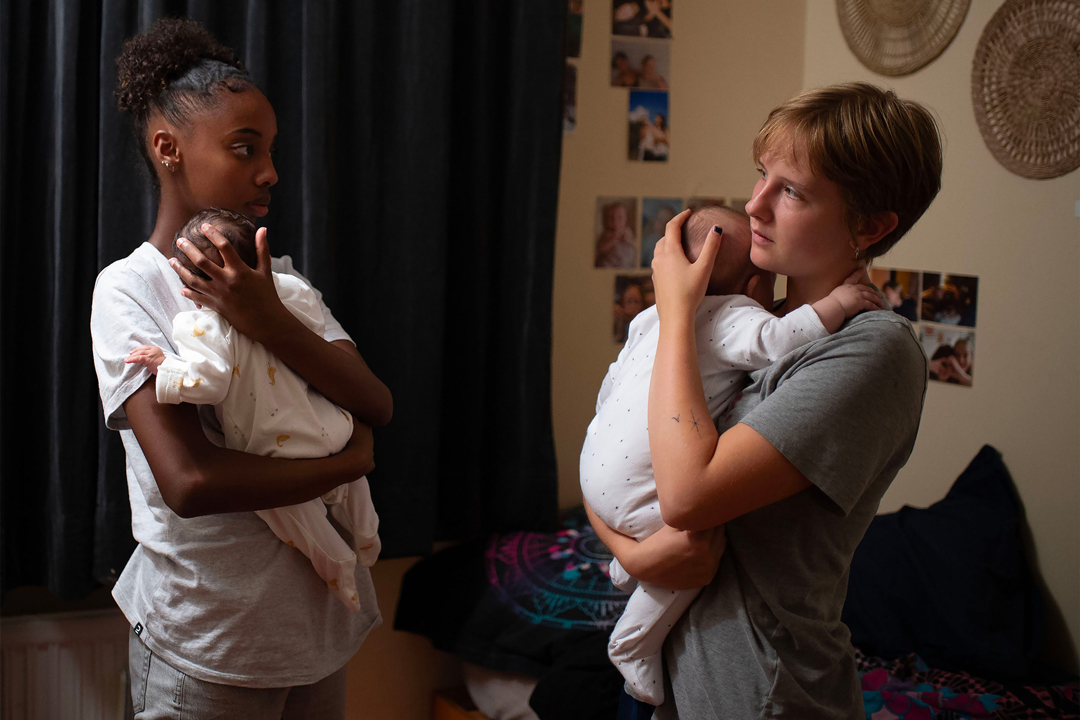
ベルギーが生んだ名匠、ダルデンヌ兄弟が手掛ける映画『そして彼女たちは』は、若くして母となった少女たちの群像劇。母子支援施設を舞台に孤独や恐怖、貧困に悩みながらも懸命に自分なりの愛を探し求める物語。第78回カンヌ国際映画祭で脚本賞、エキュメニカル審査員賞を受賞した本作の見どころを読み解く。
50年近くにわたって活動してきたベルギーの世界的名匠、ダルデンヌ兄弟の最新作『そして彼女たちは』は、(意外な気もするが)彼らの初の群像劇である。とはいえ、最初は群像劇を撮るつもりではなかったという。シングルマザーを主人公とする物語を構想していたのだが、取材のために訪れた、若い母親の支援施設に強い感銘を受けた彼らは、ここで共同生活を送る、若い——ほんとうに、ものすごく若い——複数の母親たちを描くことへとシフトした。彼女たちそれぞれのストーリーを、並行して語っていく手さばきが見事だ。ダルデンヌ兄弟の映画と言えば、ドキュメンタリー映画的なスタイルや、社会的弱者を取り上げるテーマ上の一貫性がまず第一に論じられがちであるが、本作では、観る者をぐいぐいとひっぱっていく彼らの「語り」の巧さも堪能できる。 ■それぞれのやり方で困難に立ち向かう 映画の始まりの時点で、施設に暮らす母親は5人。ジェシカは出産を目前に、自分を養子に出した母親を見つけ出して会おうとする。だが、約束の場所に母親は現われない。 ぺルラは赤ん坊を連れ、少年院を出所した恋人のロバンを迎えに行く。アルコール依存の母親に虐待されていたぺルラは、彼と子どもとの3人で暮らすことを夢見ているが、彼の態度は煮え切らない。アリアンヌは赤ん坊を養子に出すことを決めている。子どもに幸福な環境を与えるのが彼女の願いだ。しかしそれを知ったアリアンヌの母親は大反対。彼女はおそらく、娘との失敗した関係を、孫を通じてやり直そうとしているのだろう。問題はすべて解決したと母親は言うが、ちょっとした瞬間に表われる彼女の言動からは、そのようには見えない。 ナイマは仕事と住まいが見つかり、施設を出ることになった。これからは赤ん坊とふたりでの暮らしだ。パーティーが開かれ、ナイマはスタッフと仲間たちに笑顔で感謝の言葉を述べる。ジュリーは恋人のディランとの関係も順調。ふたりは結婚を予定しており、赤ん坊と3人で暮らす住まいを探しているところだ。しかしジュリーは、きっぱりとやめたはずの薬物に、自分が再び手を出してしまうのではないかという恐怖をぬぐえずにいる。 この母親たちはみな10代のようだ。日本でいえば中学生ぐらいの年齢の子もいる。そしてみな、親からの愛を充分に、またはまったく受けないまま育っている。この若さで、しかも頼る大人を施設の外に見つけることができないとなれば、逃げ出したくなっても当然だろう。実際、そのような境遇に陥った少女のなかには、逃げ出しそうになる者もいる。けれどもそうなっても彼女たちは最終的に、施設のスタッフの力も借りて、現実へと戻って来る。彼女たちはそれぞれのやり方で、母親になったという現実と向き合い、困難を乗り越えて行こうとする。 ■そしてわたしたちは ダルデンヌ兄弟のこれまでの作品がみなそうであったように、今回もドキュメンタリーと見まがう作りで、フィクションであることを忘れてしまいそうだ。少女たちを演じるキャストの多くは、映画で演技するのはこれが初めてだという。わたしたちになじみのない顔ぶれであるせいもあって、俳優が演じているというのではなく、ほんとうにそういう境遇の少女たちを撮っているようにしか見えない(この点で、彼女たちを「撮られることに抗う人間」として撮ろうとした、というダルデンヌ兄弟の発言は興味深い。演技していない身体というのは、キャメラを拒む身体なのかもしれない)。 立ち去っていくとき以外、彼女たちがフルショット(全身がフレームに収まるぐらいの距離で人物を撮るショット)で撮影されることはない。キャメラはこの若い母親たちから離れることなく、近い距離から見守りつづけているかのようだ。 わたしたちもまた彼女たちを見守りつづける。時に幼すぎる言動をすることがあったとしても、彼女たちを責めることなどできない。絶望的とも見える状況に直面する彼女たちを、わたしたちは応援し、少しでも事態がましになってほしいと望む。その思いをこの映画は裏切らない。そして、ダルデンヌ兄弟の作品に登場する人々がこれまでみなそうであったように、ここに描かれる人々は現実にも存在している。いまわたしたちの目に見えていないとしても、たぶん思っているよりずっと近くに。 ■『そして彼女たちは』 3月27日(金)より、Bunkamuraル・シネマ 渋谷宮下、ヒューマントラストシネマ有楽町、新宿武蔵野館ほか全国順次公開 配給:ビターズ・エンド ⓒLes Films du Fleuve - Archipel 35 - The Reunion - France 2 Cinéma - Be Tv & Orange - Proximus - RTBF (Télévision belge) / PhotoⓒChristine Plenus 著者プロフィール:篠儀直子(しのぎ なおこ) 翻訳者。映画批評も手がける。翻訳書は『フレッド・アステア自伝』『エドワード・ヤン』(以上青土社)『ウェス・アンダーソンの世界 グランド・ブダペスト・ホテル』(DU BOOKS)『SF映画のタイポグラフィとデザイン』(フィルムアート社)『切り裂きジャックに殺されたのは誰か』(青土社)など。 編集・遠藤加奈(GQ)
50年近くにわたって活動してきたベルギーの世界的名匠、ダルデンヌ兄弟の最新作『そして彼女たちは』は、(意外な気もするが)彼らの初の群像劇である。とはいえ、最初は群像劇を撮るつもりではなかったという。シングルマザーを主人公とする物語を構想していたのだが、取材のために訪れた、若い母親の支援施設に強い感銘を受けた彼らは、ここで共同生活を送る、若い——ほんとうに、ものすごく若い——複数の母親たちを描くことへとシフトした。彼女たちそれぞれのストーリーを、並行して語っていく手さばきが見事だ。ダルデンヌ兄弟の映画と言えば、ドキュメンタリー映画的なスタイルや、社会的弱者を取り上げるテーマ上の一貫性がまず第一に論じられがちであるが、本作では、観る者をぐいぐいとひっぱっていく彼らの「語り」の巧さも堪能できる。 ■それぞれのやり方で困難に立ち向かう 映画の始まりの時点で、施設に暮らす母親は5人。ジェシカは出産を目前に、自分を養子に出した母親を見つけ出して会おうとする。だが、約束の場所に母親は現われない。 ぺルラは赤ん坊を連れ、少年院を出所した恋人のロバンを迎えに行く。アルコール依存の母親に虐待されていたぺルラは、彼と子どもとの3人で暮らすことを夢見ているが、彼の態度は煮え切らない。アリアンヌは赤ん坊を養子に出すことを決めている。子どもに幸福な環境を与えるのが彼女の願いだ。しかしそれを知ったアリアンヌの母親は大反対。彼女はおそらく、娘との失敗した関係を、孫を通じてやり直そうとしているのだろう。問題はすべて解決したと母親は言うが、ちょっとした瞬間に表われる彼女の言動からは、そのようには見えない。 ナイマは仕事と住まいが見つかり、施設を出ることになった。これからは赤ん坊とふたりでの暮らしだ。パーティーが開かれ、ナイマはスタッフと仲間たちに笑顔で感謝の言葉を述べる。ジュリーは恋人のディランとの関係も順調。ふたりは結婚を予定しており、赤ん坊と3人で暮らす住まいを探しているところだ。しかしジュリーは、きっぱりとやめたはずの薬物に、自分が再び手を出してしまうのではないかという恐怖をぬぐえずにいる。 この母親たちはみな10代のようだ。日本でいえば中学生ぐらいの年齢の子もいる。そしてみな、親からの愛を充分に、またはまったく受けないまま育っている。この若さで、しかも頼る大人を施設の外に見つけることができないとなれば、逃げ出したくなっても当然だろう。実際、そのような境遇に陥った少女のなかには、逃げ出しそうになる者もいる。けれどもそうなっても彼女たちは最終的に、施設のスタッフの力も借りて、現実へと戻って来る。彼女たちはそれぞれのやり方で、母親になったという現実と向き合い、困難を乗り越えて行こうとする。 ■そしてわたしたちは ダルデンヌ兄弟のこれまでの作品がみなそうであったように、今回もドキュメンタリーと見まがう作りで、フィクションであることを忘れてしまいそうだ。少女たちを演じるキャストの多くは、映画で演技するのはこれが初めてだという。わたしたちになじみのない顔ぶれであるせいもあって、俳優が演じているというのではなく、ほんとうにそういう境遇の少女たちを撮っているようにしか見えない(この点で、彼女たちを「撮られることに抗う人間」として撮ろうとした、というダルデンヌ兄弟の発言は興味深い。演技していない身体というのは、キャメラを拒む身体なのかもしれない)。 立ち去っていくとき以外、彼女たちがフルショット(全身がフレームに収まるぐらいの距離で人物を撮るショット)で撮影されることはない。キャメラはこの若い母親たちから離れることなく、近い距離から見守りつづけているかのようだ。 わたしたちもまた彼女たちを見守りつづける。時に幼すぎる言動をすることがあったとしても、彼女たちを責めることなどできない。絶望的とも見える状況に直面する彼女たちを、わたしたちは応援し、少しでも事態がましになってほしいと望む。その思いをこの映画は裏切らない。そして、ダルデンヌ兄弟の作品に登場する人々がこれまでみなそうであったように、ここに描かれる人々は現実にも存在している。いまわたしたちの目に見えていないとしても、たぶん思っているよりずっと近くに。 ■『そして彼女たちは』 3月27日(金)より、Bunkamuraル・シネマ 渋谷宮下、ヒューマントラストシネマ有楽町、新宿武蔵野館ほか全国順次公開 配給:ビターズ・エンド ⓒLes Films du Fleuve - Archipel 35 - The Reunion - France 2 Cinéma - Be Tv & Orange - Proximus - RTBF (Télévision belge) / PhotoⓒChristine Plenus 著者プロフィール:篠儀直子(しのぎ なおこ) 翻訳者。映画批評も手がける。翻訳書は『フレッド・アステア自伝』『エドワード・ヤン』(以上青土社)『ウェス・アンダーソンの世界 グランド・ブダペスト・ホテル』(DU BOOKS)『SF映画のタイポグラフィとデザイン』(フィルムアート社)『切り裂きジャックに殺されたのは誰か』(青土社)など。 編集・遠藤加奈(GQ)
Vocabulary
General
Proper noun
JLPT N2
JLPT N1
| # | 言葉 | 意味 |
|---|---|---|
| 11 | 彼女 | かのじょ (彼女) : 1. she; her 2. girlfriend |
| 11 | たち | やかた (館) : 1. mansion; palace; manor house; castle 2. nobleman; noblewoman; dignitary |
| 11 | 母親 | ははおや (母親) : mother |
| 6 | 施設 | しせつ (施設) : 1. institution; establishment; facility 2. home (for elderly, orphans, etc.) |
| 5 | わたしたち | わたしたち (私たち) : we; us |
| 4 | 少女 | しょうじょ (少女) : 1. little girl; maiden; young lady; female usually between 7 and 18 years old 2. female between 17 and 20 years old (ritsuryo period) |
| 3 | 群像劇 | ぐんぞうげき (群像劇) : dramatic production with parallel storylines focusing on different characters; multiprotagonist story, film, etc. |
| 3 | 暮らす | くらす (暮らす) : 1. to live; to get along 2. to spend (time) |
| 3 | 見える | みえる (見える) : 1. to be seen; to be in sight 2. to look; to seem; to appear |
| 3 | 現実 | げんじつ (現実) : reality; actuality; hard fact |
| 3 | 撮る | とる (撮る) : 1. to take (a photo) 2. to record (video, audio, etc.); to make (a film) |
| 2 | 名匠 | めいしょう (名匠) : master craftsman; skillful worker |
| 2 | 支援 | しえん (支援) : support; backing; aid; assistance |
| 2 | 恐怖 | きょうふ (恐怖) : fear; dread; dismay; terror; horror; scare; panic |
| 2 | 愛 | あい (愛) : 1. love; affection; care 2. attachment; craving; desire |
| 2 | 物語 | ものがたり (物語) : tale; story; legend |
| 2 | 第 | だい (第) : prefix for forming ordinal numbers |
| 2 | 本作 | ほんさく (本作) : this piece; this work |
| 2 | ほんとうに | ほんとうに (本当に) : really; truly |
| 2 | 描く | えがく (描く) : 1. to draw; to paint; to sketch 2. to depict; to describe |
| 2 | 語る | かたる (語る) : 1. to talk about; to speak of; to tell; to narrate 2. to recite; to chant |
| 2 | やり方 | やりかた (やり方) : way (of doing); manner; method; means |
| 2 | 困難 | こんなん (困難) : 1. difficulty; hardship; trouble; distress 2. infeasibility; inability (to carry out) |
| 2 | 養子 | ようし (養子) : adopted child (usu. male); son-in-law |
| 2 | ぺ | べ : 1. word used at sentence-end (like a particle) to indicate speculation, volition or invitation 2. familiar suffix used after a personal name |
| 2 | 恋人 | こいびと (恋人) : lover; sweetheart; boyfriend; girlfriend |
| 2 | 子ども | こども (子供) : child |
| 2 | 言動 | げんどう (言動) : speech and conduct; words and deeds |
| 2 | 住まい | すまい (住まい) : 1. dwelling; house; residence; address 2. living; life |
| 2 | 逃げ出す | にげだす (逃げ出す) : 1. to run away; to flee; to make off; to take to one's heels; to escape 2. to start to run away |
| 2 | 境遇 | きょうぐう (境遇) : one's circumstances; environment; situation (in life) |
| 2 | 作品 | さくひん (作品) : work (e.g. book, film, composition, etc.); opus; performance; production |
| 2 | 演技 | えんぎ (演技) : acting; performance |
| 2 | 身体 | からだ (体) : 1. body 2. torso; trunk |
| 2 | 距離 | きょり (距離) : distance; range |
| 2 | 見守る | みまもる (見守る) : to watch over; to watch attentively |
| 2 | 人々 | ひとびと (人々) : 1. people; men and women 2. each person; everybody |
| 2 | 映画 | えいが (映画) : movie; film |
| 2 | 青土 | あおと (青土) : Aoto (surname) |
| 1 | 生む | うむ (生む) : 1. to give birth; to bear (child); to lay (eggs) 2. to produce; to yield; to give rise to; to deliver |
| 1 | 手掛ける | てがける (手がける) : 1. to handle; to manage; to deal with; to work with; to have experience with 2. to rear; to look after |
| 1 | 若く | しく (若く) : 1. to match; to equal 2. to catch up with; to overtake |
| 1 | 母子 | ぼし (母子) : mother and child |
| 1 | 舞台 | ぶたい (舞台) : 1. stage (theatre, theater) 2. scene or setting (e.g. of novel, play, etc.) |
| 1 | 孤独 | こどく (孤独) : solitude; loneliness; isolation |
| 1 | 貧困 | ひんこん (貧困) : 1. poverty; penury; need; destitution 2. shortage; lack; want |
| 1 | 悩む | なやむ (悩む) : to be worried; to be troubled |
| 1 | 懸命 | けんめい (懸命) : eager; earnest; strenuous; fervent; assiduous; with utmost effort |
| 1 | なり | なり (也) : 1. to be 2. to be (location) |
| 1 | 探し求める | さがしもとめる (探し求める) : to search for; to seek for; to look for |
| 1 | 受賞 | じゅしょう (受賞) : winning (a prize) |
| 1 | 見どころ | みどころ (見どころ) : 1. point worthy of note; highlight; high point; main attraction; thing to note 2. good prospects for the future; promise |
| 1 | 読み解く | よみとく (読み解く) : 1. to read and understand; to subject to close analysis; to read deeply; to read carefully (esp. a difficult text) 2. to decipher; to decode |
| 1 | 活動 | かつどう (活動) : 1. activity (of a person, organization, animal, volcano, etc.); action 2. movie (esp. during the silent movie period) |
| 1 | 世界的 | せかいてき (世界的) : 1. worldwide; global; international; universal 2. world-famous; world-class |
| 1 | 最新作 | さいしんさく (最新作) : most recent work (e.g. book, film, etc.); latest work; latest offering |
| 1 | 意外 | いがい (意外) : unexpected; surprising |
| 1 | 初 | はつ (初) : first; new |
| 1 | 主人公 | しゅじんこう (主人公) : 1. protagonist; main character; hero(ine) (of a story) 2. head of household |
| 1 | 構想 | こうそう (構想) : plan; plot; idea; conception; vision; scheme |
| 1 | 取材 | しゅざい (取材) : 1. news coverage; collecting data (e.g. for an article); covering (something for media) 2. interview |
| 1 | 訪れる | おとずれる (訪れる) : 1. to visit; to call on 2. to arrive (season, time, situation, etc.); to come; to appear |
| 1 | 感銘 | かんめい (感銘) : deep impression |
| 1 | 共同生活 | きょうどうせいかつ (共同生活) : living together; communal life; cohabitation |
| 1 | 複数 | ふくすう (複数) : plural; multiple; several |
| 1 | 並行 | へいこう (並行) : 1. going side-by-side; going abreast 2. running concurrently; occurring at the same time; keeping pace with |
| 1 | 手さばき | てさばき (手さばき) : handling; manipulation |
| 1 | 見事 | みごと (見事) : 1. splendid; magnificent; excellent; fine; superb; beautiful; admirable 2. utter (esp. defeat); total; complete |
| 1 | ドキュメンタリー映画 | ドキュメンタリーえいが (ドキュメンタリー映画) : documentary film |
| 1 | 社会的弱者 | しゃかいてきじゃくしゃ (社会的弱者) : the socially vulnerable; the weak of society; socially disadvantaged people |
| 1 | 取り上げる | とりあげる (取り上げる) : 1. to pick up 2. to adopt (e.g. a proposal); to accept; to take up (a topic, complaint, etc.); to listen to; to deal with; to feature |
| 1 | 一貫性 | いっかんせい (一貫性) : consistency |
| 1 | 論ずる | ろんずる (論ずる) : 1. to discuss; to talk about; to deal with (a topic) 2. to argue; to dispute |
| 1 | がち | がち (雅致) : artistry; good taste; elegance; grace |
| 1 | ぐいぐい | ぐいぐい : 1. without hesitation; with great optimism; vigorously; with great vigor; positively 2. (pushing or pulling) strongly |
| 1 | ひっぱる | ひっぱる (引っ張る) : 1. to pull; to draw; to pull tight 2. to string (lines); to run (cable); to stretch |
| 1 | 巧 | こう (巧) : skilfulness; skillfulness; cleverness |
| 1 | 堪能 | たんのう (堪能) : 1. proficient; skillful 2. enjoying; satisfaction; satiation; having one's fill (of) |
| 1 | 立ち向かう | たちむかう (立ち向かう) : to fight against; to oppose; to face |
| 1 | 始まり | はじまり (始まり) : origin; beginning |
| 1 | 時点 | じてん (時点) : point in time; occasion |
| 1 | 出産 | しゅっさん (出産) : 1. childbirth; (giving) birth; delivery; parturition; confinement 2. production (of goods) |
| 1 | 目前 | めさき (目先) : 1. before one's eyes; under one's nose 2. immediate (e.g. interests); present; at hand; short-run |
| 1 | 見つける | みつける (見つける) : 1. to discover; to find (e.g. an error in a book); to come across; to detect; to spot 2. to locate; to find (e.g. something missing); to find fault |
| 1 | 会う | あう (会う) : 1. to meet; to encounter; to see 2. to have an accident; to have a bad experience |
| 1 | 約束 | やくそく (約束) : 1. promise; agreement; arrangement; one's word; contract; pact; appointment; engagement; date 2. convention; rule |
| 1 | 現われる | あらわれる (現れる) : 1. to appear; to come in sight; to become visible; to come out; to embody; to materialize; to materialise 2. to be expressed (e.g. emotions); to become apparent (e.g. trends, effects) |
| 1 | 連れる | つれる (連れる) : to take (someone) with one; to bring along; to go with; to be accompanied by |
| 1 | 少年院 | しょうねんいん (少年院) : reform school; reformatory; youth detention center (centre) |
| 1 | 出所 | しゅっしょ (出所) : 1. origin; source; authority 2. birthplace |
| 1 | 迎える | むかえる (迎える) : 1. to go out to meet 2. to receive; to welcome; to greet; to salute; to hail; to reach; to approach; to enter (a phase, era, etc.) |
| 1 | 依存 | いぞん (依存) : dependence; reliance |
| 1 | 虐待 | ぎゃくたい (虐待) : abuse; ill-treatment; maltreatment; mistreatment; cruelty |
| 1 | 夢見る | ゆめみる (夢見る) : to dream (of) |
| 1 | 態度 | たいど (態度) : 1. attitude; manner; behaviour; demeanour; bearing 2. attitude (towards an issue, etc.); position; stance; stand |
| 1 | 煮える | にえる (煮える) : to be boiled; to be cooked |
| 1 | 決める | きめる (決める) : 1. to decide; to choose; to determine; to make up one's mind; to resolve; to set one's heart on; to settle; to arrange; to set; to appoint; to fix 2. to clinch (a victory); to decide (the outcome of a match) |
| 1 | 幸福 | こうふく (幸福) : happiness; well-being; joy; welfare; blessedness |
| 1 | 環境 | かんきょう (環境) : environment; circumstance |
| 1 | 与える | あたえる (与える) : 1. to give (esp. to someone of lower status); to bestow; to grant; to confer; to present; to award 2. to provide; to afford; to offer; to supply |
| 1 | 願い | ねがい (願い) : 1. desire; wish; hope 2. request; entreaty; plea; appeal |
| 1 | 知る | しる (知る) : 1. to be aware of; to know; to be conscious of; to cognize; to cognise 2. to notice; to feel |
| 1 | おそらく | おそらく (恐らく) : perhaps; likely; probably; I dare say |
| 1 | 孫 | まご (孫) : grandchild |
| 1 | 通ずる | つうずる (通ずる) : 1. to be open (to traffic); to lead to; to communicate (with) 2. to flow (liquid, current); to pass; to get through to |
| 1 | やり直す | やりなおす (やり直す) : to do over again; to redo; to start over; to remake; to resume; to recommence |
| 1 | 解決 | かいけつ (解決) : settlement; solution; resolution |
| 1 | 瞬間 | しゅんかん (瞬間) : moment; second; instant |
| 1 | 表われる | あらわれる (現れる) : 1. to appear; to come in sight; to become visible; to come out; to embody; to materialize; to materialise 2. to be expressed (e.g. emotions); to become apparent (e.g. trends, effects) |
| 1 | 見つかる | みつかる (見つかる) : to be found; to be discovered |
| 1 | 暮らし | くらし (暮らし) : life; living; livelihood; life circumstances |
| 1 | 開く | ひらく (開く) : 1. to open; to undo; to unseal; to unpack 2. to bloom; to unfold; to spread out |
| 1 | 仲間 | ちゅうげん (中間) : samurai's attendant; footman |
| 1 | 笑顔 | えがお (笑顔) : smiling face; smile |
| 1 | 感謝 | かんしゃ (感謝) : thanks; gratitude |
| 1 | 述べる | のべる (述べる) : to state; to express; to mention |
| 1 | 順調 | じゅんちょう (順調) : favourable; favorable; doing well; OK; all right |
| 1 | 探す | さがす (探す) : 1. to search for; to look for; to hunt for; to seek 2. to search (a house, pocket, etc.); to search through; to rummage in (e.g. a drawer); to fish around |
| 1 | きっぱり | きっぱり : clearly; plainly; distinctly; decisively; flatly; definitely; resolutely |
| 1 | やめる | やめる (止める) : 1. to stop (an activity); to cease; to discontinue; to end; to quit 2. to cancel; to abandon; to give up; to abolish; to abstain; to refrain |
| 1 | 薬物 | やくぶつ (薬物) : medicines; drugs |
| 1 | 再び | ふたたび (再び) : again; once more; a second time |
| 1 | 中学生 | ちゅうがくせい (中学生) : junior high school student; middle school pupil |
| 1 | 年齢 | ねんれい (年齢) : age; years |
| 1 | 充分 | じゅうぶん (十分) : 1. enough; sufficient; plenty; adequate; satisfactory 2. sufficiently; fully; thoroughly; well; perfectly |
| 1 | まったく | まったく (全く) : 1. really; truly; entirely; completely; wholly; perfectly 2. indeed |
| 1 | まま | うば (乳母) : wet nurse; nursing mother |
| 1 | 育つ | そだつ (育つ) : to be raised (e.g. child); to be brought up; to grow (up) |
| 1 | 若 | わか (若) : 1. youth 2. child (esp. of the young son of someone of high social standing) |
| 1 | しかも | しかも (然も) : 1. moreover; furthermore 2. nevertheless; and yet |
| 1 | 頼る | たよる (頼る) : to rely on; to depend on; to count on; to turn to (for help) |
| 1 | 当然 | とうぜん (当然) : 1. natural; right; proper; just; reasonable; appropriate; deserved 2. naturally; as a matter of course; rightly; deservedly; justly; of course |
| 1 | 実際 | じっさい (実際) : 1. reality; actuality; truth; fact; actual conditions 2. practice (as opposed to theory) |
| 1 | 陥る | おちいる (陥る) : 1. to fall into (e.g. a hole) 2. to fall into (chaos, depression, dilemma, illness, etc.) |
| 1 | うなる | うなる (唸る) : 1. to groan; to moan 2. to roar; to howl; to growl |
| 1 | 最終的 | さいしゅうてき (最終的) : final; eventual; ultimate |
| 1 | 借りる | かりる (借りる) : 1. to borrow; to have a loan 2. to rent; to hire |
| 1 | 戻る | もどる (戻る) : 1. to turn back (e.g. half-way) 2. to return; to go back |
| 1 | 向き合う | むきあう (向き合う) : 1. to be opposite; to face each other 2. to confront (an issue); to face |
| 1 | 乗り越える | のりこえる (乗り越える) : 1. to climb over; to get over; to ride across 2. to surmount; to overcome |
| 1 | 見まがう | みまがう (見紛う) : to mistake (A for B); to misread |
| 1 | 作り | つくり (作り) : 1. making; producing; manufacturing; building; construction; make; structure 2. appearance (attire, make-up, etc.) |
| 1 | 演じる | えんじる (演じる) : to perform (a play); to play (a part); to act (a part); to commit (a blunder) |
| 1 | なじみ | なじみ (馴染み) : intimacy; friendship; familiarity |
| 1 | 顔ぶれ | かおぶれ (顔ぶれ) : 1. personnel; members; lineup (of a team); roster; cast (of a play) 2. announcement of next day's match-ups |
| 1 | 俳優 | はいゆう (俳優) : actor; actress; player; performer |
| 1 | 演ずる | えんずる (演ずる) : to perform; to play |
| 1 | 抗う | あらがう (抗う) : to go against; to fight against; to oppose; to resist; to deny |
| 1 | 人間 | にんげん (人間) : 1. human being; human; person; man; mankind; humankind 2. character (of a person) |
| 1 | 発言 | はつげん (発言) : statement; remark; observation; utterance; speech; proposal |
| 1 | 拒む | こばむ (拒む) : 1. to refuse; to reject; to decline 2. to prevent (from doing); to deny (e.g. access); to block |
| 1 | しれる | しれる (知れる) : 1. to become known; to come to light; to be discovered 2. to be known; to be understood |
| 1 | 立ち去る | たちさる (立ち去る) : to leave; to depart; to take one's leave |
| 1 | 全身 | ぜんしん (全身) : 1. whole (body); full-length (e.g. portrait) 2. systemic |
| 1 | 収まる | おさまる (収まる) : 1. to fit into (a box, frame, category, etc.); to be contained within; to fall within (e.g. a budget) 2. to settle down (into); to be installed (in one's rightful place); to be returned (to one's original position) |
| 1 | 人物 | じんぶつ (人物) : 1. person; character; figure; personage; man; woman 2. one's character; one's personality |
| 1 | 撮影 | さつえい (撮影) : photography (still or motion); photographing; filming; shooting; (video) recording |
| 1 | 離れる | はなれる (離れる) : 1. to be separated; to be apart; to be distant 2. to leave; to go away |
| 1 | 幼 | いと (幼) : 1. young child (esp. a young girl) 2. young |
| 1 | 責める | せめる (責める) : 1. to condemn; to blame; to criticize; to criticise; to reproach; to accuse 2. to urge; to press; to pester |
| 1 | 絶望的 | ぜつぼうてき (絶望的) : desperate; hopeless |
| 1 | 状況 | じょうきょう (状況) : state of affairs (around you); situation; circumstances |
| 1 | 直面 | ちょくめん (直面) : 1. confrontation 2. to face; to confront; to encounter |
| 1 | 応援 | おうえん (応援) : 1. aid; assistance; help; support; reinforcement 2. cheering; rooting (for); support |
| 1 | 事態 | じたい (事態) : situation; (present) state of affairs; circumstances |
| 1 | まし | あさいと (麻糸) : hemp yarn; linen thread |
| 1 | 望む | のぞむ (望む) : 1. to desire 2. to wish for; to expect |
| 1 | 思い | おもい (思い) : 1. thought 2. imagination; mind; heart |
| 1 | 裏切る | うらぎる (裏切る) : to betray; to turn traitor to; to double-cross |
| 1 | 登場 | とうじょう (登場) : 1. entry (on stage); appearance (on screen) 2. entrance; introduction (into a market) |
| 1 | 存在 | そんざい (存在) : existence; being |
| 1 | ずっと | ずっと : 1. continuously in some state (for a long time, distance); throughout; all along; the whole time; all the way 2. much (better, etc.); by far; far and away |
| 1 | 渋谷 | しだや (渋谷) : Shidaya (surname) |
| 1 | 宮下 | みやげ (宮下) : Miyage (place) |
| 1 | 有楽町 | うらくまち (有楽町) : Urakumachi (place) |
| 1 | 新宿 | あらじゅく (新宿) : Arajuku (place) |
| 1 | 武蔵野 | むさしの (武蔵野) : Musashino (place; surname) |
| 1 | 全国 | ぜんこく (全国) : the whole country |
| 1 | 順次 | じゅんじ (順次) : in order; sequential; seriatim |
| 1 | 公開 | こうかい (公開) : opening to the public; making available to the public; putting on display; exhibiting; showing (play, movie, etc.); holding (interview, etc.); open; public |
| 1 | 配給 | はいきゅう (配給) : 1. distribution (e.g. films, rice) 2. rationing (e.g. food, gasoline) |
| 1 | 著者 | ちょしゃ (著者) : author (usu. of a particular book); writer |
| 1 | 篠儀 | しのぎ (篠儀) : Shinogi (surname) |
| 1 | 直子 | ちかこ (直子) : Chikako (fem) |
| 1 | しのぎ | しのぎ (凌ぎ) : tiding over |
| 1 | なおこ | なおこ : long thin brown "naoko" mushroom |
| 1 | 翻訳者 | ほんやくしゃ (翻訳者) : translator |
| 1 | 批評 | ひひょう (批評) : criticism; review; commentary |
| 1 | 手がける | てがける (手がける) : 1. to handle; to manage; to deal with; to work with; to have experience with 2. to rear; to look after |
| 1 | 自伝 | じでん (自伝) : autobiography |
| 1 | SF | エスエフ (SF) : science fiction; sci-fi; SF |
| 1 | 切り裂きジャック | きりさきジャック (切り裂きジャック) : Jack the Ripper |
| 1 | 殺す | ころす (殺す) : 1. to kill; to slay; to murder; to slaughter 2. to suppress; to block; to hamper; to destroy (e.g. talent); to eliminate (e.g. an odour); to spoil (e.g. a flavour); to kill (e.g. one's speed) |
| 1 | 編集 | へんしゅう (編集) : editing; compilation |
| 1 | 遠藤 | えとう (遠藤) : Etou (surname) |
| 1 | 加奈 | かな (加奈) : Kana (fem) |