自民 小林政調会長 日本の国旗損壊する行為 新たに法律制定を
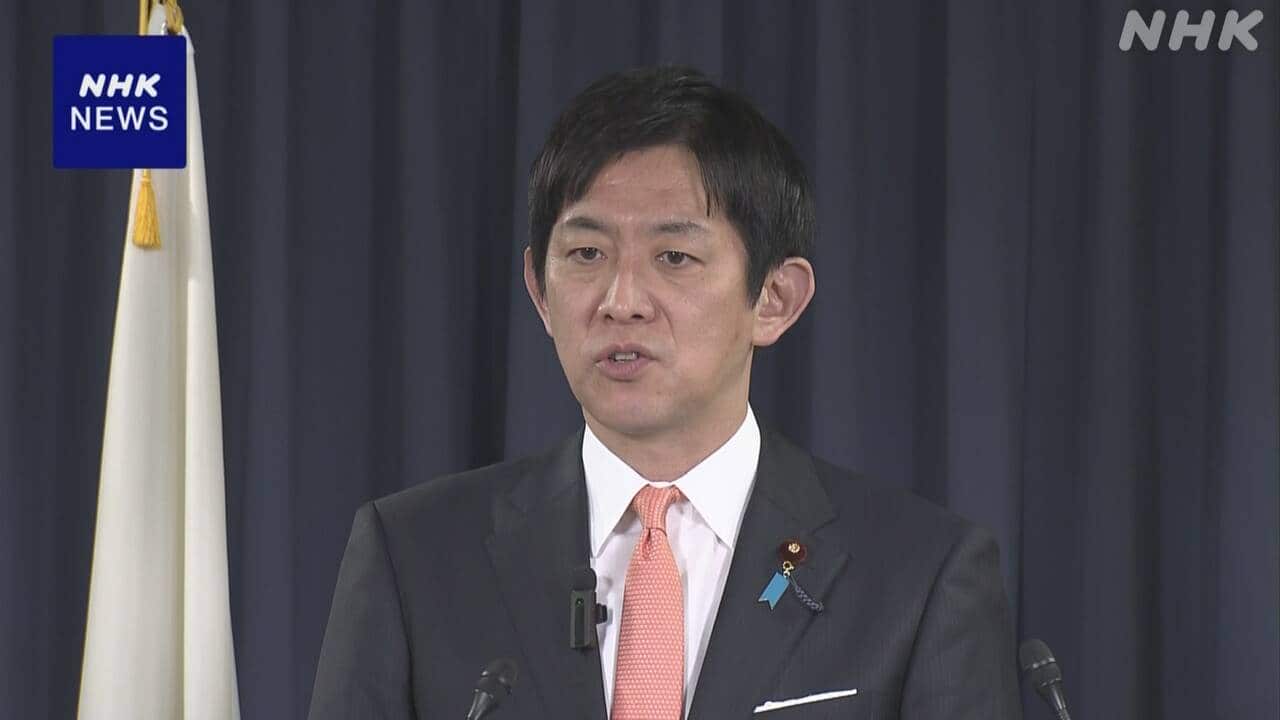
日本の国旗を損壊する行為を罰する法案について、自民党の小林政務調査会長は、既存の法律の改正ではなく、新たに法律を制定する形が望ましいとしたうえで、罰則規定を設ける方向で検討すべきだという考えを示しました。
自民党は高市総理大臣と吉村代表による党首会談で、日本の国旗を損壊する行為を罰する法案を今の国会に提出する方針を確認したことを受けて、作業チームを設けて検討を始めることにしています。
これについて、自民党の小林政務調査会長は記者会見で「国旗を大切に思う気持ちは万国共通であり、こうした国民の感情をどう守っていくのかという視点に立ち、表現の自由なども視野に入れながら丁寧な議論を続けていきたい」と述べました。
そのうえで、既存の法律の改正ではなく新たに法律を制定する形が望ましいという認識を示しました。
また「外国の国旗を含めた国章の損壊には罰則規定があって日本国旗に対しては無いことに、法体系上非常に大きな違和感を感じている」と述べ、罰則規定を設ける方向で検討すべきだという考えを示しました。
自民党は高市総理大臣と吉村代表による党首会談で、日本の国旗を損壊する行為を罰する法案を今の国会に提出する方針を確認したことを受けて、作業チームを設けて検討を始めることにしています。
これについて、自民党の小林政務調査会長は記者会見で「国旗を大切に思う気持ちは万国共通であり、こうした国民の感情をどう守っていくのかという視点に立ち、表現の自由なども視野に入れながら丁寧な議論を続けていきたい」と述べました。
そのうえで、既存の法律の改正ではなく新たに法律を制定する形が望ましいという認識を示しました。
また「外国の国旗を含めた国章の損壊には罰則規定があって日本国旗に対しては無いことに、法体系上非常に大きな違和感を感じている」と述べ、罰則規定を設ける方向で検討すべきだという考えを示しました。
Vocabulary
General
Proper noun
JLPT N2
JLPT N1
| # | 言葉 | 意味 |
|---|---|---|
| 5 | 国旗 | こっき (国旗) : national flag |
| 3 | 損壊 | そんかい (損壊) : damage; destruction |
| 3 | 自民党 | じみんとう (自民党) : Liberal Democratic Party; LDP |
| 3 | 罰則 | ばっそく (罰則) : 1. punishment; penalty 2. penal regulations; penal code |
| 3 | 規定 | きてい (規定) : stipulation; prescription; provision; regulation; rule |
| 3 | 設ける | もうける (設ける) : 1. to prepare; to provide 2. to set up; to establish; to organize; to lay down (rules); to make (an excuse) |
| 3 | 検討 | けんとう (検討) : consideration; examination; investigation; study; scrutiny; discussion; analysis; review |
| 3 | 示す | しめす (示す) : 1. to (take out and) show; to demonstrate; to tell; to exemplify; to make apparent 2. to point out (finger, clock hand, needle, etc.) |
| 2 | 行為 | こうい (行為) : act; deed; conduct |
| 2 | 罰する | ばっする (罰する) : to punish; to penalize; to penalise |
| 2 | 法 | ほう (法) : 1. law; act; principle 2. method |
| 2 | 案 | あん (案) : 1. idea; plan; proposal; suggestion; (government) bill 2. draft; rough copy |
| 2 | 小林 | おはやし (小林) : Ohayashi (place; surname) |
| 2 | 政務 | せいむ (政務) : government affairs |
| 2 | 既存 | きそん (既存) : existing |
| 2 | 改正 | かいせい (改正) : revision; amendment; alteration |
| 2 | 新た | あらた (新た) : new; fresh; novel |
| 2 | 制定 | せいてい (制定) : enactment; establishment; creation |
| 2 | 望ましい | のぞましい (望ましい) : desirable; hoped for; preferable; advisable |
| 2 | 方向 | ほうこう (方向) : 1. direction; orientation; bearing; way 2. course (e.g. of action) |
| 2 | 考え | かんがえ (考え) : 1. thinking; thought; view; opinion; concept 2. idea; notion; imagination |
| 2 | 述べる | のべる (述べる) : to state; to express; to mention |
| 1 | 高市 | こういち (高市) : Kouichi (surname) |
| 1 | 総理大臣 | そうりだいじん (総理大臣) : prime minister (as the head of a cabinet government); premier |
| 1 | 吉村 | あしむら (吉村) : Ashimura (surname) |
| 1 | 代表 | だいひょう (代表) : 1. representative; representation; delegation; type; example; model 2. switchboard number; main number |
| 1 | 党首 | とうしゅ (党首) : party leader |
| 1 | 会談 | かいだん (会談) : conversation; conference (usu. between important people); discussion; interview |
| 1 | 国会 | こっかい (国会) : 1. National Diet; legislative assembly of Japan (1947-) 2. Imperial Diet; legislative assembly of Japan (1889-1947) |
| 1 | 提出 | ていしゅつ (提出) : presentation (of documents); submission (of an application, report, etc.); production (e.g. of evidence); introduction (e.g. of a bill); filing; turning in |
| 1 | 方針 | ほうしん (方針) : 1. policy; course; plan (of action); principle 2. magnetic needle |
| 1 | 確認 | かくにん (確認) : confirmation; verification; validation; review; check; affirmation; identification |
| 1 | 作業 | さぎょう (作業) : work; operation; manufacturing; fatigue duty |
| 1 | 記者会見 | きしゃかいけん (記者会見) : press conference |
| 1 | 万国 | ばんこく (万国) : all countries; the whole world; universal; all nations |
| 1 | 共通 | きょうつう (共通) : 1. common; shared; mutual 2. to be common (to); to be shared (by) |
| 1 | 国民 | こくみん (国民) : people (of a country); nation; citizen; national |
| 1 | 感情 | かんじょう (感情) : emotion; feeling; feelings; sentiment |
| 1 | 守る | まもる (守る) : 1. to protect; to guard; to defend 2. to keep (i.e. a promise); to abide (by the rules); to observe; to obey; to follow |
| 1 | 視点 | してん (視点) : opinion; point of view; visual point |
| 1 | 立つ | たつ (立つ) : 1. to stand; to rise; to stand up 2. to find oneself (e.g. in a difficult position) |
| 1 | 表現の自由 | ひょうげんのじゆう (表現の自由) : freedom of expression |
| 1 | 視野 | しや (視野) : 1. field of vision; view 2. one's outlook (e.g. on life); one's horizons |
| 1 | 入れる | いれる (入れる) : 1. to put in; to let in; to take in; to bring in; to insert; to install (e.g. software); to set (a jewel, etc.); to ink in (e.g. tattoo) 2. to admit; to accept; to employ; to hire |
| 1 | 議論 | ぎろん (議論) : argument; discussion; dispute; controversy |
| 1 | 認識 | にんしき (認識) : recognition; awareness; perception; understanding; knowledge; cognition; cognizance; cognisance |
| 1 | 含める | ふくめる (含める) : 1. to include (in a group or scope) 2. to instruct; to make one understand |
| 1 | 国章 | こくしょう (国章) : national emblem; (national) coat of arms |
| 1 | 法体系 | ほうたいけい (法体系) : legal structure; legal system; jurisprudence |
| 1 | 非常 | ひじょう (非常) : 1. emergency 2. extraordinary; unusual |
| 1 | 違和感 | いわかん (違和感) : 1. uncomfortable feeling; feeling out of place; sense of discomfort 2. malaise; physical unease |
| 1 | 感ずる | かんずる (感ずる) : to feel; to sense |