テキーラ32杯飲ませ泥酔させて女性を死亡させた罪 被告に懲役14年 わいせつ目的で 名古屋地裁
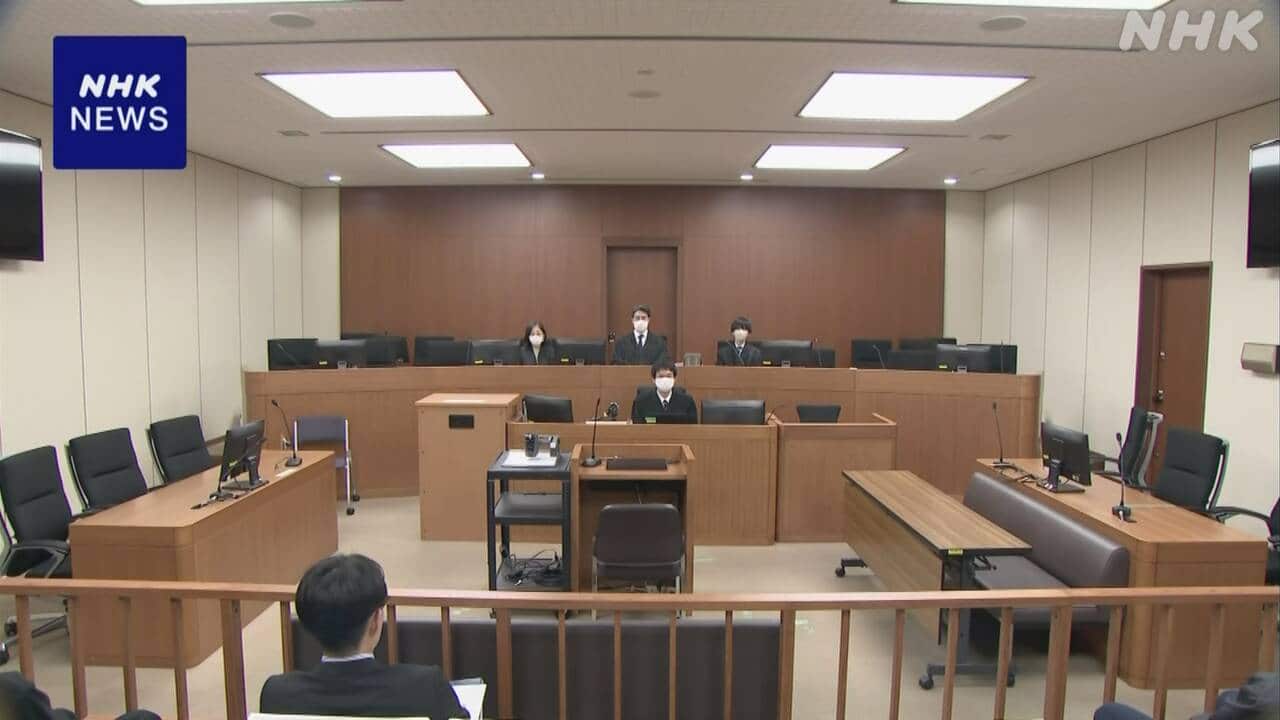
3年前に名古屋市で、わいせつ目的で女性にテキーラを32杯飲ませて泥酔させ、死亡させた罪などに問われた44歳の被告に対し、名古屋地方裁判所は「自己の性的欲求を優先させた身勝手さは厳しく非難されるべきだ」として懲役14年を言い渡しました。
名古屋市の会社役員、板谷博希被告(44)は3年前、市内のバーで、わいせつ目的で当時25歳の女性にアルコール度数40度のテキーラを32杯飲ませて泥酔させたあとホテルに連れ込み、急性アルコール中毒による低酸素脳症で死亡させた罪などに問われました。
これまでの裁判で、被告側は「わいせつ目的はなかった」などと無罪を主張していました。
13日の判決で、名古屋地方裁判所の蛯原意裁判長は「22杯のテキーラを飲んですでに相当酔っていた被害者に対し、さらにわずか10分の間に10杯飲ませており、死亡させる危険を伴うものであることは明らかだ。ホテルに運び込むことに気を取られ、被害者の状態に関心を向けていなかった」と指摘しました。
その上で「自己の性的欲求を優先させ、被害者の人格を無視した身勝手さは厳しく非難されるべきだ」として懲役14年を言い渡しました。
名古屋市の会社役員、板谷博希被告(44)は3年前、市内のバーで、わいせつ目的で当時25歳の女性にアルコール度数40度のテキーラを32杯飲ませて泥酔させたあとホテルに連れ込み、急性アルコール中毒による低酸素脳症で死亡させた罪などに問われました。
これまでの裁判で、被告側は「わいせつ目的はなかった」などと無罪を主張していました。
13日の判決で、名古屋地方裁判所の蛯原意裁判長は「22杯のテキーラを飲んですでに相当酔っていた被害者に対し、さらにわずか10分の間に10杯飲ませており、死亡させる危険を伴うものであることは明らかだ。ホテルに運び込むことに気を取られ、被害者の状態に関心を向けていなかった」と指摘しました。
その上で「自己の性的欲求を優先させ、被害者の人格を無視した身勝手さは厳しく非難されるべきだ」として懲役14年を言い渡しました。
Vocabulary
General
Proper noun
JLPT N2
JLPT N1
| # | 言葉 | 意味 |
|---|---|---|
| 4 | 飲む | のむ (飲む) : 1. to drink; to gulp; to swallow; to take (medicine) 2. to smoke (tobacco) |
| 3 | わいせつ | わいせつ (猥褻) : obscene; indecent; dirty; improper |
| 3 | 目的 | もくてき (目的) : purpose; goal; aim; objective; intention |
| 3 | 死亡 | しぼう (死亡) : 1. death; mortality 2. to die; to pass away |
| 3 | 被告 | ひこく (被告) : defendant; the accused |
| 3 | 被害者 | ひがいしゃ (被害者) : victim; injured party; sufferer |
| 2 | 名古屋市 | なごやし (名古屋市) : Nagoya (city) (place) |
| 2 | 泥酔 | でいすい (泥酔) : being dead drunk; drunken stupor |
| 2 | 罪 | つみ (罪) : 1. crime; sin; wrongdoing; indiscretion 2. penalty; sentence; punishment |
| 2 | 問う | とう (問う) : 1. to ask; to inquire 2. to blame (someone) for; to accuse of; to pursue (question of responsibility); to charge with |
| 2 | 名古屋 | なごや (名古屋) : Nagoya (city) |
| 2 | 地方裁判所 | ちほうさいばんしょ (地方裁判所) : district court; local court |
| 2 | 自己 | じこ (自己) : self; oneself |
| 2 | 性的 | せいてき (性的) : 1. (relating to) gender 2. sex; sexual |
| 2 | 欲求 | よっきゅう (欲求) : desire; want; will; wish; urge; craving |
| 2 | 優先 | ゆうせん (優先) : preference; priority; precedence |
| 2 | 身勝手 | みがって (身勝手) : selfish; self-centred; egotistical |
| 2 | 非難 | ひなん (非難) : criticism; blame; censure; attack; reproach |
| 2 | 懲役 | ちょうえき (懲役) : penal servitude; imprisonment with hard labor (hard labour) |
| 2 | 言い渡す | いいわたす (言い渡す) : to announce; to tell; to sentence; to order |
| 1 | 板谷 | いたがや (板谷) : Itagaya (surname) |
| 1 | 当時 | とうじ (当時) : at that time; in those days |
| 1 | アルコール度 | アルコールど (アルコール度) : alcohol content (usu. expressed per cent) |
| 1 | 連れ込む | つれこむ (連れ込む) : to bring (somebody into a place) |
| 1 | 低 | てい (低) : low (level, value, price, etc.) |
| 1 | 酸素 | さんそ (酸素) : oxygen (O) |
| 1 | 脳 | のう (脳) : 1. brain 2. brains; mind |
| 1 | 症 | しょう (症) : illness |
| 1 | 裁判 | さいばん (裁判) : trial; judgement; judgment |
| 1 | 無罪 | むざい (無罪) : innocence; being not guilty |
| 1 | 主張 | しゅちょう (主張) : claim; insistence; assertion; advocacy; emphasis; contention; opinion; tenet |
| 1 | 判決 | はんけつ (判決) : judicial decision; judgement; judgment; sentence; decree |
| 1 | 蛯 | えび (海老) : prawn; shrimp; lobster; crayfish |
| 1 | 原意 | げんい (原意) : original meaning |
| 1 | 裁判長 | さいばんちょう (裁判長) : presiding judge |
| 1 | すでに | すでに (既に) : already; too late |
| 1 | 相当 | そうとう (相当) : 1. corresponding to (in meaning, function, etc.); being equivalent to 2. appropriate; suitable; befitting; proportionate |
| 1 | 酔う | よう (酔う) : 1. to get drunk; to become intoxicated 2. to feel sick (e.g. in a vehicle); to become nauseated |
| 1 | わずか | わずか (僅か) : 1. (a) little; (a) few; slight; small (amount); trifling; meagre; meager 2. only; just; merely |
| 1 | 伴う | ともなう (伴う) : 1. to accompany; to go hand in hand with; to be consequent upon 2. to be accompanied by; to bring with; to take with; to be involved in |
| 1 | 明らか | あきらか (明らか) : 1. clear; obvious; evident; plain; definite 2. bright; light |
| 1 | 運び込む | はこびこむ (運び込む) : to carry in; to bring in |
| 1 | 取る | とる (取る) : 1. to take; to pick up; to grab; to catch 2. to pass; to hand; to give |
| 1 | 状態 | じょうたい (状態) : state; condition; situation; appearance; circumstances |
| 1 | 関心 | かんしん (関心) : concern; interest |
| 1 | 指摘 | してき (指摘) : pointing out; identification |
| 1 | 人格 | じんかく (人格) : personality; character; individuality; personhood |
| 1 | 無視 | むし (無視) : disregarding; ignoring |