“不妊手術禁止は憲法違反”国訴えた裁判 訴え退ける 東京地裁
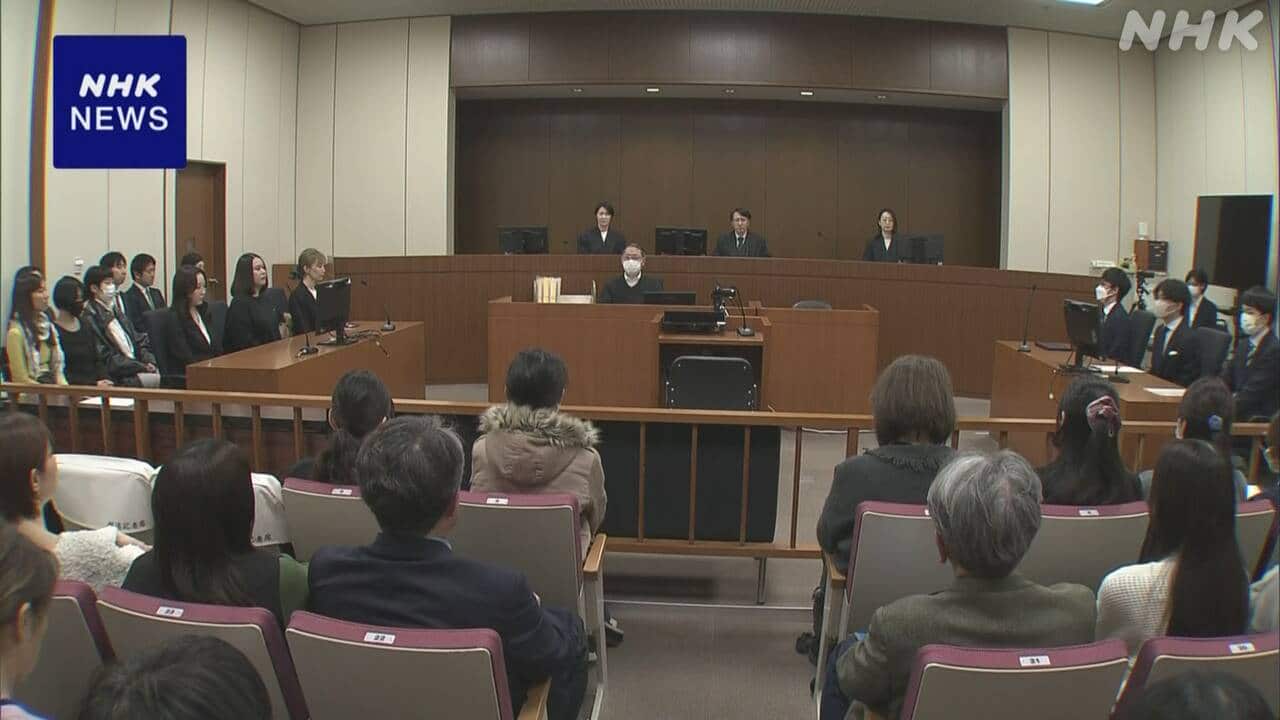
不妊手術を受けることが法律で原則として禁止されているのは憲法に違反するとして、女性5人が国を訴えた裁判で、東京地方裁判所は「憲法は不妊手術を受ける権利を保障しているとはいえない」として訴えを退けました。一方、「不妊出術についての法律の要件は合理性に乏しい」と指摘し、制度のあり方の検討が望まれるとしました。
母体保護法では、不妊手術は原則として禁止されていて、妊娠や出産によって生命に危険を及ぼすおそれがあるなどの要件を満たす場合に受けることができます。
こうした要件を満たさない20代から30代の女性5人は、法律の規定は自己決定権などを定めた憲法に違反するとして、おととし、国に対して自分の意思で不妊手術を受けられることの確認や損害賠償を求める訴えを起こしました。
17日の判決で、東京地方裁判所の鎌野真敬裁判長は「憲法13条は人格的生存に関わる重要な権利として、女性に対して避妊の自由を保障していると解されるが、避妊の方法は女性が主体的にとることができるものも含めて複数ある。不妊手術を受けることが人格的生存に不可欠とまでいうのは困難で、憲法13条が不妊手術を受ける権利や自由を保障しているとはいえない」と判断し、訴えを退けました。
一方で、「不妊手術についての法律の要件は合理性に乏しい」と指摘し、不妊手術に関わる制度のあり方について、適切な検討が望まれるとしました。
判決のあと、原告たちは裁判所の前で「一歩前進」、「わたしのからだはわたしのもの」と書かれた横断幕を掲げました。
その後開いた記者会見で、弁護団長の亀石倫子弁護士は、「憲法13条が避妊の自由を保障しているというのは初めての判断で、大きなことだ。一方で不妊手術を受けることが人格的生存に不可欠と言えないと判断されたことは残念だ」と述べ、控訴したことを明らかにしました。
また、原告の1人で恋愛感情や性的欲求を持たない「アロマンティック・アセクシュアル」を自認する26歳の女性は、「子どもを産まない体になるということは、自分らしいアイデンティティーで生きていく上で必要不可欠だと思う。請求自体は認められなかったが、不妊手術を制限する要件が合理性に乏しいと言及されたことは大きな成果で、希望を見いだすことができた」と話していました。
母体保護法では、不妊手術は原則として禁止されていて、妊娠や出産によって生命に危険を及ぼすおそれがあるなどの要件を満たす場合に受けることができます。
こうした要件を満たさない20代から30代の女性5人は、法律の規定は自己決定権などを定めた憲法に違反するとして、おととし、国に対して自分の意思で不妊手術を受けられることの確認や損害賠償を求める訴えを起こしました。
17日の判決で、東京地方裁判所の鎌野真敬裁判長は「憲法13条は人格的生存に関わる重要な権利として、女性に対して避妊の自由を保障していると解されるが、避妊の方法は女性が主体的にとることができるものも含めて複数ある。不妊手術を受けることが人格的生存に不可欠とまでいうのは困難で、憲法13条が不妊手術を受ける権利や自由を保障しているとはいえない」と判断し、訴えを退けました。
一方で、「不妊手術についての法律の要件は合理性に乏しい」と指摘し、不妊手術に関わる制度のあり方について、適切な検討が望まれるとしました。
判決のあと、原告たちは裁判所の前で「一歩前進」、「わたしのからだはわたしのもの」と書かれた横断幕を掲げました。
その後開いた記者会見で、弁護団長の亀石倫子弁護士は、「憲法13条が避妊の自由を保障しているというのは初めての判断で、大きなことだ。一方で不妊手術を受けることが人格的生存に不可欠と言えないと判断されたことは残念だ」と述べ、控訴したことを明らかにしました。
また、原告の1人で恋愛感情や性的欲求を持たない「アロマンティック・アセクシュアル」を自認する26歳の女性は、「子どもを産まない体になるということは、自分らしいアイデンティティーで生きていく上で必要不可欠だと思う。請求自体は認められなかったが、不妊手術を制限する要件が合理性に乏しいと言及されたことは大きな成果で、希望を見いだすことができた」と話していました。
Vocabulary
General
Proper noun
JLPT N2
JLPT N1
| # | 言葉 | 意味 |
|---|---|---|
| 10 | 不妊手術 | ふにんしゅじゅつ (不妊手術) : sterilization (operation); sterilisation |
| 6 | 憲法 | けんぽう (憲法) : 1. constitution 2. rules; regulation |
| 5 | 要件 | ようけん (要件) : 1. important matter 2. requirement; requisite; necessary condition; sine qua non |
| 4 | 保障 | ほしょう (保証) : guarantee; security; assurance; pledge; warranty |
| 3 | 権利 | けんり (権利) : right; privilege |
| 3 | 訴え | うったえ (訴え) : lawsuit; complaint |
| 3 | 合理性 | ごうりせい (合理性) : rationality; reasonableness |
| 3 | 乏しい | とぼしい (乏しい) : meagre; meager; scarce; limited; destitute; hard up; lacking; scanty; poor |
| 3 | 条 | すじ (筋) : 1. muscle; tendon; sinew 2. vein; artery |
| 3 | 生存 | せいぞん (生存) : 1. existence; being; survival 2. to exist; to live; to survive |
| 3 | 避妊 | ひにん (避妊) : contraception |
| 3 | 判断 | はんだん (判断) : 1. judgment; judgement; decision; conclusion; adjudication 2. divination |
| 2 | 原則 | げんそく (原則) : 1. principle; general rule 2. as a rule; in principle; in general |
| 2 | 禁止 | きんし (禁止) : prohibition; inhibition; ban |
| 2 | 違反 | いはん (違反) : violation; offense; offence; breach; transgression; infringement; contravention |
| 2 | 東京 | とうきょう (東京) : Tokyo |
| 2 | 地方裁判所 | ちほうさいばんしょ (地方裁判所) : district court; local court |
| 2 | 退ける | しりぞける (退ける) : to repel; to drive away; to repulse; to reject |
| 2 | 指摘 | してき (指摘) : pointing out; identification |
| 2 | 制度 | せいど (制度) : system; institution; organization; organisation |
| 2 | あり方 | ありかた (あり方) : 1. the way something ought to be 2. the (current) state of things; how things are |
| 2 | 検討 | けんとう (検討) : consideration; examination; investigation; study; scrutiny; discussion; analysis; review |
| 2 | 望む | のぞむ (望む) : 1. to desire 2. to wish for; to expect |
| 2 | 満たす | みたす (満たす) : 1. to satisfy (conditions, one's appetite, etc.); to meet (e.g. demands); to fulfill; to gratify 2. to fill (e.g. a cup); to pack; to supply |
| 2 | 判決 | はんけつ (判決) : judicial decision; judgement; judgment; sentence; decree |
| 2 | 関わる | かかわる (関わる) : 1. to be affected; to be influenced 2. to be concerned with; to have to do with |
| 2 | 不可欠 | ふかけつ (不可欠) : indispensable; essential |
| 2 | 原告 | げんこく (原告) : plaintiff; accuser; prosecutor |
| 1 | 訴える | うったえる (訴える) : 1. to raise; to bring to (someone's attention) 2. to appeal to (reason, emotions, etc.); to work on (one's emotions); to play on (one's sympathies) |
| 1 | 裁判 | さいばん (裁判) : trial; judgement; judgment |
| 1 | 不妊 | ふにん (不妊) : infertility; sterility; barrenness |
| 1 | 術 | じゅつ (術) : 1. art; technique 2. means; way |
| 1 | 法 | ほう (法) : 1. law; act; principle 2. method |
| 1 | 妊娠 | にんしん (妊娠) : conception; pregnancy |
| 1 | 出産 | しゅっさん (出産) : 1. childbirth; (giving) birth; delivery; parturition; confinement 2. production (of goods) |
| 1 | 生命 | せいめい (生命) : 1. life; existence 2. (one's) working life; career |
| 1 | 及ぼす | およぼす (及ぼす) : to exert (influence); to exercise; to cause (e.g. damage); to do (e.g. harm); to bring about (e.g. benefits); to extend; to have an effect (on) |
| 1 | おそれ | おそれ (恐れ) : fear; horror; anxiety; concern; uneasiness; reverence |
| 1 | 規定 | きてい (規定) : stipulation; prescription; provision; regulation; rule |
| 1 | 自己決定権 | じこけっていけん (自己決定権) : right of self-determination |
| 1 | 定める | さだめる (定める) : 1. to decide; to determine 2. to establish; to lay down; to prescribe; to provide; to stipulate |
| 1 | 意思 | いし (意思) : intention; wish; purpose; mind (to do) |
| 1 | 確認 | かくにん (確認) : confirmation; verification; validation; review; check; affirmation; identification |
| 1 | 損害賠償 | そんがいばいしょう (損害賠償) : restitution; damages; indemnity; compensation |
| 1 | 求める | もとめる (求める) : 1. to want; to wish for 2. to request; to demand; to require; to ask for |
| 1 | 起こす | おこす (起こす) : 1. to raise; to raise up; to set up; to pick up 2. to wake; to wake up; to waken; to awaken |
| 1 | 鎌野 | かまの (鎌野) : Kamano (place; surname) |
| 1 | 真敬 | まけい (真敬) : Makei (unclass) |
| 1 | 裁判長 | さいばんちょう (裁判長) : presiding judge |
| 1 | 重要 | じゅうよう (重要) : important; momentous; essential; principal; major |
| 1 | 解す | ほぐす (解す) : 1. to unravel; to untie; to untangle; to loosen 2. to break into small pieces (of fish, meat, etc.) |
| 1 | 方法 | ほうほう (方法) : method; process; manner; way; means; technique |
| 1 | 主体的 | しゅたいてき (主体的) : 1. independent; responsible; active; proactive 2. subjective |
| 1 | 含める | ふくめる (含める) : 1. to include (in a group or scope) 2. to instruct; to make one understand |
| 1 | 複数 | ふくすう (複数) : plural; multiple; several |
| 1 | 困難 | こんなん (困難) : 1. difficulty; hardship; trouble; distress 2. infeasibility; inability (to carry out) |
| 1 | 適切 | てきせつ (適切) : appropriate; suitable; fitting; apt; proper; right; pertinent; relevant |
| 1 | 裁判所 | さいばんしょ (裁判所) : court; courthouse |
| 1 | 前進 | ぜんしん (前進) : advance; moving forward; progress |
| 1 | 書く | かく (書く) : 1. to write; to compose; to pen 2. to draw; to paint |
| 1 | 横断幕 | おうだんまく (横断幕) : horizontal banner |
| 1 | 掲げる | かかげる (掲げる) : 1. to put up (a notice, sign, etc.); to hang out (e.g. a banner); to fly (e.g. a flag); to hoist; to raise; to display 2. to hold up high; to raise overhead |
| 1 | その後 | そのあと (その後) : after that; afterwards; thereafter |
| 1 | 開く | ひらく (開く) : 1. to open; to undo; to unseal; to unpack 2. to bloom; to unfold; to spread out |
| 1 | 記者会見 | きしゃかいけん (記者会見) : press conference |
| 1 | 弁護団 | べんごだん (弁護団) : team of lawyers; defense team; defence team |
| 1 | 亀石 | かめいし (亀石) : Kameishi (place; surname) |
| 1 | 倫子 | さとこ (倫子) : Satoko (fem) |
| 1 | 弁護士 | べんごし (弁護士) : lawyer; attorney |
| 1 | 言える | いえる (言える) : 1. to be possible to say; to be able to say 2. said; have said |
| 1 | 述べる | のべる (述べる) : to state; to express; to mention |
| 1 | 控訴 | こうそ (控訴) : appeal to a higher court; intermediate appeal |
| 1 | 明らか | あきらか (明らか) : 1. clear; obvious; evident; plain; definite 2. bright; light |
| 1 | 恋愛 | れんあい (恋愛) : love; love-making; passion; emotion; affections |
| 1 | 感情 | かんじょう (感情) : emotion; feeling; feelings; sentiment |
| 1 | 性的 | せいてき (性的) : 1. (relating to) gender 2. sex; sexual |
| 1 | 欲求 | よっきゅう (欲求) : desire; want; will; wish; urge; craving |
| 1 | 持つ | もつ (持つ) : 1. to hold (in one's hand); to take; to carry 2. to possess; to have; to own |
| 1 | 自認 | じにん (自認) : 1. admission; (self-)acknowledgment; (self-)acknowledgement 2. self-identification |
| 1 | 子ども | こども (子供) : child |
| 1 | 産む | うむ (生む) : 1. to give birth; to bear (child); to lay (eggs) 2. to produce; to yield; to give rise to; to deliver |
| 1 | らしい | らしい : 1. seeming ...; appearing ... 2. -ish; like a ...; typical of ...; appropriate for ...; becoming of ...; worthy of the name ... |
| 1 | 生きる | いきる (生きる) : 1. to live; to exist 2. to make a living; to subsist |
| 1 | 必要不可欠 | ひつようふかけつ (必要不可欠) : absolutely essential; indispensable; vital; critical |
| 1 | 請求 | せいきゅう (請求) : claim; demand; charge; application; request; billing (for a service) |
| 1 | 自体 | じたい (自体) : 1. itself 2. one's own body; oneself |
| 1 | 認める | したためる (認める) : 1. to write (e.g. a letter); to draw up (a document); to take down (e.g. notes) 2. to have (lunch, dinner, etc.); to eat |
| 1 | 制限 | せいげん (制限) : restriction; restraint; limitation; limit |
| 1 | 言及 | げんきゅう (言及) : reference; allusion |
| 1 | 成果 | せいか (成果) : (good) result; outcome; fruits (of one's labors); product; accomplishment |
| 1 | 希望 | きぼう (希望) : hope; wish; aspiration |
| 1 | 見いだす | みいだす (見出す) : 1. to find out; to discover; to notice; to detect 2. to select; to pick out |