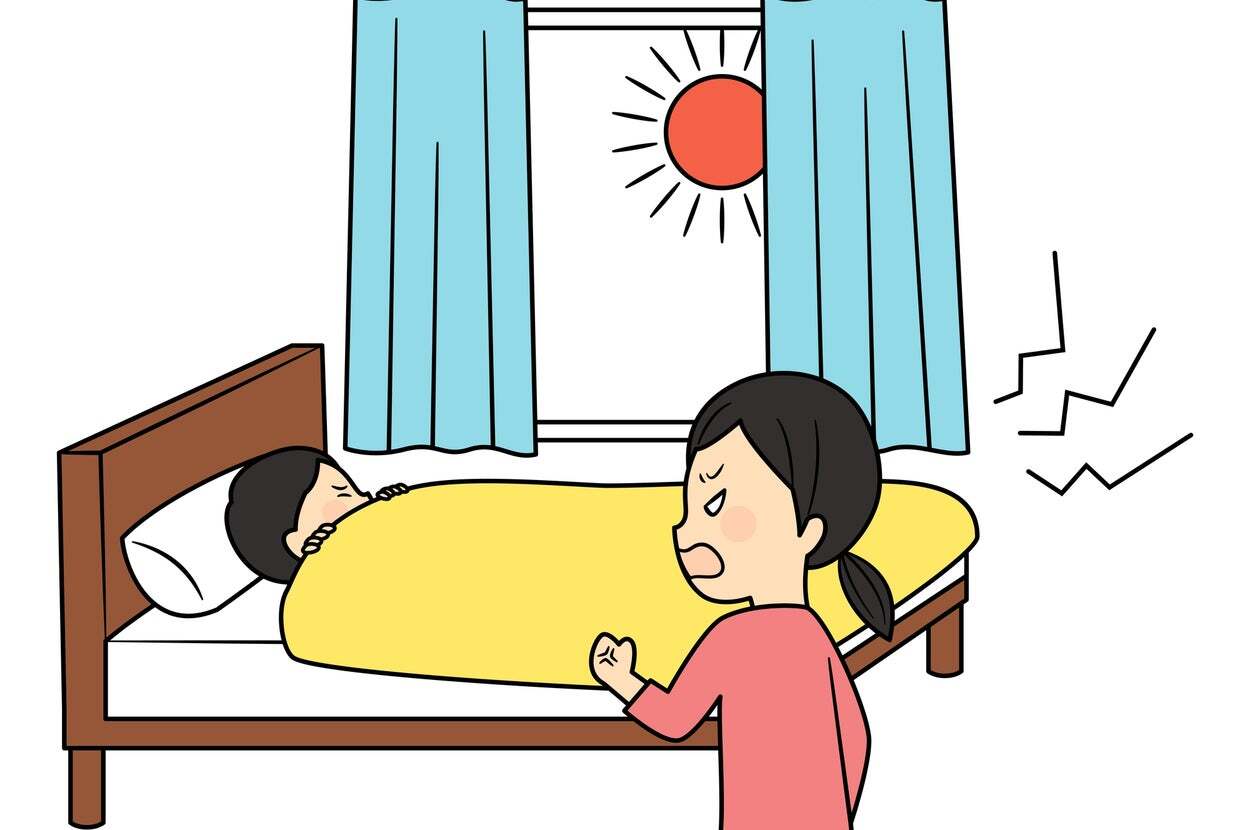
【新年度】約7割の子どもが「朝スムーズに起きられないことがある」。対策は?
進級や進学で環境が変わりがちな新年度を前に、一般社団法人「起立性調節障害改善協会」は、小学校高学年〜高校生の子どもを持つ保護者149人を対象に「新学期の登校時間と朝の起床に関する実態調査」を行いました。
4月7日のプレスリリースをもとに紹介します。
進級や進学で環境が変わりがちな新年度を前に、一般社団法人「起立性調節障害改善協会」は、小学校高学年〜高校生の子どもを持つ保護者149人を対象に「新学期の登校時間と朝の起床に関する実態調査」を行いました。 4月7日のプレスリリースをもとに紹介します。
「新年度から、お子さまの登校時間は変わりますか?」との質問では、「今と変わらない」が75.8%、「今より早くなる」が13.5%、「まだわからない」が6.0%、「今より遅くなる」が4.7%でした。
「新年度の登校時間に対して、不安はありますか?」との質問では、「あまり不安はない」が45.6%、「やや不安がある」が27.5%、「まったく不安はない」が20.1%、「とても不安がある」が6.8%でした。 3割超の回答者が新年度の登校時間に不安を抱いていることが分かります。
「現在、お子さまは朝スムーズに起きられていますか?」との質問では、「たまに起きられないことがある」が47.0%で最も多く、次いで「毎朝スムーズに起きている」が30.8%、「起きられない日の方が多い」が16.8%、「ほぼ毎朝起きられず困っている」は5.4%でした。 「毎朝スムーズ」な子どもは3割程度で、残りの約7割は何らかの起きづらさを感じているとのこと。
「新学期、お子さまが朝起きられない状態が続いた場合どのような対策をとりますか?」との質問では、「早寝を徹底させる」が22.8%で最も多く、次いで「スマホやゲームの夜間利用を制限する」が21.5%、「起こし方を工夫する」が16.4%でした。 以下は「朝食や生活リズムを見直す」「しばらく様子を見る」が続きました。 調査では「多くの家庭が『本人の心がけ』や『家庭内での工夫』で解決しようとする一方、専門機関への相談を検討する人は極めて少数」だったとしています。
「お子さまの『朝起きられない』が長期間続いた場合、起立性調節障害の可能性があることを知っていますか?」では、「聞いたことはある程度」が55.8%、「今初めて知った」と「よく知っている」がともに22.1%でした。
調査した「起立性調節障害改善協会」は今回の調査について、起きられない状態への対策が「早寝」や「スマホ制限」など生活習慣の調整に集中していると指摘。「不調を『疲れ』で見過ごさず、専門的な視点を含めた多角的なサポート体制の構築が求められる」としています。 特に子どもが「起きたくても、どうしても体が動かない」「午前中に頭痛や立ちくらみがする」と訴えている場合は「起立性調節障害」の可能性があるとし、専門機関への相談を勧めています。
調査主体:一般社団法人 起立性調節障害改善協会 調査期間:2026年3月26日~31日 調査対象:2026年4月に進学・進級を控える小学校高学年〜高校生の子どもを持つ保護者 調査方法:インターネットによるアンケート調査 有効回答数:149人
進級や進学で環境が変わりがちな新年度を前に、一般社団法人「起立性調節障害改善協会」は、小学校高学年〜高校生の子どもを持つ保護者149人を対象に「新学期の登校時間と朝の起床に関する実態調査」を行いました。 4月7日のプレスリリースをもとに紹介します。
「新年度から、お子さまの登校時間は変わりますか?」との質問では、「今と変わらない」が75.8%、「今より早くなる」が13.5%、「まだわからない」が6.0%、「今より遅くなる」が4.7%でした。
「新年度の登校時間に対して、不安はありますか?」との質問では、「あまり不安はない」が45.6%、「やや不安がある」が27.5%、「まったく不安はない」が20.1%、「とても不安がある」が6.8%でした。 3割超の回答者が新年度の登校時間に不安を抱いていることが分かります。
「現在、お子さまは朝スムーズに起きられていますか?」との質問では、「たまに起きられないことがある」が47.0%で最も多く、次いで「毎朝スムーズに起きている」が30.8%、「起きられない日の方が多い」が16.8%、「ほぼ毎朝起きられず困っている」は5.4%でした。 「毎朝スムーズ」な子どもは3割程度で、残りの約7割は何らかの起きづらさを感じているとのこと。
「新学期、お子さまが朝起きられない状態が続いた場合どのような対策をとりますか?」との質問では、「早寝を徹底させる」が22.8%で最も多く、次いで「スマホやゲームの夜間利用を制限する」が21.5%、「起こし方を工夫する」が16.4%でした。 以下は「朝食や生活リズムを見直す」「しばらく様子を見る」が続きました。 調査では「多くの家庭が『本人の心がけ』や『家庭内での工夫』で解決しようとする一方、専門機関への相談を検討する人は極めて少数」だったとしています。
「お子さまの『朝起きられない』が長期間続いた場合、起立性調節障害の可能性があることを知っていますか?」では、「聞いたことはある程度」が55.8%、「今初めて知った」と「よく知っている」がともに22.1%でした。
調査した「起立性調節障害改善協会」は今回の調査について、起きられない状態への対策が「早寝」や「スマホ制限」など生活習慣の調整に集中していると指摘。「不調を『疲れ』で見過ごさず、専門的な視点を含めた多角的なサポート体制の構築が求められる」としています。 特に子どもが「起きたくても、どうしても体が動かない」「午前中に頭痛や立ちくらみがする」と訴えている場合は「起立性調節障害」の可能性があるとし、専門機関への相談を勧めています。
調査主体:一般社団法人 起立性調節障害改善協会 調査期間:2026年3月26日~31日 調査対象:2026年4月に進学・進級を控える小学校高学年〜高校生の子どもを持つ保護者 調査方法:インターネットによるアンケート調査 有効回答数:149人
Vocabulary
General
Proper noun
JLPT N2
JLPT N1
| # | 言葉 | 意味 |
|---|---|---|
| 10 | 起きる | おきる (起きる) : 1. to get up; to rise; to blaze up (fire) 2. to wake up; to be awake; to stay awake |
| 7 | 調査 | ちょうさ (調査) : investigation; examination; inquiry; enquiry; survey |
| 6 | 起立性調節障害 | きりつせいちょうせつしょうがい (起立性調節障害) : orthostatic intolerance; orthostatic dysregulation; orthostatic disturbance |
| 6 | 不安 | ふあん (不安) : anxiety; uneasiness; worry; apprehension; fear; insecurity; suspense |
| 5 | 子ども | こども (子供) : child |
| 5 | 登校 | とうこう (登校) : attendance (at school); going to school |
| 4 | 変わる | かわる (変わる) : 1. to change; to be transformed; to be altered; to vary 2. to move to |
| 4 | 改善 | かいぜん (改善) : 1. betterment; improvement 2. kaizen (Japanese business philosophy of continuous improvement) |
| 4 | 協会 | きょうかい (協会) : association; society; organization; organisation |
| 4 | お子さま | おこさま (お子様) : 1. (someone else's) child 2. child; kid |
| 3 | 進級 | しんきゅう (進級) : promotion (school, military, etc.) |
| 3 | 進学 | しんがく (進学) : entering a higher-level school, esp. going on to university |
| 3 | 一般社団法人 | いっぱんしゃだんほうじん (一般社団法人) : general incorporated association |
| 3 | 学年 | がくねん (学年) : 1. academic year; school year 2. year in school; grade in school |
| 3 | 保護者 | ほごしゃ (保護者) : guardian; protector; patron; parent |
| 3 | 新学期 | しんがっき (新学期) : new school term |
| 3 | 割 | わり (割り) : 1. rate; ratio; proportion; percentage 2. profit |
| 3 | 知る | しる (知る) : 1. to be aware of; to know; to be conscious of; to cognize; to cognise 2. to notice; to feel |
| 2 | 環境 | かんきょう (環境) : environment; circumstance |
| 2 | がち | がち (雅致) : artistry; good taste; elegance; grace |
| 2 | 対象 | たいしょう (対象) : target; object (of worship, study, etc.); subject (of taxation, etc.) |
| 2 | 起床 | きしょう (起床) : rising (from one's bed); getting up; getting out of bed |
| 2 | 関する | かんする (関する) : to concern; to be related |
| 2 | 実態調査 | じったいちょうさ (実態調査) : fact-finding investigation; investigation into actual conditions; fact-finding survey |
| 2 | もと | もと (元) : 1. origin; source 2. base; basis; foundation; root |
| 2 | 最も | もっとも (最も) : most; extremely |
| 2 | 次いで | ついで (次いで) : next; secondly; subsequently |
| 2 | 程度 | ていど (程度) : degree; amount; grade; standard; of the order of (following a number); about; approximately |
| 2 | 状態 | じょうたい (状態) : state; condition; situation; appearance; circumstances |
| 2 | 対策 | たいさく (対策) : measure; step; countermeasure; counterplan; countermove; strategy; preparation (e.g. for a test) |
| 2 | 早寝 | はやね (早寝) : go to bed early |
| 2 | 制限 | せいげん (制限) : restriction; restraint; limitation; limit |
| 2 | 工夫 | くふう (工夫) : 1. devising (a way); contriving; figuring out; coming up with; working out; inventing 2. device; design; idea; plan; invention |
| 2 | 専門 | せんもん (専門) : speciality; specialty; subject of study; expert; area of expertise |
| 2 | 機関 | からくり (絡繰り) : 1. mechanism; machinery; contrivance; device 2. trick; dodge |
| 2 | 可能性 | かのうせい (可能性) : potentiality; likelihood; possibility; availability |
| 1 | 早く | はやく (早く) : 1. early; soon 2. quickly; swiftly; rapidly; fast |
| 1 | わかる | わかる (分かる) : 1. to understand; to comprehend; to grasp; to see; to get; to follow 2. to become clear; to be known; to be discovered; to be realized; to be realised; to be found out |
| 1 | 遅く | おそく (遅く) : 1. late 2. slowly |
| 1 | やや | やや (稍) : a little; partially; somewhat; slightly; semi-; -ish; on the ... side; a short time; a while |
| 1 | まったく | まったく (全く) : 1. really; truly; entirely; completely; wholly; perfectly 2. indeed |
| 1 | 超 | ちょう (超) : 1. super-; ultra-; hyper-; extreme 2. extremely; really; totally; absolutely |
| 1 | 回答者 | かいとうしゃ (回答者) : respondent |
| 1 | 抱く | いだく (抱く) : 1. to hold in one's arms (e.g. a baby); to embrace; to hug 2. to have (a thought or feeling); to hold; to harbour (suspicion, doubt, etc.); to harbor; to bear (a grudge, ill will, etc.); to entertain (hope, illusions, etc.); to cherish (e.g. an ambition) |
| 1 | 分かる | わかる (分かる) : 1. to understand; to comprehend; to grasp; to see; to get; to follow 2. to become clear; to be known; to be discovered; to be realized; to be realised; to be found out |
| 1 | 現在 | げんざい (現在) : now; current; present; present time; as of |
| 1 | ほぼ | ほぼ (略) : almost; roughly; approximately |
| 1 | 困る | こまる (困る) : 1. to be troubled; to have difficulty; to be in a fix; to be at a loss; to be stumped; to be embarrassed 2. to be bothered; to be inconvenienced; to be annoyed |
| 1 | 残り | のこり (残り) : remnant; residue; remaining; left-over |
| 1 | づら | づら : wig; hairpiece |
| 1 | 感ずる | かんずる (感ずる) : to feel; to sense |
| 1 | 徹底 | てってい (徹底) : 1. thoroughness; completeness; consistency 2. thorough enforcement; seeing to it that a policy, etc. is carried out without exception |
| 1 | 夜間 | やかん (夜間) : night; nighttime |
| 1 | 起こす | おこす (起こす) : 1. to raise; to raise up; to set up; to pick up 2. to wake; to wake up; to waken; to awaken |
| 1 | 朝食 | ちょうしょく (朝食) : breakfast |
| 1 | 生活 | せいかつ (生活) : living; life (one's daily existence); livelihood |
| 1 | 見直す | みなおす (見直す) : 1. to look at again 2. to re-examine (policy, estimate, plan, etc.); to review |
| 1 | 様子 | ようす (様子) : 1. state; state of affairs; situation; circumstances 2. appearance; look; aspect |
| 1 | 本人 | ほんにん (本人) : the person in question; the person themselves; said person |
| 1 | 心がけ | こころがけ (心がけ) : (mental) attitude; way of thinking; attention; care; prudence; intention |
| 1 | 家庭内 | かていない (家庭内) : domestic; in the family |
| 1 | 解決 | かいけつ (解決) : settlement; solution; resolution |
| 1 | 検討 | けんとう (検討) : consideration; examination; investigation; study; scrutiny; discussion; analysis; review |
| 1 | 極めて | きわめて (極めて) : exceedingly; extremely; decisively |
| 1 | 少数 | しょうすう (少数) : small number; few; minority |
| 1 | 長期間 | ちょうきかん (長期間) : long period (of time) |
| 1 | 聞く | きく (聞く) : 1. to hear 2. to listen (e.g. to music) |
| 1 | 生活習慣 | せいかつしゅうかん (生活習慣) : lifestyle; way of living |
| 1 | 調整 | ちょうせい (調整) : adjustment; regulation; coordination; reconciliation; tuning; fixing; tailoring |
| 1 | 集中 | しゅうちゅう (集中) : 1. concentration; focusing; convergence; centralization; integration; gathering together 2. within a collection of works |
| 1 | 指摘 | してき (指摘) : pointing out; identification |
| 1 | 不調 | ふちょう (不調) : bad condition; not to work out (i.e. a deal); disagreement; break-off; disorder; slump; out of form |
| 1 | 疲れ | つかれ (疲れ) : tiredness; fatigue |
| 1 | 見過ごす | みすごす (見過ごす) : to let go by; to let pass; to overlook; to miss |
| 1 | 専門的 | せんもんてき (専門的) : technical (e.g. discussion); exclusive; professional |
| 1 | 視点 | してん (視点) : opinion; point of view; visual point |
| 1 | 含める | ふくめる (含める) : 1. to include (in a group or scope) 2. to instruct; to make one understand |
| 1 | 多角的 | たかくてき (多角的) : multilateral; many-sided; diversified |
| 1 | 体制 | たいせい (体制) : order; system; structure; set-up; organization; organisation |
| 1 | 構築 | こうちく (構築) : construction; building; putting up; erecting; creation; formulation; architecture (systems, agreement, etc.) |
| 1 | 求める | もとめる (求める) : 1. to want; to wish for 2. to request; to demand; to require; to ask for |
| 1 | 動く | うごく (動く) : 1. to move; to stir; to shift; to shake; to swing 2. to operate; to run; to go; to work |
| 1 | 午前中 | ごぜんちゅう (午前中) : in the morning; during the morning |
| 1 | 頭痛 | ずつう (頭痛) : headache |
| 1 | 立ちくらみ | たちくらみ (立ちくらみ) : dizziness (from standing up too fast); orthostatic syncope; lightheadedness; vertigo |
| 1 | 訴える | うったえる (訴える) : 1. to raise; to bring to (someone's attention) 2. to appeal to (reason, emotions, etc.); to work on (one's emotions); to play on (one's sympathies) |
| 1 | 勧める | すすめる (勧める) : 1. to recommend (someone to do); to advise; to encourage; to urge 2. to recommend (a book, someone for a position, etc.); to suggest |
| 1 | 主体 | しゅたい (主体) : 1. main constituent; core; nucleus 2. subject (philosophical); protagonist |
| 1 | 期間 | きかん (期間) : period; term; interval |
| 1 | ~ | にょろ (~) : tilde; wave dash |
| 1 | 控える | ひかえる (控える) : 1. to be temperate in; to refrain; to abstain; to hold back; to restrain oneself from excessive ... 2. to make notes; to jot down (e.g. phone number) |
| 1 | 方法 | ほうほう (方法) : method; process; manner; way; means; technique |
| 1 | 有効 | ゆうこう (有効) : 1. valid; effective 2. yuko (judo) |
| 1 | 回答 | かいとう (回答) : reply; answer |
| 1 | 数 | しばしば (屡々) : often; again and again; frequently; repeatedly |