中村敬斗は、森保ジャパンの切り札になる!「どんな大舞台でも自分のプレイができると信じる」
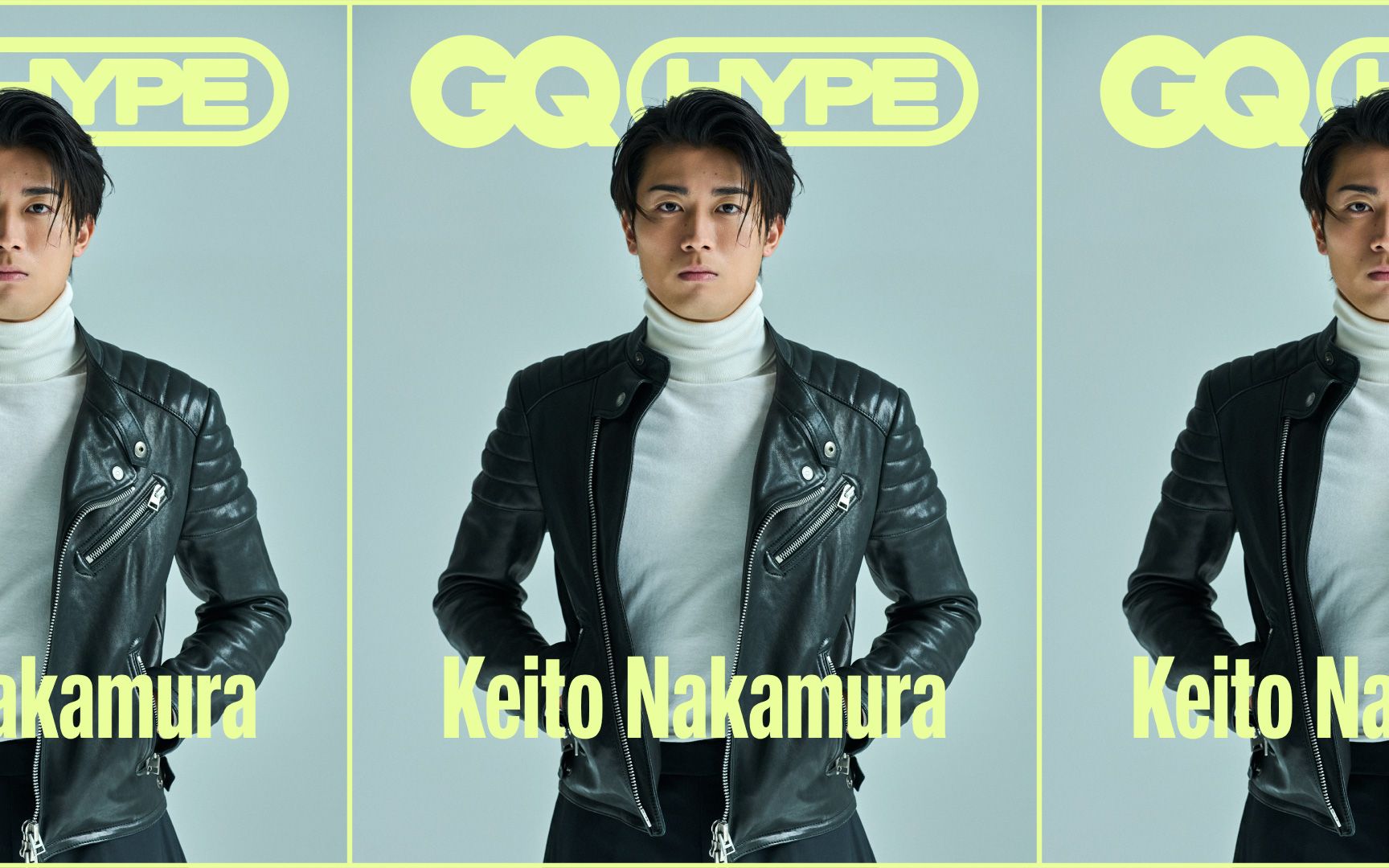
2023年に日本代表としてデビューして以来、ここぞという場面でゴールを奪ってきた中村敬斗は、森保ジャパンの切り札的存在だ。
2025年10月14日の日本代表対ブラジル代表の試合で決めた同点ゴールは、中村敬斗というサッカー選手の特徴を凝縮したようなプレイだった。 チャンスと見るや、素早くゴール前に侵入する戦術眼。相手を振り切るスピード。そして、ライナー性のクロスをボレーでとらえ、狙った場所に撃ち込む技術。賢くて速くて上手い、だから点が取れる。それが中村敬斗だ。対ブラジル代表戦初勝利につながる得点に日本のサッカーファンは狂喜したけれど、中村はあくまで冷静に振り返る。 「形としては逆サイドで堂安選手と伊東選手が形をつくって僕に(ボールを)くれたので、まぁ決めるだけというところでしたけれど、うまく入ったんで良かったと思います。いろいろな人からほめていただきましたけれど、まぁ、公式戦ではないので……」 ブラジル戦はあくまで親善試合であり、ワールドカップ本番で勝たなければ意味がないと言いたいのだろう。客観的で浮ついたところがない受け答えは、彼が試合中に見せるゴール前での冷静沈着な振る舞いにつながる。 このインタビューは、2025年末のフランス2部リーグのウインターブレイク中、中村が日本に帰国しているタイミングで実現した。2025-26シーズンの開幕にあたり、中村は2部に降格したスタッド・ランスを離れ、移籍を模索した。結果として彼はチームに残る道を選び、インタビューの時点で12試合に出場、7ゴール2アシストとチームを牽引していた。この数字について尋ねると、中村は「足りないですね」と不満そうな表情を見せた。 「(移籍の関係で)チームへの合流が2カ月遅れたというのもあったんですが、もう少し点が取れたらよかったと思います。コンディション的には順調なシーズンです」 三菱養和ユースに所属していた高校2年生のときにガンバ大阪と契約、若くして将来を嘱望されていた中村は、18歳でヨーローパへ渡った。7シーズンを過ごした欧州サッカーのスタイルや環境をどのように受け止めているかを尋ねる。 「縦に速いですね。僕にはヨーロッパのサッカーのほうが合っていて、やりやすいと感じています。環境に関しては、ビッグクラブにプレイしていないのでなんとも言えませんが、僕が所属してきたクラブに関して言うと、Jリーグのガンバ大阪のほうが施設は整っていたと思います」 文字にすると穏やかな物言いであるけれど、その口調からは、「絶対にビッグクラブでプレイする」という強い気持ちが垣間見えた。 話題をワールドカップに切り替える。「はじめて日本代表を意識したのはいつか」という問いには、「2006年のドイツ(ワールドカップ)ですね」と即答した。 「中田英寿選手や中村俊輔選手を見て、日本代表になってあの舞台に立ちたいと思いました」 憧れだった日本代表の一員として実際にプレイしてみて、どんな感想を抱いたのだろうか。 「すごい選手ばかり。負けないように頑張るだけです。もちろんプレッシャーもあるけれど、いつもどおりプレイすることを心がけています。ヨーロッパは縦に速いという話をしましたけれど、サッカーはサッカーです。どんな大舞台でも自分のプレイができると信じる。代表に選ばるためにも、まずは所属チームで結果を残したいですね」 本人の言葉どおり、スタッド・ランスで得点を重ねた中村は、2026年3月にヨーロッパへ遠征する日本代表のメンバーに選ばれた。インタビューを通して感じたのは、“ブレ”のなさ。喜怒哀楽を表に出さず、大言壮語もしない。「自分はもっとできる」という確信が彼を支えているようだ。 ワールドカップの大舞台で、あるいは近い将来に所属するであろう欧州ビッグクラブで、難しいゴールを涼しい顔で決めて、控えめに喜ぶ姿が目に浮かぶ。まだ世界が知らない森保ジャパンの切り札は、決定力不足という日本代表の課題を解消する、ゲームチェンジャーになると期待したい。 ここからは、中村敬斗の素顔に迫るべく、28の質問に答えてもらった。
──モチベーションを上げたり、自分を元気づけるファイトソングを教えてください。 EXILEの『HERO』という曲をよく聴きます。 ──どんなときに聴きますか? 試合前ですね。昨シーズン(2024-25シーズン)のパリ・サンジェルマン戦では、ホームでもアウェイでも点を取りましたが、あの試合の前も聴いていました。 ──突然、1日のオフができたら何をしますか? パリに行きます。家から近いんですよ。目的なくパリへ行って、カフェに入るかな。 ──1週間の休み、オフができたら何をしますか? 飛行機で違う国に行きたいですね。オーロラを見てみたいので、北欧かな。テレビで北欧のオーロラを見たことがあって、いつか行きたいと思っています。 ──いまの自分にサッカー選手としての点数をつけるとしたら? 70点……、いや65点ぐらいかな。まったく想定どおりには進んでいないけれど、でも悪くはない気もします。 ──気分転換には何をしますか? カフェに行きます。専属シェフと一緒に行くことが多いです。 ──最近ハマっていることやマイブームはありますか? うーん、なんだろう……、特にないです。 ──これから挑戦したいことは? サッカー選手としてもっと上を目指したいですね。行ったことのない国に行くのも自分には挑戦で、先日はモロッコに行きました。 ──料理はしますか? シェフがいないときに、たまに。 ──得意料理と、こだわりは? 肉と麺ですね。こだわりというほどではないですけれど、偏らないように、鶏と豚と牛を日替わりで選んだりしています。 ──冷蔵庫に必ずあるものは? チョコレートと、ヨーグルト、フルーツかな。 ──人生最後の晩餐は何を食べたいですか? 鰻や寿司が好きなんですけれど、でも焼き肉もいいし、難しい……。プロになるために、食事をトレーニングの一環みたいにストイックに考えていたんですけれど、いまは気にしないで何でも食べるようになりました。 ──サッカー以外で好きなスポーツは? テニスを見るのは好き。たまにプレイすることもありますが、めっちゃ下手です(笑)。 ──サッカー選手以外で気になるアスリートはいますか? いないですね。 ──いま暮らしているのはどんな街ですか? 静かな街です。パリと違って、シャンパーニュ地方のランスは、長閑とまではいかないけれど、暮らしやすいです。ファンやサポーターと普通に会話もするし、頼まれれば一緒に写真も撮ります。 ──行きつけの店はありますか? ガレットの店です。大きな街じゃないし、3年住んでいるのでほとんど網羅しました。 ──好きな映画は? Netflixで探して気になったものを観ます。 ──映画館派ですか? それとも自宅派ですか? 映画館で観たいんですけれど、ランスに来てからは行ってないですね。映画館の匂いが好きなんですよ、ポップコーンの香りとか。 ──人生で一番印象に残っている本は? 『イチロー思考』です。中学生のときに母からプレゼントされて、イチローさんの考え方に共感して、ネガティブな気持ちになったときに読み返しました。無理にポジティブにする必要はなくて、ネガティブな精神状態もときには必要、ということが書いてあったと記憶しています。 ──好きな本のジャンルは? 自己啓発本みたいなジャンルが好きです。 ──好きなマンガはありますか? マンガはまったく読まないです。アニメはテレビで観ていましたけれど。 ──では、好きなアニメは? 『ワンピース』です。 ──ラッキーカラー、好きな色は? 小さいころから緑。両親によると、葉っぱの色だから好きになったらしいです。はじめて買った携帯電話もグリーンでした。 ──朝、目が覚めたら必ず行う3ステップを教えてください。 髪の毛を水で濡らしてドライヤーで寝癖を直し、ビタミン剤を摂取して、水を一口飲んでゴーです。5分以内に家を出ます。 ──寝る前に必ずすることは? ストレッチは絶対します。1時間ぐらいかけて、でも集中してやるわけじゃなくて、ぼーっとテレビを見ながら体をほぐします。 ──試合前のルーティンは? ストレッチをしてテーピングをするぐらいで、とくにありません。 ──あなたのヒーローはだれですか? ロナウジーニョですかね。楽しそうにサッカーをやっているところがすごいと思いました。 ──最後の質問です。あなたのモットーは? 腐らない。
KEITO NAKAMURA 2000年生まれ。小学生の時に柏レイソルの下部組織に入団するも、パス主体のサッカーが肌に合わず、ジュニアユース(中学生)年代からは個人技を磨く三菱養和に所属。17歳でガンバ大阪と契約、18歳で渡欧、現在はフランスリーグ2部のスタッド・ランスに所属する。日本代表としても10得点を記録している。 写真・田邊 剛 GO TANABE スタイリング・野口 強 TSUYOSHI NOGUCHI(OTA OFFICE) ヘア・ASASHI(OTA OFFICE) メイク・藤尾明日香 ASUKA FUJIO 翻訳・Lena Grace Suda 文・サトータケシ TAKESHI SATO インタビューと編集・神谷 晃(GQ)AKIRA KAMIYA
Keito Nakamura is the Secret Weapon of Samurai Blue Since his debut as a soccer player for the Japan national football team in 2023, Keito Nakamura has scored goals at just the right moments. He’s Samurai Blue’s secret weapon. The remarkable equalizer against Brazil: just a matter of scoring The equalizer that Keito Nakamura scored in Japan's game against Brazil on October 14th, 2025, epitomizes his key characteristics as a soccer player. As soon as the opportunity arose, he quickly moved to the front of the goal, a demonstration of his tactical instinct. He warded off his opponents with his speed. He volleyed a driven cross, aiming it at the target area with finesse. He can score because he’s adroit, fast, and good at what he does. That's Nakamura for you. Fans of the Japanese soccer team were ecstatic when he scored, as that led to Japan’s first victory against Brazil. In contrast, Nakamura looks back on it with a cool head. “Doan and Ito made a formation on the other side, and passed [the ball] to me, so all I had to do was score a goal. I'm glad the ball went in. A lot of people gave me words of praise, but it wasn’t an official match, so...” The game against Brazil was a friendly match, meaning that if Japan doesn’t win the upcoming official World Cup, it won’t matter. His consistent, objective response speaks to the calm, collected demeanor he had when he stood in front of the goal during the game described above. This interview took place when Nakamura was back in Japan during his winter break from Ligue 2 at the end of 2025. At the beginning of the 2025-2026 season, Nakamura was away from Stade de Reims, which had been relegated to the second division, and began looking for a new club. Ultimately, though, he decided to remain on the team. At the time of the interview, he had played in 12 matches, scored seven goals, and earned two assists. He had been leading the team. When I ask him about these stats, he says, “It’s not enough” with an unsatisfied face. “[Due to the prospect of transferring] I returned to the team two months late. I wish I could’ve scored a bit more. This season, I'm in good condition.” Nakamura signed with Gamba Osaka as a sophomore in high school, after playing for Mitsubishi Yowa SC. He had high hopes at a young age and moved to Europe at 19. I ask him how he responded to the environment and soccer style of Europe, where he spent seven seasons. “Their vertical attacks are fast. Europe’s style of soccer matches me better. I feel more comfortable. In terms of the environment, I can’t say much because I’ve never played for a big club, but regarding clubs I’ve played for, I think Gamba Osaka in the J League had better facilities.” On paper, his answer sounds gentle. But from his tone, I could sense a strong conviction that he’ll play for a big team one day. I switch topics to the World Cup. In response to my question, “When did you start wanting to play for Japan?” he swiftly replies, “[The World Cup held in] Germany in 2006.” “I watched people like Hidetoshi Nakata and Shunsuke Nakamura play, and wanted to stand on the big stage to represent Japan one day.” How does he feel about playing soccer for the Japan national football team, something he had dreamed of? “There are so many impressive players. All I can do is to do my best not to lose. Of course, there's some pressure, but I make sure I play the way I always do. I did mention that European vertical attacks are fast, but soccer is soccer. I need to believe that I can play the way I can, no matter how prestigious the pitch is. I want to make achievements in my team so that I can be chosen for the Japan national football team.” Just as he said, after scoring for Reims, he was selected to play for Japan in Europe in March 2026. From our interview with him, it’s clear that he doesn’t waver. He doesn’t express his emotions in an overt way, nor does he brag or boast. His belief that he can do better seems to sustain him. I can imagine him scoring a technically complex goal with a cool face and rejoicing in a restrained way at the World Cup or at a big European club, which he’s bound to join in the near future. I hope Samurai Blue’s secret weapon, still unknown to the world, becomes the catalyst that resolves the Japan national football team's indecisiveness. Below, GQ Japan asks Keito Nakamura 28 questions to shed light on who he is from a different angle. 28 questions to reveal Keito Nakamura’s true face
──Do you have a fight song that motivates you or cheers you up? I listen to EXILE’s “HERO” a lot. ──When do you listen to it? Before a game. I scored in both home and away matches against Paris Saint-Germain FC last season (2024-25). I listened to it before that match. ──What would you do if you suddenly had a free day? I’d go to Paris. It's close to where I live. I'd go to Paris without any plans and go to a cafe. ──What would you do if you could have one week off? I’d want to go on a plane and go to a different country. Maybe a Nordic country, since I want to see the Northern Lights. I saw them on TV once, so I want to go see them one day. ──What score would you give your current self as a soccer player? 70%... No, maybe 65%. Things aren’t going exactly as planned, but I feel like I’m not doing so bad. ──What do you do to refresh your mind? Go to a cafe. I often go with the team’s chef. ──Is there anything you’re into right now? Hmm, anything I’m into... not really. ──What would you like to try your hand at? I want to aim higher as a soccer player. Going to a country I’ve never been to is a challenge for me, but I went to Morocco the other day. ──Do you cook? Sometimes, when our chef isn’t around. ──What dish are you good at cooking? Anything you keep in mind when cooking? Meat and noodles. I’m not really particular, but I try to switch between chicken, pork, and beef daily so my diet stays well-balanced. ──What do you always have in your fridge? Chocolate,yogurt, and fruit. ──What would you want to eat for your last meal? I like eel and sushi, but I also like yakiniku too. This is a tough one. I used to be stoic about food, treating it as part of my training to become a professional soccer player, but now I eat anything without a second thought. ──Do you have a sport you like outside of soccer? I do like watching tennis. I play it sometimes, but I’m really bad at it (laughs). ──Are there any athletes aside from soccer players that you like? No. ──What kind of neighborhood do you live in? It’s a quiet neighborhood. I wouldn’t go as far as to say it’s calm, but unlike Paris, Reims in Champagne is easy to live in. I can normally converse with fans and supporters, and I also take photos with them if they ask. ──Is there a restaurant you regularly go to? This galette restaurant. It's not a big area, and I’ve lived there for three years, so I’ve explored most corners. ──What movie do you like? I browse movies on Netflix and watch something that catches my interest. ──Are you a movie theater person? Or are you the type to watch movies at home? I want to watch movies in the movie theater, but I haven’t done that since I started living in Reims. I like the smell of movie theaters, especially popcorn. ──Which book has left the strongest impression on you? Ichiro Shiko. My mother gave it to me as a present when I was in middle school. I related to his way of thinking, and I reread it when I felt down. I remember reading that it’s not necessary to force yourself to be positive all the time; sometimes it’s necessary to be in a negative headspace. ──What book genres do you like? I like self-development books. ──Do you like manga? I never read manga. I used to watch anime on TV, though. ──What’s your favorite anime? One Piece. ──Do you have a lucky color or colors you like? I’ve liked the color green since I was small. According to my parents, I started liking it because it’s the color of leaves. The first phone I got was green too. ──What are three steps that you always do in your morning routine? I put water on my hair and fix my cowlick with a blow dryer. I then take my vitamins, take a sip of water, and leave. I leave the house within five minutes. ──What do you never forget to do before bed? I always stretch. I do it for about an hour, but I don’t really focus on it. I massage my body while watching TV. ──What’s your routine before a game? I stretch and tape, but that’s about it. ──Who’s your hero? Ronaldinho. The way he would play soccer while having fun amazed me. ──This is the last question. What's your motto? Don’t become rotten. Keito Nakamura Keito Nakamura was born in 2000. Although he joined the Kashiwa Reysol Academy in elementary school, the passing-based style didn’t suit him, so he signed with Mitsubishi Yowa FC, where the focus was on developing individuals’ skills, during his junior youth (middle school) era. He signed with Gamba Osaka at 17 years old and moved to Europe at 19. He's currently part of Stade de Reims in Ligue 2. He’s scored 10 goals for Japan's national team.
2025年10月14日の日本代表対ブラジル代表の試合で決めた同点ゴールは、中村敬斗というサッカー選手の特徴を凝縮したようなプレイだった。 チャンスと見るや、素早くゴール前に侵入する戦術眼。相手を振り切るスピード。そして、ライナー性のクロスをボレーでとらえ、狙った場所に撃ち込む技術。賢くて速くて上手い、だから点が取れる。それが中村敬斗だ。対ブラジル代表戦初勝利につながる得点に日本のサッカーファンは狂喜したけれど、中村はあくまで冷静に振り返る。 「形としては逆サイドで堂安選手と伊東選手が形をつくって僕に(ボールを)くれたので、まぁ決めるだけというところでしたけれど、うまく入ったんで良かったと思います。いろいろな人からほめていただきましたけれど、まぁ、公式戦ではないので……」 ブラジル戦はあくまで親善試合であり、ワールドカップ本番で勝たなければ意味がないと言いたいのだろう。客観的で浮ついたところがない受け答えは、彼が試合中に見せるゴール前での冷静沈着な振る舞いにつながる。 このインタビューは、2025年末のフランス2部リーグのウインターブレイク中、中村が日本に帰国しているタイミングで実現した。2025-26シーズンの開幕にあたり、中村は2部に降格したスタッド・ランスを離れ、移籍を模索した。結果として彼はチームに残る道を選び、インタビューの時点で12試合に出場、7ゴール2アシストとチームを牽引していた。この数字について尋ねると、中村は「足りないですね」と不満そうな表情を見せた。 「(移籍の関係で)チームへの合流が2カ月遅れたというのもあったんですが、もう少し点が取れたらよかったと思います。コンディション的には順調なシーズンです」 三菱養和ユースに所属していた高校2年生のときにガンバ大阪と契約、若くして将来を嘱望されていた中村は、18歳でヨーローパへ渡った。7シーズンを過ごした欧州サッカーのスタイルや環境をどのように受け止めているかを尋ねる。 「縦に速いですね。僕にはヨーロッパのサッカーのほうが合っていて、やりやすいと感じています。環境に関しては、ビッグクラブにプレイしていないのでなんとも言えませんが、僕が所属してきたクラブに関して言うと、Jリーグのガンバ大阪のほうが施設は整っていたと思います」 文字にすると穏やかな物言いであるけれど、その口調からは、「絶対にビッグクラブでプレイする」という強い気持ちが垣間見えた。 話題をワールドカップに切り替える。「はじめて日本代表を意識したのはいつか」という問いには、「2006年のドイツ(ワールドカップ)ですね」と即答した。 「中田英寿選手や中村俊輔選手を見て、日本代表になってあの舞台に立ちたいと思いました」 憧れだった日本代表の一員として実際にプレイしてみて、どんな感想を抱いたのだろうか。 「すごい選手ばかり。負けないように頑張るだけです。もちろんプレッシャーもあるけれど、いつもどおりプレイすることを心がけています。ヨーロッパは縦に速いという話をしましたけれど、サッカーはサッカーです。どんな大舞台でも自分のプレイができると信じる。代表に選ばるためにも、まずは所属チームで結果を残したいですね」 本人の言葉どおり、スタッド・ランスで得点を重ねた中村は、2026年3月にヨーロッパへ遠征する日本代表のメンバーに選ばれた。インタビューを通して感じたのは、“ブレ”のなさ。喜怒哀楽を表に出さず、大言壮語もしない。「自分はもっとできる」という確信が彼を支えているようだ。 ワールドカップの大舞台で、あるいは近い将来に所属するであろう欧州ビッグクラブで、難しいゴールを涼しい顔で決めて、控えめに喜ぶ姿が目に浮かぶ。まだ世界が知らない森保ジャパンの切り札は、決定力不足という日本代表の課題を解消する、ゲームチェンジャーになると期待したい。 ここからは、中村敬斗の素顔に迫るべく、28の質問に答えてもらった。
──モチベーションを上げたり、自分を元気づけるファイトソングを教えてください。 EXILEの『HERO』という曲をよく聴きます。 ──どんなときに聴きますか? 試合前ですね。昨シーズン(2024-25シーズン)のパリ・サンジェルマン戦では、ホームでもアウェイでも点を取りましたが、あの試合の前も聴いていました。 ──突然、1日のオフができたら何をしますか? パリに行きます。家から近いんですよ。目的なくパリへ行って、カフェに入るかな。 ──1週間の休み、オフができたら何をしますか? 飛行機で違う国に行きたいですね。オーロラを見てみたいので、北欧かな。テレビで北欧のオーロラを見たことがあって、いつか行きたいと思っています。 ──いまの自分にサッカー選手としての点数をつけるとしたら? 70点……、いや65点ぐらいかな。まったく想定どおりには進んでいないけれど、でも悪くはない気もします。 ──気分転換には何をしますか? カフェに行きます。専属シェフと一緒に行くことが多いです。 ──最近ハマっていることやマイブームはありますか? うーん、なんだろう……、特にないです。 ──これから挑戦したいことは? サッカー選手としてもっと上を目指したいですね。行ったことのない国に行くのも自分には挑戦で、先日はモロッコに行きました。 ──料理はしますか? シェフがいないときに、たまに。 ──得意料理と、こだわりは? 肉と麺ですね。こだわりというほどではないですけれど、偏らないように、鶏と豚と牛を日替わりで選んだりしています。 ──冷蔵庫に必ずあるものは? チョコレートと、ヨーグルト、フルーツかな。 ──人生最後の晩餐は何を食べたいですか? 鰻や寿司が好きなんですけれど、でも焼き肉もいいし、難しい……。プロになるために、食事をトレーニングの一環みたいにストイックに考えていたんですけれど、いまは気にしないで何でも食べるようになりました。 ──サッカー以外で好きなスポーツは? テニスを見るのは好き。たまにプレイすることもありますが、めっちゃ下手です(笑)。 ──サッカー選手以外で気になるアスリートはいますか? いないですね。 ──いま暮らしているのはどんな街ですか? 静かな街です。パリと違って、シャンパーニュ地方のランスは、長閑とまではいかないけれど、暮らしやすいです。ファンやサポーターと普通に会話もするし、頼まれれば一緒に写真も撮ります。 ──行きつけの店はありますか? ガレットの店です。大きな街じゃないし、3年住んでいるのでほとんど網羅しました。 ──好きな映画は? Netflixで探して気になったものを観ます。 ──映画館派ですか? それとも自宅派ですか? 映画館で観たいんですけれど、ランスに来てからは行ってないですね。映画館の匂いが好きなんですよ、ポップコーンの香りとか。 ──人生で一番印象に残っている本は? 『イチロー思考』です。中学生のときに母からプレゼントされて、イチローさんの考え方に共感して、ネガティブな気持ちになったときに読み返しました。無理にポジティブにする必要はなくて、ネガティブな精神状態もときには必要、ということが書いてあったと記憶しています。 ──好きな本のジャンルは? 自己啓発本みたいなジャンルが好きです。 ──好きなマンガはありますか? マンガはまったく読まないです。アニメはテレビで観ていましたけれど。 ──では、好きなアニメは? 『ワンピース』です。 ──ラッキーカラー、好きな色は? 小さいころから緑。両親によると、葉っぱの色だから好きになったらしいです。はじめて買った携帯電話もグリーンでした。 ──朝、目が覚めたら必ず行う3ステップを教えてください。 髪の毛を水で濡らしてドライヤーで寝癖を直し、ビタミン剤を摂取して、水を一口飲んでゴーです。5分以内に家を出ます。 ──寝る前に必ずすることは? ストレッチは絶対します。1時間ぐらいかけて、でも集中してやるわけじゃなくて、ぼーっとテレビを見ながら体をほぐします。 ──試合前のルーティンは? ストレッチをしてテーピングをするぐらいで、とくにありません。 ──あなたのヒーローはだれですか? ロナウジーニョですかね。楽しそうにサッカーをやっているところがすごいと思いました。 ──最後の質問です。あなたのモットーは? 腐らない。
KEITO NAKAMURA 2000年生まれ。小学生の時に柏レイソルの下部組織に入団するも、パス主体のサッカーが肌に合わず、ジュニアユース(中学生)年代からは個人技を磨く三菱養和に所属。17歳でガンバ大阪と契約、18歳で渡欧、現在はフランスリーグ2部のスタッド・ランスに所属する。日本代表としても10得点を記録している。 写真・田邊 剛 GO TANABE スタイリング・野口 強 TSUYOSHI NOGUCHI(OTA OFFICE) ヘア・ASASHI(OTA OFFICE) メイク・藤尾明日香 ASUKA FUJIO 翻訳・Lena Grace Suda 文・サトータケシ TAKESHI SATO インタビューと編集・神谷 晃(GQ)AKIRA KAMIYA
Keito Nakamura is the Secret Weapon of Samurai Blue Since his debut as a soccer player for the Japan national football team in 2023, Keito Nakamura has scored goals at just the right moments. He’s Samurai Blue’s secret weapon. The remarkable equalizer against Brazil: just a matter of scoring The equalizer that Keito Nakamura scored in Japan's game against Brazil on October 14th, 2025, epitomizes his key characteristics as a soccer player. As soon as the opportunity arose, he quickly moved to the front of the goal, a demonstration of his tactical instinct. He warded off his opponents with his speed. He volleyed a driven cross, aiming it at the target area with finesse. He can score because he’s adroit, fast, and good at what he does. That's Nakamura for you. Fans of the Japanese soccer team were ecstatic when he scored, as that led to Japan’s first victory against Brazil. In contrast, Nakamura looks back on it with a cool head. “Doan and Ito made a formation on the other side, and passed [the ball] to me, so all I had to do was score a goal. I'm glad the ball went in. A lot of people gave me words of praise, but it wasn’t an official match, so...” The game against Brazil was a friendly match, meaning that if Japan doesn’t win the upcoming official World Cup, it won’t matter. His consistent, objective response speaks to the calm, collected demeanor he had when he stood in front of the goal during the game described above. This interview took place when Nakamura was back in Japan during his winter break from Ligue 2 at the end of 2025. At the beginning of the 2025-2026 season, Nakamura was away from Stade de Reims, which had been relegated to the second division, and began looking for a new club. Ultimately, though, he decided to remain on the team. At the time of the interview, he had played in 12 matches, scored seven goals, and earned two assists. He had been leading the team. When I ask him about these stats, he says, “It’s not enough” with an unsatisfied face. “[Due to the prospect of transferring] I returned to the team two months late. I wish I could’ve scored a bit more. This season, I'm in good condition.” Nakamura signed with Gamba Osaka as a sophomore in high school, after playing for Mitsubishi Yowa SC. He had high hopes at a young age and moved to Europe at 19. I ask him how he responded to the environment and soccer style of Europe, where he spent seven seasons. “Their vertical attacks are fast. Europe’s style of soccer matches me better. I feel more comfortable. In terms of the environment, I can’t say much because I’ve never played for a big club, but regarding clubs I’ve played for, I think Gamba Osaka in the J League had better facilities.” On paper, his answer sounds gentle. But from his tone, I could sense a strong conviction that he’ll play for a big team one day. I switch topics to the World Cup. In response to my question, “When did you start wanting to play for Japan?” he swiftly replies, “[The World Cup held in] Germany in 2006.” “I watched people like Hidetoshi Nakata and Shunsuke Nakamura play, and wanted to stand on the big stage to represent Japan one day.” How does he feel about playing soccer for the Japan national football team, something he had dreamed of? “There are so many impressive players. All I can do is to do my best not to lose. Of course, there's some pressure, but I make sure I play the way I always do. I did mention that European vertical attacks are fast, but soccer is soccer. I need to believe that I can play the way I can, no matter how prestigious the pitch is. I want to make achievements in my team so that I can be chosen for the Japan national football team.” Just as he said, after scoring for Reims, he was selected to play for Japan in Europe in March 2026. From our interview with him, it’s clear that he doesn’t waver. He doesn’t express his emotions in an overt way, nor does he brag or boast. His belief that he can do better seems to sustain him. I can imagine him scoring a technically complex goal with a cool face and rejoicing in a restrained way at the World Cup or at a big European club, which he’s bound to join in the near future. I hope Samurai Blue’s secret weapon, still unknown to the world, becomes the catalyst that resolves the Japan national football team's indecisiveness. Below, GQ Japan asks Keito Nakamura 28 questions to shed light on who he is from a different angle. 28 questions to reveal Keito Nakamura’s true face
──Do you have a fight song that motivates you or cheers you up? I listen to EXILE’s “HERO” a lot. ──When do you listen to it? Before a game. I scored in both home and away matches against Paris Saint-Germain FC last season (2024-25). I listened to it before that match. ──What would you do if you suddenly had a free day? I’d go to Paris. It's close to where I live. I'd go to Paris without any plans and go to a cafe. ──What would you do if you could have one week off? I’d want to go on a plane and go to a different country. Maybe a Nordic country, since I want to see the Northern Lights. I saw them on TV once, so I want to go see them one day. ──What score would you give your current self as a soccer player? 70%... No, maybe 65%. Things aren’t going exactly as planned, but I feel like I’m not doing so bad. ──What do you do to refresh your mind? Go to a cafe. I often go with the team’s chef. ──Is there anything you’re into right now? Hmm, anything I’m into... not really. ──What would you like to try your hand at? I want to aim higher as a soccer player. Going to a country I’ve never been to is a challenge for me, but I went to Morocco the other day. ──Do you cook? Sometimes, when our chef isn’t around. ──What dish are you good at cooking? Anything you keep in mind when cooking? Meat and noodles. I’m not really particular, but I try to switch between chicken, pork, and beef daily so my diet stays well-balanced. ──What do you always have in your fridge? Chocolate,yogurt, and fruit. ──What would you want to eat for your last meal? I like eel and sushi, but I also like yakiniku too. This is a tough one. I used to be stoic about food, treating it as part of my training to become a professional soccer player, but now I eat anything without a second thought. ──Do you have a sport you like outside of soccer? I do like watching tennis. I play it sometimes, but I’m really bad at it (laughs). ──Are there any athletes aside from soccer players that you like? No. ──What kind of neighborhood do you live in? It’s a quiet neighborhood. I wouldn’t go as far as to say it’s calm, but unlike Paris, Reims in Champagne is easy to live in. I can normally converse with fans and supporters, and I also take photos with them if they ask. ──Is there a restaurant you regularly go to? This galette restaurant. It's not a big area, and I’ve lived there for three years, so I’ve explored most corners. ──What movie do you like? I browse movies on Netflix and watch something that catches my interest. ──Are you a movie theater person? Or are you the type to watch movies at home? I want to watch movies in the movie theater, but I haven’t done that since I started living in Reims. I like the smell of movie theaters, especially popcorn. ──Which book has left the strongest impression on you? Ichiro Shiko. My mother gave it to me as a present when I was in middle school. I related to his way of thinking, and I reread it when I felt down. I remember reading that it’s not necessary to force yourself to be positive all the time; sometimes it’s necessary to be in a negative headspace. ──What book genres do you like? I like self-development books. ──Do you like manga? I never read manga. I used to watch anime on TV, though. ──What’s your favorite anime? One Piece. ──Do you have a lucky color or colors you like? I’ve liked the color green since I was small. According to my parents, I started liking it because it’s the color of leaves. The first phone I got was green too. ──What are three steps that you always do in your morning routine? I put water on my hair and fix my cowlick with a blow dryer. I then take my vitamins, take a sip of water, and leave. I leave the house within five minutes. ──What do you never forget to do before bed? I always stretch. I do it for about an hour, but I don’t really focus on it. I massage my body while watching TV. ──What’s your routine before a game? I stretch and tape, but that’s about it. ──Who’s your hero? Ronaldinho. The way he would play soccer while having fun amazed me. ──This is the last question. What's your motto? Don’t become rotten. Keito Nakamura Keito Nakamura was born in 2000. Although he joined the Kashiwa Reysol Academy in elementary school, the passing-based style didn’t suit him, so he signed with Mitsubishi Yowa FC, where the focus was on developing individuals’ skills, during his junior youth (middle school) era. He signed with Gamba Osaka at 17 years old and moved to Europe at 19. He's currently part of Stade de Reims in Ligue 2. He’s scored 10 goals for Japan's national team.
Vocabulary
General
Proper noun
JLPT N2
JLPT N1
| # | 言葉 | 意味 |
|---|---|---|
| 9 | 代表 | だいひょう (代表) : 1. representative; representation; delegation; type; example; model 2. switchboard number; main number |
| 6 | 中村 | おかむら (中村) : Okamura (surname) |
| 6 | 所属 | しょぞく (所属) : belonging to (a group, organization, etc.); affiliation (with); being attached to; being under the control of |
| 5 | 選手 | せんしゅ (選手) : player (sports); athlete; team member |
| 4 | 中村敬 | なかむらけい (中村敬) : Nakamura Kei (person) |
| 4 | サッカー選手 | サッカーせんしゅ (サッカー選手) : soccer player |
| 4 | 選ぶ | えらぶ (選ぶ) : to choose; to select |
| 3 | 得点 | とくてん (得点) : scoring; score; points made; marks obtained; goals; runs |
| 3 | ガンバ大阪 | ガンバおおさか (ガンバ大阪) : Gamba Osaka (Japanese pro soccer team) (organization) |
| 3 | 舞台 | ぶたい (舞台) : 1. stage (theatre, theater) 2. scene or setting (e.g. of novel, play, etc.) |
| 3 | どおり | どおり (通り) : 1. in accordance with; following 2. roughly; about |
| 3 | 聴く | きく (聞く) : 1. to hear 2. to listen (e.g. to music) |
| 3 | 街 | がい (街) : ... street; ... quarter; ... district |
| 2 | 森保 | もりほ (森保) : Moriho (surname) |
| 2 | 切り札 | きりふだ (切り札) : 1. trump card 2. ace up one's sleeve; secret weapon |
| 2 | 対 | たい (対) : 1. opposite; opposition 2. versus; vs.; v. |
| 2 | 決める | きめる (決める) : 1. to decide; to choose; to determine; to make up one's mind; to resolve; to set one's heart on; to settle; to arrange; to set; to appoint; to fix 2. to clinch (a victory); to decide (the outcome of a match) |
| 2 | 取れる | とれる (取れる) : 1. to come off; to be removed 2. to disappear (of pain, a fever, etc.) |
| 2 | つながる | つながる (繋がる) : 1. to be tied together; to be connected to; to be linked to 2. to lead to; to be related to |
| 2 | あくまで | あくまで (飽くまで) : 1. to the end; to the bitter end; to the last; stubbornly; persistently; consistently; to the utmost 2. after all; it must be remembered; only; purely; simply |
| 2 | 冷静 | れいせい (冷静) : calmness; composure; coolness; serenity; presence of mind |
| 2 | まぁ | まあ : 1. just (e.g. "just wait here"); come now; now, now 2. tolerably; passably; moderately; reasonably; fairly; rather; somewhat |
| 2 | 移籍 | いせき (移籍) : 1. transfer (of one's name into another family register) 2. transfer (to another team, company, etc.) |
| 2 | 結果 | けっか (結果) : 1. result; consequence; outcome; effect 2. coming to fruition; bearing fruit |
| 2 | 三菱 | みつびし (三菱) : Mitsubishi (company) |
| 2 | 養和 | ようわ (養和) : Yōwa era (1181.7.14-1182.5.27) |
| 2 | 契約 | けいやく (契約) : contract; compact; agreement |
| 2 | 欧州 | おうしゅう (欧州) : Europe |
| 2 | 環境 | かんきょう (環境) : environment; circumstance |
| 2 | 縦 | たて (縦) : 1. the vertical; height 2. front-to-back; length |
| 2 | 感ずる | かんずる (感ずる) : to feel; to sense |
| 2 | 関する | かんする (関する) : to concern; to be related |
| 2 | 絶対 | ぜったい (絶対) : 1. definitely; absolutely; unconditionally 2. absolute; unconditional; unmistakable |
| 2 | 教える | おしえる (教える) : 1. to teach; to instruct 2. to tell; to inform |
| 2 | 北欧 | ほくおう (北欧) : Northern Europe; Nordic countries; Scandinavia |
| 2 | まったく | まったく (全く) : 1. really; truly; entirely; completely; wholly; perfectly 2. indeed |
| 2 | 挑戦 | ちょうせん (挑戦) : challenge; defiance; dare; attempt; try |
| 2 | こだわり | こだわり (拘り) : 1. obsession; fixation; hangup; determination; fastidiousness; pickiness about (trait, style, etc.) 2. complaining; criticizing |
| 2 | 人生 | じんせい (人生) : (human) life (i.e. conception to death) |
| 2 | みたい | みたい : -like; sort of; similar to; resembling |
| 2 | 暮らす | くらす (暮らす) : 1. to live; to get along 2. to spend (time) |
| 2 | 派 | は (派) : 1. clique; group; coterie 2. (political) faction; wing; party; camp |
| 2 | 中学生 | ちゅうがくせい (中学生) : junior high school student; middle school pupil |
| 1 | 以来 | いらい (以来) : since; henceforth |
| 1 | ぞ | ぞ : adds force or indicates command |
| 1 | 場面 | ばめん (場面) : 1. scene; setting; place (where something happens); scenario; case 2. scene (in a movie, play); shot |
| 1 | 奪う | うばう (奪う) : to snatch away; to dispossess; to steal |
| 1 | 存在 | そんざい (存在) : existence; being |
| 1 | 同点ゴール | どうてんゴール (同点ゴール) : equalizing goal; equalizer |
| 1 | 特徴 | とくちょう (特徴) : feature; trait; characteristic; peculiarity; distinction |
| 1 | 凝縮 | ぎょうしゅく (凝縮) : 1. condensation (of ideas, emotions, etc.) 2. condensation (of a vapour or gas) |
| 1 | 侵入 | しんにゅう (侵入) : invasion; incursion; raid; aggression; intrusion; trespass; penetration |
| 1 | 戦術 | せんじゅつ (戦術) : tactics |
| 1 | 眼 | め (目) : 1. eye; eyeball 2. eyesight; sight; vision |
| 1 | 相手 | あいて (相手) : 1. companion; partner; company 2. other party; addressee |
| 1 | 振り切る | ふりきる (振り切る) : 1. to shake off; to shake free from 2. to swing completely (bat, club, etc.); to take a full swing |
| 1 | とらえる | とらえる (捉える) : 1. to catch; to capture; to seize; to arrest; to grab; to catch hold of 2. to grasp (e.g. meaning); to perceive; to capture (e.g. features) |
| 1 | 狙う | ねらう (狙う) : 1. to aim at 2. to be after (something); to have an eye on |
| 1 | 撃ち込む | うちこむ (撃ち込む) : to fire into (e.g. a crowd); to launch (e.g. missiles); to lob (e.g. grenades) |
| 1 | 速く | はやく (早く) : 1. early; soon 2. quickly; swiftly; rapidly; fast |
| 1 | 上手い | うまい (上手い) : 1. skillful; skilful; clever; expert; wise; successful 2. delicious; appetizing; appetising; tasty |
| 1 | 狂喜 | きょうき (狂喜) : wild joy; ecstasy |
| 1 | 振り返る | ふりかえる (振り返る) : 1. to turn one's head; to look over one's shoulder; to turn around; to look back 2. to think back (on); to reminisce; to look back (on); to reflect (on) |
| 1 | 逆 | ぎゃく (逆) : 1. reverse; opposite 2. converse (of a hypothesis, etc.) |
| 1 | 堂安 | どうあん (堂安) : Douan (surname) |
| 1 | 伊東 | いとう (伊東) : Itō (place; surname) |
| 1 | つくる | つくる (作る) : 1. to make; to produce; to manufacture; to build; to construct 2. to prepare (food); to brew (alcohol) |
| 1 | うまく | うまく (上手く) : 1. skilfully; skillfully; well; aptly; cleverly 2. successfully; smoothly |
| 1 | ほめる | ほめる (褒める) : to praise; to commend; to compliment; to speak well of; to speak highly of |
| 1 | 公式戦 | こうしきせん (公式戦) : regular game; regular-season game |
| 1 | 親善 | しんぜん (親善) : friendship; goodwill; friendly relations; amity |
| 1 | 本番 | ほんばん (本番) : 1. performance; take; going before an audience or on-air 2. game; season; crucial moment |
| 1 | 勝つ | かつ (勝つ) : to win; to gain victory |
| 1 | 客観的 | きゃっかんてき (客観的) : objective |
| 1 | 浮つく | うわつく (浮つく) : to be fickle; to be frivolous; to be flippant; to be flighty; to be giddy; to be restless |
| 1 | 受け答え | うけこたえ (受け答え) : reply; response; answer |
| 1 | 沈着 | ちんちゃく (沈着) : 1. settling or depositing (at the bottom of something); deposition; pigmentation 2. composure; calmness |
| 1 | 振る舞い | ふるまい (振る舞い) : 1. behavior; behaviour; conduct 2. entertainment; treat; feast; banquet |
| 1 | 末 | うら (末) : top end; tip |
| 1 | 帰国 | きこく (帰国) : return to one's country |
| 1 | 実現 | じつげん (実現) : implementation (e.g. of a system); materialization; materialisation; realization; realisation; actualization; actualisation |
| 1 | 開幕 | かいまく (開幕) : 1. raising the curtain 2. opening (of an event); start of a season |
| 1 | あたる | あたる (当たる) : 1. to be hit; to strike 2. to touch; to be in contact; to be affixed |
| 1 | 降格 | こうかく (降格) : demotion; relegation; downgrading |
| 1 | 離れる | はなれる (離れる) : 1. to be separated; to be apart; to be distant 2. to leave; to go away |
| 1 | 模索 | もさく (模索) : groping (for); fumbling around (for); searching (for an answer, solution, etc.); trying to find |
| 1 | 時点 | じてん (時点) : point in time; occasion |
| 1 | 出場 | しゅつじょう (出場) : 1. (stage) appearance; performance 2. participation (e.g. in a tournament) |
| 1 | 牽引 | けんいん (牽引) : 1. traction; towing; hauling; pulling; drawing 2. driving (e.g. economic growth) |
| 1 | 数字 | すうじ (数字) : numeral; figure; digit; numeric character |
| 1 | 足りる | たりる (足りる) : 1. to be sufficient; to be enough 2. to be worth doing; to be worthy of; to deserve |
| 1 | 不満 | ふまん (不満) : dissatisfaction; discontent; displeasure; complaint; unhappiness |
| 1 | 表情 | ひょうじょう (表情) : 1. facial expression; countenance 2. look; appearance; expression (vocal, etc.) |
| 1 | 合流 | ごうりゅう (合流) : 1. confluence (of rivers); merge (of traffic); conflux; junction; joining 2. union (e.g. of forces); linking up; merging; coming together |
| 1 | カ月 | かげつ (ヶ月) : months (period of) |
| 1 | 順調 | じゅんちょう (順調) : favourable; favorable; doing well; OK; all right |
| 1 | 年生 | ねんせい (年生) : pupil in ... year; student in ... year |
| 1 | 若く | しく (若く) : 1. to match; to equal 2. to catch up with; to overtake |
| 1 | 嘱望 | しょくぼう (嘱望) : (having great) expectation; pinning one's hopes on |
| 1 | 過ごす | すごす (過ごす) : 1. to pass (time); to spend 2. to overdo (esp. of one's alcohol consumption); to drink (alcohol) |
| 1 | 受け止める | うけとめる (受け止める) : 1. to catch; to stop the blow 2. to react to; to take (advice, etc.); to accept; to come to grips with |
| 1 | 言える | いえる (言える) : 1. to be possible to say; to be able to say 2. said; have said |
| 1 | 施設 | しせつ (施設) : 1. institution; establishment; facility 2. home (for elderly, orphans, etc.) |
| 1 | 整う | ととのう (整う) : 1. to be ready; to be prepared; to be arranged 2. to be in order; to be put in order; to be well-ordered; to be well-proportioned; to be harmonious |
| 1 | 文字 | もじ (文字) : 1. letter (of alphabet); character 2. writing |
| 1 | 穏やか | おだやか (穏やか) : 1. calm; quiet; gentle; peaceful; mild 2. moderate; reasonable; amicable |
| 1 | 物言い | ものいい (物言い) : 1. manner of speaking 2. verbal argument |
| 1 | 口調 | くちょう (口調) : tone (of voice); manner of talking |
| 1 | 話題 | わだい (話題) : topic; subject |
| 1 | 切り替える | きりかえる (切り替える) : to change; to exchange; to convert; to renew; to throw a switch; to replace; to switch over |
| 1 | 意識 | いしき (意識) : 1. consciousness 2. becoming aware (of); awareness; sense |
| 1 | 問い | とい (問い) : question; query |
| 1 | 即答 | そくとう (即答) : immediate reply |
| 1 | 中田英寿 | なかたひでとし (中田英寿) : Nakata Hidetoshi (1977.1.22-) (person) |
| 1 | 中村俊輔 | なかむらしゅんすけ (中村俊輔) : Nakamura Shunsuke (1978.6-) (person) |
| 1 | 立つ | たつ (立つ) : 1. to stand; to rise; to stand up 2. to find oneself (e.g. in a difficult position) |
| 1 | 憧れ | あこがれ (憧れ) : yearning; longing; aspiration; adoration; admiration |
| 1 | 一員 | いちいん (一員) : person; member |
| 1 | 実際 | じっさい (実際) : 1. reality; actuality; truth; fact; actual conditions 2. practice (as opposed to theory) |
| 1 | 感想 | かんそう (感想) : impressions; thoughts; feelings; reactions |
| 1 | 抱く | いだく (抱く) : 1. to hold in one's arms (e.g. a baby); to embrace; to hug 2. to have (a thought or feeling); to hold; to harbour (suspicion, doubt, etc.); to harbor; to bear (a grudge, ill will, etc.); to entertain (hope, illusions, etc.); to cherish (e.g. an ambition) |
| 1 | 負ける | まける (負ける) : 1. to lose; to be defeated 2. to succumb; to give in; to surrender; to yield |
| 1 | 頑張る | がんばる (頑張る) : 1. to persevere; to persist; to keep at it; to hang on; to hold out; to do one's best 2. to insist that; to stick to (one's opinion) |
| 1 | 心がける | こころがける (心がける) : to keep in mind; to bear in mind; to try; to aim to do; to endeavor; to endeavour |
| 1 | 信じる | しんじる (信じる) : to believe; to believe in; to place trust in; to confide in; to have faith in |
| 1 | 残す | のこす (残す) : 1. to leave (behind) 2. to leave (undone); to not finish |
| 1 | 本人 | ほんにん (本人) : the person in question; the person themselves; said person |
| 1 | 重ねる | かさねる (重ねる) : 1. to pile up; to heap up; to stack up; to put on top of another 2. to repeat many times over; to go through repeatedly; to accumulate |
| 1 | 遠征 | えんせい (遠征) : 1. expedition; (military) campaign 2. tour (by a sports team, performer, etc.); visit |
| 1 | 喜怒哀楽 | きどあいらく (喜怒哀楽) : human emotions (joy, anger, grief and pleasure) |
| 1 | 大言壮語 | たいげんそうご (大言壮語) : big talk; boasting; bragging |
| 1 | 確信 | かくしん (確信) : conviction; belief; confidence |
| 1 | 支える | ささえる (支える) : 1. to support; to prop; to sustain; to underlay; to hold up; to defend 2. to hold at bay; to stem; to check |
| 1 | あるいは | あるいは (或いは) : 1. or; either ... or 2. maybe; perhaps; possibly |
| 1 | 涼しい顔 | すずしいかお (涼しい顔) : nonchalant air; unruffled air |
| 1 | 控えめ | ひかえめ (控えめ) : moderate; reserved; conservative; humble; mild-mannered; self-effacing; unassuming; well-behaved; low-key; temperate; in small quantities |
| 1 | 姿 | すがた (姿) : 1. figure; form; shape 2. appearance; dress; guise |
| 1 | 浮かぶ | うかぶ (浮かぶ) : 1. to float; to be suspended 2. to rise to the surface; to appear; to emerge; to show up; to loom (up) |
| 1 | 知る | しる (知る) : 1. to be aware of; to know; to be conscious of; to cognize; to cognise 2. to notice; to feel |
| 1 | 不足 | ふそく (不足) : 1. insufficiency; deficiency; shortage; lack; scarcity; deficit 2. dissatisfaction; discontent; complaint |
| 1 | 課題 | かだい (課題) : 1. subject; theme; issue; matter 2. homework; assignment |
| 1 | 解消 | かいしょう (解消) : cancellation; liquidation; resolution; reduction (e.g. of stress) |
| 1 | 期待 | きたい (期待) : 1. expectation; anticipation; hope 2. promising; rising; up-and-coming |
| 1 | 素顔 | すがお (素顔) : 1. face with no make-up; unpainted face 2. true face (of a country, celebrity, etc.); real face; true picture; real nature |
| 1 | 迫る | せまる (迫る) : 1. to approach; to draw near; to be imminent 2. to press (someone for something); to urge; to compel |
| 1 | 答える | こたえる (答える) : to answer; to reply |
| 1 | 曲 | きょく (曲) : 1. composition; piece of music; song; track (on a record) 2. tune; melody; air |
| 1 | 戦 | いくさ (戦) : 1. war; battle; campaign; fight 2. troops; forces |
| 1 | 取る | とる (取る) : 1. to take; to pick up; to grab; to catch 2. to pass; to hand; to give |
| 1 | 突然 | とつぜん (突然) : abrupt; sudden; unexpected |
| 1 | 目的 | もくてき (目的) : purpose; goal; aim; objective; intention |
| 1 | 点数 | てんすう (点数) : 1. marks; points; score; grade; runs (baseball) 2. number of items; number of articles |
| 1 | 想定 | そうてい (想定) : hypothesis; supposition; assumption |
| 1 | 進む | すすむ (進む) : 1. to advance; to go forward 2. to precede; to go ahead (of) |
| 1 | 気分転換 | きぶんてんかん (気分転換) : change of pace; change of mood; (mental) break (e.g. going for a walk); refreshment |
| 1 | 専属 | せんぞく (専属) : exclusive; attached to; specialist |
| 1 | ハマる | はまる (嵌まる) : 1. to fit; to get into; to go into; to be fitted with (e.g. door with a window) 2. to be fit for (a job, etc.); to be suited for; to satisfy (conditions) |
| 1 | うーん | ううん : 1. um; er; well 2. nuh-uh; no |
| 1 | 目指す | めざす (目指す) : 1. to aim at (for, to do, to become); to try for; to have an eye on 2. to go toward; to head for |
| 1 | 先日 | せんじつ (先日) : the other day; a few days ago |
| 1 | 得意 | とくい (得意) : 1. triumph; prosperity 2. pride |
| 1 | 麺 | めん (麺) : 1. noodles 2. flour |
| 1 | 偏る | かたよる (偏る) : 1. to lean (to one side); to incline 2. to be unbalanced (e.g. diet); to be unduly weighted towards; to be concentrated on |
| 1 | 鶏 | にわとり (鶏) : 1. chicken (Gallus gallus domesticus); domestic chicken 2. chicken meat |
| 1 | 豚 | ぶた (豚) : 1. pig (Sus scrofa domesticus) 2. pork |
| 1 | 日替わり | ひがわり (日替わり) : changing every day |
| 1 | だり | たり : 1. -ing and -ing (e.g. "coming and going") 2. doing such things as... |
| 1 | 最後の晩餐 | さいごのばんさん (最後の晩餐) : the Last Supper |
| 1 | 食べる | たべる (食べる) : 1. to eat 2. to live on (e.g. a salary); to live off; to subsist on |
| 1 | 鰻 | うなぎ (鰻) : eel (esp. the Japanese eel, Anguilla japonica) |
| 1 | 寿司 | すし (寿司) : sushi; anything made with vinegared rice (may also contain vegetables, spices, fish, or other delicacies) |
| 1 | 焼き肉 | やきにく (焼肉) : 1. yakiniku; Japanese dish of grilled meat similar to Korean barbecue 2. roasted meat; grill |
| 1 | 一環 | いっかん (一環) : 1. link (e.g. in a chain of events); part (of a plan, campaign, activities, etc.) 2. monocyclic |
| 1 | 考える | かんがえる (考える) : 1. to think (about, of); to think over; to ponder; to contemplate; to reflect (on); to meditate (on) 2. to consider; to bear in mind; to allow for; to take into consideration |
| 1 | めっちゃ | めっちゃ (滅茶) : very; extremely; excessively |
| 1 | 違う | ちがう (違う) : 1. to differ (from); to vary 2. to not be in the usual condition |
| 1 | 地方 | ちほう (地方) : 1. district; region; area; locality 2. the country; countryside; the provinces; rural area |
| 1 | 長閑 | のどか (長閑) : tranquil; calm; quiet; peaceful |
| 1 | 頼む | たのむ (頼む) : 1. to request; to beg; to ask 2. to call; to order; to reserve |
| 1 | 撮る | とる (撮る) : 1. to take (a photo) 2. to record (video, audio, etc.); to make (a film) |
| 1 | 行きつけ | いきつけ (行きつけ) : regular; usual; favourite; favorite; preferred; accustomed |
| 1 | 住む | すむ (住む) : to live (of humans); to reside; to inhabit; to dwell; to abide |
| 1 | 網羅 | もうら (網羅) : encompassing; covering (exhaustively); including (all of); comprising; comprehending |
| 1 | 探す | さがす (探す) : 1. to search for; to look for; to hunt for; to seek 2. to search (a house, pocket, etc.); to search through; to rummage in (e.g. a drawer); to fish around |
| 1 | 自宅 | じたく (自宅) : one's home; one's house |
| 1 | 匂い | におい (匂い) : 1. odour; odor; scent; smell; stench 2. aura; whiff; smacks of ...; sense; flavour; flavor |
| 1 | 香り | かおり (香り) : aroma; fragrance; scent; smell |
| 1 | 一番 | いちばん (一番) : 1. number one; first; first place 2. best; most |
| 1 | 印象 | いんしょう (印象) : impression |
| 1 | 残る | のこる (残る) : to remain; to be left |
| 1 | 思考 | しこう (思考) : thought; consideration; thinking |
| 1 | 考え方 | かんがえかた (考え方) : way of thinking |
| 1 | 共感 | きょうかん (共感) : sympathy; empathy; response |
| 1 | 読み返す | よみかえす (読み返す) : to reread; to read again |
| 1 | 精神状態 | せいしんじょうたい (精神状態) : mental condition; state of mind; mentality |
| 1 | 書く | かく (書く) : 1. to write; to compose; to pen 2. to draw; to paint |
| 1 | 記憶 | きおく (記憶) : 1. memory; recollection; remembrance 2. storage |
| 1 | 自己啓発 | じこけいはつ (自己啓発) : self-development; self-enlightenment |
| 1 | 読む | よむ (読む) : 1. to read 2. to count |
| 1 | 葉っぱ | はっぱ (葉っぱ) : 1. leaf; blade (of grass); (pine) needle 2. marijuana; cannabis |
| 1 | 買う | かう (買う) : 1. to buy; to purchase 2. to value; to have a high opinion |
| 1 | 携帯電話 | けいたいでんわ (携帯電話) : mobile telephone; cellular telephone |
| 1 | 覚める | さめる (覚める) : 1. to wake; to wake up 2. to become sober; to sober up; to regain consciousness (e.g. after anaesthesia) |
| 1 | 髪の毛 | かみのけ (髪の毛) : hair (of the head) |
| 1 | 濡らす | ぬらす (濡らす) : to wet; to moisten; to dampen; to soak; to dip |
| 1 | 寝癖 | ねぐせ (寝癖) : 1. bed hair; hair disarranged during sleep 2. habit of moving around in one's sleep; sleeping habit |
| 1 | ビタミン剤 | ビタミンざい (ビタミン剤) : vitamin pills |
| 1 | 摂取 | せっしゅ (摂取) : 1. intake (e.g. of salt); ingestion 2. absorption (e.g. of new knowledge); adoption (e.g. of foreign culture); assimilation |
| 1 | 一口 | ひとくち (一口) : 1. mouthful; morsel; bite 2. gulp; sip; draft; draught |
| 1 | 飲む | のむ (飲む) : 1. to drink; to gulp; to swallow; to take (medicine) 2. to smoke (tobacco) |
| 1 | 集中 | しゅうちゅう (集中) : 1. concentration; focusing; convergence; centralization; integration; gathering together 2. within a collection of works |
| 1 | ぼーっと | ぼーっと : 1. in a daze; absent-mindedly; vacantly; abstractedly; blankly; idly 2. dimly; hazily; faintly; vaguely; indistinctly |
| 1 | ほぐす | ほぐす (解す) : 1. to unravel; to untie; to untangle; to loosen 2. to break into small pieces (of fish, meat, etc.) |
| 1 | 腐る | くさる (腐る) : 1. to rot; to go bad; to decay; to spoil; to fester; to decompose; to turn sour (e.g. milk) 2. to corrode; to weather; to crumble |
| 1 | 生まれ | うまれ (生まれ) : 1. birth; birthplace 2. born in (country, month, imperial era, zodiac year, etc.) |
| 1 | 小学生 | しょうがくせい (小学生) : elementary school student; primary school student; grade school student |
| 1 | 柏レイソル | かしわレイソル (柏レイソル) : Kashiwa Reysol (Japanese pro soccer team) (organization) |
| 1 | 下部組織 | かぶそしき (下部組織) : lower branch (of an organization); subordinate organization; substructure |
| 1 | 入団 | にゅうだん (入団) : joining (a group, team, etc.); enrollment; enrolment |
| 1 | 主体 | しゅたい (主体) : 1. main constituent; core; nucleus 2. subject (philosophical); protagonist |
| 1 | 肌 | はだ (肌) : 1. skin 2. body (in the context of intimate bodily contact) |
| 1 | 年代 | ねんだい (年代) : age; era; period; date |
| 1 | 個人技 | こじんぎ (個人技) : individual technique (in team sports); individual skills; individual play |
| 1 | 渡欧 | とおう (渡欧) : going to Europe |
| 1 | 現在 | げんざい (現在) : now; current; present; present time; as of |
| 1 | 記録 | きろく (記録) : 1. record; minutes; document 2. record (e.g. in sports); results; score |
| 1 | 田邊 | たなべ (田邊) : Tanabe (surname) |
| 1 | 野口 | のくち (野口) : Nokuchi (surname) |
| 1 | 藤尾 | ふじお (藤尾) : Fujio (place; surname; fem) |
| 1 | 明日香 | あしたか (明日香) : Ashitaka (fem) |
| 1 | 編集 | へんしゅう (編集) : editing; compilation |
| 1 | 神谷 | かしや (神谷) : Kashiya (surname) |