仲介役パキスタン首相「トランプ氏に期限の2週間延長を要請」
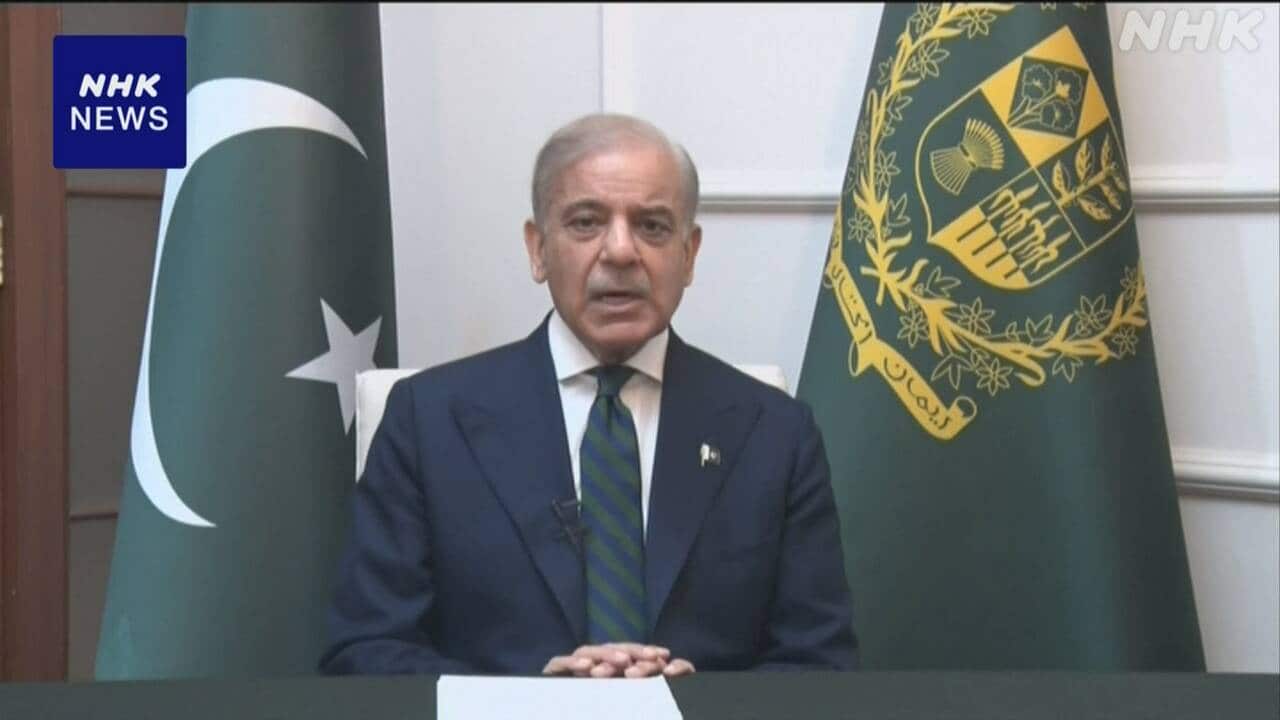
イラン情勢をめぐり、アメリカのトランプ大統領が主張するイランのエネルギー施設などへの攻撃を行わない期限が8日午前9時に迫っています。
アメリカとイランの仲介役を務めるパキスタンのシャリフ首相は8日未明、SNSに声明を発表し「中東で続く戦争の平和的解決に向けた外交努力は着実に、力強く進展しており、近い将来、重要な成果につながる可能性を秘めている」と強調しました。
そのうえで「外交努力が実を結ぶよう、トランプ大統領に期限を2週間延長するよう、心から要請する」として、トランプ大統領に対し、イランのエネルギー施設などへの攻撃を行わない期限を2週間延長するよう求めました。
さらにイランに対しても「善意の証しとしてホルムズ海峡を2週間開放するよう要請する」として、ホルムズ海峡の開放を求めました。
また「戦闘に関わるすべての当事者に対し、外交による戦争の最終的な終結を可能にするため、あらゆる場所で2週間停戦を順守するよう強く求める」として、各国に対し外交努力を支えるため2週間の停戦を実現するよう求めました。
アメリカとイランの仲介役を務めるパキスタンのシャリフ首相がトランプ大統領に対し、イランのエネルギー施設などへの攻撃を行わない期限を2週間延長するよう求めたことについて、ホワイトハウスのレビット報道官は7日、NHKの取材に対し「大統領はその提案について報告を受けていて、対応が示されるだろう」と回答しました。
アメリカのFOXニュースでホワイトハウスを担当する記者は7日午後、トランプ大統領と電話で話したとする内容をSNSに投稿しました。
それによりますと、トランプ大統領はイランとの協議の手応えについて「白熱した交渉の最中なので答えられない」と述べたということです。
また、パキスタンのシャリフ首相が提案した、エネルギー施設などへの攻撃を行わない期限の2週間の延長については、具体的な言及は避け「私は彼をよく知っていて、非常に尊敬されている人だ」と述べるにとどめたとしています。
パキスタンのシャリフ首相が各国に対し2週間の停戦を求めたことについて、ロイター通信はイランの高官の話として、イランは要請を前向きに検討していると伝えました。
アメリカとイランの仲介役を務めるパキスタンのシャリフ首相は8日未明、SNSに声明を発表し「中東で続く戦争の平和的解決に向けた外交努力は着実に、力強く進展しており、近い将来、重要な成果につながる可能性を秘めている」と強調しました。
そのうえで「外交努力が実を結ぶよう、トランプ大統領に期限を2週間延長するよう、心から要請する」として、トランプ大統領に対し、イランのエネルギー施設などへの攻撃を行わない期限を2週間延長するよう求めました。
さらにイランに対しても「善意の証しとしてホルムズ海峡を2週間開放するよう要請する」として、ホルムズ海峡の開放を求めました。
また「戦闘に関わるすべての当事者に対し、外交による戦争の最終的な終結を可能にするため、あらゆる場所で2週間停戦を順守するよう強く求める」として、各国に対し外交努力を支えるため2週間の停戦を実現するよう求めました。
アメリカとイランの仲介役を務めるパキスタンのシャリフ首相がトランプ大統領に対し、イランのエネルギー施設などへの攻撃を行わない期限を2週間延長するよう求めたことについて、ホワイトハウスのレビット報道官は7日、NHKの取材に対し「大統領はその提案について報告を受けていて、対応が示されるだろう」と回答しました。
アメリカのFOXニュースでホワイトハウスを担当する記者は7日午後、トランプ大統領と電話で話したとする内容をSNSに投稿しました。
それによりますと、トランプ大統領はイランとの協議の手応えについて「白熱した交渉の最中なので答えられない」と述べたということです。
また、パキスタンのシャリフ首相が提案した、エネルギー施設などへの攻撃を行わない期限の2週間の延長については、具体的な言及は避け「私は彼をよく知っていて、非常に尊敬されている人だ」と述べるにとどめたとしています。
パキスタンのシャリフ首相が各国に対し2週間の停戦を求めたことについて、ロイター通信はイランの高官の話として、イランは要請を前向きに検討していると伝えました。
Vocabulary
General
Proper noun
JLPT N2
JLPT N1
| # | 言葉 | 意味 |
|---|---|---|
| 6 | 求める | もとめる (求める) : 1. to want; to wish for 2. to request; to demand; to require; to ask for |
| 5 | 期限 | きげん (期限) : 1. term; period; time frame 2. time limit; deadline; cutoff (date) |
| 4 | 施設 | しせつ (施設) : 1. institution; establishment; facility 2. home (for elderly, orphans, etc.) |
| 4 | 攻撃 | こうげき (攻撃) : 1. attack; assault; raid; onslaught; offensive 2. criticism; censure; denunciation; condemnation |
| 4 | 首相 | しゅしょう (首相) : prime minister; chancellor (Germany, Austria, etc.); premier |
| 4 | 外交 | がいこう (外交) : 1. diplomacy 2. selling (e.g. door-to-door); canvassing |
| 4 | 延長 | えんちょう (延長) : 1. extension; elongation; prolongation; lengthening 2. Enchō era (923.4.11-931.4.26) |
| 3 | 努力 | どりょく (努力) : effort; exertion; endeavour; endeavor; hard work; striving |
| 3 | 要請 | ようせい (要請) : 1. appeal; call for something; request; claim; demand 2. axiom |
| 3 | 停戦 | ていせん (停戦) : armistice; ceasefire |
| 2 | 仲介役 | ちゅうかいやく (仲介役) : mediator; go-between; middleman; broker |
| 2 | 務める | つとめる (勤める) : 1. to work (for); to be employed (at); to serve (in) 2. to serve (as); to act (as); to fill (the position of); to play the role (of) |
| 2 | ホルムズ海峡 | ホルムズかいきょう (ホルムズ海峡) : Strait of Hormuz (place) |
| 2 | 開放 | かいほう (開放) : 1. opening (a door, window, etc.); leaving open 2. opening up (e.g. to the public); allowing (public) access |
| 2 | 各国 | かっこく (各国) : 1. each nation 2. many nations; many countries |
| 2 | 提案 | ていあん (提案) : proposal; proposition; suggestion |
| 2 | 述べる | のべる (述べる) : to state; to express; to mention |
| 1 | 情勢 | じょうせい (情勢) : state of things; state of affairs; condition; situation; circumstances |
| 1 | めぐる | めぐる (巡る) : 1. to go around 2. to return |
| 1 | 主張 | しゅちょう (主張) : claim; insistence; assertion; advocacy; emphasis; contention; opinion; tenet |
| 1 | 迫る | せまる (迫る) : 1. to approach; to draw near; to be imminent 2. to press (someone for something); to urge; to compel |
| 1 | 未明 | みめい (未明) : early dawn; grey of morning; gray of morning |
| 1 | 声明 | せいめい (声明) : declaration; statement; proclamation |
| 1 | 発表 | はっぴょう (発表) : announcement; publication; presenting; statement; communique; making known; breaking (news story); expressing (one's opinion); releasing; unveiling |
| 1 | 中東 | ちゅうとう (中東) : Middle East |
| 1 | 平和的 | へいわてき (平和的) : peaceful |
| 1 | 解決 | かいけつ (解決) : settlement; solution; resolution |
| 1 | 着実 | ちゃくじつ (着実) : steady; sound; solid; reliable; trustworthy |
| 1 | 進展 | しんてん (進展) : progress; development |
| 1 | 重要 | じゅうよう (重要) : important; momentous; essential; principal; major |
| 1 | 成果 | せいか (成果) : (good) result; outcome; fruits (of one's labors); product; accomplishment |
| 1 | つながる | つながる (繋がる) : 1. to be tied together; to be connected to; to be linked to 2. to lead to; to be related to |
| 1 | 可能性 | かのうせい (可能性) : potentiality; likelihood; possibility; availability |
| 1 | 秘める | ひめる (秘める) : to hide; to keep to oneself |
| 1 | 強調 | きょうちょう (強調) : emphasis; highlight; stress; stressed point |
| 1 | 実 | じつ (実) : 1. truth; reality 2. sincerity; honesty; fidelity |
| 1 | 結ぶ | むすぶ (結ぶ) : 1. to tie; to bind; to link 2. to bear (fruit) |
| 1 | 善意 | ぜんい (善意) : 1. virtuous mind 2. good intentions; good will |
| 1 | 証し | しるし (印) : 1. mark; sign 2. symbol; emblem |
| 1 | 戦闘 | せんとう (戦闘) : battle; fight; combat |
| 1 | 関わる | かかわる (関わる) : 1. to be affected; to be influenced 2. to be concerned with; to have to do with |
| 1 | 当事者 | とうじしゃ (当事者) : person concerned; interested party; related party |
| 1 | 最終的 | さいしゅうてき (最終的) : final; eventual; ultimate |
| 1 | 終結 | しゅうけつ (終結) : end; close |
| 1 | 可能 | かのう (可能) : possible; potential; practicable; feasible |
| 1 | あらゆる | あらゆる (有らゆる) : all; every |
| 1 | 順守 | じゅんしゅ (遵守) : observance (of laws, rules, etc.); adherence; obeying; following; abiding by; compliance |
| 1 | 支える | ささえる (支える) : 1. to support; to prop; to sustain; to underlay; to hold up; to defend 2. to hold at bay; to stem; to check |
| 1 | 実現 | じつげん (実現) : implementation (e.g. of a system); materialization; materialisation; realization; realisation; actualization; actualisation |
| 1 | 報道官 | ほうどうかん (報道官) : press officer; press secretary |
| 1 | 取材 | しゅざい (取材) : 1. news coverage; collecting data (e.g. for an article); covering (something for media) 2. interview |
| 1 | 大統領 | だいとうりょう (大統領) : 1. president (of a nation) 2. big man; boss; buddy; mate |
| 1 | 報告 | ほうこく (報告) : report; information |
| 1 | 対応 | たいおう (対応) : 1. correspondence (to); equivalence 2. suitability; coordination; matching; being appropriate (for) |
| 1 | 示す | しめす (示す) : 1. to (take out and) show; to demonstrate; to tell; to exemplify; to make apparent 2. to point out (finger, clock hand, needle, etc.) |
| 1 | 回答 | かいとう (回答) : reply; answer |
| 1 | 担当 | たんとう (担当) : being in charge (of an area of responsibility); being responsible (for a work role, etc.) |
| 1 | 記者 | きしゃ (記者) : reporter; journalist |
| 1 | 内容 | ないよう (内容) : contents; content; substance; matter; detail; import |
| 1 | 投稿 | とうこう (投稿) : contribution (to a newspaper, magazine, etc.); submission; post (on a blog, social media, etc.) |
| 1 | 協議 | きょうぎ (協議) : conference; consultation; discussion; negotiation |
| 1 | 手応え | てごたえ (手応え) : 1. response (felt in the hands); resistance 2. reaction; response; effect |
| 1 | 白熱 | はくねつ (白熱) : 1. white heat; incandescence 2. becoming excited; getting heated (e.g. of a discussion); reaching a climax |
| 1 | 交渉 | こうしょう (交渉) : 1. negotiations; discussions 2. connection |
| 1 | 最中 | さいちゅう (最中) : (in) the middle of; (in) the midst of; (in) the course of; (at) the height of |
| 1 | 答える | こたえる (答える) : to answer; to reply |
| 1 | 具体的 | ぐたいてき (具体的) : concrete; definite; specific; material; substantial |
| 1 | 言及 | げんきゅう (言及) : reference; allusion |
| 1 | 避ける | さける (避ける) : 1. to avoid (physical contact with) 2. to avoid (situation) |
| 1 | 知る | しる (知る) : 1. to be aware of; to know; to be conscious of; to cognize; to cognise 2. to notice; to feel |
| 1 | 非常 | ひじょう (非常) : 1. emergency 2. extraordinary; unusual |
| 1 | 尊敬 | そんけい (尊敬) : respect; esteem; reverence; honour; honor |
| 1 | とどめる | とどめる (留める) : 1. to stop; to stay (e.g. the night); to cease; to put an end to 2. to contain; to keep (in position, in place); to limit |
| 1 | 通信 | つうしん (通信) : correspondence; communication; transmission; news; signal; telecommunications |
| 1 | 高官 | こうかん (高官) : high official |
| 1 | 前向き | まえむき (前向き) : 1. front-facing 2. forward-looking; positive; constructive |
| 1 | 検討 | けんとう (検討) : consideration; examination; investigation; study; scrutiny; discussion; analysis; review |
| 1 | 伝える | つたえる (伝える) : to convey; to report; to transmit; to communicate; to tell; to impart; to propagate; to teach; to bequeath |