死ぬのがあまり嫌ではなくなった“戦う哲学者”が、じわじわとわかるようになった「私はこの体の中にいる」という幻想
予習
この記事のキーワード — タップで意味×5
悟り
さとり
1. comprehension; understanding 2. enlightenment; spiritual awakening; satori
×7
無
む
1. nothing; naught; nought; nil; zero 2. un-; non-
×3
物自体
ものじたい
Ding an sich; thing in itself
×4
我
われ
1. I; me 2. oneself
N1×7
自体
じたい
1. itself 2. one's own body; oneself
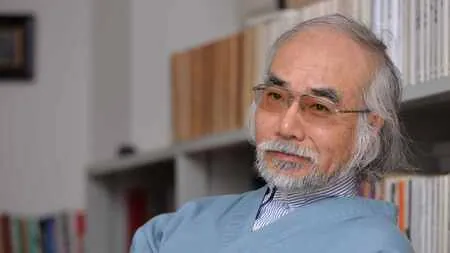
体が麻痺していると、心もひどく憂鬱になります。幸いどうにかしゃべることはできるのですが、将来のことを考えると絶望的で、うつになってしまうんです。
こういう状態でも、医者の力を借りようとは思いません。そもそも、あまり医者を信じていません。外科などが傷を治してくれるのはいいですが、心のことなんてわからないでしょう。精神医学というものを、私はまったく信じていないのです。
朝、日が上がらなければいいのにと思います。頑張って起きても、家内があれこれ怒ってくる。向こうも私の世話で大変だとは思いますけどね。夜は何もしなくていいから、楽です。
■死ぬのがあまり嫌ではなくなり、以前よりは楽になった なんでこうやって生きているのかなと思います。ただ、死ぬのもあまり嫌ではなくなったから、以前よりは楽になったのかもしれません。 もう80歳ですから、どう考えても10年以内には死ぬだろうと思っています。テレビで2050年問題などと言っているのを見ると、そのときには自分はもう死んでいるだろうな、という見方をするようになりました。高齢者は、こう考えて毎日ニュースを見ているんだなと改めて思います。
だからといって、そちらの方向にばかり流されないよう、どうにか頑張ろうとは思っています。とくに希望があるわけではないのですが。 この前、2泊3日で近くの介護施設にショートステイに行ったのですが、結局は部屋にこもって過ごしました。人と会いたくないので、3日間ずっと部屋の中で本を読んだり、テレビを見たりしていました。食事はまずくて、私には合いませんでした。 食堂に10〜20人ほどの高齢者が集まっている様子を見るのが、正直、嫌なんです。グロテスクな感じすらしてしまう。もっとも、これは昔からのことで、他人というもの自体が嫌いなのです。
今は左脚がしびれていて杖か歩行器で歩いていますが、やはり普通に歩ける人をとてもうらやましく感じます。 ■この歳になってほかの人は何をしているのだろうか 体重も52キロまで減って、怖いくらいです。倒れる前は60キロありましたから。でも病院に行っても加齢のせいにされて、まともに扱ってもらえません。「80歳でしょう、もう」と言って片付けられてしまう。 この歳になってほかの人は何をしているのかな、と思います。普通は哲学もしていないでしょう?
私は哲学塾をやっているだけ、まだましなんだと思います。介護施設の6畳の部屋に何もせずずっといて死ぬのは、やはりきついじゃないですか。でも、哲学塾がこの先どうなるのかと思うと、生きている気力もなくなってしまう。あと数年だとは思いますけどね。 そのほかには何もしたくない。かつて住んでいたウィーンにも行きたくないし、京都や奈良も、新幹線に乗ることを考えるだけで嫌になってしまう。苦労して行くだけの価値がある場所はありません。誰にも会いたくないし、美味しいものを食べたいとも思いません。
実は編集者に会うのも、楽しくはありません。義務だと思ってやっているだけです。自分の仕事だと思っています。ただ、家内が死んだら困るな、姉や妹が死んだら困るな、という心配だけはある。 こういう考えなので、人が来ても話が合わないでしょう。こんなことを言えば、みんな嫌がるだけですからね。 オンラインで話すことが、私にとっては一番快適です。向こうが攻撃してくることがありませんから。どんなことがあっても、殴られることはない。言語だけのやりとりですからね。
■「私」はこの体の中にいるという考えは、実は錯覚 さて、今回は「私」について話してみようと思います。 みなさんは「私」はこの体の中にいる、と思っているでしょう。それが、実は錯覚なのです。このことは、昔からいろいろな人が言っていることです。 道元や臨済は、「吾我(個我)を捨てろ」「吾我(個我)から離れろ」と言っています。臨済の言葉に「無位の真人」というものがあります。いずれも、本当の自分は、私の体の中にはいないと言っています。といって、どこかほかの場所にいるわけでもない。
昔はそういうことを読んでも何とも思わなかったのですが、この数年でじわじわとわかるようになってきました。とはいえ、やはり日常的には80年間生きてきたこの私を、「私」だと思ってしまいますがね。 それも「私」には違いないのですが、あくまで表面のこと。深層はまた違うのだ、という議論なのです。 「私」という言葉自体は、一般的なものです。あなたも「私」でしょう。この言葉を理解した人が「私」になるわけです。つまり、「私」というものは普遍を介しているのです。この身体とともに「私」はいずれ死にますが、その普遍的な「私」のほうは、死んだり生きたりするものではないのです。
カントの言う「超越論的統覚」も、これと似ています。「私」が世界に意味をつけているわけです。「月が昇った、日が沈んだ」というのも、「私」がそう言っているにすぎない。「私」と関係なく、向こうに世界があるかのような気がしてしまいますが、「私」がなければ、世界そのものがないのです。 ただ、なかなかそういう感じがしないだけです。 道元の言葉に「自己を学ぶというは、自己を忘るるなり」というものがあります。これは、この私を忘れることが、すなわち真の「私」がわかる、ということです。
本当の自分は、「今」や「ここ」といった、時間的・場所的な存在ではありませんから、そもそもそれに対応する言葉というものがない。それはキリスト教でいう神に近いものだと思います。 こう言うと難しく聞こえますが、鈴木大拙は「悟りは平凡だ」と言っています。平凡というのは「ごく普通のこと」です。今、この世界の中で、この「私」だけが意識しているということ自体、とても不思議なことでしょう。悟りとは、それに気づくだけのことなのですよね。
■心についての言葉は、いわば「みんな嘘」 言語を学ぶと、物事を概念的に考えてしまいますが、そこには真実がありません。 「机の上に眼鏡がある」と言葉で言われても、実際の状況を見ていなければ、具体的にどういう眼鏡や机なのかわからないはずですが、なんとなく理解した気になってしまう。逆に目の前にある独特の眼鏡を表す言葉は、ないでしょう? 言語による理解とは、そのような理解の仕方なのです。言葉と独立に物事があるという考えから目を覚ますことが必要です。
「赤い」という概念自体は赤くないでしょう。でも、赤を表しているような気がしてしまう。だからこそ小説が読めるわけで、「赤い服を着た女の人が来ました」と書いてあればわかった気になりますが、実際に書かれているのは文字だけです。 良い・悪いといった言葉も同じで、突き詰めれば定義することはできません。死や生も同様で、心臓が動いていることを「生きている」と勝手に決めてしまっているだけ。 心についての言葉というのは、みんな物的な理解に置き換えられた、いわば嘘なのです。
カントの「超越論的観念論」も、根本にあるのは同じ発想です。世界を構成し、意味づけているのは、この「私」だという考えです。 ところが普通は、自分が死んでも、世界そのものはそのまま残っている、と思い込んでいる。しかし、自分の認識を離れた世界そのものの姿を、私たちは知ることができません。これをカントは「物自体」と呼んでいます。 ■私の死後の世界も物自体も、まったくわからない つまり、本当のところは、まったくわからないのです。そして、この「私の死後の世界も物自体もわからない」ということ自体が、実は救いでもあるのです。
道元の言葉に「修証一等」というのもあります。修は修行、証は悟り。修行した結果として悟るのではなく、修行することが、すなわち悟りなのですね。 今こうして話していることも、言われてみればそうだな、簡単なことだなと、直観的にわかること自体が悟りなのです。だから本当は、誰もがすでに知っていることなのです。 この点、西洋の哲学者たちの見方はずいぶん違います。西洋にはキリスト教、その背景にギリシャ哲学がありますから、向こう側に本物があって、「私」はそれを写す、という議論になりがちです。
こうした「私と世界の関係」を追求したのが、京都学派の西田幾多郎です。彼の「絶対矛盾的自己同一」という考え方も、この文脈にあります。 「私」と世界とは絶対に違うものでありながら、同一でもある、と言う。「私」と世界はまったく違うのだけれども、同一なのです。論理学を無視した話に聞こえるでしょう。 また、禅ではこうした意識の働きを「無」という言葉で強調します。「私」はない。けれど、意識という目に見えない作用が確かに働いている。これを「能動的無」と言います。形としては「無」でありながら、ものすごい力を持って世界を成り立たせていると考えるのです。
サルトルの『存在と無』も同じような話で、例えば部屋の写真を撮っても、「ここに猫がいない」ということと「ここに犬がいない」ということの区別は写りません。けれど人間は、言葉によって「不在(無)」を理解できる。 ■「無」で、私たちの世界は満ちている 「これは赤くはない、青くもない、丸くもない」と、無の属性はいくらでも言える。そうした目に見えない言葉の作用――無で、私たちの世界は満ちているということなのです。
私たちが体を動かすときも、ほとんどは体のほうが無意識的に先に動いているだけです。それを後から「起き上がろうと思って起き上がった」と説明するのは、本当はおかしなことなのですが、言葉上はそう言わざるを得ない。そう考えると、意識というもの自体、もしかするとないのかもしれません。 過去の出来事を現在思い出すことも不思議な現象です。それは現在は「もうない」はずですから。世の中には記憶障害の方もいれば、多重人格の方もいる。私自身、脳出血を患って身体が不自由になったことで、人間はいかに脳に依存しているかを痛感させられました。
けれど同時に、これだけ脳にダメージを受けても、自分がものを考える力そのものは失われなかった。そのことから逆に、「脳の構造がすべてだとする医学や世間の見方も、所詮は嘘にすぎないのだ」ということもわかってきました。 心については、本当はまだ何もわかっていません。脳の構造がどうこうという物質の話ではなく、まったく次元の違う話なのです。そのことが最近腑に落ちたからこそ、以前よりもかえって物事を考えやすくなった面もあります。
この記事の単語 (222)
×7
自体
じたい
1. itself 2. one's own body; oneself
×7
無
む
1. nothing; naught; nought; nil; zero 2. un-; non-
×6
本当
ほんとう
1. truth; reality; actuality; fact 2. proper; right; correct; official
×6
理解
りかい
understanding; comprehension; appreciation; sympathy
×5
全く
まったく
1. really; truly; entirely; completely; wholly; perfectly 2. indeed
×5
悟り
さとり
1. comprehension; understanding 2. enlightenment; spiritual awakening; satori
×4
実
じつ
1. truth; reality 2. sincerity; honesty; fidelity
×4
考え
かんがえ
1. thinking; thought; view; opinion; concept 2. idea; notion; imagination
×4
我
われ
1. I; me 2. oneself
×4
意識
いしき
1. consciousness 2. becoming aware (of); awareness; sense
×4
私達
わたしたち
we; us
×4
脳
のう
1. brain 2. brains; mind
×3
以前
いぜん
ago; since; before; previous
×3
唯
ただ
1. ordinary; common; usual 2. free of charge
×3
見方
みかた
1. viewpoint; point of view 2. way of understanding; way of appreciating; how to look at something (e.g. noh, train schedule)
×3
哲学
てつがく
philosophy
×3
言語
げんご
language
×3
自己
じこ
self; oneself
×3
嘘
うそ
1. lie; fib; falsehood; untruth 2. mistake; error
×3
物事
ものごと
things; everything
×3
物自体
ものじたい
Ding an sich; thing in itself
×3
修行
しゅぎょう
1. training; practice; discipline; study 2. ascetic practices
×3
同一
どういつ
1. identical; same; one and the same; equal 2. fair; equal treatment; without discrimination
×2
抑
そもそも
1. in the first place; to begin with; from the start; originally; ab initio 2. after all; anyway; actually; well, ...; ... on earth (e.g. "what on earth?"); ... in the world (e.g. "why in the world?")
×2
信じる
しんじる
to believe; to believe in; to place trust in; to confide in; to have faith in
×2
頑張る
がんばる
1. to persevere; to persist; to keep at it; to hang on; to hold out; to do one's best 2. to insist that; to stick to (one's opinion)
×2
知れる
しれる
1. to become known; to come to light; to be discovered 2. to be known; to be understood
×2
高齢者
こうれいしゃ
old person; old people
×2
介護施設
かいごしせつ
nursing home; rest home
×2
ずっと
1. continuously in some state (for a long time, distance); throughout; all along; the whole time; all the way 2. much (better, etc.); by far; far and away
×2
感じ
かんじ
feeling; sense; impression
×2
塾
じゅく
cram school; private tutoring school; juku
×2
京都
きょうと
Kyoto (city, prefecture)
×2
錯覚
さっかく
1. optical illusion; hallucination 2. misapprehension; delusion
×2
臨済
りんざい
Linji (?-867) (person)
×2
離れる
はなれる
1. to be separated; to be apart; to be distant 2. to leave; to go away
×2
いずれ
1. where; which; who 2. anyway; anyhow; at any rate
×2
議論
ぎろん
argument; discussion; dispute; controversy
×2
詰まり
つまり
1. that is to say; that is; in other words; I mean; that (this, it) means 2. in short; in brief; to sum up; ultimately; in the end; in the long run; when all is said and done; what it all comes down to; when you get right down to it; basically
×2
身体
しんたい
body; physical system; (the) person
×2
道元
どうげん
Dogen (Zen monk) (1200-1253) (person)
×2
学ぶ
まなぶ
to study (in depth); to learn; to take lessons in
×2
即ち
すなわち
that is; namely; i.e.
×2
存在
そんざい
existence; being
×2
キリスト教
キリストきょう
Christianity
×2
平凡
へいぼん
ordinary; common; commonplace; mediocre; unremarkable; undistinguished; uneventful
×2
不思議
ふしぎ
1. wonderful; marvelous; strange; incredible; amazing; curious; miraculous; mysterious 2. strangely enough; oddly enough; for some reason; curiously
×2
言わば
いわば
so to speak; so to call it; as it were
×2
実際
じっさい
1. reality; actuality; truth; fact; actual conditions 2. practice (as opposed to theory)
×2
逆
ぎゃく
1. reverse; opposite 2. converse (of a hypothesis, etc.)
×2
表す
あらわす
1. to represent; to signify; to stand for 2. to reveal; to show; to display
×2
こそ
1. it is ... that ...; precisely; in particular; definitely; for sure; only (when, after, because, etc.) 2. although; while; it is the case that ... but
×2
死後
しご
after death
×2
絶対
ぜったい
1. definitely; absolutely; unconditionally 2. absolute; unconditional; unmistakable
×2
作用
さよう
action; operation; effect; function
×2
人間
にんげん
1. human being; human; person; man; mankind; humankind 2. character (of a person)
×2
満ちる
みちる
1. to be full 2. to wax (e.g. moon)
×2
起き上がる
おきあがる
to rise; to erect; to get up
×2
現在
げんざい
now; current; present; present time; as of
×2
構造
こうぞう
structure; construction; makeup; framework; organization; pattern
×1
麻痺
まひ
paralysis; palsy; numbness; stupor
×1
酷い
むごい
1. cruel; merciless; pitiless; brutal; atrocious; inhuman 2. tragic; horrible; terrible; dreadful; miserable; ugly; horrifying
×1
憂鬱
ゆううつ
depression; melancholy; dejection; gloom; despondency
×1
幸い
さいわい
1. happiness; blessedness; luck; fortune; felicity 2. luckily; fortunately
×1
喋る
しゃべる
to talk; to chat; to chatter
×1
絶望的
ぜつぼうてき
desperate; hopeless
×1
状態
じょうたい
state; condition; situation; appearance; circumstances
×1
外科
げか
1. surgery 2. department of surgery (hospital, etc.)
×1
傷
きず
1. wound; injury; cut; gash; bruise; scratch; scrape; scar 2. chip; crack; scratch; nick
×1
なんて
1. how ...!; what ...! 2. what?; what's that?
×1
精神医学
せいしんいがく
psychiatry
×1
上がる
あがる
1. to rise; to go up; to come up; to ascend; to be raised 2. to enter (esp. from outdoors); to come in; to go in
×1
彼是
あれこれ
1. this and that; this or that; one thing or another; this way and that 2. around; about; round about; roughly; nearly; almost
×1
大変
たいへん
1. very; greatly; terribly; awfully 2. immense; enormous; great
×1
改めて
あらためて
1. another time; again; over again; once again; anew 2. formally; especially; intentionally; deliberately
×1
方向
ほうこう
1. direction; orientation; bearing; way 2. course (e.g. of action)
×1
流す
ながす
1. to drain; to pour; to spill; to shed (blood, tears) 2. to wash away
×1
希望
きぼう
hope; wish; aspiration
×1
泊
はく
1. counter for nights of a stay 2. overnight stay; lodging
×1
結局
けっきょく
1. after all; in the end; ultimately; eventually 2. conclusion; end
×1
籠もる
こもる
1. to shut oneself in (e.g. one's room); to be confined in; to seclude oneself; to hide away; to stay inside (one's shell) 2. to be filled with (emotion, enthusiasm, etc.)
×1
過ごす
すごす
1. to pass (time); to spend 2. to overdo (esp. of one's alcohol consumption); to drink (alcohol)
×1
日間
ひあい
1. number of days; period of days 2. daily interest rate
×1
不味い
まずい
1. bad (taste); unpalatable; unsavoury; unsavory; awful; terrible; unpleasant 2. poor; unskillful; unskilful; bungling; clumsy
×1
集まる
あつまる
to gather; to collect; to assemble
×1
様子
ようす
1. state; state of affairs; situation; circumstances 2. appearance; look; aspect
×1
正直
しょうじき
1. honest; frank; candid; straightforward 2. honestly; frankly
×1
すら
しゅら
1. Asura; demigod; anti-god; titan; demigods that fight the Devas (gods) in Hindu mythology 2. fighting; carnage; conflict; strife
×1
他人
たにん
1. another person; other people; others 2. unrelated person (i.e. not related by blood)
×1
左足
ひだりあし
1. left foot 2. left leg
×1
痺れる
しびれる
1. to become numb; to go to sleep (e.g. a limb) 2. to get an electric shock; to tingle (from an electric shock)
×1
杖
つえ
cane; walking stick; staff; wand
×1
歩行器
ほこうき
baby-walker; walking frame
×1
羨ましい
うらやましい
1. envious; jealous 2. enviable (position, etc.)
×1
感じる
かんじる
to feel; to sense; to experience
×1
体重
たいじゅう
(body) weight
×1
減る
へる
to decrease (in size or number); to diminish; to abate
×1
加齢
かれい
aging; ageing; adding to one's years
×1
正面
まとも
1. the front 2. honesty; uprightness; directness
×1
扱う
あつかう
1. to deal with (a person); to treat; to handle; to take care of; to entertain 2. to deal with (a problem); to handle; to manage
×1
増し
まし
1. better; preferable; less objectionable; least-worst 2. more; increase; extra
×1
きつい
1. tough; hard; severe; demanding; harsh 2. determined; strong-minded; forceful; formidable; fierce
×1
この先
このさき
beyond this point; from now on; after this
×1
気力
きりょく
willpower; energy; vitality
×1
嘗て
かつて
1. once; before; formerly; ever; former; ex- 2. never yet; never before; first time; still not happened
×1
奈良
なら
Nara (city, prefecture)
×1
新幹線
しんかんせん
Shinkansen; bullet train
×1
苦労
くろう
1. trouble; hardship; difficulty; labour; labor; toil; pains 2. anxiety; worry; concern; cares
×1
価値
かち
value; worth; merit
×1
美味しい
おいしい
1. delicious; tasty; sweet 2. attractive; appealing; convenient; favorable; desirable; profitable
×1
編集者
へんしゅうしゃ
editor (in publishing, etc.)
×1
義務
ぎむ
duty; obligation; responsibility
×1
姉や
ねえや
young lady (in ref. to a maid, etc.)
×1
一番
いちばん
1. number one; first; first place 2. best; most
×1
快適
かいてき
pleasant; agreeable; comfortable
×1
攻撃
こうげき
1. attack; assault; raid; onslaught; offensive 2. criticism; censure; denunciation; condemnation
×1
殴る
なぐる
to strike; to hit; to beat; to punch
×1
遣り取り
やりとり
giving and taking; exchange (of letters); arguing back and forth; (conversational) exchange
×1
扠
さて
well; now; then
×1
無位
むい
without rank
×1
真人
しんじん
true man
×1
じわじわ
ジワジワ
1. slowly (but steadily); gradually; bit-by-bit 2. slowly soaking in; slowly permeating; oozing out; seeping out
×1
日常的
にちじょうてき
mundane; routine; everyday; unremarkable; common; day-to-day
×1
年間
ねんかん
1. (period of) a year 2. during an era
×1
違い
ちがい
1. difference; distinction; discrepancy 2. mistake; error
×1
飽くまで
あくまで
1. to the end; to the bitter end; to the last; stubbornly; persistently; consistently; to the utmost 2. after all; it must be remembered; only; purely; simply
×1
表面
ひょうめん
1. surface; face 2. outside; exterior
×1
深層
しんそう
depths; deep level
×1
一般的
いっぱんてき
general; popular; common; typical
×1
普遍
ふへん
universal; general; ubiquitous; omnipresent
×1
介する
かいする
1. to use as an intermediary 2. to worry; to mind; to care
×1
普遍的
ふへんてき
universal; omnipresent; ubiquitous
×1
統覚
とうかく
apperception
×1
沈む
しずむ
1. to sink; to go under; to submerge 2. to go down (e.g. sun); to set; to descend
×1
時間的
じかんてき
timewise; temporal; chronal
×1
対応
たいおう
1. correspondence (to); equivalence 2. suitability; coordination; matching; being appropriate (for)
×1
神
かみ
1. god; deity; divinity; spirit; kami 2. incredible; fantastic; amazing
×1
鈴木大拙
すずきだいせつ
Suzuki Daisetsu (1870-1966) (person)
×1
極く
ごく
1. quite; very 2. 10^48; quindecillion
×1
気付く
きづく
to notice; to recognize; to recognise; to become aware of; to perceive; to realize; to realise
×1
概念的
がいねんてき
general; conceptual
×1
真実
しんじつ
1. truth; reality 2. truly; really
×1
状況
じょうきょう
state of affairs (around you); situation; circumstances
×1
具体的
ぐたいてき
concrete; definite; specific; material; substantial
×1
どういう
somehow; how; in what way; why; what kind of
×1
独特
どくとく
1. peculiarity; uniqueness; characteristic 2. understood only by oneself
×1
独立
どくりつ
1. independence; self-reliance; supporting oneself; being on one's own 2. independence (e.g. of a nation); freedom
×1
覚ます
さます
1. to awaken; to arouse from sleep 2. to bring to one's senses; to disabuse (someone of)
×1
概念
がいねん
general idea; concept; notion
×1
文字
もじ
1. letter (of alphabet); character 2. writing
×1
突き詰める
つきつめる
1. to investigate thoroughly; to examine closely; to probe into; to get to the bottom of 2. to be obsessed with a thought; to brood over; to worry about
×1
定義
ていぎ
definition
×1
同様
どうよう
same; similar; (just) like; equal
×1
心臓
しんぞう
1. heart 2. guts; nerve; cheek; gall; spine
×1
勝手に
かってに
arbitrarily; of its own accord; voluntarily; wilfully; willfully; as one pleases
×1
物的
ぶってき
material; physical
×1
置き換える
おきかえる
to replace; to move; to change the position of
×1
観念論
かんねんろん
idealism
×1
根本
こんぽん
1. root; source; origin 2. foundation; basis; essence
×1
発想
はっそう
1. idea; conception; way of thinking 2. expression
×1
構成
こうせい
composition; construction; formation; makeup; structure; organization; organisation
×1
そのまま
1. without change; as is 2. just like; extremely similar
×1
思い込む
おもいこむ
1. to be convinced (that); to be under the impression (that); to feel sure (that); to assume (that) 2. to make up one's mind; to set one's heart on; to be determined (to do); to be bent on
×1
認識
にんしき
recognition; awareness; perception; understanding; knowledge; cognition; cognizance; cognisance
×1
姿
すがた
1. figure; form; shape 2. appearance; dress; guise
×1
救い
すくい
1. help; rescue; aid; relief 2. salvation; solace; (source of) comfort; saving grace
×1
等
とう
1. class; order; rank 2. et cetera; etc.; and the like
×1
証
あかし
1. proof; evidence; sign; testimony; vindication 2. certificate; license; membership card
×1
結果
けっか
1. result; consequence; outcome; effect 2. coming to fruition; bearing fruit
×1
悟る
さとる
1. to perceive; to sense; to discern 2. to understand; to comprehend; to realize
×1
直観的
ちょっかんてき
intuitive
×1
既に
すでに
already; too late
×1
哲学者
てつがくしゃ
philosopher
×1
背景
はいけい
1. background; scenery; backdrop; setting 2. background (of an incident, situation, etc.); circumstances; context
×1
ギリシャ哲学
ギリシャてつがく
Greek philosophy
×1
向こう側
むこうがわ
other side; opposite side; other party
×1
本物
ほんもの
genuine article; real thing; real deal
×1
追求
ついきゅう
pursuit (of a goal, ideal, etc.); search; chase; seeking after
×1
学派
がくは
school; sect
×1
西田幾多郎
にしだきたろう
Nishida Kitarou (1870.6.17-1945.6.7) (person)
×1
矛盾
むじゅん
contradiction; inconsistency
×1
考え方
かんがえかた
way of thinking
×1
文脈
ぶんみゃく
1. context (of a passage); line of thought 2. context; environment; circumstances
×1
論理学
ろんりがく
(study of) logic
×1
無視
むし
disregarding; ignoring
×1
禅
ぜん
1. dhyana (profound meditation) 2. Zen (Buddhism)
×1
働き
はたらき
1. work; labor; labour 2. achievement; performance; ability; talent
×1
強調
きょうちょう
emphasis; highlight; stress; stressed point
×1
能動的
のうどうてき
active
×1
物凄い
ものすごい
1. terrific; staggering; tremendous; incredible; extreme 2. frightful; ghastly; horrific; terrible; awful; gruesome; eerie
×1
成り立つ
なりたつ
1. to consist of; to be made up of; to be composed of 2. to be concluded (e.g. of an agreement); to hold true (e.g. of a theory); to be valid
×1
区別
くべつ
distinction; differentiation; classification
×1
写る
うつる
to be photographed; to be projected
×1
不在
ふざい
1. absence 2. disregard; indifference
×1
属性
ぞくせい
1. attribute; property; context; element 2. character class, type, fetish, etc.
×1
動かす
うごかす
1. to move; to shift; to stir; to budge; to change position 2. to inspire; to rouse; to move (e.g. feeling); to influence
×1
無意識的
むいしきてき
unconscious
×1
可笑しな
おかしな
ridiculous; odd
×1
過去
かこ
1. the past; bygone days 2. one's past (that one would prefer remained secret)
×1
出来事
できごと
incident; affair; happening; event
×1
現象
げんしょう
phenomenon
×1
世の中
よのなか
society; the world; the times
×1
記憶障害
きおくしょうがい
defect of memory
×1
多重人格
たじゅうじんかく
multiple personality; split personality
×1
私自身
わたしじしん
myself
×1
脳出血
のうしゅっけつ
cerebral hemorrhage; cerebral haemorrhage
×1
患う
わずらう
1. to be ill; to suffer from 2. to worry about; to be concerned about
×1
不自由
ふじゆう
1. discomfort; inconvenience 2. poverty; want; destitution
×1
如何に
いかに
1. how; in what way 2. how (much); to what extent
×1
依存
いぞん
dependence; reliance
×1
痛感
つうかん
feeling keenly; fully realizing
×1
同時
どうじ
simultaneous; concurrent; same time; synchronous; together
×1
失う
うしなう
1. to lose 2. to miss (a change, opportunity)
×1
世間
せけん
world; society; people; the public
×1
所詮
しょせん
1. after all; in the end; anyway 2. (cannot) possibly; (not) at all; (not) by any means; (not) ever
×1
どうこう
trend; tendency; movement; attitude
×1
物質
ぶっしつ
1. material; substance 2. matter
×1
次元
じげん
1. dimension 2. perspective; point of reference; level (of something)
×1
腑
ふ
internal organ; viscera; gut
×1
落ちる
おちる
1. to fall down; to drop; to fall (e.g. rain); to sink (e.g. sun or moon); to fall onto (e.g. light or one's gaze); to be used in a certain place (e.g. money) 2. to be omitted; to be missing
×1
却って
かえって
on the contrary; rather; all the more; instead
×1
面
めん
1. face 2. mask; face guard