ガザ地区 検問所の封鎖解除 人数は制限 北部では無人機攻撃も
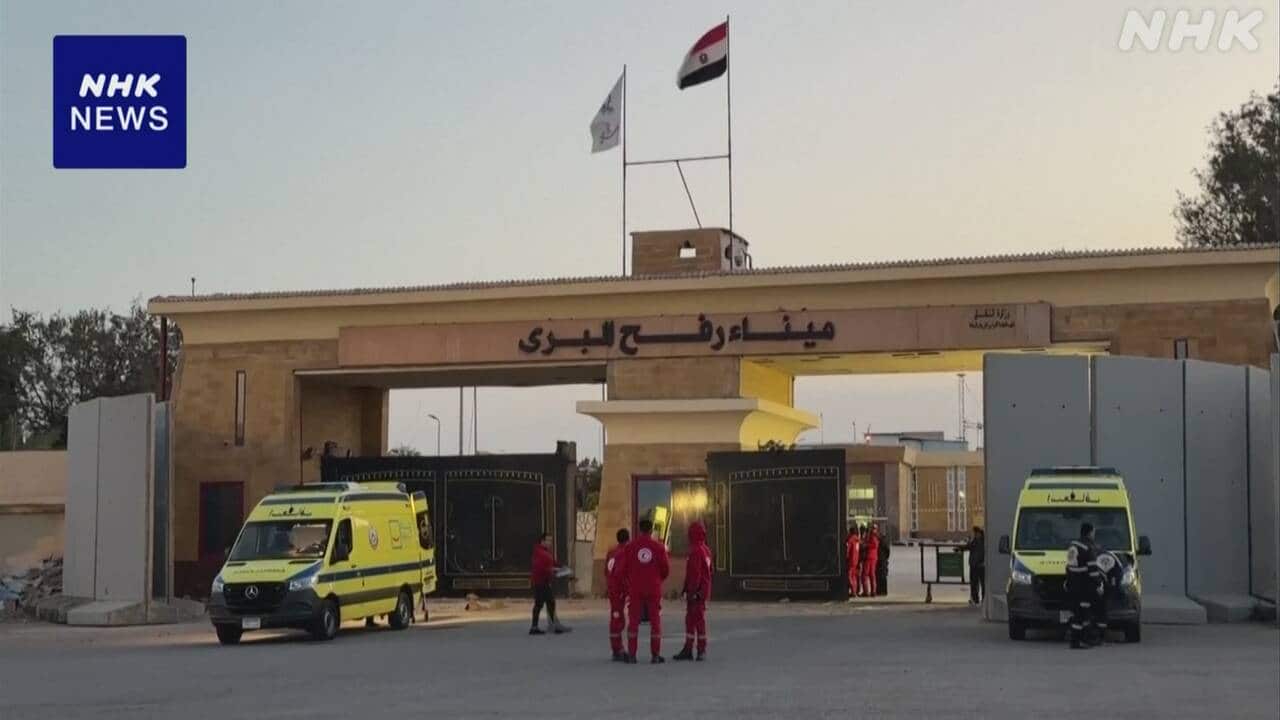
パレスチナのガザ地区では、イラン情勢を受けて続いていた検問所の封鎖が解除され、地区の外での治療を必要とする患者などがおよそ3週間ぶりに通行できるようになりました。ただ、通行できる人数は制限されていて、依然、厳しい人道状況が続いています。
ガザ地区とエジプトの境界にあるラファ検問所について、イスラエル当局はイランへの攻撃を始めた直後から治安対策だとして封鎖を続けてきましたが、検討の結果などとして19日、封鎖を解除しました。
ガザ地区の外での治療を必要とする患者は1万8000人以上にのぼるとされていますが、パレスチナ赤新月社によりますと今回の措置で19日にガザ地区を出られるのは患者8人とその家族にとどまるということです。
また、ガザ地区では、去年10月にイスラエルとイスラム組織ハマスの停戦合意が発効したあとも、イスラエル軍の断続的な攻撃が行われていて、現地メディアは19日、北部ガザ市で無人機などによる攻撃が相次ぎ、あわせて3人が死亡したと伝えました。
ガザ地区の当局によりますと、停戦後の死者は670人余りに上っていて、依然、厳しい人道状況が続いています。
ガザ地区とエジプトの境界にあるラファ検問所について、イスラエル当局はイランへの攻撃を始めた直後から治安対策だとして封鎖を続けてきましたが、検討の結果などとして19日、封鎖を解除しました。
ガザ地区の外での治療を必要とする患者は1万8000人以上にのぼるとされていますが、パレスチナ赤新月社によりますと今回の措置で19日にガザ地区を出られるのは患者8人とその家族にとどまるということです。
また、ガザ地区では、去年10月にイスラエルとイスラム組織ハマスの停戦合意が発効したあとも、イスラエル軍の断続的な攻撃が行われていて、現地メディアは19日、北部ガザ市で無人機などによる攻撃が相次ぎ、あわせて3人が死亡したと伝えました。
ガザ地区の当局によりますと、停戦後の死者は670人余りに上っていて、依然、厳しい人道状況が続いています。
Vocabulary
General
Proper noun
JLPT N2
JLPT N1
| # | 言葉 | 意味 |
|---|---|---|
| 6 | ガザ地区 | ガザちく (ガザ地区) : Gaza Strip |
| 3 | 封鎖 | ふうさ (封鎖) : 1. blockade; lockdown; sealing off (an area) 2. freezing (funds) |
| 3 | 患者 | かんじゃ (患者) : patient |
| 3 | 攻撃 | こうげき (攻撃) : 1. attack; assault; raid; onslaught; offensive 2. criticism; censure; denunciation; condemnation |
| 2 | 検問所 | けんもんじょ (検問所) : check station; checkpoint |
| 2 | 解除 | かいじょ (解除) : cancellation; rescinding; release; calling off; lifting (sanctions); delisting |
| 2 | 治療 | ちりょう (治療) : (medical) treatment; care; therapy; cure; remedy |
| 2 | 通行 | つうこう (通行) : 1. passage (of people, traffic); passing 2. common usage |
| 2 | 依然 | いぜん (依然) : still; as yet; as it has been |
| 2 | 人道 | じんどう (人道) : 1. humanity 2. sidewalk; footpath |
| 2 | 状況 | じょうきょう (状況) : state of affairs (around you); situation; circumstances |
| 2 | 当局 | とうきょく (当局) : 1. authorities; relevant authorities; authorities concerned 2. this office |
| 1 | 情勢 | じょうせい (情勢) : state of things; state of affairs; condition; situation; circumstances |
| 1 | 地区 | ちく (地区) : district; section; sector |
| 1 | ぶり | ぶり (振り) : 1. style; manner; way 2. after (period of time) again (e.g. meeting again after a year); for the first time in (period of time) |
| 1 | ただ | ただ (只) : 1. ordinary; common; usual 2. free of charge |
| 1 | 人数 | にんずう (人数) : 1. the number of people 2. many people; a large number of people |
| 1 | 制限 | せいげん (制限) : restriction; restraint; limitation; limit |
| 1 | 境界 | きょうかい (境界) : boundary; border; limit; bounds; frontier |
| 1 | 直後 | ちょくご (直後) : immediately following |
| 1 | 治安 | ちあん (治安) : public order |
| 1 | 対策 | たいさく (対策) : measure; step; countermeasure; counterplan; countermove; strategy; preparation (e.g. for a test) |
| 1 | 検討 | けんとう (検討) : consideration; examination; investigation; study; scrutiny; discussion; analysis; review |
| 1 | 結果 | けっか (結果) : 1. result; consequence; outcome; effect 2. coming to fruition; bearing fruit |
| 1 | 措置 | そち (措置) : measure; step; action |
| 1 | とどまる | とどまる (止まる) : 1. to remain; to abide; to stay (in the one place) 2. to be limited to; to be confined to; to only account for |
| 1 | 組織 | そしき (組織) : 1. organization; organisation; formation 2. structure; construction; setup; constitution |
| 1 | 停戦合意 | ていせんごうい (停戦合意) : cease-fire agreement |
| 1 | 発効 | はっこう (発効) : coming into effect |
| 1 | 断続的 | だんぞくてき (断続的) : intermittent |
| 1 | 現地 | げんち (現地) : actual place; local; on-site |
| 1 | 北部 | ほくぶ (北部) : northern part; the north (of a region) |
| 1 | 無人機 | むじんき (無人機) : drone; unmanned aircraft |
| 1 | 相 | さが (性) : 1. one's nature; one's destiny 2. custom; tradition; habit; convention |
| 1 | 次ぐ | つぐ (次ぐ) : to rank next to; to come after |
| 1 | あわせる | あわせる (会わせる) : 1. to make (someone) to meet; to let (someone) meet 2. to expose to; to subject to |
| 1 | 死亡 | しぼう (死亡) : 1. death; mortality 2. to die; to pass away |
| 1 | 伝える | つたえる (伝える) : to convey; to report; to transmit; to communicate; to tell; to impart; to propagate; to teach; to bequeath |
| 1 | 停戦 | ていせん (停戦) : armistice; ceasefire |
| 1 | 死者 | ししゃ (死者) : dead person; (the) deceased; (the) dead; casualties |
| 1 | 余り | あまり (余り) : 1. remainder; remnant; rest; balance; surplus; remains (of a meal); leftovers 2. (not) very; (not) much |
| 1 | 上る | あがる (上がる) : 1. to rise; to go up; to come up; to ascend; to be raised 2. to enter (esp. from outdoors); to come in; to go in |