高市首相 中東情勢などの対応で補正予算案検討 野党と党首討論
予習
この記事のキーワード — タップで意味×16
総理大臣
そうりだいじん
prime minister (as the head of a cabinet government); premier
N2×9
予算案
よさんあん
draft budget
×9
補正
ほせい
correction; revision; compensation (e.g. to a pendulum)
×9
国民
こくみん
people (of a country); nation; citizen; national
×4
家庭教師
かていきょうし
private tutor; coach; governess
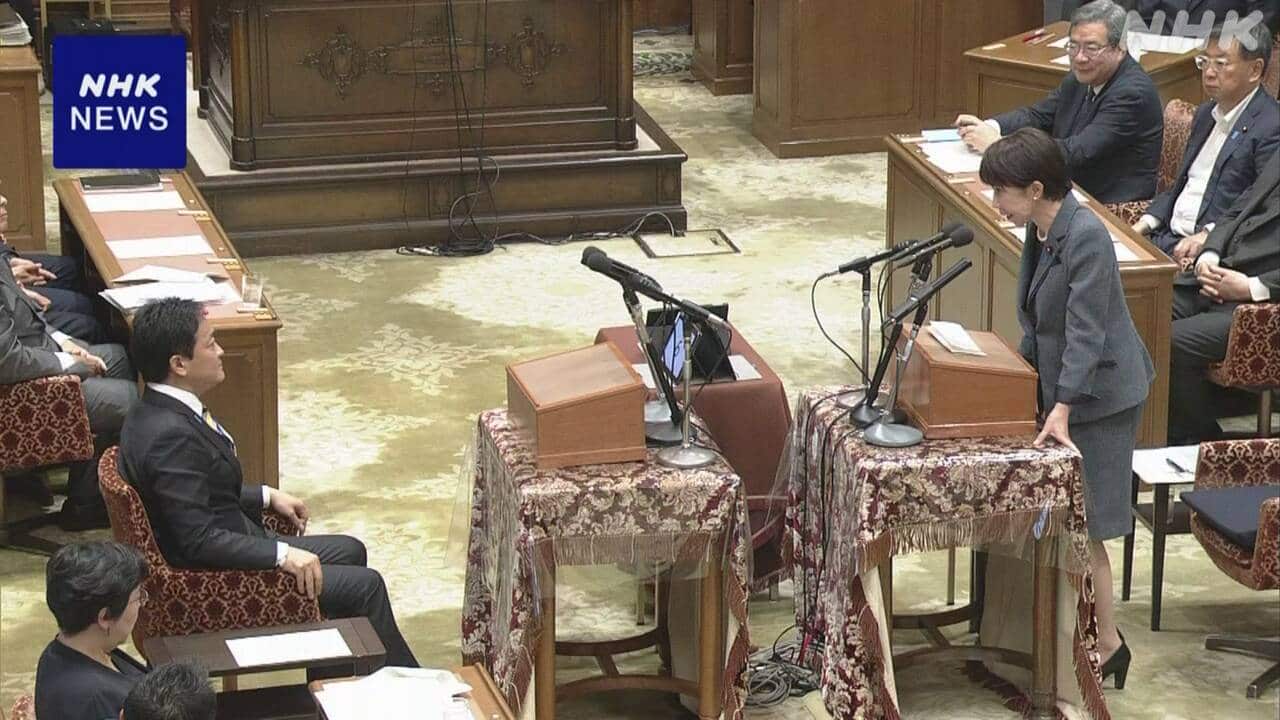
今の国会では初めてとなる高市総理大臣と野党の党首による党首討論が行われました。高市総理大臣は、中東情勢による暮らしや経済への影響が長引く場合に備え、今年度の補正予算案の編成を検討する考えを示しました。
今の国会では初めてとなる党首討論は、20日午後行われ、高市総理大臣と、過去最多の野党6党の党首との間で論戦が交わされました。
国民民主党の玉木代表は中東情勢を受けた対応をめぐり「イラン情勢の緊迫化に伴って経済や国民生活に不安定かつ不透明感が漂っている。ガソリン代の補助の延長や夏場の電気代、ガス代対策など3兆円程度の補正予算案を速やかに編成すべきだ」と迫りました。
これに対し、高市総理大臣は「リスクの最小化という観点から国民の生活や経済活動に万が一のことがあってはならず、補正予算案の編成を含めた資金調達を指示した。規模感や具体的な内容は申し上げる段階にはないが、現在の中東情勢などに対応する形の補正予算案を検討したい」と述べました。
また、高市総理大臣は、中東情勢を受けてガソリンの価格を1リットルあたり170円程度の水準に抑制する政府の支援策について見直しを求められたのに対し「大局的な提案をもらったことをとても重く受け止める。影響がどれぐらい長引くかわからないが、基金の残高も見ながら適切に対応する」と述べました。
一方、食料品の消費税ゼロの実施時期について問われ「できるだけ早く、スピード感も重要だ。今、『国民会議』で議論しているが、夏前に中間とりまとめが出しだい、政府として法案を提出する」と述べました。
中道改革連合の小川代表は中東情勢の影響について「建設や医療現場、農業をはじめとした供給サイドが資材の入手困難や価格高騰などで苦しんでおり、十分な手を打つ必要がある。予備費を適当に積んでやり過ごそうというのではなく、きちんと精査して支援することが極めて重要だ」と指摘しました。
これに対し、高市総理大臣は「今のような危機だからこそ、供給サイドを強くするため、民間の金融機関にも協力を要請している。さまざまな現場で目詰まりが起きていて、手元に足りているはずのナフサが届いていないという状況も把握しており、赤澤経済産業大臣を中心に対応に取り組む」と述べました。
また、高市総理大臣は、補正予算案の編成を含む対応の指示が遅れたのではないかと問われたのに対し「指示が遅れたとは思っていない。補正予算案は中東情勢が長引くといつかやらなくてはならないという思いを強く持っていた。しかし、まず、今年度予算を早期に成立させて経済や生活に影響が出ない状況をつくり、情勢を見ながらわりと早くからベストな対応を考えていた」と述べました。
さらに、補正予算案を編成する場合の財源について「特例公債の発行を抑制しながらしっかりと国民の生活と事業を守っていきたい」と述べました。
立憲民主党の水岡代表は、先週、行われた米中首脳会談をめぐり「中国と日本は去年の高市総理大臣の発言以降、関係がかなり冷え込んでいる。このような中で行われた米中首脳会談は日本外交にとってどのような意味を持つと評価しているのか。日本の利益が置き去りにされる懸念はないか」とただしました。
これに対し、高市総理大臣は「アメリカと中国が意思疎通して、地域の平和が保たれることが最も重要で大いに歓迎している。トランプ大統領が訪中する直前にベッセント財務長官を日本に送り、訪中直後にもトランプ大統領から特に日本の関心事項について詳細な説明をいただいた。非常にいい形だ」と述べました。
その上で、日中関係について「日本側は対話は常にオープンで、今も各レベルでの対話を続けている。国益を最大化するため、冷静に対応しなければならない」と述べました。
参政党の神谷代表は、外国人政策をめぐり「人口が減っている現状の中で、上限なく外国人を受け入れていくと『日本が移民国家になってしまうのではないか』という声を国民からたくさん聞いている。今からでも外国人労働者の受け入れの上限を検討してもらいたい」と求めました。
これに対し、高市総理大臣は「国民の中に不安や不公平感が生じていることをよく理解している。日本に住んでいる外国人には永住者や日本人の配偶者などさまざまな在留の形があるので、社会保障や教育も含む諸課題を整理した上で、しっかりと対応策をつくっていく。在留管理の適正化や在留資格のあり方はしっかりと検討する」と述べました。
また、選挙運動中の妨害行為への法規制について「規制をさらに強くするかどうかは民主主義のあり方に関することなので、国会で各党・各会派の議論もいただかなければならない。さまざまな現状を調査した上で法的な対応が必要な時にはぜひ国会から提案していただきたい」と述べました。
公明党の竹谷代表は物価高への対応をめぐり「イラン情勢が国民生活に深刻な影響を与えつつある。6月にさらに多くのものが値上がりし、おむつや生理用品も大きく値上がりするとも報道されている。厳しい環境にある国民への思いと政府の具体的な支援策をどう考えているか」とただしました。
これに対し、高市総理大臣は「昨年度の補正予算がまだ行き渡っていないので、まずは早期執行を着実に行っていく。今後、食料品の消費税率ゼロと給付付き税額控除の早期実施に力を尽くしていく」と述べました。
チームみらいの安野党首は、AIをめぐり「AIが社会に与える影響は産業革命に匹敵するか、それより大きくなってもおかしくない。いかにAIに働かせて、働かせて、働かせることができるかが将来の日本を大きく左右する。高市総理大臣はAIを活用しているか。そして、AIをどれだけ重要な政治課題と捉えているか。必要があれば家庭教師に行く」と質問しました。
これに対し、高市総理大臣は「主に検索や翻訳など、いろいろなことで助けてもらっている。自動運転や医療支援の分野など活用できる分野がある一方、リスクもある。リスクの最小化に向けて各国政府やアメリカのビッグテックとも情報交換をしながら対応している。家庭教師、ぜひお願いします」と述べました。
「一致できたところとできなかったところがあったが物価高騰で困っているのは今なので、すぐに食料品の消費税ゼロができないのなら何らかの給付措置が必要だ。将来の給付付き税額控除の対象を念頭に置いた簡素で迅速な給付措置を速やかに補正予算案に盛り込むべきだ」
「補正予算案の編成過程などを含め、高市総理大臣の答弁は市場との対話という意味でやや不十分ではなかったか。供給サイドへの配慮や、財源を赤字国債に頼りきりにならないこと、そして、予備費だけを積むのはだめだとくぎを刺したので、今後、どういう形で表れるのかしっかりと見極めたい」
「中国に対する外交政策についてもう少し触れたかったが、高市総理大臣はかなり険しい顔で対応していたのであまり触れられたくなかったのではないか。中道改革連合や公明党を含めた3党がそれぞれの主張を繰り広げることで議論の範囲が広がったのはよかった」
「意見を真摯(しんし)に交わした党首討論だったが、もう少し掘り下げたかった。われわれが政策的に一番協力したいのは外国人問題であり、何としても早急に形にしてもらいたい。今のペースでいくとどんどん外国人が増えて問題が大きくなるので、しっかりと制度をつくらなければならない」
「イラン情勢の影響で一番弱い立場の人にしわ寄せが行っていると思ったので、子どもや低所得者への支援が必要だと訴えた。答弁は十分ではなかったが必要性は感じ取ってもらえたのではないか。中小企業への支援はこれから新たな政策を出すと述べていたので、それを待ちたい」
「大学生の時に初めて家庭教師のアルバイトの面接に行った時くらい緊張した。AIの影響を政治家が過小評価すべきではないと感じており、高市総理大臣から『重要な課題だ』という答弁を得たことは手応えがあった。『家庭教師をぜひ』と言ってもらったので準備したい」
今の国会では初めてとなる党首討論は、20日午後行われ、高市総理大臣と、過去最多の野党6党の党首との間で論戦が交わされました。
国民民主党の玉木代表は中東情勢を受けた対応をめぐり「イラン情勢の緊迫化に伴って経済や国民生活に不安定かつ不透明感が漂っている。ガソリン代の補助の延長や夏場の電気代、ガス代対策など3兆円程度の補正予算案を速やかに編成すべきだ」と迫りました。
これに対し、高市総理大臣は「リスクの最小化という観点から国民の生活や経済活動に万が一のことがあってはならず、補正予算案の編成を含めた資金調達を指示した。規模感や具体的な内容は申し上げる段階にはないが、現在の中東情勢などに対応する形の補正予算案を検討したい」と述べました。
また、高市総理大臣は、中東情勢を受けてガソリンの価格を1リットルあたり170円程度の水準に抑制する政府の支援策について見直しを求められたのに対し「大局的な提案をもらったことをとても重く受け止める。影響がどれぐらい長引くかわからないが、基金の残高も見ながら適切に対応する」と述べました。
一方、食料品の消費税ゼロの実施時期について問われ「できるだけ早く、スピード感も重要だ。今、『国民会議』で議論しているが、夏前に中間とりまとめが出しだい、政府として法案を提出する」と述べました。
中道改革連合の小川代表は中東情勢の影響について「建設や医療現場、農業をはじめとした供給サイドが資材の入手困難や価格高騰などで苦しんでおり、十分な手を打つ必要がある。予備費を適当に積んでやり過ごそうというのではなく、きちんと精査して支援することが極めて重要だ」と指摘しました。
これに対し、高市総理大臣は「今のような危機だからこそ、供給サイドを強くするため、民間の金融機関にも協力を要請している。さまざまな現場で目詰まりが起きていて、手元に足りているはずのナフサが届いていないという状況も把握しており、赤澤経済産業大臣を中心に対応に取り組む」と述べました。
また、高市総理大臣は、補正予算案の編成を含む対応の指示が遅れたのではないかと問われたのに対し「指示が遅れたとは思っていない。補正予算案は中東情勢が長引くといつかやらなくてはならないという思いを強く持っていた。しかし、まず、今年度予算を早期に成立させて経済や生活に影響が出ない状況をつくり、情勢を見ながらわりと早くからベストな対応を考えていた」と述べました。
さらに、補正予算案を編成する場合の財源について「特例公債の発行を抑制しながらしっかりと国民の生活と事業を守っていきたい」と述べました。
立憲民主党の水岡代表は、先週、行われた米中首脳会談をめぐり「中国と日本は去年の高市総理大臣の発言以降、関係がかなり冷え込んでいる。このような中で行われた米中首脳会談は日本外交にとってどのような意味を持つと評価しているのか。日本の利益が置き去りにされる懸念はないか」とただしました。
これに対し、高市総理大臣は「アメリカと中国が意思疎通して、地域の平和が保たれることが最も重要で大いに歓迎している。トランプ大統領が訪中する直前にベッセント財務長官を日本に送り、訪中直後にもトランプ大統領から特に日本の関心事項について詳細な説明をいただいた。非常にいい形だ」と述べました。
その上で、日中関係について「日本側は対話は常にオープンで、今も各レベルでの対話を続けている。国益を最大化するため、冷静に対応しなければならない」と述べました。
参政党の神谷代表は、外国人政策をめぐり「人口が減っている現状の中で、上限なく外国人を受け入れていくと『日本が移民国家になってしまうのではないか』という声を国民からたくさん聞いている。今からでも外国人労働者の受け入れの上限を検討してもらいたい」と求めました。
これに対し、高市総理大臣は「国民の中に不安や不公平感が生じていることをよく理解している。日本に住んでいる外国人には永住者や日本人の配偶者などさまざまな在留の形があるので、社会保障や教育も含む諸課題を整理した上で、しっかりと対応策をつくっていく。在留管理の適正化や在留資格のあり方はしっかりと検討する」と述べました。
また、選挙運動中の妨害行為への法規制について「規制をさらに強くするかどうかは民主主義のあり方に関することなので、国会で各党・各会派の議論もいただかなければならない。さまざまな現状を調査した上で法的な対応が必要な時にはぜひ国会から提案していただきたい」と述べました。
公明党の竹谷代表は物価高への対応をめぐり「イラン情勢が国民生活に深刻な影響を与えつつある。6月にさらに多くのものが値上がりし、おむつや生理用品も大きく値上がりするとも報道されている。厳しい環境にある国民への思いと政府の具体的な支援策をどう考えているか」とただしました。
これに対し、高市総理大臣は「昨年度の補正予算がまだ行き渡っていないので、まずは早期執行を着実に行っていく。今後、食料品の消費税率ゼロと給付付き税額控除の早期実施に力を尽くしていく」と述べました。
チームみらいの安野党首は、AIをめぐり「AIが社会に与える影響は産業革命に匹敵するか、それより大きくなってもおかしくない。いかにAIに働かせて、働かせて、働かせることができるかが将来の日本を大きく左右する。高市総理大臣はAIを活用しているか。そして、AIをどれだけ重要な政治課題と捉えているか。必要があれば家庭教師に行く」と質問しました。
これに対し、高市総理大臣は「主に検索や翻訳など、いろいろなことで助けてもらっている。自動運転や医療支援の分野など活用できる分野がある一方、リスクもある。リスクの最小化に向けて各国政府やアメリカのビッグテックとも情報交換をしながら対応している。家庭教師、ぜひお願いします」と述べました。
「一致できたところとできなかったところがあったが物価高騰で困っているのは今なので、すぐに食料品の消費税ゼロができないのなら何らかの給付措置が必要だ。将来の給付付き税額控除の対象を念頭に置いた簡素で迅速な給付措置を速やかに補正予算案に盛り込むべきだ」
「補正予算案の編成過程などを含め、高市総理大臣の答弁は市場との対話という意味でやや不十分ではなかったか。供給サイドへの配慮や、財源を赤字国債に頼りきりにならないこと、そして、予備費だけを積むのはだめだとくぎを刺したので、今後、どういう形で表れるのかしっかりと見極めたい」
「中国に対する外交政策についてもう少し触れたかったが、高市総理大臣はかなり険しい顔で対応していたのであまり触れられたくなかったのではないか。中道改革連合や公明党を含めた3党がそれぞれの主張を繰り広げることで議論の範囲が広がったのはよかった」
「意見を真摯(しんし)に交わした党首討論だったが、もう少し掘り下げたかった。われわれが政策的に一番協力したいのは外国人問題であり、何としても早急に形にしてもらいたい。今のペースでいくとどんどん外国人が増えて問題が大きくなるので、しっかりと制度をつくらなければならない」
「イラン情勢の影響で一番弱い立場の人にしわ寄せが行っていると思ったので、子どもや低所得者への支援が必要だと訴えた。答弁は十分ではなかったが必要性は感じ取ってもらえたのではないか。中小企業への支援はこれから新たな政策を出すと述べていたので、それを待ちたい」
「大学生の時に初めて家庭教師のアルバイトの面接に行った時くらい緊張した。AIの影響を政治家が過小評価すべきではないと感じており、高市総理大臣から『重要な課題だ』という答弁を得たことは手応えがあった。『家庭教師をぜひ』と言ってもらったので準備したい」
この記事の単語 (308)
×16
高市
こういち
Kouichi (surname)
×16
総理大臣
そうりだいじん
prime minister (as the head of a cabinet government); premier
×13
述べる
のべる
to state; to express; to mention
×11
対応
たいおう
1. correspondence (to); equivalence 2. suitability; coordination; matching; being appropriate (for)
×10
情勢
じょうせい
state of things; state of affairs; condition; situation; circumstances
×9
補正
ほせい
correction; revision; compensation (e.g. to a pendulum)
×9
予算案
よさんあん
draft budget
×9
国民
こくみん
people (of a country); nation; citizen; national
×8
影響
えいきょう
1. influence; effect 2. to influence; to affect; to have an influence on; to impact; to have an effect on
×6
中東
ちゅうとう
Middle East
×6
編成
へんせい
composition; formation; organization; organisation; compilation
×5
代表
だいひょう
1. representative; representation; delegation; type; example; model 2. switchboard number; main number
×5
巡る
めぐる
1. to go around 2. to return
×5
重要
じゅうよう
important; momentous; essential; principal; major
×4
国会
こっかい
1. National Diet; legislative assembly of Japan (1947-) 2. Imperial Diet; legislative assembly of Japan (1889-1947)
×4
検討
けんとう
consideration; examination; investigation; study; scrutiny; discussion; analysis; review
×4
政府
せいふ
government; administration
×4
大きい
おおきい
1. big; large; great 2. loud
×4
給付
きゅうふ
1. payment; provision; benefit; present; delivery 2. performance
×4
家庭教師
かていきょうし
private tutor; coach; governess
×3
党首
とうしゅ
party leader
×3
党首討論
とうしゅとうろん
debate between party leaders (in the Japanese Diet)
×3
長引く
ながびく
to be prolonged; to drag on
×3
含める
ふくめる
1. to include (in a group or scope) 2. to instruct; to make one understand
×3
指示
しじ
1. indication; denotation; designation 2. instructions; directions
×3
議論
ぎろん
argument; discussion; dispute; controversy
×3
供給
きょうきゅう
supply; provision
×3
支援
しえん
support; backing; aid; assistance
×3
強い
つよい
1. strong; potent; competent; domineering; tough 2. strong; brawny; powerful; healthy; rugged
×3
早期
そうき
early stage
×3
作る
つくる
1. to make; to produce; to manufacture; to build; to construct 2. to prepare (food); to brew (alcohol)
×3
中国
ちゅうごく
1. China 2. Chūgoku region of western Honshu (incl. Okayama, Hiroshima, Shimane, Tottori and Yamaguchi prefectures)
×3
対話
たいわ
dialogue; discussion; conversation; interaction
×3
政策
せいさく
political measures; policy
×3
課題
かだい
1. subject; theme; issue; matter 2. homework; assignment
×3
働く
はたらく
1. to work; to labor; to labour 2. to function; to operate; to be effective; to work (i.e. ... works); to come into play
×3
答弁
とうべん
response; reply; answer; defence; defense
×2
野党
やとう
opposition party; political opposition; opposition
×2
今年度
こんねんど
this year; this fiscal year; this school year
×2
程度
ていど
degree; amount; grade; standard; of the order of (following a number); about; approximately
×2
速やか
すみやか
quick; speedy; prompt; rapid; swift
×2
最小化
さいしょうか
minimization; minimisation
×2
具体的
ぐたいてき
concrete; definite; specific; material; substantial
×2
価格
かかく
price; value; cost
×2
抑制
よくせい
control; restraint; suppression; constraint; curtailment; inhibition; check; curb
×2
支援策
しえんさく
support measures; assistance measures; support plan
×2
求める
もとめる
1. to want; to wish for 2. to request; to demand; to require; to ask for
×2
提案
ていあん
proposal; proposition; suggestion
×2
消費税
しょうひぜい
consumption tax (incl. sales tax, VAT, excise duty, etc.)
×2
実施
じっし
enforcement; implementation; putting into practice; carrying out; operation; working (e.g. working parameters); enactment
×2
問う
とう
1. to ask; to inquire 2. to blame (someone) for; to accuse of; to pursue (question of responsibility); to charge with
×2
中道
ちゅうどう
1. middle of the road; centrism; moderation; golden mean 2. the middle (of what one is doing); half-way
×2
改革
かいかく
reform; reformation; reorganization
×2
連合
れんごう
1. union; alliance; combination 2. RENGO (Japanese Trade Union Confederation)
×2
現場
げんば
1. actual spot; scene; scene of the crime; site; location; setting 2. shop floor; factory floor; (on) site
×2
高騰
こうとう
sudden price jump; steep price rise
×2
予備費
よびひ
reserve funds; emergency funds
×2
積む
つむ
1. to pile up; to stack 2. to load (car, ship, etc.); to pack
×2
協力
きょうりょく
cooperation; collaboration
×2
状況
じょうきょう
state of affairs (around you); situation; circumstances
×2
含む
ふくむ
1. to contain; to comprise; to have; to hold; to include; to embrace 2. to hold in the mouth
×2
思い
おもい
1. thought 2. imagination; mind; heart
×2
考える
かんがえる
1. to think (about, of); to think over; to ponder; to contemplate; to reflect (on); to meditate (on) 2. to consider; to bear in mind; to allow for; to take into consideration
×2
財源
ざいげん
source of funds; resources; finances
×2
米中
べいちゅう
America and China; Sino-American
×2
首脳会談
しゅのうかいだん
leadership conference; summit meeting; top-level conference
×2
可成
かなり
considerably; fairly; quite
×2
正す
ただす
to enquire of someone about something (inquire); to question
×2
訪中
ほうちゅう
visit to China
×2
各
かく
each; every; all
×2
現状
げんじょう
present condition; existing state; status quo; current state
×2
上限
じょうげん
1. upper limit 2. supremum
×2
在り方
ありかた
1. the way something ought to be 2. the (current) state of things; how things are
×2
公明党
こうめいとう
Komeito (Japanese political party)
×2
与える
あたえる
1. to give (esp. to someone of lower status); to bestow; to grant; to confer; to present; to award 2. to provide; to afford; to offer; to supply
×2
値上がり
ねあがり
price advance; increase in value
×2
今後
こんご
from now on; hereafter
×2
付く
つく
1. to be attached; to be connected with; to adhere; to stick; to cling 2. to remain imprinted; to scar; to stain; to dye
×2
税額控除
ぜいがくこうじょ
tax credit; tax exemption
×2
活用
かつよう
1. practical use; application 2. conjugation; inflection
×2
分野
ぶんや
field; sphere; realm; division; branch
×2
措置
そち
measure; step; action
×2
もう少し
もうすこし
a bit more; a bit longer
×2
触れる
ふれる
1. to touch; to feel 2. to touch (with)
×2
一番
いちばん
1. number one; first; first place 2. best; most
×1
暮らし
くらし
life; living; livelihood; life circumstances
×1
備える
そなえる
1. to furnish with; to equip with; to provide; to install 2. to prepare for; to make preparations for; to make provision for
×1
考え
かんがえ
1. thinking; thought; view; opinion; concept 2. idea; notion; imagination
×1
示す
しめす
1. to (take out and) show; to demonstrate; to tell; to exemplify; to make apparent 2. to point out (finger, clock hand, needle, etc.)
×1
過去最多
かこさいた
highest ever (number of); record-high; most on record
×1
論戦
ろんせん
verbal dispute
×1
民主党
みんしゅとう
1. Democratic Party (esp. DPJ or US Democratic Party) 2. Constitutional Democratic Party of Japan
×1
玉木
たまき
Tamaki (place; surname)
×1
緊迫
きんぱく
tension; strain
×1
伴う
ともなう
1. to accompany; to go hand in hand with; to be consequent upon 2. to be accompanied by; to bring with; to take with; to be involved in
×1
不安定
ふあんてい
instability; insecurity; crankiness
×1
不透明感
ふとうめいかん
sense of uncertainty; lack of clarity; indecisiveness
×1
漂う
ただよう
1. to drift; to float 2. to waft (e.g. a scent); to hang in the air
×1
ガソリン代
ガソリンだい
gasoline (money); petrol (cost)
×1
補助
ほじょ
1. assistance; support; aid; help 2. subsidy; supplement; subvention; grant-in-aid
×1
延長
えんちょう
1. extension; elongation; prolongation; lengthening 2. Enchō era (923.4.11-931.4.26)
×1
夏場
なつば
summertime
×1
電気代
でんきだい
electric utility expense
×1
対策
たいさく
measure; step; countermeasure; counterplan; countermove; strategy; preparation (e.g. for a test)
×1
迫る
せまる
1. to approach; to draw near; to be imminent 2. to press (someone for something); to urge; to compel
×1
観点
かんてん
point of view
×1
経済活動
けいざいかつどう
economic activity
×1
万が一
まんがいち
1. (if) by some chance; by some possibility; in the unlikely event that; 10000 to 1 2. (unlikely event of) emergency; the worst(-case scenario)
×1
資金調達
しきんちょうたつ
fundraising
×1
内容
ないよう
contents; content; substance; matter; detail; import
×1
段階
だんかい
grade; level; stage; class; phase; steps; order; gradation
×1
現在
げんざい
now; current; present; present time; as of
×1
水準
すいじゅん
1. level; standard 2. water level
×1
見直し
みなおし
review; reconsideration; revision
×1
大局
たいきょく
1. general situation; whole situation; larger picture; main point 2. overall situation of a game of go
×1
重い
おもい
1. heavy; weighty 2. heavy (feeling); depressed; gloomy; blue; uneasy
×1
受け止める
うけとめる
1. to catch; to stop the blow 2. to react to; to take (advice, etc.); to accept; to come to grips with
×1
分かる
わかる
1. to understand; to comprehend; to grasp; to see; to get; to follow 2. to become clear; to be known; to be discovered; to be realized; to be realised; to be found out
×1
基金
ききん
fund; foundation
×1
残高
ざんだか
(bank) balance; remainder
×1
適切
てきせつ
appropriate; suitable; fitting; apt; proper; right; pertinent; relevant
×1
時期
じき
time; season; period; phase; stage
×1
早い
はやい
1. fast; quick; hasty; brisk 2. early (in the day, etc.); premature
×1
スピード感
スピードかん
sense of speed
×1
会議
かいぎ
meeting; conference; session; assembly; council; convention; congress
×1
中間
ちゅうかん
1. middle; midway; halfway; centre; center 2. middle position; moderate position; neutral position; middle-of-the-road position
×1
取り纏め
とりまとめ
collecting; collection; collation; gathering; arrangement; coordination
×1
次第
しだい
1. depending on 2. as soon as; immediately after; upon
×1
法
ほう
1. law; act; principle 2. method
×1
案
あん
1. idea; plan; proposal; suggestion; (government) bill 2. draft; rough copy
×1
提出
ていしゅつ
presentation (of documents); submission (of an application, report, etc.); production (e.g. of evidence); introduction (e.g. of a bill); filing; turning in
×1
小川
おがわ
stream; brook; creek
×1
建設
けんせつ
construction; establishment
×1
医療
いりょう
medical care; medical treatment
×1
農業
のうぎょう
agriculture
×1
資材
しざい
(raw) material
×1
入手
にゅうしゅ
acquisition; obtaining; coming to hand
×1
困難
こんなん
1. difficulty; hardship; trouble; distress 2. infeasibility; inability (to carry out)
×1
苦しむ
くるしむ
to suffer; to groan; to be worried
×1
やり過ごす
やりすごす
1. to let something (or somebody) go past 2. to do too much
×1
きちんと
1. properly; accurately; exactly; precisely; regularly 2. neatly; tidily; orderly
×1
精査
せいさ
close investigation; careful examination; scrutiny
×1
極めて
きわめて
exceedingly; extremely; decisively
×1
指摘
してき
pointing out; identification
×1
危機
きき
crisis; critical situation; emergency; pinch
×1
こそ
1. it is ... that ...; precisely; in particular; definitely; for sure; only (when, after, because, etc.) 2. although; while; it is the case that ... but
×1
民間
みんかん
1. private; non-governmental; non-official; civilian; civil 2. folk; popular
×1
金融機関
きんゆうきかん
financial institutions; banking facilities
×1
要請
ようせい
1. appeal; call for something; request; claim; demand 2. axiom
×1
目詰まり
めづまり
clogging up
×1
起きる
おきる
1. to get up; to rise; to blaze up (fire) 2. to wake up; to be awake; to stay awake
×1
手元
てもと
1. at hand; on hand; nearby; close at hand 2. way of moving one's arms; skill
×1
足りる
たりる
1. to be sufficient; to be enough 2. to be worth doing; to be worthy of; to deserve
×1
届く
とどく
1. to reach; to touch; to get to; to carry (of sound) 2. to be delivered; to arrive
×1
把握
はあく
grasp; catch; understanding
×1
赤澤
あかさわ
Akasawa (surname)
×1
経済産業大臣
けいざいさんぎょうだいじん
Minister of Economy, Trade and Industry
×1
中心
ちゅうしん
1. center; centre; middle; heart; core; focus; pivot; emphasis; balance 2. -centered; -centred; -focused; -oriented; centered on; focused on
×1
取り組む
とりくむ
1. to grapple with; to wrestle with; to engage in a bout; to be matched against 2. to tackle (e.g. a problem); to come to grips with; to work hard on
×1
持つ
もつ
1. to hold (in one's hand); to take; to carry 2. to possess; to have; to own
×1
予算
よさん
estimate; budget
×1
成立
せいりつ
1. formation; establishment; materialization; coming into existence 2. conclusion (e.g. of a deal); reaching (e.g. an agreement); approval; completion; closing; enacting; arrangement
×1
割と
わりと
relatively; comparatively
×1
早く
はやく
1. early; soon 2. quickly; swiftly; rapidly; fast
×1
特例
とくれい
special case; exception
×1
公債
こうさい
public debt; public bond; government securities
×1
発行
はっこう
1. publication; issue (of journal, newspaper, etc.) 2. issue (of banknotes, bonds, passport, etc.)
×1
事業
じぎょう
1. project; enterprise; business; industry; operations; venture; service 2. act; deed; conduct
×1
守る
まもる
1. to protect; to guard; to defend 2. to keep (i.e. a promise); to abide (by the rules); to observe; to obey; to follow
×1
立憲民主党
りっけんみんしゅとう
1. Constitutional Democratic Party of Japan (2017-) 2. Constitutional Democratic Party (Russia, 1905-1917)
×1
水岡
みずおか
Mizuoka (place; surname)
×1
発言
はつげん
statement; remark; observation; utterance; speech; proposal
×1
以降
いこう
on and after; as from; hereafter; thereafter; since
×1
冷え込む
ひえこむ
1. to get (much) colder; to deepen (cold) 2. to feel cold (of the body); to be chilled to the bones
×1
外交
がいこう
1. diplomacy 2. selling (e.g. door-to-door); canvassing
×1
評価
ひょうか
1. valuation; appraisal; evaluation; assessment; estimation; rating; judging 2. appreciation; recognition; acknowledgement; rating highly; praising
×1
利益
りえき
1. profit; gains 2. benefit; advantage; interest (of the public, etc.)
×1
置き去り
おきざり
leaving behind; desertion; abandonment
×1
懸念
けねん
worry; fear; anxiety; concern
×1
意思疎通
いしそつう
(coming to a) mutual understanding; understanding each other
×1
地域
ちいき
area; region
×1
平和
へいわ
peace; harmony
×1
保つ
たもつ
1. to keep; to preserve; to hold; to retain; to maintain; to sustain 2. to last; to endure; to keep well (food); to wear well; to be durable
×1
最も
もっとも
most; extremely
×1
大いに
おおいに
very; much; greatly; a lot of
×1
歓迎
かんげい
welcome; reception
×1
直前
ちょくぜん
just before
×1
財務
ざいむ
financial affairs
×1
長官
ちょうかん
secretary (government); director; chief
×1
送る
おくる
1. to send (a thing); to dispatch; to despatch; to transmit 2. to take or escort (a person somewhere); to see off (a person)
×1
直後
ちょくご
immediately following
×1
関心
かんしん
concern; interest
×1
事項
じこう
matter; item; facts
×1
詳細
しょうさい
1. details; particulars; specifics 2. detailed; specific; minute
×1
非常
ひじょう
1. emergency 2. extraordinary; unusual
×1
日中
にっちゅう
1. daytime; during the day 2. Japan and China
×1
関係
かんけい
1. relation; relationship; connection 2. participation; involvement; concern
×1
常
つね
usual state of things
×1
国益
こくえき
national interest
×1
最大化
さいだいか
maximization; maximisation
×1
冷静
れいせい
calmness; composure; coolness; serenity; presence of mind
×1
参政
さんせい
participation in government
×1
神谷
かしや
Kashiya (surname)
×1
減る
へる
to decrease (in size or number); to diminish; to abate
×1
受け入れる
うけいれる
to accept; to receive; to agree
×1
移民
いみん
1. emigration; immigration 2. emigrant; immigrant
×1
国家
こっか
state; country; nation
×1
聞く
きく
1. to hear 2. to listen (e.g. to music)
×1
外国人労働者
がいこくじんろうどうしゃ
foreign worker
×1
受け入れ
うけいれ
receiving; acceptance; reception
×1
不安
ふあん
anxiety; uneasiness; worry; apprehension; fear; insecurity; suspense
×1
生じる
しょうじる
1. to produce; to yield; to cause 2. to result from; to arise; to be generated
×1
理解
りかい
understanding; comprehension; appreciation; sympathy
×1
住む
すむ
to live (of humans); to reside; to inhabit; to dwell; to abide
×1
永住者
えいじゅうしゃ
foreigner with permanent-residence visa; permanent resident
×1
日本人
にほんじん
Japanese person; Japanese people
×1
配偶者
はいぐうしゃ
spouse; wife; husband; partner
×1
在留
ざいりゅう
residing (esp. abroad); staying; living
×1
社会保障
しゃかいほしょう
social security
×1
諸
しょ
various; many; several
×1
整理
せいり
1. sorting; arrangement; organization; putting in order; adjustment; regulation 2. liquidation; settlement; consolidation; clearance (e.g. debt); paying off
×1
対応策
たいおうさく
countermeasure; counter-measure
×1
在留資格
ざいりゅうしかく
status of residence; visa status; immigration status
×1
選挙運動
せんきょうんどう
election campaign; political campaign; campaigning; electioneering; canvassing
×1
妨害行為
ぼうがいこうい
interference; obstruction; sabotage
×1
法規制
ほうきせい
regulation; legislation
×1
規制
きせい
regulation; (traffic) policing; control; restriction
×1
民主主義
みんしゅしゅぎ
democracy
×1
関する
かんする
to concern; to be related
×1
会派
かいは
faction; denomination; communion
×1
調査
ちょうさ
investigation; examination; inquiry; enquiry; survey
×1
法的
ほうてき
legal
×1
竹谷
たけたに
Taketani (surname)
×1
物価高
ぶっかだか
high prices of commodities
×1
深刻
しんこく
serious; severe; grave; acute
×1
御襁褓
おむつ
diaper; nappy; napkin
×1
生理用品
せいりようひん
sanitary-protection products (e.g. sanitary napkins, tampons); sanpro
×1
報道
ほうどう
report (of news); reporting; news; information; (media) coverage
×1
環境
かんきょう
environment; circumstance
×1
昨年度
さくねんど
previous year (fiscal, academic, etc.)
×1
補正予算
ほせいよさん
revised budget; supplementary budget
×1
執行
しっこう
1. execution; carrying out; performance; enforcement; exercise; service 2. lead monk performing various tasks in a temple
×1
着実
ちゃくじつ
steady; sound; solid; reliable; trustworthy
×1
消費税率
しょうひぜいりつ
consumption tax rate; sales tax rate; VAT rate
×1
安野
あの
Ano (unclass)
×1
産業革命
さんぎょうかくめい
the Industrial Revolution
×1
匹敵
ひってき
to be a match for; to rival; to equal; to compare with; to be equivalent to
×1
可笑しい
おかしい
1. funny; amusing; comical; laughable; ridiculous 2. strange; odd; funny; peculiar; weird; unusual; eccentric
×1
如何に
いかに
1. how; in what way 2. how (much); to what extent
×1
左右
さゆう
1. left and right; right and left 2. (asserting) control; influence; domination
×1
政治
せいじ
politics; government
×1
捉える
とらえる
1. to catch; to capture; to seize; to arrest; to grab; to catch hold of 2. to grasp (e.g. meaning); to perceive; to capture (e.g. features)
×1
主に
おもに
mainly; primarily
×1
検索
けんさく
looking up (e.g. a word in a dictionary); retrieval (e.g. data); searching for; referring to
×1
助ける
たすける
1. to save; to rescue 2. to help; to assist
×1
自動運転
じどううんてん
automatic operation (machine); automatic driving (vehicle)
×1
各国
かっこく
1. each nation 2. many nations; many countries
×1
情報
じょうほう
1. information; news; intelligence; advices 2. information; data contained in characters, signals, code, etc.
×1
交換
こうかん
exchange; interchange; switching; reciprocity; barter; substitution; replacement; clearing (of checks, cheques)
×1
一致
いっち
1. coincidence; agreement; union; match 2. conformity; consistency
×1
物価
ぶっか
prices of commodities; prices (in general); cost-of-living
×1
困る
こまる
1. to be troubled; to have difficulty; to be in a fix; to be at a loss; to be stumped; to be embarrassed 2. to be bothered; to be inconvenienced; to be annoyed
×1
対象
たいしょう
target; object (of worship, study, etc.); subject (of taxation, etc.)
×1
念頭
ねんとう
(on one's) mind; heed
×1
簡素
かんそ
simple; plain; modest
×1
迅速
じんそく
quick; fast; rapid; swift; prompt; streamlined; expedited; expeditious
×1
盛り込む
もりこむ
1. to incorporate; to include 2. to fill (a vessel) with
×1
過程
かてい
process; course; mechanism
×1
市場
しじょう
1. market (financial, stock, domestic, etc.); marketplace; exchange 2. (street) market
×1
やや
a little; partially; somewhat; slightly; semi-; -ish; on the ... side; a short time; a while
×1
不十分
ふじゅうぶん
insufficient; inadequate; imperfect
×1
配慮
はいりょ
consideration; concern; attention; thoughtfulness; making arrangements; care; trouble
×1
赤字国債
あかじこくさい
deficit-covering (government) bond
×1
頼り
たより
reliance; dependence
×1
きり
paulownia (Paulownia tomentosa); empress tree; foxglove tree
×1
釘
くぎ
nail; spike; tack; rivet; brad; (pachinko) pin
×1
刺す
さす
1. to pierce; to stab; to prick; to stick; to thrust 2. to sting; to bite
×1
どういう
somehow; how; in what way; why; what kind of
×1
表れる
あらわれる
1. to appear; to come in sight; to become visible; to come out; to embody; to materialize; to materialise 2. to be expressed (e.g. emotions); to become apparent (e.g. trends, effects)
×1
見極める
みきわめる
to ascertain; to make sure of; to determine; to probe; to get to the bottom (of something)
×1
外交政策
がいこうせいさく
foreign policy
×1
険しい
けわしい
1. precipitous; rugged; inaccessible; impregnable; steep 2. grim; severe; stern
×1
主張
しゅちょう
claim; insistence; assertion; advocacy; emphasis; contention; opinion; tenet
×1
繰り広げる
くりひろげる
to unfold; to unroll; to open
×1
範囲
はんい
extent; scope; sphere; range; span
×1
広がる
ひろがる
to spread (out); to extend; to stretch; to reach to; to get around; to fill (e.g. a space)
×1
真摯
しんし
sincere; earnest; serious
×1
掘り下げる
ほりさげる
1. to dig down 2. to dig into (a matter); to delve into; to probe into; to investigate; to get to the bottom of
×1
我々
われわれ
we
×1
早急
そうきゅう
immediate; prompt; quick; rapid; urgent; pressing
×1
増える
ふえる
to increase; to multiply
×1
制度
せいど
system; institution; organization; organisation
×1
立場
たちば
1. position; situation 2. viewpoint; standpoint; point of view
×1
皺寄せ
しわよせ
1. shifting (the burden) onto 2. ill effects; negative consequences; burden; strain; brunt; loss
×1
子供
こども
child
×1
低所得者
ていしょとくしゃ
low-income earner
×1
訴える
うったえる
1. to raise; to bring to (someone's attention) 2. to appeal to (reason, emotions, etc.); to work on (one's emotions); to play on (one's sympathies)
×1
必要性
ひつようせい
necessity
×1
感じ取る
かんじとる
to perceive; to sense; to take in; to grasp; to feel
×1
中小企業
ちゅうしょうきぎょう
small and medium-sized enterprises; small and medium-sized businesses
×1
新た
あらた
new; fresh; novel
×1
待つ
まつ
1. to wait 2. to await; to look forward to; to anticipate
×1
面接
めんせつ
interview (e.g. for a job)
×1
緊張
きんちょう
tension; mental strain; nervousness
×1
政治家
せいじか
politician; statesman
×1
過小評価
かしょうひょうか
underestimation; undervaluation
×1
感じる
かんじる
to feel; to sense; to experience
×1
手応え
てごたえ
1. response (felt in the hands); resistance 2. reaction; response; effect