【超かぐや姫!】「賛否がきれいに分かれて本当に良かった」山下清悟監督が語る、大ヒット後の本音
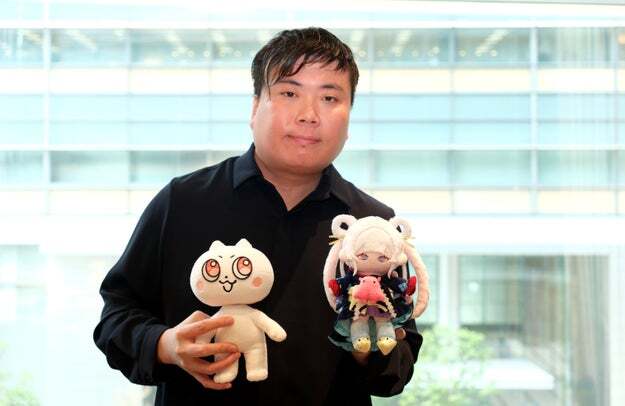
1月22日にNetflixで配信が始まったアニメーション映画『超かぐや姫!』。日本最古の物語と言われる『竹取物語』をベースに、「仮想空間」「ライバー(配信者)」といった現代の技術・エンターテイメントを融合させた世界観が大きな注目を集めました。
反響を受けて2月20日からは劇場公開も開始。興行収入は17億円(4月7日時点)を超え、作品に関連したクラウドファンディングも1730%の達成率(4月7日時点)に至るなど、引き続き盛り上がりを見せています。
BuzzFeed Japanでは、『超かぐや姫!』の制作を率いた山下清悟(やました・しんご)監督に、大ヒットを受けての現在の心境や、今後の作品づくりの展望などについて詳しくお話を伺いました。
1月22日にNetflixで配信が始まったアニメーション映画『超かぐや姫!』。日本最古の物語と言われる『竹取物語』をベースに、「仮想空間」「ライバー(配信者)」といった現代の技術・エンターテイメントを融合させた世界観が大きな注目を集めました。 反響を受けて2月20日からは劇場公開も開始。興行収入は17億円(4月7日時点)を超え、作品に関連したクラウドファンディングも1730%の達成率(4月7日時点)に至るなど、引き続き盛り上がりを見せています。 BuzzFeed Japanでは、『超かぐや姫!』の制作を率いた山下清悟(やました・しんご)監督に、大ヒットを受けての現在の心境や、今後の作品づくりの展望などについて詳しくお話を伺いました。
――改めまして『超かぐや姫!』の大ヒットを受けて、現在の心境はいかがでしょうか。 まず「こんなことになるとは」という言葉につきますね。 もちろんある程度反響があるだろうと狙って制作はしたものの、やはりニッチな企画ですし、私もアニメ監督としての実績はこれが初という形でスタートしたので、どれくらいの方に見ていただけるかという点については全く読めませんでした。 最初(流行に敏感な)アーリーアダプターの方々に見ていただいていたところから、いろいろな世代の一般層に見ていただけるように広がりつつあるのですが、そんな中で私の友人のお子さんが『超かぐや姫!』を見て、キャラクターの絵を描いてくれたりしていて。こんな状況になるとは全く思っていなかったですね。 心境としてはすごく、めっちゃ嬉しいです。幸せだなと思います。
――作品に対する反響の中で、「これは意外だったな」と感じた点はありましたか? 『超かぐや姫!』を褒めてくださっている方と、批判されている方がはっきりと分かれたところですね。 『超かぐや姫!』は作品としてはアニメファンの方に受けるように作ったつもりでいたのですが、内容はかなり尖った見せ方をしています。自分が作る以上、賛否もかなり分かれるだろうと思っていたのですが、「そもそも賛否が巻き起こるほど話題になるかどうか」まではあまり自信がありませんでした。 実際の反響を見ると「この作品を好きな自分でよかった」という方もいれば、逆に「この作品を好きでいる自分は嫌だ」というような声もあり、その間にはっきりとした分断のようなものを感じました。この作品が見る人にとって「自身の思想や価値観まで含めて語る材料にしてもらっている」感じがして、自分としては、これがめちゃくちゃ嬉しかったです。 結果的に反響で賛否がきれいに分かれている様子を見て、自分がやりたかったことをはっきりと出せて、ここまでしっかり作品を見ていただけたのだなと改めて実感することができました。それが本当に良かったですね。
――ここからは山下監督のこれまでの歩みについても伺えればと思います。アニメの業界に入ったきっかけと、監督になるまでの経緯はどのようなものだったのでしょうか。 元々アニメの作画の仕事に興味があり、雑誌などで関連情報をよく見ていたのですが、業界に入りたいと思った直接のきっかけは、アニメ『NARUTO -ナルト-』第30話「蘇れ写輪眼! 必殺・火遁龍火の術!」でした。 有名なアニメーターの若林厚史(わかばやし・あつし)さんと松本憲生(まつもと・のりお)さんが組んで制作された回で、松本さんがAパートの原画を全部やられていました。とにかくアクションシーンがすごくて、絵も上手すぎるし、動きも上手すぎるし、演出もかっこいいという具合で「こんなことが人間にできるのか」と驚きました。理屈抜きの感覚で、「こういう仕事をすごくやってみたい」という気持ちになりました。私が15、6歳くらいの時だったと思います。 そこから絵を描き始めて、ドットで描いたGIFアニメを自身のウェブサイトにアップしていたところ、アニメーターのりょーちもさんと、沓名健一(くつな・けんいち)さんが私の作品を見て「この人をウチの会社に呼ぼう」と言ってくださいました。それを機にサテライトというアニメ制作会社に動画担当で入ることになり、キャリアがスタートしました。 その後、『NARUTO -ナルト- 疾風伝』でまた若林さんが演出、松本さんが原画を担当する回があり、そこに自分が沓名さんと参加することになるなど、アニメーターとして盛り上がりのピークといいますか、すごく名誉ある経験をさせていただきました。 そこからはアニメ『呪術廻戦 第1期』のオープニングなど、短尺のアニメーションの演出を長くやるようになりました。その後、まさに『超かぐや姫!』を作っているスタジオコロリドのプロデューサーから「5-10分ほどの短編作品の監督をやりませんか」とお誘いを受けました。それがポケットモンスターのオリジナル短編である『薄明の翼』(2020年)です。 『薄明の翼』の評判が良かったので、今回の『超かぐや姫!』で長編作品の監督のお話を初めていただき、今に至るという流れです。
――『超かぐや姫!』で、これまでの監督ご自身の経験が色濃く出ていると感じる部分はどこでしょうか。 やはりアクションシーンについては、原点でもある『NARUTO -ナルト-』のエッセンスがめちゃめちゃ入っていると思いますし、NARUTOの前の『NINKU -忍空-』など、「週刊少年ジャンプ」でずっと続いている忍者モノの影響は大きく受けています。
それ以外にもキャラクターがライブで歌って踊るシーンは、過去に『マクロスF』でヒロインのランカ・リーが踊るシーンなどの原画を担当した経験の影響もあると思います。 キャラクターたちがわちゃわちゃしている日常系シーンの描写は、演出を担当した『夜桜四重奏〜ハナノウタ〜』という作品で経験がありました。 そういう意味では、自身の過去の全ての仕事が『超かぐや姫!』に活きていると思います。逆に言うと、アニメ制作にかかるさまざまな工程を経験してきたからこそ、「基本的にどんなものでも描ける」という状態になっていたのかもしれません。 特に人気の作品に携わる中で「なぜこの作品は人気があるのだろう」「それ以外の作品との違いはなんだろう」といったマーケティング的な面もずっと考えてきたので、『超かぐや姫!』はこれまでの作品全てから受け取ったものでできていると感じます。
――『超かぐや姫!』は山下監督のこれからのキャリアの中でどんな位置付けの作品になると感じていますか。 今回『超かぐや姫!』というオリジナルの長編作品を手がけたことで、ありがたいことに新たなお仕事の話もいただくようになりました。今後は、長編の自社制作を行なっていくことがベースになっていくのかなという意味で、キャリアの転換点になりそうです。 おそらく、『超かぐや姫!』の前から私を知っていた人と、以後に私を知った人とでは、見るポイントが変わっていくのだろうという気もしていて、「もう元には戻れない」という感覚もあります。
――オリジナルの長編作品にシフトしていく未来は、キャリアをスタートした時から思い描いていたのでしょうか。 もちろん、ある程度キャリアを重ねてから自分の作品を作りたいなという気持ちはあったのですが、これは本当に狭き門といいますか、望んでできることではないという認識でした。やはり周囲の関係者が「この人に長編のオリジナル作品を任せてみたい」と思ってくれるかという面もありますし。私自身、オリジナル作品については自主制作などの経験もなかったので、実際に実現するのはとても難しいのではないかと考えていました。 そんな中で、今回『超かぐや姫!』でオリジナルの長編作品をやらせていただくチャンスが来たことは、本当にラッキーだったと思います。
――初の長編作品の監督にチャレンジされるにあたり、不安に感じた部分はなかったのでしょうか? 私は多分、いろいろな人に頼ることが得意なのだと思います。「自分ができないこと」を相当自覚しているんですね。例えば自身で企画を考えている時に「どうしても自分の企画は地味になりがちだな」となった時に、「じゃあ企画を派手にできる人は誰なんだろう」ということを常に考える癖があります。自分の弱さを知り、そこを補ってくれる人を探して頼ることができるというスキルは、けっこう強みなんじゃないかと考えています。 そのため、『超かぐや姫!』は初の長編作品へのチャレンジではありましたが、情熱とやる気はすごくあったので、「最後まで作り上げることができるだろう」という気持ちはありました。
――最後に、アニメ監督として今後の展望について教えてください。 とても難しい問題なのですが、最近のアニメ作品では、「音楽はライブやアイドル的なものが受けやすい」「メインのキャラクターは女性どうしで……」といった具合に、これ以外でヒットを産み出すのが難しいというくらい「ヒットのパターン」が固定化されてきている現状があります。 ヒットのパターンが固定化されるということは、「同じような企画しか通らなくなってしまう」という問題を孕んでいて、オリジナル作品を生み出していくという意味では多くの監督さんが危惧している点でもあると思います。 かくいう『超かぐや姫!』もまさに「ヒットのパターン」に思いっきり乗っかっていった作品なのですが、これから先は「ヒットのパターン」から「どの要素がなくてもいけるか」という引き算をちょっとずつ試していくことになりそうです。 今ヒットしている作品のパターン以外にも多分まだまだ別の可能性はあって、でもそれがまだ見えていないといいますか。新しいヒット作を生み出していくのはとても難しいことですが、やはり自分もそこに挑戦していきたいですね。 また、『超かぐや姫!』もそうでしたが、私は作品を作る時に「緻密な設計を前面に押し出す作品」よりは「楽しさと勢いがある作品」のほうが作っていて楽しいと感じるので、今後も「勢い」を大事にしつつ面白いオリジナル作品を生み出していけたらなと思います。
配信開始:2026年1月22日 監督:山下清悟 出演:夏吉ゆうこ、永瀬アンナ、早見沙織、入野自由、内田雄馬、松岡禎丞、青山吉能、小原好美、釘宮理恵、ファイルーズあい、花江夏樹 企画・プロデュース:山本幸治 製作:コロリド・ツインエンジンパートナーズ アニメーション制作:スタジオコロリド / スタジオクロマト 配給:ツインエンジン
1月22日にNetflixで配信が始まったアニメーション映画『超かぐや姫!』。日本最古の物語と言われる『竹取物語』をベースに、「仮想空間」「ライバー(配信者)」といった現代の技術・エンターテイメントを融合させた世界観が大きな注目を集めました。 反響を受けて2月20日からは劇場公開も開始。興行収入は17億円(4月7日時点)を超え、作品に関連したクラウドファンディングも1730%の達成率(4月7日時点)に至るなど、引き続き盛り上がりを見せています。 BuzzFeed Japanでは、『超かぐや姫!』の制作を率いた山下清悟(やました・しんご)監督に、大ヒットを受けての現在の心境や、今後の作品づくりの展望などについて詳しくお話を伺いました。
――改めまして『超かぐや姫!』の大ヒットを受けて、現在の心境はいかがでしょうか。 まず「こんなことになるとは」という言葉につきますね。 もちろんある程度反響があるだろうと狙って制作はしたものの、やはりニッチな企画ですし、私もアニメ監督としての実績はこれが初という形でスタートしたので、どれくらいの方に見ていただけるかという点については全く読めませんでした。 最初(流行に敏感な)アーリーアダプターの方々に見ていただいていたところから、いろいろな世代の一般層に見ていただけるように広がりつつあるのですが、そんな中で私の友人のお子さんが『超かぐや姫!』を見て、キャラクターの絵を描いてくれたりしていて。こんな状況になるとは全く思っていなかったですね。 心境としてはすごく、めっちゃ嬉しいです。幸せだなと思います。
――作品に対する反響の中で、「これは意外だったな」と感じた点はありましたか? 『超かぐや姫!』を褒めてくださっている方と、批判されている方がはっきりと分かれたところですね。 『超かぐや姫!』は作品としてはアニメファンの方に受けるように作ったつもりでいたのですが、内容はかなり尖った見せ方をしています。自分が作る以上、賛否もかなり分かれるだろうと思っていたのですが、「そもそも賛否が巻き起こるほど話題になるかどうか」まではあまり自信がありませんでした。 実際の反響を見ると「この作品を好きな自分でよかった」という方もいれば、逆に「この作品を好きでいる自分は嫌だ」というような声もあり、その間にはっきりとした分断のようなものを感じました。この作品が見る人にとって「自身の思想や価値観まで含めて語る材料にしてもらっている」感じがして、自分としては、これがめちゃくちゃ嬉しかったです。 結果的に反響で賛否がきれいに分かれている様子を見て、自分がやりたかったことをはっきりと出せて、ここまでしっかり作品を見ていただけたのだなと改めて実感することができました。それが本当に良かったですね。
――ここからは山下監督のこれまでの歩みについても伺えればと思います。アニメの業界に入ったきっかけと、監督になるまでの経緯はどのようなものだったのでしょうか。 元々アニメの作画の仕事に興味があり、雑誌などで関連情報をよく見ていたのですが、業界に入りたいと思った直接のきっかけは、アニメ『NARUTO -ナルト-』第30話「蘇れ写輪眼! 必殺・火遁龍火の術!」でした。 有名なアニメーターの若林厚史(わかばやし・あつし)さんと松本憲生(まつもと・のりお)さんが組んで制作された回で、松本さんがAパートの原画を全部やられていました。とにかくアクションシーンがすごくて、絵も上手すぎるし、動きも上手すぎるし、演出もかっこいいという具合で「こんなことが人間にできるのか」と驚きました。理屈抜きの感覚で、「こういう仕事をすごくやってみたい」という気持ちになりました。私が15、6歳くらいの時だったと思います。 そこから絵を描き始めて、ドットで描いたGIFアニメを自身のウェブサイトにアップしていたところ、アニメーターのりょーちもさんと、沓名健一(くつな・けんいち)さんが私の作品を見て「この人をウチの会社に呼ぼう」と言ってくださいました。それを機にサテライトというアニメ制作会社に動画担当で入ることになり、キャリアがスタートしました。 その後、『NARUTO -ナルト- 疾風伝』でまた若林さんが演出、松本さんが原画を担当する回があり、そこに自分が沓名さんと参加することになるなど、アニメーターとして盛り上がりのピークといいますか、すごく名誉ある経験をさせていただきました。 そこからはアニメ『呪術廻戦 第1期』のオープニングなど、短尺のアニメーションの演出を長くやるようになりました。その後、まさに『超かぐや姫!』を作っているスタジオコロリドのプロデューサーから「5-10分ほどの短編作品の監督をやりませんか」とお誘いを受けました。それがポケットモンスターのオリジナル短編である『薄明の翼』(2020年)です。 『薄明の翼』の評判が良かったので、今回の『超かぐや姫!』で長編作品の監督のお話を初めていただき、今に至るという流れです。
――『超かぐや姫!』で、これまでの監督ご自身の経験が色濃く出ていると感じる部分はどこでしょうか。 やはりアクションシーンについては、原点でもある『NARUTO -ナルト-』のエッセンスがめちゃめちゃ入っていると思いますし、NARUTOの前の『NINKU -忍空-』など、「週刊少年ジャンプ」でずっと続いている忍者モノの影響は大きく受けています。
それ以外にもキャラクターがライブで歌って踊るシーンは、過去に『マクロスF』でヒロインのランカ・リーが踊るシーンなどの原画を担当した経験の影響もあると思います。 キャラクターたちがわちゃわちゃしている日常系シーンの描写は、演出を担当した『夜桜四重奏〜ハナノウタ〜』という作品で経験がありました。 そういう意味では、自身の過去の全ての仕事が『超かぐや姫!』に活きていると思います。逆に言うと、アニメ制作にかかるさまざまな工程を経験してきたからこそ、「基本的にどんなものでも描ける」という状態になっていたのかもしれません。 特に人気の作品に携わる中で「なぜこの作品は人気があるのだろう」「それ以外の作品との違いはなんだろう」といったマーケティング的な面もずっと考えてきたので、『超かぐや姫!』はこれまでの作品全てから受け取ったものでできていると感じます。
――『超かぐや姫!』は山下監督のこれからのキャリアの中でどんな位置付けの作品になると感じていますか。 今回『超かぐや姫!』というオリジナルの長編作品を手がけたことで、ありがたいことに新たなお仕事の話もいただくようになりました。今後は、長編の自社制作を行なっていくことがベースになっていくのかなという意味で、キャリアの転換点になりそうです。 おそらく、『超かぐや姫!』の前から私を知っていた人と、以後に私を知った人とでは、見るポイントが変わっていくのだろうという気もしていて、「もう元には戻れない」という感覚もあります。
――オリジナルの長編作品にシフトしていく未来は、キャリアをスタートした時から思い描いていたのでしょうか。 もちろん、ある程度キャリアを重ねてから自分の作品を作りたいなという気持ちはあったのですが、これは本当に狭き門といいますか、望んでできることではないという認識でした。やはり周囲の関係者が「この人に長編のオリジナル作品を任せてみたい」と思ってくれるかという面もありますし。私自身、オリジナル作品については自主制作などの経験もなかったので、実際に実現するのはとても難しいのではないかと考えていました。 そんな中で、今回『超かぐや姫!』でオリジナルの長編作品をやらせていただくチャンスが来たことは、本当にラッキーだったと思います。
――初の長編作品の監督にチャレンジされるにあたり、不安に感じた部分はなかったのでしょうか? 私は多分、いろいろな人に頼ることが得意なのだと思います。「自分ができないこと」を相当自覚しているんですね。例えば自身で企画を考えている時に「どうしても自分の企画は地味になりがちだな」となった時に、「じゃあ企画を派手にできる人は誰なんだろう」ということを常に考える癖があります。自分の弱さを知り、そこを補ってくれる人を探して頼ることができるというスキルは、けっこう強みなんじゃないかと考えています。 そのため、『超かぐや姫!』は初の長編作品へのチャレンジではありましたが、情熱とやる気はすごくあったので、「最後まで作り上げることができるだろう」という気持ちはありました。
――最後に、アニメ監督として今後の展望について教えてください。 とても難しい問題なのですが、最近のアニメ作品では、「音楽はライブやアイドル的なものが受けやすい」「メインのキャラクターは女性どうしで……」といった具合に、これ以外でヒットを産み出すのが難しいというくらい「ヒットのパターン」が固定化されてきている現状があります。 ヒットのパターンが固定化されるということは、「同じような企画しか通らなくなってしまう」という問題を孕んでいて、オリジナル作品を生み出していくという意味では多くの監督さんが危惧している点でもあると思います。 かくいう『超かぐや姫!』もまさに「ヒットのパターン」に思いっきり乗っかっていった作品なのですが、これから先は「ヒットのパターン」から「どの要素がなくてもいけるか」という引き算をちょっとずつ試していくことになりそうです。 今ヒットしている作品のパターン以外にも多分まだまだ別の可能性はあって、でもそれがまだ見えていないといいますか。新しいヒット作を生み出していくのはとても難しいことですが、やはり自分もそこに挑戦していきたいですね。 また、『超かぐや姫!』もそうでしたが、私は作品を作る時に「緻密な設計を前面に押し出す作品」よりは「楽しさと勢いがある作品」のほうが作っていて楽しいと感じるので、今後も「勢い」を大事にしつつ面白いオリジナル作品を生み出していけたらなと思います。
配信開始:2026年1月22日 監督:山下清悟 出演:夏吉ゆうこ、永瀬アンナ、早見沙織、入野自由、内田雄馬、松岡禎丞、青山吉能、小原好美、釘宮理恵、ファイルーズあい、花江夏樹 企画・プロデュース:山本幸治 製作:コロリド・ツインエンジンパートナーズ アニメーション制作:スタジオコロリド / スタジオクロマト 配給:ツインエンジン
Vocabulary
General
Proper noun
JLPT N2
JLPT N1
| # | 言葉 | 意味 |
|---|---|---|
| 30 | 作品 | さくひん (作品) : work (e.g. book, film, composition, etc.); opus; performance; production |
| 20 | 超 | ちょう (超) : 1. super-; ultra-; hyper-; extreme 2. extremely; really; totally; absolutely |
| 20 | かぐや姫 | かぐやひめ (輝夜姫) : Kaguya-Hime (main character of Taketori Monogatari); Princess Kaguya (person) |
| 11 | 監督 | かんとく (監督) : 1. supervision; control; superintendence; direction 2. director; superintendent; supervisor; coach; foreman; manager; overseer; controller; boss |
| 8 | 長編 | ちょうへん (長編) : long (e.g. novel, film) |
| 6 | 反響 | はんきょう (反響) : 1. echo; reverberation 2. response; reaction; repercussions; sensation; influence |
| 6 | 制作 | せいさく (制作) : 1. work (film, book) 2. production; creation; turning (something) out; development |
| 6 | 企画 | きかく (企画) : planning; project; plan; design |
| 5 | 配信 | はいしん (配信) : distribution (of information, etc.); broadcast; delivery; transmission; streaming |
| 5 | 山下 | やまもと (山元) : 1. foot of a mountain; base of a mountain 2. mine; colliery |
| 5 | 今後 | こんご (今後) : from now on; hereafter |
| 5 | すごく | すごく (凄く) : awfully; very; immensely |
| 5 | 感ずる | かんずる (感ずる) : to feel; to sense |
| 4 | 時点 | じてん (時点) : point in time; occasion |
| 4 | 心境 | しんきょう (心境) : state of mind; mental state; mental attitude |
| 4 | 作る | つくる (作る) : 1. to make; to produce; to manufacture; to build; to construct 2. to prepare (food); to brew (alcohol) |
| 4 | 自身 | じしん (自身) : (one's) self; oneself |
| 4 | 演出 | えんしゅつ (演出) : production (e.g. play); direction |
| 4 | 担当 | たんとう (担当) : being in charge (of an area of responsibility); being responsible (for a work role, etc.) |
| 4 | 考える | かんがえる (考える) : 1. to think (about, of); to think over; to ponder; to contemplate; to reflect (on); to meditate (on) 2. to consider; to bear in mind; to allow for; to take into consideration |
| 3 | 開始 | かいし (開始) : start; commencement; beginning; initiation |
| 3 | 関連 | かんれん (関連) : relation; connection; relevance |
| 3 | 至る | いたる (至る) : 1. to arrive at (e.g. a decision); to reach (a stage); to attain 2. to lead to (a place); to get to |
| 3 | 盛り上がり | もりあがり (盛り上がり) : 1. climax; uprush 2. bulge |
| 3 | 清悟 | きよさと (清悟) : Kiyosato (unclass) |
| 3 | 大ヒット | だいヒット (大ヒット) : big hit; smash hit; popular item (e.g. movie, music) |
| 3 | 現在 | げんざい (現在) : now; current; present; present time; as of |
| 3 | 展望 | てんぼう (展望) : view; outlook; prospect |
| 3 | 初 | はつ (初) : first; new |
| 3 | 描く | えがく (描く) : 1. to draw; to paint; to sketch 2. to depict; to describe |
| 3 | 分かれる | わかれる (分かれる) : 1. to branch; to fork; to diverge 2. to separate; to split; to divide |
| 3 | 賛否 | さんぴ (賛否) : yes and no; for and against |
| 3 | 本当 | ほんとう (本当) : 1. truth; reality; actuality; fact 2. proper; right; correct; official |
| 3 | 松本 | まさもと (松本) : Masamoto (surname) |
| 3 | 原画 | げんが (原画) : 1. original picture 2. key frame; key animation |
| 3 | 知る | しる (知る) : 1. to be aware of; to know; to be conscious of; to cognize; to cognise 2. to notice; to feel |
| 3 | 生み出す | うみだす (生み出す) : 1. to create; to bring forth; to produce 2. to invent; to think up and bring into being |
| 2 | 始まる | はじまる (始まる) : 1. to begin; to start; to commence 2. to happen (again); to begin (anew) |
| 2 | 最古 | さいこ (最古) : the oldest |
| 2 | 物語 | ものがたり (物語) : tale; story; legend |
| 2 | 竹取物語 | たけとりものがたり (竹取物語) : Taketori Monogatari (The Tale of the Bamboo-Cutter) (work) |
| 2 | 仮想空間 | かそうくうかん (仮想空間) : virtual space (e.g. in computer graphics) |
| 2 | 現代 | げんだい (現代) : nowadays; modern era; modern times; present-day |
| 2 | 融合 | ゆうごう (融合) : agglutination; adhesion; fusion; combination; blending; uniting |
| 2 | 世界観 | せかいかん (世界観) : 1. world view; outlook on the world; Weltanschauung (philosophy) 2. appearance of a world (e.g. in fiction) |
| 2 | 注目 | ちゅうもく (注目) : notice; attention; observation |
| 2 | 集める | あつめる (集める) : to collect; to assemble; to gather |
| 2 | 興行収入 | こうぎょうしゅうにゅう (興行収入) : box-office takings; box-office revenue |
| 2 | 超える | こえる (越える) : 1. to cross over; to cross; to pass through; to pass over (out of); to go beyond; to go past 2. to exceed; to surpass; to be more (than) |
| 2 | 引き続く | ひきつづく (引き続く) : to continue (for a long time); to occur in succession; to come next (e.g. on TV) |
| 2 | 率いる | ひきいる (率いる) : to lead; to spearhead (a group); to command (troops) |
| 2 | しんご | しんご (新語) : new word; neologism; word of recent origin; recent word; modern term |
| 2 | づくり | づくり (作り) : 1. making; forming; cultivating; growing 2. form; appearance |
| 2 | 詳しく | くわしく (詳しく) : in detail; fully; minutely; at length |
| 2 | 伺う | うかがう (伺う) : 1. to ask; to inquire; to hear; to be told 2. to implore (a god for an oracle); to seek direction (from your superior) |
| 2 | 程度 | ていど (程度) : degree; amount; grade; standard; of the order of (following a number); about; approximately |
| 2 | 全く | まったく (全く) : 1. really; truly; entirely; completely; wholly; perfectly 2. indeed |
| 2 | かなり | かなり (可也) : considerably; fairly; quite |
| 2 | 実際 | じっさい (実際) : 1. reality; actuality; truth; fact; actual conditions 2. practice (as opposed to theory) |
| 2 | 逆 | ぎゃく (逆) : 1. reverse; opposite 2. converse (of a hypothesis, etc.) |
| 2 | 業界 | ぎょうかい (業界) : business world; business circles; (the) industry |
| 2 | きっかけ | きっかけ (切っ掛け) : chance; start; cue; excuse; motive; impetus; occasion |
| 2 | 第 | だい (第) : prefix for forming ordinal numbers |
| 2 | 若林 | わかはやし (若林) : Wakahayashi (surname) |
| 2 | 感覚 | かんかく (感覚) : sense; sensation; feeling; intuition |
| 2 | 沓名 | かずな (沓名) : Kazuna (surname) |
| 2 | まさに | まさに (正に) : 1. exactly; surely; certainly; just 2. right then; just then; at that moment |
| 2 | 短編 | たんぺん (短編) : short (e.g. story, film) |
| 2 | 薄明 | はくめい (薄明) : twilight; dusk; faint light |
| 2 | 翼 | つばさ (翼) : 1. wing 2. Chinese "Wings" constellation (one of the 28 mansions) |
| 2 | 感じる | かんじる (感じる) : to feel; to sense; to experience |
| 2 | 部分 | ぶぶん (部分) : portion; section; part |
| 2 | ずっと | ずっと : 1. continuously in some state (for a long time, distance); throughout; all along; the whole time; all the way 2. much (better, etc.); by far; far and away |
| 2 | 影響 | えいきょう (影響) : 1. influence; effect 2. to influence; to affect; to have an influence on; to impact; to have an effect on |
| 2 | 過去 | かこ (過去) : 1. the past; bygone days 2. one's past (that one would prefer remained secret) |
| 2 | 全て | すべて (全て) : 1. everything; all; the whole 2. entirely; completely; wholly; all |
| 2 | 人気 | にんき (人気) : 1. popularity; public favor 2. condition (e.g. market); tone; character; nature |
| 2 | 面 | おもて (面) : 1. face 2. surface |
| 2 | 多分 | たぶん (多分) : 1. perhaps; probably 2. generous; many; much; great |
| 2 | 頼る | たよる (頼る) : to rely on; to depend on; to count on; to turn to (for help) |
| 2 | 勢い | いきおい (勢い) : 1. force; vigor; vigour; energy; spirit; life 2. influence; authority; power; might |
| 1 | 改める | あらためる (改める) : 1. to change; to alter; to revise; to replace 2. to reform; to correct; to mend; to improve |
| 1 | 狙う | ねらう (狙う) : 1. to aim at 2. to be after (something); to have an eye on |
| 1 | 実績 | じっせき (実績) : achievements; actual results; accomplishments; past results; track record |
| 1 | 流行 | りゅうこう (流行) : 1. fashion; trend; vogue; craze; fad; popularity 2. prevalence (of a disease); epidemic |
| 1 | 敏感 | びんかん (敏感) : sensitive; alert; aware; susceptible |
| 1 | 方々 | かたがた (方々) : 1. people; (all) persons; everyone; ladies and gentlemen 2. you (usu. plural) |
| 1 | 世代 | せだい (世代) : generation; the world; the age |
| 1 | 一般 | いっぱん (一般) : 1. general; universal 2. ordinary; average; common; non-celebrity |
| 1 | 層 | そう (層) : 1. layer; stratum; seam; bed 2. class; stratum; bracket; group |
| 1 | 広がる | ひろがる (広がる) : to spread (out); to extend; to stretch; to reach to; to get around; to fill (e.g. a space) |
| 1 | 友人 | ゆうじん (友人) : friend |
| 1 | お子さん | おこさん (お子さん) : child |
| 1 | 状況 | じょうきょう (状況) : state of affairs (around you); situation; circumstances |
| 1 | めっちゃ | めっちゃ (滅茶) : very; extremely; excessively |
| 1 | 嬉しい | うれしい (嬉しい) : 1. happy; glad; pleased; delighted; overjoyed 2. joyful; delightful; gratifying; pleasant |
| 1 | 幸せ | しあわせ (幸せ) : happiness; good fortune; luck; blessing |
| 1 | 意外 | いがい (意外) : unexpected; surprising |
| 1 | 褒める | ほめる (褒める) : to praise; to commend; to compliment; to speak well of; to speak highly of |
| 1 | 批判 | ひはん (批判) : criticism; judgement; judgment; comment |
| 1 | 内容 | ないよう (内容) : contents; content; substance; matter; detail; import |
| 1 | 尖る | とがる (尖る) : 1. to taper to a point; to become pointed; to become sharp 2. to look displeased; to look sour; to be on edge; to be touchy |
| 1 | そもそも | そもそも (抑) : 1. in the first place; to begin with; from the start; originally; ab initio 2. after all; anyway; actually; well, ...; ... on earth (e.g. "what on earth?"); ... in the world (e.g. "why in the world?") |
| 1 | 巻き起こる | まきおこる (巻き起こる) : to arise; to break out; to well up; to burst |
| 1 | 話題 | わだい (話題) : topic; subject |
| 1 | 自信 | じしん (自信) : self-confidence; confidence (in oneself) |
| 1 | 分断 | ぶんだん (分断) : dividing into parts |
| 1 | のよ | のよ (乃代) : Noyo (unclass) |
| 1 | うな | うな (鰻) : eel (esp. the Japanese eel, Anguilla japonica) |
| 1 | もの | もの (者) : person |
| 1 | 思想 | しそう (思想) : thought; idea; ideology |
| 1 | 価値観 | かちかん (価値観) : sense of values; values; value system |
| 1 | 含める | ふくめる (含める) : 1. to include (in a group or scope) 2. to instruct; to make one understand |
| 1 | 語る | かたる (語る) : 1. to talk about; to speak of; to tell; to narrate 2. to recite; to chant |
| 1 | 材料 | ざいりょう (材料) : 1. ingredients; material 2. material (for a novel, experiment, etc.); subject matter; data |
| 1 | 感じ | かんじ (感じ) : feeling; sense; impression |
| 1 | めちゃくちゃ | めちゃくちゃ (目茶苦茶) : 1. absurd; unreasonable; nonsensical; preposterous; incoherent 2. extreme; senseless; reckless; wanton |
| 1 | 結果的 | けっかてき (結果的) : concerning the result (as opposed to the means used to achieve this result or the original goal) |
| 1 | 様子 | ようす (様子) : 1. state; state of affairs; situation; circumstances 2. appearance; look; aspect |
| 1 | 改めて | あらためて (改めて) : 1. another time; again; over again; once again; anew 2. formally; especially; intentionally; deliberately |
| 1 | 実感 | じっかん (実感) : 1. real feeling; actual feeling 2. to actually feel; to have a real feeling (that ...); to experience personally |
| 1 | 歩み | あゆみ (歩み) : 1. walking 2. pace; step |
| 1 | 経緯 | いきさつ (経緯) : 1. details; particulars; whole story; sequence of events; chronology; circumstances; how it started; how things got this way 2. longitude and latitude |
| 1 | 元々 | もともと (元々) : originally; by nature; from the start |
| 1 | 作画 | さくが (作画) : drawing pictures; painting pictures; taking photographs |
| 1 | 情報 | じょうほう (情報) : 1. information; news; intelligence; advices 2. information; data contained in characters, signals, code, etc. |
| 1 | 直接 | ちょくせつ (直接) : direct; immediate; personal; firsthand |
| 1 | 蘇る | よみがえる (蘇る) : 1. to be resurrected; to be resuscitated; to be rehabilitated; to be revived; to be refreshed; to be restored 2. to be recalled (e.g. memories); to be brought back |
| 1 | 必殺 | ひっさつ (必殺) : bringing certain death; deadly; knockout (blow) |
| 1 | 龍 | りゅう (竜) : 1. dragon (esp. a Chinese dragon) 2. naga; semi-divine human-cobra chimera in Hindu and Buddhist mythology |
| 1 | 術 | じゅつ (術) : 1. art; technique 2. means; way |
| 1 | 厚史 | あつし (厚史) : Atsushi (given) |
| 1 | わか | わか (和歌) : waka; classic Japanese poem, esp. a tanka, often 31 morae |
| 1 | あつし | あつし (厚司) : elm bark clothes traditionally worn by the Ainu; elm bark textile |
| 1 | 憲生 | けんじょう (憲生) : Kenjou (given) |
| 1 | まつもと | まつもと (黒神) : Matsumoto (unclass) |
| 1 | のりお | のりお (位夫) : Norio (given) |
| 1 | 組む | くむ (組む) : 1. to cross (legs or arms); to link (arms) 2. to put together; to construct; to assemble; to produce (e.g. TV program) |
| 1 | とにかく | とにかく (兎に角) : anyhow; at any rate; anyway; somehow or other; generally speaking; in any case; at least |
| 1 | 動き | うごき (動き) : 1. movement; move; motion 2. trend; development; change; fluctuation |
| 1 | 人間 | にんげん (人間) : 1. human being; human; person; man; mankind; humankind 2. character (of a person) |
| 1 | 驚く | おどろく (驚く) : to be surprised; to be astonished |
| 1 | 理屈 | りくつ (理屈) : theory; reason |
| 1 | 抜き | ぬき (抜き) : 1. leaving out; omitting; skipping; dispensing with 2. (beating) in succession; in a row |
| 1 | のり | のり (海苔) : nori; laver; edible seaweed, usu. Porphyra yezoensis or P. tenera, usu. dried and pressed into sheets |
| 1 | ち | ち (血) : 1. blood 2. blood; ancestry; lineage; stock |
| 1 | 健一 | えんいち (健一) : En'ichi (unclass) |
| 1 | けんいち | けんいち (けん一) : Ken'ichi (masc) |
| 1 | 呼ぶ | よぶ (呼ぶ) : 1. to call out (to); to call; to invoke 2. to summon (a doctor, etc.) |
| 1 | 機 | はた (機) : loom |
| 1 | アニメ制作会社 | アニメせいさくがいしゃ (アニメ制作会社) : animation studio; animation production company |
| 1 | 動画 | どうが (動画) : 1. video; movie; moving picture 2. animation; animated cartoon |
| 1 | 疾風 | しっぷう (疾風) : gale; strong wind; swift wind; fresh breeze (Beaufort scale) |
| 1 | 伝 | つて (伝) : 1. means of making contact; intermediary; go-between 2. connections; influence; pull; good offices |
| 1 | 参加 | さんか (参加) : participation; joining; entry; adherence |
| 1 | 名誉 | めいよ (名誉) : honor; honour; credit; prestige |
| 1 | 呪術廻戦 | じゅじゅつかいせん (呪術廻戦) : Jujutsu Kaisen (manga series) (work) |
| 1 | 期 | き (期) : 1. period; time 2. opportunity; chance; occasion |
| 1 | 短尺 | たんざく (短冊) : 1. long, narrow card on which Japanese poems are written (vertically); strip of paper; tanzaku 2. thin rectangle |
| 1 | 誘い | さそい (誘い) : 1. invitation; introduction 2. temptation |
| 1 | 評判 | ひょうばん (評判) : 1. fame; reputation; popularity 2. rumour (rumor); talk |
| 1 | 流れ | ながれ (流れ) : 1. flow (of a fluid or gas); stream; current 2. flow (of people, things); passage (of time); tide; passing; (changing) trends; tendency |
| 1 | ご自身 | ごじしん (御自身) : himself; yourself; herself |
| 1 | 原点 | げんてん (原点) : 1. starting point; origin; beginning 2. origin (of coordinate axes) |
| 1 | めちゃめちゃ | めちゃめちゃ (目茶目茶) : 1. disorderly; messy; ruined 2. absurd; unreasonable; excessive; rash |
| 1 | 週刊 | しゅうかん (週刊) : weekly publication |
| 1 | 少年ジャンプ | しょうねんジャンプ (少年ジャンプ) : Shounen Jump (weekly magazine) (product) |
| 1 | 忍者 | にんじゃ (忍者) : ninja; person trained in ninjutsu and employed for covert purposes in feudal Japan |
| 1 | 大きく | おおきく (大きく) : in a big way; on a grand scale |
| 1 | 歌う | うたう (歌う) : 1. to sing 2. to sing (one's praises in a poem, etc.); to compose a poem; to recite a poem |
| 1 | わ | われ (我) : 1. I; me 2. oneself |
| 1 | 描写 | びょうしゃ (描写) : depiction; description; portrayal |
| 1 | 夜桜 | よざくら (夜桜) : cherry blossoms at night |
| 1 | 四重奏 | しじゅうそう (四重奏) : instrumental quartet |
| 1 | 活きる | いきる (生きる) : 1. to live; to exist 2. to make a living; to subsist |
| 1 | 工程 | こうてい (工程) : process; operation; stage of a process; progress of work |
| 1 | こそ | こそ : 1. it is ... that ...; precisely; in particular; definitely; for sure; only (when, after, because, etc.) 2. although; while; it is the case that ... but |
| 1 | 基本的 | きほんてき (基本的) : fundamental; basic |
| 1 | 状態 | じょうたい (状態) : state; condition; situation; appearance; circumstances |
| 1 | しれる | しれる (知れる) : 1. to become known; to come to light; to be discovered 2. to be known; to be understood |
| 1 | 携わる | たずさわる (携わる) : to engage in; to participate in; to take part in; to be involved in |
| 1 | 違い | ちがい (違い) : 1. difference; distinction; discrepancy 2. mistake; error |
| 1 | 受け取る | うけとる (受け取る) : 1. to receive; to get; to accept 2. to take; to interpret; to understand |
| 1 | 位置付け | いちづけ (位置付け) : placement; fixed position; mapping out; location |
| 1 | 手がける | てがける (手がける) : 1. to handle; to manage; to deal with; to work with; to have experience with 2. to rear; to look after |
| 1 | ありがたい | ありがたい (有難い) : grateful; thankful; welcome; appreciated; evoking gratitude |
| 1 | 新た | あらた (新た) : new; fresh; novel |
| 1 | 自社 | じしゃ (自社) : 1. one's company; company one works for 2. in-house; belonging to the company |
| 1 | 行なう | おこなう (行う) : to perform; to do; to conduct oneself; to carry out |
| 1 | 転換点 | てんかんてん (転換点) : turning point; tipping point; commutation point |
| 1 | おそらく | おそらく (恐らく) : perhaps; likely; probably; I dare say |
| 1 | 以後 | いご (以後) : 1. after this; from now on; hereafter 2. thereafter; since (then); after |
| 1 | 変わる | かわる (変わる) : 1. to change; to be transformed; to be altered; to vary 2. to move to |
| 1 | 未来 | みらい (未来) : 1. the future (usually distant) 2. future tense |
| 1 | 思い描く | おもいえがく (思い描く) : to imagine; to picture; to figure; to see |
| 1 | 重ねる | かさねる (重ねる) : 1. to pile up; to heap up; to stack up; to put on top of another 2. to repeat many times over; to go through repeatedly; to accumulate |
| 1 | 狭き門 | せまきもん (狭き門) : 1. the strait gate (in the Bible); the narrow gate 2. high barrier (to enter a highly competitive school, company, etc.); difficult hurdle; difficulty; obstacle |
| 1 | 望む | のぞむ (望む) : 1. to desire 2. to wish for; to expect |
| 1 | 認識 | にんしき (認識) : recognition; awareness; perception; understanding; knowledge; cognition; cognizance; cognisance |
| 1 | 周囲 | しゅうい (周囲) : 1. surroundings; environs 2. circumference |
| 1 | 関係者 | かんけいしゃ (関係者) : person concerned; people involved (in an event); those concerned; staff |
| 1 | 任せる | まかせる (任せる) : 1. to entrust (e.g. a task) to another; to leave to 2. to passively leave to someone else's facilities |
| 1 | 私自身 | わたしじしん (私自身) : myself |
| 1 | 自主制作 | じしゅせいさく (自主制作) : independent production (e.g. of a film) |
| 1 | 実現 | じつげん (実現) : implementation (e.g. of a system); materialization; materialisation; realization; realisation; actualization; actualisation |
| 1 | あたる | あたる (当たる) : 1. to be hit; to strike 2. to touch; to be in contact; to be affixed |
| 1 | 不安 | ふあん (不安) : anxiety; uneasiness; worry; apprehension; fear; insecurity; suspense |
| 1 | 得意 | とくい (得意) : 1. triumph; prosperity 2. pride |
| 1 | 相当 | そうとう (相当) : 1. corresponding to (in meaning, function, etc.); being equivalent to 2. appropriate; suitable; befitting; proportionate |
| 1 | 自覚 | じかく (自覚) : self-consciousness; self-awareness |
| 1 | 地味 | じみ (地味) : 1. plain; simple; subdued; sober 2. reserved (behaviour, attitude, etc.); modest; quiet; unobtrusive |
| 1 | がち | がち (雅致) : artistry; good taste; elegance; grace |
| 1 | 派手 | はで (派手) : showy; loud; gay; flashy; gaudy |
| 1 | 常 | とこ (常) : constant; unchanging; eternal |
| 1 | 癖 | くせ (癖) : 1. habit (often a bad habit, i.e. vice); tendency 2. peculiarity; idiosyncrasy; mannerism |
| 1 | 弱 | じゃく (弱) : 1. little less than; slightly fewer than; just under 2. weakness; the weak |
| 1 | 補う | おぎなう (補う) : to supplement; to make up for; to compensate for; to cover (a shortage, loss, etc.); to fill (e.g. a vacancy) |
| 1 | 探す | さがす (探す) : 1. to search for; to look for; to hunt for; to seek 2. to search (a house, pocket, etc.); to search through; to rummage in (e.g. a drawer); to fish around |
| 1 | 強み | つよみ (強み) : forte; strong point |
| 1 | 情熱 | じょうねつ (情熱) : passion; enthusiasm; zeal |
| 1 | やる気 | やるき (やる気) : willingness (e.g. to do something); eagerness; motivation; inspiration; determination; high aspirations |
| 1 | 作り上げる | つくりあげる (作り上げる) : 1. to build up; to complete; to construct; to create; to put together 2. to make up; to fabricate; to invent; to cook up |
| 1 | 教える | おしえる (教える) : 1. to teach; to instruct 2. to tell; to inform |
| 1 | どうし | どうし (動詞) : verb |
| 1 | 産み出す | うみだす (生み出す) : 1. to create; to bring forth; to produce 2. to invent; to think up and bring into being |
| 1 | 現状 | げんじょう (現状) : present condition; existing state; status quo; current state |
| 1 | 通る | とおる (通る) : 1. to go by; to go past; to go along; to travel along; to pass through; to use (a road); to take (a route); to go via; to go by way of 2. to run (between; of a rail service, bus route, etc.); to operate (between); to connect |
| 1 | 孕む | はらむ (孕む) : 1. to conceive; to become pregnant 2. to get filled with (e.g. sails filled with wind); to be swollen with |
| 1 | 危惧 | きぐ (危惧) : apprehensions; misgivings; uneasiness; anxiety; fear |
| 1 | 思いっきり | おもいっきり (思いっきり) : 1. to one's heart's content; as much as one wants; as hard as one can; with all one's strength; to the best of one's ability; to the utmost; with determination; hard; heavily 2. resolution; decisiveness; determination; resignation |
| 1 | 乗っかる | のっかる (乗っかる) : to get on; to climb on |
| 1 | 要素 | ようそ (要素) : 1. component; factor; item (e.g. in list) 2. element (e.g. in array); member (e.g. data structure) |
| 1 | 引き算 | ひきざん (引き算) : subtraction |
| 1 | 試す | ためす (試す) : to attempt; to test; to try out |
| 1 | まだまだ | まだまだ (未だ未だ) : 1. still; much more; (not) yet 2. still a long way to go; still a long way off; not there yet |
| 1 | 可能性 | かのうせい (可能性) : potentiality; likelihood; possibility; availability |
| 1 | 見える | みえる (見える) : 1. to be seen; to be in sight 2. to look; to seem; to appear |
| 1 | 挑戦 | ちょうせん (挑戦) : challenge; defiance; dare; attempt; try |
| 1 | 緻密 | ちみつ (緻密) : minute; fine; delicate; accurate; precise; elaborate |
| 1 | 設計 | せっけい (設計) : plan; design; layout |
| 1 | 前面 | ぜんめん (前面) : 1. front part; frontage; facade 2. initial pledge (e.g. election); opening slogan |
| 1 | 押し出す | おしだす (押し出す) : 1. to crowd out; to push out; to squeeze out 2. to start together; to set out en masse |
| 1 | 面白い | おもしろい (面白い) : 1. interesting; fascinating; intriguing; enthralling 2. amusing; funny; comical |
| 1 | 出演 | しゅつえん (出演) : performance; appearance (in a stage, film, TV show, etc.) |
| 1 | 夏吉 | なつよし (夏吉) : Natsuyoshi (place; surname) |
| 1 | ゆうこ | ゆうこ (優弧) : superior (major) arc |
| 1 | 永瀬 | えいせ (永瀬) : Eise (surname) |
| 1 | 早見 | はやみ (早見) : chart; table |
| 1 | 沙織 | あおり (沙織) : Aori (fem) |
| 1 | 入野自由 | いりのみゆ (入野自由) : Irino Miyu (1988.2.19-) (masc; person) |
| 1 | 内田 | ういだ (内田) : Uida (surname) |
| 1 | 雄馬 | ぼば (牡馬) : male horse |
| 1 | 松岡 | はやし (松岡) : Hayashi (surname) |
| 1 | 青山 | せいざん (青山) : 1. lush mountain; green mountain 2. grave; burial place |
| 1 | 吉能 | よしの (吉能) : Yoshino (surname) |
| 1 | 小原 | おはら (小原) : Ohara (place; surname) |
| 1 | 好美 | こうび (好美) : Koubi (given) |
| 1 | 釘宮理恵 | くぎみやりえ (釘宮理恵) : Kugimiya Rie (1979.5.30-) (person) |
| 1 | あい | あい (愛) : 1. love; affection; care 2. attachment; craving; desire |
| 1 | 花江 | かえ (花江) : Kae (unclass) |
| 1 | 夏樹 | かじゅ (夏樹) : Kaju (fem) |
| 1 | 山本 | やまもと (山元) : 1. foot of a mountain; base of a mountain 2. mine; colliery |
| 1 | 幸治 | こうじ (幸治) : Kouji (place; surname; masc) |
| 1 | 製作 | せいさく (製作) : manufacture; production |
| 1 | 配給 | はいきゅう (配給) : 1. distribution (e.g. films, rice) 2. rationing (e.g. food, gasoline) |