専門家が指摘する、間違いだらけのランニングシューズ選び──連載:教えて!GQドクター
ウェルネス志向の高まりを受けて、Z世代を中心にランニングブームが再燃中。ランニングやシューズに関する研究を行っている専門家が、正しいシューズの選び方を解説する。
1970年代にアメリカから派生したジョギングブームをきっかけに、日本でもこれまでに何度かのランニングブームが繰り返されてきた。2010年当時、RunGirl(一般社団法人ランガール)が主催した女性のためのランニング大会「ランガール☆ナイト」は特殊なケースだが、これまでのランニングブームはタイムや距離をストイックに追求する中高年層が楽しむ趣味というイメージが強かったのではないだろうか。 それがコロナ禍を経て、一過性のブームだったランニングはカルチャーへと変化した。Z世代を中心とするウェルネス志向の高まりは、ランニングへの関心を押し上げる大きな要因となったが、近年は若い世代が仲間と走る“グループラン”のトレンドが世界的に急拡大。走るという行為が単なる運動習慣を超え、コミュニケーションや自己表現として共感を呼んでいる。過去のブームとの違いはそこで、「ライフスタイル」へと昇華したのである。 世界のランニング人口に目を向けると、アメリカでは5000万人、韓国では1000万人を突破したと言われている。2020年の1000万人をピークに若干減少傾向と言われてきた日本だが、SNS総フォロワー数100万人超えるランニング系インフルエンサーが登場するなど、再び盛り返している印象もある。 全国に急拡大した市民マラソン人気もあるが、一方で自分に合ったランニングシューズがわからないままフルマラソンに”ノリ”でエントリーしてしまったり、フォームやレベルに合っていないシューズでの無理な走り込みが怪我を引き起こしてしまうケースも少なくない。 そもそも、ランニングシューズはどのように選べば良いのだろうか? ここでは順天堂大学スポーツ健康科学部の柳谷登志雄教授に解説を依頼。ランニング動作の解析を専門とし、ランニングやシューズに関する研究を行っている柳谷教授に、初心者を対象とするランニングシューズの選び方を訊いた。 ──ランニングやシューズについてどのような研究をしているのでしょうか? ランニングのバイオメカニクスが専門です。生物学と力学を合わせた分野なんですけれど、それぞれの分野からランニングを見ています。力や瞬発力を生み出す筋肉、足の筋肉や腱のレベルでランニングのフォームを分析します。シューバイオメカニクスという分野も研究していて、靴とランニングとの組み合わせでチェックしています。 ──シューズブランドに助言することもあるのですか? 助言になっているかわからないですけれど、意見を言わせていただくことはあります。一部のメーカーでは性能評価みたいなこともしています。 ──運動経験がない、あるいはこれから走ってみようというランナーは、どのようにシューズを選ぶと良いのでしょうか? まずはカジュアル系やファッション系のシューズではなくて、ランニングに向いたシューズを選ぶことが重要です。 ──ファッションのトレンドを受けた復刻系の薄底シューズで走っているランナーを見かけることもあります。 最近のリバイバルブームの影響もあって、ファッション感覚で薄底シューズを履いているランナーを見かけることがありますが、あれは足を痛める危険があるので注意が必要です。 ──近年は、厚底シューズが全盛です。 厚底にもいろいろあります。ある程度スピードが出る、距離も走れるシリアスランナーが履く厚底と、初心者がジョギングで使う厚底は当然違いますから。足が痛くならない、ランニング障害にならないようなクッション性を重視したものが初心者向けということになります。とにかくカジュアルではない、ランニングに向いたシューズを選ぶことが重要です。 ──男性は、極端にハイスペックなものをギア感覚で選びがちですね。 たとえば、みんなNIKEのヴェイパーフライに憧れますよね。そういうシリアスランナー向けのシューズは初心者には履きこなせません。ズームフライやペガサスなど、カーボンプレート非搭載のモデルから慣れてもらうのが良いかと思います。レーシングスペックのようなシューズを履いても速く走れるわけではないので、まずは足が痛くならない、運動を継続できるシューズを選ぶのが基本です。 ──クッション性と安定性が高いシューズが基本ですね。 軽さも重要なのですが、チェックのときに気をつけて欲しいのが靴の持ち方です。つま先側を持って、「重いね、軽いね」ってやるんですけれど、かかと側のほうがクッション材が大きくなっているので、当然テコの原理で重く感じるはずです。ですから、かかと側から持つのが正しい持ち方になります。 一方で、基準は重さだけではありません。EVA(エチレンと酢酸ビニルを共重合させた、柔軟性、弾力性、耐衝撃性に優れたゴム状の樹脂)よりポリウレタンは重いのですが、でも反発性が高いのはポリウレタンです。ナイキの新素材PEBA(ポリエーテルブロックアミド)は軽くて反発性も高いというのが、高額でも人気な理由です。 ──シューズ選びでは自分の足の形を知ることも重要です。 足の形や甲の高さはいろいろですから、メーカーによって合う合わないは異なります。履いてみないと本当にわからないものなのです。私の足のサイズは26.5センチなんですけれど、これもメーカーによって違います。レングスの測り方がマージンも含めた26.5センチのメーカーもあれば、ぴったり26.5センチもある。マージンも5ミリがいい、1センチがいい、といった具合にメーカーによってかなり違ってきます。 ──足の型を取って計測した結果、ニューバランスとアシックスでは推奨サイズが違っていました。たかだか0.5センチですけれど、42.195キロを走るとなると、影響は小さくありません。いろいろと履き分けたり、タイムを意識して長い距離を走るようになると、0.5センチであっても感覚が全然違ってきますね。 それからワイズ、幅です。 26.5センチの2Eとか3Eと書いてありますが、意外と知られていません。たとえば、アディダスやプーマの2Eは、幅広タイプが多い日本人にはちょっときつく感じるかもしれません。それが合う日本人もいるんですけれど、最近の若者の足は細くなってきているので、2Eが合う人も結構います。我々の世代ですと、3E、G、Fが合う人も多い。足を入れてみて、できれば歩いたり走ったりできる環境でチェックしたいところです。
──ビギナー向けのランニングシューズを選ぶとして、それが自分に合っているか、どこをチェックすれば良いのでしょうか。 まず痛くならないこと、そして反発が好きか嫌いかの基準も大事です。リズムが合わず、その反発を気持ち悪いと感じる人もいますから。走り方、自分の筋力によってリズムは変わってきます。筋力が付いてくるとストライドが伸びてくるのですが、そうすると一歩あたりの時間であるピッチが変わってくる。そのピッチが変に乱されると気持ち悪く感じるわけです。 ──確かに、反発が気持ち悪く感じるものがありますね。 一時期、アディダスがポリウレタンでブーストを出していました。あれはたしかに弾むんですけれど、気持ち悪い、合わないと感じる人もいるようです。 ──厚底シューズは、カーボンに慣れ過ぎる怖さもあります。 本来走るのに使うべき筋肉が弱ってしまうと思うんです、厚底だけを履いていると。たとえば、無重力の宇宙空間に行ったとして、月でピョンピョン跳ねられるんですけれど、地球に帰ってくると重力がかかって重くなる。それと同じで、カーボンの厚底レーシングシューズを履いて速く走れていても、自分の脚力で走れていると錯覚してしまうんです。すると、ノンカーボンや薄底を履いたときに思ったように走れなくなる。使う筋肉が異なりますし、跳ね方が違ってきますから。 ──タイムが出やすいということで、早稲田大学の駅伝選手たちがカーボン搭載の厚底シューズで追い込み過ぎて、結果的に怪我人が増えてしまったそうですね。痛みを訴えた選手のMRIを撮ってみると、疲労骨折気味の選手もいたとか。 あのとき、監督の花田勝彦さんは厚底禁止の期間を設けていたと聞いています。今では早稲田大学に限らず、「今日はこの練習だからこのシューズ」、「はじめのジョグとダウンのときにはこっちを履く」といった具合に、練習の中で目的に合わせて履き分けたほうが良い、という認識の大学が増えていると聞きます。 ──シューズの履き分けを指導するようになって、ポイント練習のときだけカーボンの厚底を使うようになったら怪我人が劇的に減ったそうです。ランナーのレベルにもよりますが、履き分けはある程度の段階に来たら必要なものと考えて良いのでしょうか。 順天堂大学の駅伝選手たちにテンポアップシューズを試してもらったんですけれど、ポイント練習でナイキのヴェイパーフライを履くと、記録も伸びて、感触も良かったようです。最新の知見では、クッション性に限っては、カーボン入りよりもナイキのPEBAのみのテンポアップシューズのほうが高いという報告があります。薄底ほどではないですが、カーボンが入ることで衝撃が強くなってしまうようです。 ──初心者は、厚底か薄底のどちらを選ぶべきでしょうか? 入門者は筋力が低いので、ある程度はクッション性が欲しい。薄いものは避けて、ある程度厚くしたものが良いでしょう。 ──かつては薄底ブームもありましたね。 薄いと軽い、軽いと速く走れる、というのが理由でした。すると、怪我人が出てくるわけです。足底筋膜炎や半月板損傷といった故障が起こるので、やっぱり厚底のほうが良い。薄いシューズも時々は良いんですけれど、頼り過ぎは良くありません。 ──薄底と厚底で、走り方は変わるのでしょうか? 厚底は前のめりでフォアフットストライクを促します。かかとから着地したとしても、ロッカーボトムなので、ぐるんっと前に入ってくれます。そうすると股関節に力がかかる。それがないと自分で接地衝撃を受けていくことになりますから、脛骨に応力がかかる走り方になってしまいます。市民ランナーの 7割、 8割の人がリアフットストライクなので、ブレーキがかかって、足、膝に負担がかかる走り方になる。厚底は歩幅も長いんですけれど、足が着いた瞬間にグッと前に行くので、そうすると股関節に負荷がかかるわけです。 ──どんなところに注意しながら走るべきなのでしょうか? 薄底のときはふくらはぎを使って走っていましたが、厚底になって、大腿部、股関節まわり、お尻まわりを使うようになってきているので、シューズによって走り方は違うと言って良いでしょう。逆にそこを変えられる人が速く走れることになります。 ヴェイパーフライが流行ってきたときに速く走れない選手もいたんですけれど、あれは走り方の問題なんです。 柳谷登志雄 埼玉大学教育学部卒業、東京大学大学院修士(学術)、早稲田大学大学院博士(人間科学)取得。早稲田大学人間科学部助手、同大学非常勤講師を経て、順天堂大学スポーツ健康科学部講師、准教授、先任准教授を歴任。現在は、順天堂大学大学院スポーツ健康科学研究科教授。専門はスポーツバイオメカニクスで、とくにランニングやシューズに関する研究を行っている。
ランニングが習慣になってきた初心者が2足目に購入すべきシューズとして、カーボンのない厚底系テンポアップシューズを『GQ JAPAN』が厳選。スピードトレーニングに好適な、人気ブランドの最新モデルを紹介する。
アシックス(ASICS) ノヴァブラスト 5(NOVABLAST 5) 反発性と安定性を両立。ランニング時に感じる「跳ねる楽しさ」を追求した、テンポアップにも好適なモデル。ミッドソールのFF BLAST MAXが、ソフトな着地と反発性を提供し、心地良い走りをサポートする。 重量(28.0cm):約265g。¥16,500 by ASICS(アシックスジャパン カスタマーサポート部/asics.com)
ナイキ(NIKE) ナイキ ペガサス プラス(NIKE PEGASUS PLUS) フルレングスの超軽量ZoomXフォームが優れたエネルギーリターンを発揮。伸縮性のあるFlyknitアッパーが足にフィットし、シームレスな履き心地を提供する。長めの距離走や速めのジョギングにおすすめ。 重量(27.0cm):約252g。¥22,000 by NIKE(ナイキ カスタマーサービス/Tel:0120-6453-77)
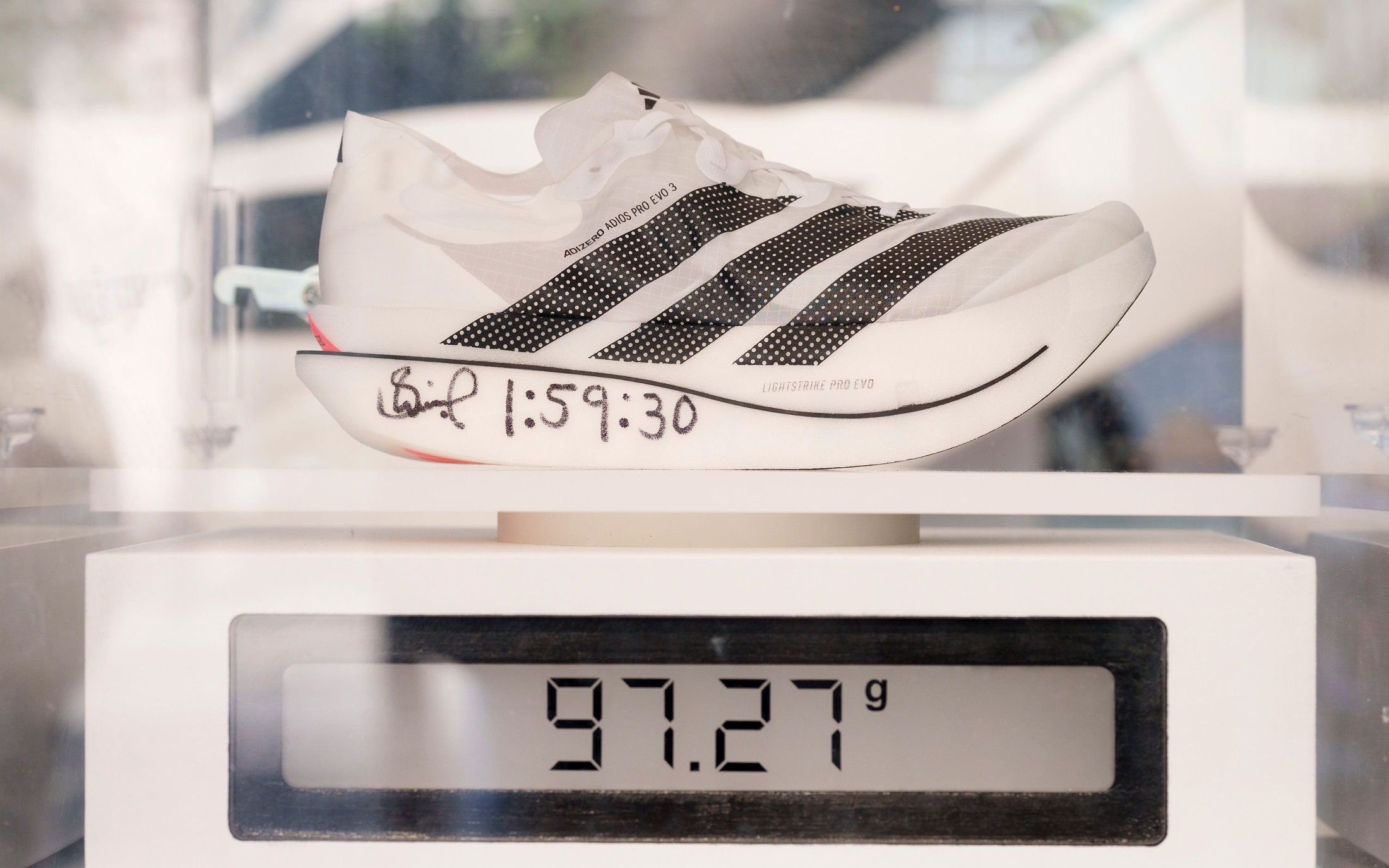
アディダス(ADIDAS) アディゼロ SL 2 /ADIZERO SL 2 速く、遠くまで走りたいランナーのための、軽さを追求したランニングシューズ。LIGHTSTRIKEとLIGHTSTRIKE PRO(ライトストライクプロ)のミッドソールによる反発力を長期間持続。通気性にも優れる。 重量(27.0cm):224g。¥14,300 by ADIDAS(アディダスお客様窓口/Tel:0570-033-033)
ニューバランス(NEW BALANCE) フューエルセル レベル v5(FuelCell Rebel v5) レースにインスパイアされた流線型のメッシュアッパーと大胆なミッドソール形状を採用したデイリーユースのトレーニングシューズ。長距離の安定したランから、よりスピーディで自発的なランをカバーする。 重量(27.5cm):約227g。¥16,940 by NEW BALANCE(ニューバランスジャパンお客様相談室/Tel:0120-85-7120)
オン(ON) クラウドモンスター 3 ハイパー(Cloudmonster 3 Hyper) 長距離トレーニングに最適なトレーニングモデル。On最上位のフォーム素材であるHelion™ HFハイパーフォームを、前作よりさらに増量して搭載。圧倒的な反発力とクッショニングで足持ちの良さが向上した。 重量(26.5cm):約274g。¥27,500 by ON(オン・ジャパン/Tel:050-3196-4189) 文・梅津有希子 インタビューと編集・神谷 晃 AKIRA KAMIYA(GQ)
1970年代にアメリカから派生したジョギングブームをきっかけに、日本でもこれまでに何度かのランニングブームが繰り返されてきた。2010年当時、RunGirl(一般社団法人ランガール)が主催した女性のためのランニング大会「ランガール☆ナイト」は特殊なケースだが、これまでのランニングブームはタイムや距離をストイックに追求する中高年層が楽しむ趣味というイメージが強かったのではないだろうか。 それがコロナ禍を経て、一過性のブームだったランニングはカルチャーへと変化した。Z世代を中心とするウェルネス志向の高まりは、ランニングへの関心を押し上げる大きな要因となったが、近年は若い世代が仲間と走る“グループラン”のトレンドが世界的に急拡大。走るという行為が単なる運動習慣を超え、コミュニケーションや自己表現として共感を呼んでいる。過去のブームとの違いはそこで、「ライフスタイル」へと昇華したのである。 世界のランニング人口に目を向けると、アメリカでは5000万人、韓国では1000万人を突破したと言われている。2020年の1000万人をピークに若干減少傾向と言われてきた日本だが、SNS総フォロワー数100万人超えるランニング系インフルエンサーが登場するなど、再び盛り返している印象もある。 全国に急拡大した市民マラソン人気もあるが、一方で自分に合ったランニングシューズがわからないままフルマラソンに”ノリ”でエントリーしてしまったり、フォームやレベルに合っていないシューズでの無理な走り込みが怪我を引き起こしてしまうケースも少なくない。 そもそも、ランニングシューズはどのように選べば良いのだろうか? ここでは順天堂大学スポーツ健康科学部の柳谷登志雄教授に解説を依頼。ランニング動作の解析を専門とし、ランニングやシューズに関する研究を行っている柳谷教授に、初心者を対象とするランニングシューズの選び方を訊いた。 ──ランニングやシューズについてどのような研究をしているのでしょうか? ランニングのバイオメカニクスが専門です。生物学と力学を合わせた分野なんですけれど、それぞれの分野からランニングを見ています。力や瞬発力を生み出す筋肉、足の筋肉や腱のレベルでランニングのフォームを分析します。シューバイオメカニクスという分野も研究していて、靴とランニングとの組み合わせでチェックしています。 ──シューズブランドに助言することもあるのですか? 助言になっているかわからないですけれど、意見を言わせていただくことはあります。一部のメーカーでは性能評価みたいなこともしています。 ──運動経験がない、あるいはこれから走ってみようというランナーは、どのようにシューズを選ぶと良いのでしょうか? まずはカジュアル系やファッション系のシューズではなくて、ランニングに向いたシューズを選ぶことが重要です。 ──ファッションのトレンドを受けた復刻系の薄底シューズで走っているランナーを見かけることもあります。 最近のリバイバルブームの影響もあって、ファッション感覚で薄底シューズを履いているランナーを見かけることがありますが、あれは足を痛める危険があるので注意が必要です。 ──近年は、厚底シューズが全盛です。 厚底にもいろいろあります。ある程度スピードが出る、距離も走れるシリアスランナーが履く厚底と、初心者がジョギングで使う厚底は当然違いますから。足が痛くならない、ランニング障害にならないようなクッション性を重視したものが初心者向けということになります。とにかくカジュアルではない、ランニングに向いたシューズを選ぶことが重要です。 ──男性は、極端にハイスペックなものをギア感覚で選びがちですね。 たとえば、みんなNIKEのヴェイパーフライに憧れますよね。そういうシリアスランナー向けのシューズは初心者には履きこなせません。ズームフライやペガサスなど、カーボンプレート非搭載のモデルから慣れてもらうのが良いかと思います。レーシングスペックのようなシューズを履いても速く走れるわけではないので、まずは足が痛くならない、運動を継続できるシューズを選ぶのが基本です。 ──クッション性と安定性が高いシューズが基本ですね。 軽さも重要なのですが、チェックのときに気をつけて欲しいのが靴の持ち方です。つま先側を持って、「重いね、軽いね」ってやるんですけれど、かかと側のほうがクッション材が大きくなっているので、当然テコの原理で重く感じるはずです。ですから、かかと側から持つのが正しい持ち方になります。 一方で、基準は重さだけではありません。EVA(エチレンと酢酸ビニルを共重合させた、柔軟性、弾力性、耐衝撃性に優れたゴム状の樹脂)よりポリウレタンは重いのですが、でも反発性が高いのはポリウレタンです。ナイキの新素材PEBA(ポリエーテルブロックアミド)は軽くて反発性も高いというのが、高額でも人気な理由です。 ──シューズ選びでは自分の足の形を知ることも重要です。 足の形や甲の高さはいろいろですから、メーカーによって合う合わないは異なります。履いてみないと本当にわからないものなのです。私の足のサイズは26.5センチなんですけれど、これもメーカーによって違います。レングスの測り方がマージンも含めた26.5センチのメーカーもあれば、ぴったり26.5センチもある。マージンも5ミリがいい、1センチがいい、といった具合にメーカーによってかなり違ってきます。 ──足の型を取って計測した結果、ニューバランスとアシックスでは推奨サイズが違っていました。たかだか0.5センチですけれど、42.195キロを走るとなると、影響は小さくありません。いろいろと履き分けたり、タイムを意識して長い距離を走るようになると、0.5センチであっても感覚が全然違ってきますね。 それからワイズ、幅です。 26.5センチの2Eとか3Eと書いてありますが、意外と知られていません。たとえば、アディダスやプーマの2Eは、幅広タイプが多い日本人にはちょっときつく感じるかもしれません。それが合う日本人もいるんですけれど、最近の若者の足は細くなってきているので、2Eが合う人も結構います。我々の世代ですと、3E、G、Fが合う人も多い。足を入れてみて、できれば歩いたり走ったりできる環境でチェックしたいところです。
──ビギナー向けのランニングシューズを選ぶとして、それが自分に合っているか、どこをチェックすれば良いのでしょうか。 まず痛くならないこと、そして反発が好きか嫌いかの基準も大事です。リズムが合わず、その反発を気持ち悪いと感じる人もいますから。走り方、自分の筋力によってリズムは変わってきます。筋力が付いてくるとストライドが伸びてくるのですが、そうすると一歩あたりの時間であるピッチが変わってくる。そのピッチが変に乱されると気持ち悪く感じるわけです。 ──確かに、反発が気持ち悪く感じるものがありますね。 一時期、アディダスがポリウレタンでブーストを出していました。あれはたしかに弾むんですけれど、気持ち悪い、合わないと感じる人もいるようです。 ──厚底シューズは、カーボンに慣れ過ぎる怖さもあります。 本来走るのに使うべき筋肉が弱ってしまうと思うんです、厚底だけを履いていると。たとえば、無重力の宇宙空間に行ったとして、月でピョンピョン跳ねられるんですけれど、地球に帰ってくると重力がかかって重くなる。それと同じで、カーボンの厚底レーシングシューズを履いて速く走れていても、自分の脚力で走れていると錯覚してしまうんです。すると、ノンカーボンや薄底を履いたときに思ったように走れなくなる。使う筋肉が異なりますし、跳ね方が違ってきますから。 ──タイムが出やすいということで、早稲田大学の駅伝選手たちがカーボン搭載の厚底シューズで追い込み過ぎて、結果的に怪我人が増えてしまったそうですね。痛みを訴えた選手のMRIを撮ってみると、疲労骨折気味の選手もいたとか。 あのとき、監督の花田勝彦さんは厚底禁止の期間を設けていたと聞いています。今では早稲田大学に限らず、「今日はこの練習だからこのシューズ」、「はじめのジョグとダウンのときにはこっちを履く」といった具合に、練習の中で目的に合わせて履き分けたほうが良い、という認識の大学が増えていると聞きます。 ──シューズの履き分けを指導するようになって、ポイント練習のときだけカーボンの厚底を使うようになったら怪我人が劇的に減ったそうです。ランナーのレベルにもよりますが、履き分けはある程度の段階に来たら必要なものと考えて良いのでしょうか。 順天堂大学の駅伝選手たちにテンポアップシューズを試してもらったんですけれど、ポイント練習でナイキのヴェイパーフライを履くと、記録も伸びて、感触も良かったようです。最新の知見では、クッション性に限っては、カーボン入りよりもナイキのPEBAのみのテンポアップシューズのほうが高いという報告があります。薄底ほどではないですが、カーボンが入ることで衝撃が強くなってしまうようです。 ──初心者は、厚底か薄底のどちらを選ぶべきでしょうか? 入門者は筋力が低いので、ある程度はクッション性が欲しい。薄いものは避けて、ある程度厚くしたものが良いでしょう。 ──かつては薄底ブームもありましたね。 薄いと軽い、軽いと速く走れる、というのが理由でした。すると、怪我人が出てくるわけです。足底筋膜炎や半月板損傷といった故障が起こるので、やっぱり厚底のほうが良い。薄いシューズも時々は良いんですけれど、頼り過ぎは良くありません。 ──薄底と厚底で、走り方は変わるのでしょうか? 厚底は前のめりでフォアフットストライクを促します。かかとから着地したとしても、ロッカーボトムなので、ぐるんっと前に入ってくれます。そうすると股関節に力がかかる。それがないと自分で接地衝撃を受けていくことになりますから、脛骨に応力がかかる走り方になってしまいます。市民ランナーの 7割、 8割の人がリアフットストライクなので、ブレーキがかかって、足、膝に負担がかかる走り方になる。厚底は歩幅も長いんですけれど、足が着いた瞬間にグッと前に行くので、そうすると股関節に負荷がかかるわけです。 ──どんなところに注意しながら走るべきなのでしょうか? 薄底のときはふくらはぎを使って走っていましたが、厚底になって、大腿部、股関節まわり、お尻まわりを使うようになってきているので、シューズによって走り方は違うと言って良いでしょう。逆にそこを変えられる人が速く走れることになります。 ヴェイパーフライが流行ってきたときに速く走れない選手もいたんですけれど、あれは走り方の問題なんです。 柳谷登志雄 埼玉大学教育学部卒業、東京大学大学院修士(学術)、早稲田大学大学院博士(人間科学)取得。早稲田大学人間科学部助手、同大学非常勤講師を経て、順天堂大学スポーツ健康科学部講師、准教授、先任准教授を歴任。現在は、順天堂大学大学院スポーツ健康科学研究科教授。専門はスポーツバイオメカニクスで、とくにランニングやシューズに関する研究を行っている。
ランニングが習慣になってきた初心者が2足目に購入すべきシューズとして、カーボンのない厚底系テンポアップシューズを『GQ JAPAN』が厳選。スピードトレーニングに好適な、人気ブランドの最新モデルを紹介する。
アシックス(ASICS) ノヴァブラスト 5(NOVABLAST 5) 反発性と安定性を両立。ランニング時に感じる「跳ねる楽しさ」を追求した、テンポアップにも好適なモデル。ミッドソールのFF BLAST MAXが、ソフトな着地と反発性を提供し、心地良い走りをサポートする。 重量(28.0cm):約265g。¥16,500 by ASICS(アシックスジャパン カスタマーサポート部/asics.com)
ナイキ(NIKE) ナイキ ペガサス プラス(NIKE PEGASUS PLUS) フルレングスの超軽量ZoomXフォームが優れたエネルギーリターンを発揮。伸縮性のあるFlyknitアッパーが足にフィットし、シームレスな履き心地を提供する。長めの距離走や速めのジョギングにおすすめ。 重量(27.0cm):約252g。¥22,000 by NIKE(ナイキ カスタマーサービス/Tel:0120-6453-77)
アディダス(ADIDAS) アディゼロ SL 2 /ADIZERO SL 2 速く、遠くまで走りたいランナーのための、軽さを追求したランニングシューズ。LIGHTSTRIKEとLIGHTSTRIKE PRO(ライトストライクプロ)のミッドソールによる反発力を長期間持続。通気性にも優れる。 重量(27.0cm):224g。¥14,300 by ADIDAS(アディダスお客様窓口/Tel:0570-033-033)
ニューバランス(NEW BALANCE) フューエルセル レベル v5(FuelCell Rebel v5) レースにインスパイアされた流線型のメッシュアッパーと大胆なミッドソール形状を採用したデイリーユースのトレーニングシューズ。長距離の安定したランから、よりスピーディで自発的なランをカバーする。 重量(27.5cm):約227g。¥16,940 by NEW BALANCE(ニューバランスジャパンお客様相談室/Tel:0120-85-7120)
オン(ON) クラウドモンスター 3 ハイパー(Cloudmonster 3 Hyper) 長距離トレーニングに最適なトレーニングモデル。On最上位のフォーム素材であるHelion™ HFハイパーフォームを、前作よりさらに増量して搭載。圧倒的な反発力とクッショニングで足持ちの良さが向上した。 重量(26.5cm):約274g。¥27,500 by ON(オン・ジャパン/Tel:050-3196-4189) 文・梅津有希子 インタビューと編集・神谷 晃 AKIRA KAMIYA(GQ)
Vocabulary
General
Proper noun
JLPT N2
JLPT N1
| # | 言葉 | 意味 |
|---|---|---|
| 17 | 厚底 | あつぞこ (厚底) : thick soles; thick-soled footwear |
| 14 | 履く | はく (履く) : 1. to put on (lower-body clothing, e.g. pants, skirt, footwear); to wear 2. to affix (a sword to one's hip) |
| 11 | 走る | はしる (走る) : 1. to run 2. to run (of a vehicle); to drive; to travel; to move; to sail |
| 8 | 薄 | すすき (薄) : Japanese pampas grass (Miscanthus sinensis); maiden silvergrass; zebra grass |
| 8 | 底 | そこ (底) : bottom; sole |
| 7 | 感じる | かんじる (感じる) : to feel; to sense; to experience |
| 7 | 反発 | はんぱつ (反発) : 1. opposition; rebellion; revolt; resistance; backlash; refusal 2. rebounding; recoiling; repulsion |
| 6 | 初心者 | しょしんしゃ (初心者) : beginner |
| 6 | 違う | ちがう (違う) : 1. to differ (from); to vary 2. to not be in the usual condition |
| 6 | 速く | はやく (早く) : 1. early; soon 2. quickly; swiftly; rapidly; fast |
| 5 | 系 | けい (系) : 1. system; lineage; group 2. corollary |
| 5 | 選手 | せんしゅ (選手) : player (sports); athlete; team member |
| 5 | 重量 | じゅうりょう (重量) : 1. weight 2. heavyweight boxer |
| 4 | 距離 | きょり (距離) : distance; range |
| 4 | 順天堂大学 | じゅんてんどうだいがく (順天堂大学) : Juntendou University (organization) |
| 4 | 筋肉 | きんにく (筋肉) : muscle |
| 4 | 重要 | じゅうよう (重要) : important; momentous; essential; principal; major |
| 4 | 程度 | ていど (程度) : degree; amount; grade; standard; of the order of (following a number); about; approximately |
| 4 | 早稲田大学 | わせだだいがく (早稲田大学) : Waseda University (organization) |
| 3 | 関する | かんする (関する) : to concern; to be related |
| 3 | 追求 | ついきゅう (追求) : pursuit (of a goal, ideal, etc.); search; chase; seeking after |
| 3 | 人気 | にんき (人気) : 1. popularity; public favor 2. condition (e.g. market); tone; character; nature |
| 3 | わかる | わかる (分かる) : 1. to understand; to comprehend; to grasp; to see; to get; to follow 2. to become clear; to be known; to be discovered; to be realized; to be realised; to be found out |
| 3 | 柳谷 | やぎたに (柳谷) : Yagitani (surname) |
| 3 | 教授 | きょうじゅ (教授) : 1. professor 2. teaching; instruction |
| 3 | 専門 | せんもん (専門) : speciality; specialty; subject of study; expert; area of expertise |
| 3 | 分野 | ぶんや (分野) : field; sphere; realm; division; branch |
| 3 | 感覚 | かんかく (感覚) : sense; sensation; feeling; intuition |
| 3 | 向け | むけ (向け) : intended for ...; oriented towards ...; aimed at ... |
| 3 | 搭載 | とうさい (搭載) : 1. loading (on board); equipping 2. equipped (with); built-in |
| 3 | 優れる | すぐれる (優れる) : to surpass; to outstrip; to excel |
| 3 | 筋力 | きんりょく (筋力) : physical strength; muscle strength |
| 3 | 怪我人 | けがにん (けが人) : wounded person; injured person |
| 3 | 股関節 | こかんせつ (股関節) : hip joint; coxa |
| 3 | 大学院 | だいがくいん (大学院) : graduate school |
| 2 | 志向 | しこう (志向) : intention; aim; preference (for); orientation (towards a goal) |
| 2 | 高まり | たかまり (高まり) : rise; swell; elevation; upsurge |
| 2 | 中心 | ちゅうしん (中心) : 1. center; centre; middle; heart; core; focus; pivot; emphasis; balance 2. -centered; -centred; -focused; -oriented; centered on; focused on |
| 2 | 選び方 | えらびかた (選び方) : choice |
| 2 | 解説 | かいせつ (解説) : explanation; commentary; exposition; elucidation |
| 2 | 経る | へる (経る) : 1. to pass; to elapse; to go by 2. to pass through; to go through |
| 2 | 近年 | きんねん (近年) : recent years |
| 2 | 世代 | せだい (世代) : generation; the world; the age |
| 2 | 拡大 | かくだい (拡大) : magnification; enlargement; expansion; amplification |
| 2 | 超える | こえる (越える) : 1. to cross over; to cross; to pass through; to pass over (out of); to go beyond; to go past 2. to exceed; to surpass; to be more (than) |
| 2 | 選ぶ | えらぶ (選ぶ) : to choose; to select |
| 2 | 登志雄 | としお (登志雄) : Toshio (given) |
| 2 | 合わせる | あわせる (合わせる) : 1. to match (rhythm, speed, etc.) 2. to join together; to unite; to combine; to add up |
| 2 | 助言 | じょげん (助言) : advice; counsel; suggestion; tip; hint |
| 2 | 向く | むく (向く) : 1. to turn toward; to look (up, down, etc.) 2. to face (e.g. east); to look out on |
| 2 | 見かける | みかける (見かける) : to (happen to) see; to notice; to catch sight of |
| 2 | 影響 | えいきょう (影響) : 1. influence; effect 2. to influence; to affect; to have an influence on; to impact; to have an effect on |
| 2 | 当然 | とうぜん (当然) : 1. natural; right; proper; just; reasonable; appropriate; deserved 2. naturally; as a matter of course; rightly; deservedly; justly; of course |
| 2 | 基本 | きほん (基本) : basics; fundamentals; basis; foundation |
| 2 | 安定性 | あんていせい (安定性) : stability; security; equilibrium |
| 2 | 軽 | けい (軽) : 1. light (e.g. aircraft, truck) 2. light motor vehicle (up to 660cc and 64bhp); kei car |
| 2 | 持ち方 | もちかた (持ち方) : 1. way of holding (a writing brush, chopsticks, etc.); manner of holding 2. holder; person who holds |
| 2 | 基準 | きじゅん (基準) : standard; basis; criterion; norm; reference; datum |
| 2 | 異なる | ことなる (異なる) : to differ; to vary; to disagree |
| 2 | 分ける | わける (分ける) : 1. to divide (into); to split (into); to part; to separate; to divide up; to classify; to sort out; to divide out 2. to share; to distribute; to deal out; to dish out |
| 2 | 日本人 | にほんじん (日本人) : Japanese person; Japanese people |
| 2 | 変わる | かわる (変わる) : 1. to change; to be transformed; to be altered; to vary 2. to move to |
| 2 | 伸びる | のびる (伸びる) : 1. to stretch; to extend; to lengthen; to grow (of hair, height, grass, etc.) 2. to straighten out; to be flattened; to become smooth |
| 2 | 跳ねる | はねる (跳ねる) : 1. to jump; to leap; to prance; to spring up; to bound; to hop 2. to break up; to close; to come to an end |
| 2 | 駅伝 | えきでん (駅伝) : 1. long-distance relay race 2. stagecoach; post horse |
| 2 | 増える | ふえる (増える) : to increase; to multiply |
| 2 | 聞く | きく (聞く) : 1. to hear 2. to listen (e.g. to music) |
| 2 | 限る | かぎる (限る) : 1. to restrict; to limit; to confine 2. to be restricted to; to be limited to; to be confined to |
| 2 | 分け | わけ (分け) : 1. sharing; division 2. draw; tie |
| 2 | 最新 | さいしん (最新) : latest; newest; late-breaking (news) |
| 2 | 衝撃 | しょうげき (衝撃) : shock; impact; crash |
| 2 | 着地 | ちゃくち (着地) : landing |
| 2 | 割 | わり (割り) : 1. rate; ratio; proportion; percentage 2. profit |
| 2 | 人間科学 | にんげんかがく (人間科学) : human science |
| 2 | 准教授 | じゅんきょうじゅ (准教授) : associate professor |
| 2 | 好適 | こうてき (好適) : ideal; fit; fitted; fitting; suitable |
| 2 | 提供 | ていきょう (提供) : 1. offer; tender; providing; supplying; making available; donating (blood, organs, etc.) 2. sponsoring (a TV program) |
| 2 | 反発力 | はんぱつりょく (反発力) : repellent force; resiliency; elasticity |
| 2 | 長距離 | ちょうきょり (長距離) : long distance; long haul |
| 1 | 再燃 | さいねん (再燃) : recurrence; revival; resuscitation |
| 1 | 専門家 | せんもんか (専門家) : specialist; expert; professional; authority; pundit |
| 1 | 派生 | はせい (派生) : derivation |
| 1 | きっかけ | きっかけ (切っ掛け) : chance; start; cue; excuse; motive; impetus; occasion |
| 1 | 何度 | なんど (何度) : 1. how many times 2. how many degrees (temperature, angle, etc.) |
| 1 | 繰り返す | くりかえす (繰り返す) : to repeat; to do something over again |
| 1 | 当時 | とうじ (当時) : at that time; in those days |
| 1 | 一般社団法人 | いっぱんしゃだんほうじん (一般社団法人) : general incorporated association |
| 1 | 主催 | しゅさい (主催) : sponsorship (i.e. conducting under one's auspices); promotion; organizing; organising; hosting; staging |
| 1 | 大会 | たいかい (大会) : 1. mass meeting; convention; rally; conference; assembly; gathering 2. tournament; competition; contest; meet |
| 1 | 特殊 | とくしゅ (特殊) : special; particular; peculiar; unique |
| 1 | 楽しむ | たのしむ (楽しむ) : to enjoy (oneself) |
| 1 | コロナ禍 | コロナか (コロナ禍) : coronavirus crisis; COVID-19 calamity |
| 1 | 一過性 | いっかせい (一過性) : transient (symptom, phenomenon); temporary; passing; fleeting |
| 1 | 変化 | へんか (変化) : 1. change; variation; alteration; mutation; transition; transformation; transfiguration; metamorphosis 2. variety; diversity |
| 1 | 関心 | かんしん (関心) : concern; interest |
| 1 | 押し上げる | おしあげる (押し上げる) : to boost; to force up; to push up |
| 1 | 要因 | よういん (要因) : main cause; primary factor |
| 1 | 若い | わかい (若い) : 1. young; youthful 2. immature; green |
| 1 | 仲間 | ちゅうげん (中間) : samurai's attendant; footman |
| 1 | 世界的 | せかいてき (世界的) : 1. worldwide; global; international; universal 2. world-famous; world-class |
| 1 | 行為 | こうい (行為) : act; deed; conduct |
| 1 | 単なる | たんなる (単なる) : mere; simple; sheer |
| 1 | 自己 | じこ (自己) : self; oneself |
| 1 | 表現 | ひょうげん (表現) : 1. expression; presentation 2. representation; notation |
| 1 | 共感 | きょうかん (共感) : sympathy; empathy; response |
| 1 | 呼ぶ | よぶ (呼ぶ) : 1. to call out (to); to call; to invoke 2. to summon (a doctor, etc.) |
| 1 | 過去 | かこ (過去) : 1. the past; bygone days 2. one's past (that one would prefer remained secret) |
| 1 | 違い | ちがい (違い) : 1. difference; distinction; discrepancy 2. mistake; error |
| 1 | 昇華 | しょうか (昇華) : 1. sublimation 2. sublimating (an emotion, impulse, etc.); channelling; diverting; converting; elevating |
| 1 | 韓国 | かんこく (韓国) : 1. South Korea; Republic of Korea 2. Korean Empire (1897-1910) |
| 1 | 突破 | とっぱ (突破) : 1. breaking through; breakthrough; penetration 2. surmounting; overcoming |
| 1 | 若干 | じゃっかん (若干) : 1. some; few; a number of; a little (bit) 2. somewhat; to a certain extent |
| 1 | 減少 | げんしょう (減少) : decrease; reduction; decline |
| 1 | 傾向 | けいこう (傾向) : tendency; trend; inclination |
| 1 | 総 | そう (総) : whole; all; general; gross; entire; overall |
| 1 | 登場 | とうじょう (登場) : 1. entry (on stage); appearance (on screen) 2. entrance; introduction (into a market) |
| 1 | 再び | ふたたび (再び) : again; once more; a second time |
| 1 | 盛り返す | もりかえす (盛り返す) : to rally; to make a comeback |
| 1 | 印象 | いんしょう (印象) : impression |
| 1 | 全国 | ぜんこく (全国) : the whole country |
| 1 | まま | うば (乳母) : wet nurse; nursing mother |
| 1 | 走り込み | はしりこみ (走り込み) : doing long training runs |
| 1 | 怪我 | けが (怪我) : injury (to animate object); hurt |
| 1 | 引き起こす | ひきおこす (引き起こす) : 1. to cause; to induce; to bring about; to provoke 2. to pull upright; to help up (e.g. a fallen person) |
| 1 | そもそも | そもそも (抑) : 1. in the first place; to begin with; from the start; originally; ab initio 2. after all; anyway; actually; well, ...; ... on earth (e.g. "what on earth?"); ... in the world (e.g. "why in the world?") |
| 1 | 依頼 | いらい (依頼) : 1. request; commission; entrusting (with a matter) 2. dependence; reliance |
| 1 | 動作 | どうさ (動作) : action; movements; motions; bearing; behaviour; behavior; execution; actuation; operation; manners |
| 1 | 解析 | かいせき (解析) : 1. analysis; analytical study 2. parsing; parse |
| 1 | 対象 | たいしょう (対象) : target; object (of worship, study, etc.); subject (of taxation, etc.) |
| 1 | 訊く | きく (訊く) : to ask; to enquire; to query |
| 1 | 生物学 | せいぶつがく (生物学) : biology |
| 1 | 力学 | りきがく (力学) : mechanics; dynamics |
| 1 | 瞬発力 | しゅんぱつりょく (瞬発力) : high power; high power output; explosiveness; explosive power; instantaneous force |
| 1 | 生み出す | うみだす (生み出す) : 1. to create; to bring forth; to produce 2. to invent; to think up and bring into being |
| 1 | 腱 | けん (腱) : tendon |
| 1 | 分析 | ぶんせき (分析) : analysis |
| 1 | 組み合わせ | くみあわせ (組み合わせ) : 1. combination; assortment; set 2. matching (in a contest); pairing |
| 1 | 一部 | いちぶ (一部) : 1. one part; one portion; one section; some 2. one copy (e.g. of a document) |
| 1 | 性能 | せいのう (性能) : ability; performance; efficiency |
| 1 | 評価 | ひょうか (評価) : 1. valuation; appraisal; evaluation; assessment; estimation; rating; judging 2. appreciation; recognition; acknowledgement; rating highly; praising |
| 1 | みたい | みたい : -like; sort of; similar to; resembling |
| 1 | あるいは | あるいは (或いは) : 1. or; either ... or 2. maybe; perhaps; possibly |
| 1 | 復刻 | ふっこく (復刻) : republication; reissue; reprinting; reproduction |
| 1 | 痛める | いためる (痛める) : 1. to hurt; to injure; to cause pain 2. to harm; to damage; to spoil |
| 1 | 全盛 | ぜんせい (全盛) : height of prosperity |
| 1 | 障害 | しょうがい (障害) : 1. obstacle; impediment; hindrance; difficulty; barrier 2. handicap; impairment; disability; disorder; malfunction |
| 1 | 重視 | じゅうし (重視) : regarding as important; attaching importance to; taking a serious view of; putting emphasis on |
| 1 | とにかく | とにかく (兎に角) : anyhow; at any rate; anyway; somehow or other; generally speaking; in any case; at least |
| 1 | 極端 | きょくたん (極端) : extreme; extremity |
| 1 | がち | がち (雅致) : artistry; good taste; elegance; grace |
| 1 | 憧れる | あこがれる (憧れる) : to long for; to yearn after; to admire; to be attracted by |
| 1 | 非 | ひ (非) : 1. fault; error; mistake 2. going poorly; being disadvantageous; being unfavorable |
| 1 | 継続 | けいぞく (継続) : continuation |
| 1 | つま先 | つまさき (つま先) : toes; tips of the toes; toe of a shoe, sock, etc. |
| 1 | 持つ | もつ (持つ) : 1. to hold (in one's hand); to take; to carry 2. to possess; to have; to own |
| 1 | って | って : 1. you said; he said; she said; they said 2. if ... then |
| 1 | 材 | ざい (材) : 1. wood; lumber; timber 2. (raw) material; stuff; ingredients |
| 1 | 大きく | おおきく (大きく) : in a big way; on a grand scale |
| 1 | 原理 | げんり (原理) : principle; theory; fundamental truth |
| 1 | 重さ | おもさ (重さ) : weight |
| 1 | 酢酸 | さくさん (酢酸) : acetic acid |
| 1 | 共重合 | きょうじゅうごう (共重合) : copolymerization; interpolymerization |
| 1 | 柔軟性 | じゅうなんせい (柔軟性) : flexibility; pliability; softness; elasticity |
| 1 | 弾力性 | だんりょくせい (弾力性) : elasticity; resilience; flexibility; adaptability |
| 1 | 状 | じょう (状) : 1. form; shape; appearance 2. state; condition; circumstances |
| 1 | 樹脂 | じゅし (樹脂) : resin; rosin |
| 1 | 新素材 | しんそざい (新素材) : advanced materials; new high-tech materials |
| 1 | 高額 | こうがく (高額) : large sum (money) |
| 1 | 選び | えらび (選び) : choosing; selecting; deciding (on) |
| 1 | 甲 | よろい (鎧) : armor; armour |
| 1 | 高さ | たかさ (高さ) : 1. height; altitude; elevation; level 2. altitude; height |
| 1 | 本当 | ほんとう (本当) : 1. truth; reality; actuality; fact 2. proper; right; correct; official |
| 1 | 測る | はかる (計る) : 1. to measure; to weigh; to survey; to time (sound, gauge, estimate) 2. to conjecture; to infer; to surmise |
| 1 | 含める | ふくめる (含める) : 1. to include (in a group or scope) 2. to instruct; to make one understand |
| 1 | ぴったり | ぴったり : 1. tightly; closely 2. exactly; precisely |
| 1 | かなり | かなり (可也) : considerably; fairly; quite |
| 1 | 取る | とる (取る) : 1. to take; to pick up; to grab; to catch 2. to pass; to hand; to give |
| 1 | 計測 | けいそく (計測) : measuring; measurement |
| 1 | 結果 | けっか (結果) : 1. result; consequence; outcome; effect 2. coming to fruition; bearing fruit |
| 1 | 推奨 | すいしょう (推奨) : recommendation; endorsement |
| 1 | たかだか | たかだか (高々) : 1. very high; high up; aloft 2. only; merely; just; at most; at best; no more than |
| 1 | 意識 | いしき (意識) : 1. consciousness 2. becoming aware (of); awareness; sense |
| 1 | 全然 | ぜんぜん (全然) : 1. (not) at all; (not) in the slightest 2. wholly; entirely; completely; totally |
| 1 | 幅 | はば (幅) : 1. width; breadth 2. freedom (e.g. of thought); latitude |
| 1 | 書く | かく (書く) : 1. to write; to compose; to pen 2. to draw; to paint |
| 1 | 意外 | いがい (意外) : unexpected; surprising |
| 1 | 知る | しる (知る) : 1. to be aware of; to know; to be conscious of; to cognize; to cognise 2. to notice; to feel |
| 1 | 幅広 | はばびろ (幅広) : wide-width (e.g. cloth); broad |
| 1 | しれる | しれる (知れる) : 1. to become known; to come to light; to be discovered 2. to be known; to be understood |
| 1 | 最近 | さいきん (最近) : 1. recently; lately; these days; nowadays; right now 2. nearest; closest |
| 1 | 我々 | われわれ (我々) : we |
| 1 | 入れる | いれる (入れる) : 1. to put in; to let in; to take in; to bring in; to insert; to install (e.g. software); to set (a jewel, etc.); to ink in (e.g. tattoo) 2. to admit; to accept; to employ; to hire |
| 1 | 歩く | あるく (歩く) : to walk |
| 1 | 環境 | かんきょう (環境) : environment; circumstance |
| 1 | あたり | あたり (当たり) : 1. hit 2. success |
| 1 | 乱す | みだす (乱す) : to throw into disorder; to disarrange; to disturb (order, peace, etc.); to corrupt (public morals); to dishevel (hair) |
| 1 | 時期 | じき (時期) : time; season; period; phase; stage |
| 1 | 弾む | はずむ (弾む) : 1. to spring; to bound; to bounce 2. to be stimulated; to be encouraged; to get lively |
| 1 | 怖 | こわ (怖) : frightening; terrifying |
| 1 | 本来 | ほんらい (本来) : 1. originally; primarily 2. essentially; intrinsically; naturally; by nature; in (and of) itself |
| 1 | 弱る | よわる (弱る) : 1. to weaken; to grow weak; to wane; to decline (of one's health) 2. to be downcast; to be dejected; to be dispirited |
| 1 | 無重力 | むじゅうりょく (無重力) : weightlessness; zero gravity |
| 1 | 宇宙空間 | うちゅうくうかん (宇宙空間) : outer space; void of space |
| 1 | 地球 | ちきゅう (地球) : Earth; the globe |
| 1 | 帰る | かえる (帰る) : 1. to return; to come home; to go home; to go back 2. to leave |
| 1 | 重力 | じゅうりょく (重力) : gravity; gravitation; gravitational pull |
| 1 | 脚力 | きゃくりょく (脚力) : leg strength; walking ability; running ability |
| 1 | 錯覚 | さっかく (錯覚) : 1. optical illusion; hallucination 2. misapprehension; delusion |
| 1 | 跳ね | はね (跳ね) : 1. (a) jump 2. splashes (usu. of mud) |
| 1 | 追い込む | おいこむ (追い込む) : 1. to herd; to drive; to chase; to corral 2. to corner; to force someone into doing |
| 1 | 結果的 | けっかてき (結果的) : concerning the result (as opposed to the means used to achieve this result or the original goal) |
| 1 | 痛み | いたみ (痛み) : 1. pain; ache; soreness; grief; distress 2. damage; injury; wear; bruise; break |
| 1 | 訴える | うったえる (訴える) : 1. to raise; to bring to (someone's attention) 2. to appeal to (reason, emotions, etc.); to work on (one's emotions); to play on (one's sympathies) |
| 1 | 撮る | とる (撮る) : 1. to take (a photo) 2. to record (video, audio, etc.); to make (a film) |
| 1 | 疲労骨折 | ひろうこっせつ (疲労骨折) : stress fracture |
| 1 | 気味 | きみ (気味) : 1. sensation; feeling 2. tendency; propensity |
| 1 | 監督 | かんとく (監督) : 1. supervision; control; superintendence; direction 2. director; superintendent; supervisor; coach; foreman; manager; overseer; controller; boss |
| 1 | 花田勝彦 | はなだかつひこ (花田勝彦) : Hanada Katsuhiko (person) |
| 1 | 禁止 | きんし (禁止) : prohibition; inhibition; ban |
| 1 | 期間 | きかん (期間) : period; term; interval |
| 1 | 設ける | もうける (設ける) : 1. to prepare; to provide 2. to set up; to establish; to organize; to lay down (rules); to make (an excuse) |
| 1 | 目的 | もくてき (目的) : purpose; goal; aim; objective; intention |
| 1 | 認識 | にんしき (認識) : recognition; awareness; perception; understanding; knowledge; cognition; cognizance; cognisance |
| 1 | 指導 | しどう (指導) : 1. guidance; leadership; instruction; direction; coaching 2. shido (disciplinary action for a minor infringement of the rules of judo) |
| 1 | 劇的 | げきてき (劇的) : 1. dramatic; exciting; touching 2. extreme |
| 1 | 減る | へる (減る) : to decrease (in size or number); to diminish; to abate |
| 1 | 段階 | だんかい (段階) : grade; level; stage; class; phase; steps; order; gradation |
| 1 | 考える | かんがえる (考える) : 1. to think (about, of); to think over; to ponder; to contemplate; to reflect (on); to meditate (on) 2. to consider; to bear in mind; to allow for; to take into consideration |
| 1 | 試す | ためす (試す) : to attempt; to test; to try out |
| 1 | 記録 | きろく (記録) : 1. record; minutes; document 2. record (e.g. in sports); results; score |
| 1 | 感触 | かんしょく (感触) : feel (i.e. tactile sensation); touch; feeling; sensation; texture (e.g. food, cloth) |
| 1 | 知見 | ちけん (知見) : expertise; experience; knowledge |
| 1 | 入り | いり (入り) : 1. entering 2. setting (of the Sun) |
| 1 | のみ | のみ : only; nothing but |
| 1 | 報告 | ほうこく (報告) : report; information |
| 1 | 入門 | にゅうもん (入門) : 1. entering an institution; beginning training 2. primer; manual; introduction (to) |
| 1 | 避ける | さける (避ける) : 1. to avoid (physical contact with) 2. to avoid (situation) |
| 1 | かつて | かつて (嘗て) : 1. once; before; formerly; ever; former; ex- 2. never yet; never before; first time; still not happened |
| 1 | 足底筋膜炎 | そくていきんまくえん (足底筋膜炎) : plantar fasciitis |
| 1 | 半月板 | はんげつばん (半月板) : meniscus |
| 1 | 損傷 | そんしょう (損傷) : damage; injury |
| 1 | 起こる | おこる (起こる) : to occur; to happen |
| 1 | 頼り | たより (頼り) : reliance; dependence |
| 1 | 過ぎ | すぎ (過ぎ) : 1. past; after 2. too (much); over- (e.g. eating) |
| 1 | 前のめり | まえのめり (前のめり) : 1. pitching forward (as if to fall) 2. proactive; forward-looking; positive |
| 1 | 促す | うながす (促す) : 1. to urge; to encourage; to press; to prompt; to draw (attention to) 2. to stimulate (e.g. growth); to hasten (e.g. development); to quicken; to accelerate; to promote |
| 1 | かかと | かかと (踵) : heel (of foot, shoe, stocking, etc.) |
| 1 | ぐる | ぐる : accomplice; cohort |
| 1 | 接地 | せっち (接地) : 1. (electrical) ground; earth; grounding; earthing 2. touching the ground; landing (an airplane) |
| 1 | 脛骨 | けいこつ (脛骨) : tibia; shinbone |
| 1 | 応力 | おうりょく (応力) : stress (e.g. on a mechanical part); tension |
| 1 | 膝 | ひざ (膝) : 1. knee 2. lap; knee and thigh (while sitting) |
| 1 | 負担 | ふたん (負担) : 1. burden; load; responsibility 2. bearing (a cost, responsibility, etc.); shouldering |
| 1 | 歩幅 | ほはば (歩幅) : step; pace; stride |
| 1 | 着く | つく (着く) : 1. to arrive at; to reach 2. to sit on; to sit at (e.g. the table) |
| 1 | 瞬間 | しゅんかん (瞬間) : moment; second; instant |
| 1 | 負荷 | ふか (負荷) : burden; load (e.g. CPU time, electricity, etc.) |
| 1 | ふくらはぎ | ふくらはぎ (脹脛) : calf (of leg) |
| 1 | 大腿 | だいたい (大腿) : thigh |
| 1 | お尻 | おしり (お尻) : bottom; buttocks |
| 1 | 逆 | ぎゃく (逆) : 1. reverse; opposite 2. converse (of a hypothesis, etc.) |
| 1 | 変える | かえる (変える) : 1. to change; to alter; to transform; to convert; to turn; to vary 2. to reform; to revise; to amend |
| 1 | 流行る | はやる (流行る) : 1. to be popular; to come into fashion 2. to be prevalent; to spread widely (e.g. disease); to be endemic |
| 1 | 埼玉大学 | さいたまだいがく (埼玉大学) : Saitama University (organization) |
| 1 | 教育学部 | きょういくがくぶ (教育学部) : faculty of education |
| 1 | 東京大学 | とうきょうだいがく (東京大学) : Tokyo University (organization) |
| 1 | 修士 | しゅうし (修士) : master's (academic degree) |
| 1 | 学術 | がくじゅつ (学術) : science; learning; scholarship; arts and sciences; academic pursuits |
| 1 | 博士 | はかせ (博士) : 1. expert; learned person 2. doctor; PhD; Dr. |
| 1 | 取得 | とりえ (取り柄) : worth; merit; value; good point; redeeming feature; saving grace |
| 1 | 助手 | じょしゅ (助手) : 1. assistant; helper 2. assistant (to a professor) |
| 1 | 非常勤講師 | ひじょうきんこうし (非常勤講師) : part-time lecturer; contract teacher |
| 1 | 講師 | こうし (講師) : lecturer |
| 1 | 先任 | せんにん (先任) : seniority; predecessor |
| 1 | 歴任 | れきにん (歴任) : successive jobs; consecutive jobs |
| 1 | 現在 | げんざい (現在) : now; current; present; present time; as of |
| 1 | 購入 | こうにゅう (購入) : purchase; buy |
| 1 | 厳選 | げんせん (厳選) : careful selection; careful screening; hand-picking |
| 1 | 両立 | りょうりつ (両立) : compatibility; coexistence; standing together |
| 1 | 心地良い | ここちよい (心地よい) : comfortable; pleasant |
| 1 | 走り | はしり (走り) : 1. running 2. gliding |
| 1 | 超軽量 | ちょうけいりょう (超軽量) : ultralight; ultralightweight |
| 1 | 発揮 | はっき (発揮) : show (of power, ability, etc.); exhibition; demonstration; display; manifestation |
| 1 | 伸縮性 | しんしゅくせい (伸縮性) : elasticity |
| 1 | 長め | ながめ (長め) : longish; moderately long; somewhat long; fairly long |
| 1 | 速め | はやめ (早め) : 1. early; a little earlier than usual 2. a little faster than usual; slightly quicker |
| 1 | おすすめ | おすすめ (お勧め) : recommendation; advice; suggestion; encouragement |
| 1 | 遠く | とおく (遠く) : far away; distant; at a distance; distant place; by far |
| 1 | まで | まで (迄) : 1. until (a time); till; to; up to 2. to (a place); as far as |
| 1 | 長期間 | ちょうきかん (長期間) : long period (of time) |
| 1 | 持続 | じぞく (持続) : continuation; persisting; lasting; sustaining; enduring |
| 1 | 通気性 | つうきせい (通気性) : air-permeability; breathability |
| 1 | お客様 | おきゃくさま (お客様) : 1. guest; visitor 2. customer; client; shopper; spectator; audience; tourist; sightseer; passenger |
| 1 | 窓口 | まどぐち (窓口) : 1. counter; window; teller window; ticket window 2. contact person; point of contact |
| 1 | 流線型 | りゅうせんけい (流線形) : streamline shape; aerodynamic shape |
| 1 | 大胆 | だいたん (大胆) : bold; daring; audacious |
| 1 | 形状 | けいじょう (形状) : shape; form |
| 1 | 採用 | さいよう (採用) : 1. use; adoption; acceptance 2. appointment; employment; engagement; recruitment |
| 1 | 安定 | あんてい (安定) : stability; steadiness; equilibrium |
| 1 | 自発的 | じはつてき (自発的) : spontaneous; voluntary |
| 1 | 最適 | さいてき (最適) : most suitable; optimum; optimal; best |
| 1 | 最上位 | さいじょうい (最上位) : 1. highest rank; highest position 2. high-end; highest-order; most-significant (e.g. bit) |
| 1 | 素材 | そざい (素材) : 1. ingredient; (raw) material; resource 2. unprocessed timber; raw timber |
| 1 | Helion | エリオン : Elion; Helion (unclass) |
| 1 | 前作 | ぜんさく (前作) : 1. previous work; preceding work 2. first crop grown in a double-cropped field; preceding crop |
| 1 | 増量 | ぞうりょう (増量) : increased volume or quantity |
| 1 | 圧倒的 | あっとうてき (圧倒的) : overwhelming |
| 1 | 持ち | もち (持ち) : 1. having; holding; possessing; owning; using; holder; owner; user 2. wear; durability; life |
| 1 | 向上 | こうじょう (向上) : elevation; rise; improvement; advancement; progress |
| 1 | 梅津 | うのづ (梅津) : Unozu (surname) |
| 1 | 有希子 | あきこ (有希子) : Akiko (fem) |
| 1 | 編集 | へんしゅう (編集) : editing; compilation |
| 1 | 神谷 | かしや (神谷) : Kashiya (surname) |