イ・ビョンホンが語るパク・チャヌク監督の魅力「監督の作品は、観るたびに新しい発見がある」──映画『しあわせな選択』インタビュー
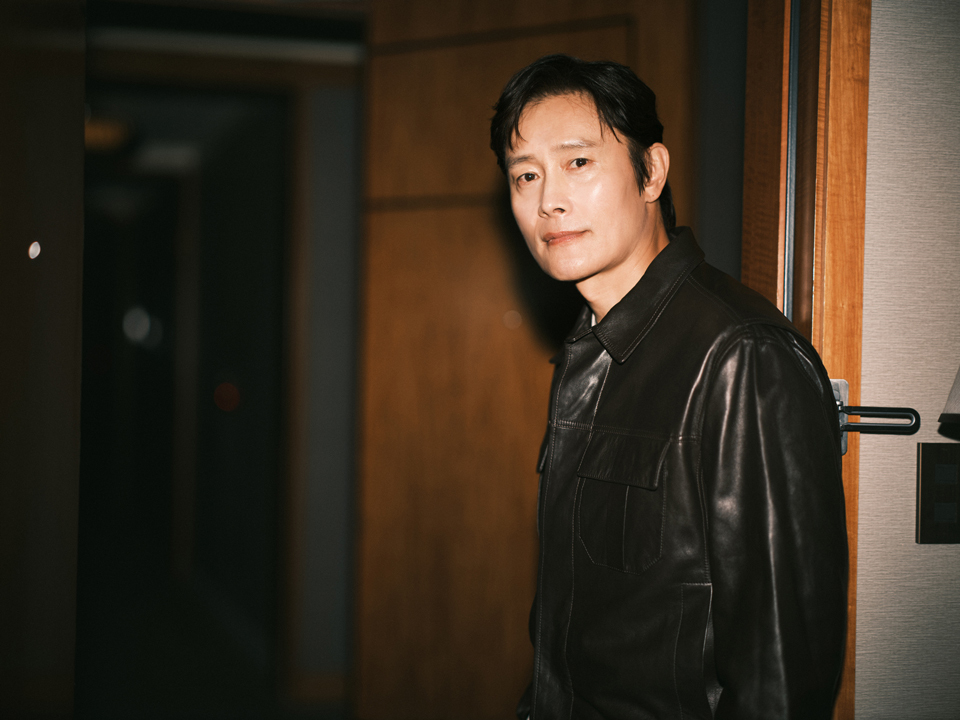
監督をパク・チャヌク、主演をイ・ビョンホンが務めた映画『しあわせな選択』が3月6日から公開される。リストラを機に運命が狂っていく主人公をイ・ビョンホン、その妻をソン・イェジンが演じ、パク・ヒスン、イ・ソンミン 、ヨム・ヘランといった韓国を代表する名俳優たちが集結した。「俳優としてまだ知らない感情を表現したい」と語るイ・ビョンホンに、本作の見どころやパク監督への思いを尋ねた。
『オールド・ボーイ』(2003)、『お嬢さん』(2016)、『別れる決心』(2022)など、多彩なジャンルで物語を紡ぎながら、挑戦的な演出技法で映画の可能性を広げ続ける、現代韓国を代表する世界的監督のひとり、パク・チャヌク。彼の最新作『しあわせな選択』は、ドナルド・E・ウェストレイクの小説『斧』を原作とするブラック・コメディだ。 製紙会社に勤めるマンスは、妻(ソン・イェジン)と子どもふたり、愛犬2匹とともに、一軒家で満ち足りた生活を送っていた。そんな幸せの絶頂で、マンスは突然解雇されてしまう。製紙業界一筋だったマンスは同業他社への再就職を試みるが、なかなか上手く行かず……。 主人公・マンスを演じるのは、ハリウッドでも活躍する韓国のトップ俳優、イ・ビョンホン。この作品でゴールデン・グローブ賞主演男優賞にもノミネートされた。映画のプロモーションでは『MASTER/ マスター』(2016)以来9年ぶりの来日となる彼に話を訊いた。 ──マンスはどのような人物だととらえましたか。彼が守ろうとしていたものは何でしょうか。 ぱっと見たところ、彼はどこにでもいる平凡な人物です。しかし、彼が直面する状況と、その結果彼が下す決断は非常に極端で、非日常的なものです。彼が守ろうとしたのは第一に家族ですが、ある意味マンスは、職業人としての自分をも守ろうとしていたのかもしれません。仕事を失えば自分自身をも失ってしまう。そんな錯覚が、このすべての出来事を生み出したのだと思います。 ──結婚したとき、妻のほうが彼より学歴も収入も上だったという設定も気になりました。 そうですね、映画のなかでは、そんなことは大したことではないというように、冗談めかして笑い飛ばしていますが、そうした小さな部分も、マンスの人物像を作り上げているのだろうと思います。 ■3人のターゲット 家族を、そして自分自身を守ろうとするマンスは、「ライバルがいなくなれば、仕事が手に入る」という極端な結論に行き着く。この映画の原題『어쩔수가없다』を日本語訳すると「仕方ない」。こうするほかないんだとばかりに、排除すべき存在として彼がピックアップするターゲットは3人。求職中のボムモ(イ・ソンミン)とシジョ(チャ・スンウォン)、大手製紙会社の班長であるソンチュル(パク・ヒスン)だ。 ──物語のなかで、マンスは3人のターゲットと向き合っていきます。そのたびに、マンスと相手との共通点や違いが浮かび上がってくるようで、それぞれがマンスの鏡のように機能していると感じました。(※この質問への回答にはネタバレが含まれます) 映画をとても深くご覧になってくださったようですね。そのように解釈されるかたはあまり多くないのですが、とても正しい解釈だとわたしは思います。 イ・ソンミンさんが演じる人物は、マンスの情けない部分、消極的で無能な部分を共有しています。チャ・スンウォンさん演じる人物は、マンスのように極端な選択はせず、できるかぎりのことをやってみようとする、ある意味、本来の健全なマンスの姿です。パク・ヒスンさんが演じる人物は、成功してある程度豊かになったマンスの姿ですね。お酒が好きで、郊外に別荘を建てて自分を誇示している。マッチョな部分も持っています。 だからこの3人を排除するのは、マンス自身の魂を排除するのと同じことです。決断を行動に移すとき、初めのころのマンスにはまだ道徳的な部分が残っていた。でも次第にそうした良心は消え去っていき、計画的に着々と行動するようになっていく。その結果、マンス自身の魂も消え去ってしまうのです。 ──チョー・ヨンピルの「赤とんぼ」が大音量で流れるなか、マンスとボムモが怒鳴り合うように会話し、そこにボムモの妻のアラ(ヨム・ヘラン)も加わる重要なシーンでは、深刻なことが起こっているのに声を出して笑ってしまいました。そこから仮装パーティへの流れもとても滑稽です。観客を笑わせる演技は実は難しいのではないかと思いますが、これらのシーンを演じるときに心掛けたことは何ですか。 ブラック・コメディ的なユーモアはシナリオ上にすべて出ていますから、わたしが笑わせようと意図すると、観客のみなさんに逆に拒絶感を与えてしまったり、意図とは違う方向へ流れてしまうかもしれません。笑わせなければという考えはむしろ警戒し、主人公が感じている切実な心理状態だけを追って行こうと考えました。 ■パク・チャヌク監督のこと、俳優としての今後 ──パク・チャヌク監督との顔合わせは、『JSA』(2000)と『美しい夜、残酷な朝』(2004)以来ですね。 みなさんそうおっしゃいますが、実はこの25年間、監督とは頻繁に会っていました。食事をしたり、お酒を飲んだり、家にも遊びに来てくださったり、とても親しく過ごしていたんです。だから久しぶりという感じはありませんでした。会う場所が仕事の現場に変わっただけで、とても自然な感じでしたよ。 ──パク・チャヌク監督の演出の特色は何でしょうか。 監督はすべてにおいて正確で、スタッフに対しても俳優に対しても、望んでいるものが明確です。粘り強く最後までやり遂げて、求めているものを必ず引き出してくる。出来上がった作品を観ると、長いあいだ撮影をともにしていたにもかかわらず、わたしが気づいていなかったことが必ず見つかります。その作品を初めて観る観客と同じように、新しい気持ちや考えが浮かびます。そして、観るたびに新しい発見がある。そのぐらい監督は作品について、非常に深く、あらゆることを計算しているのだと感じます。 ──今回の作品もそうですが、イ・ビョンホンさんのフィルモグラフィーを振り返って驚かされるのは、観客が身近に感じるような、ごく平凡な一市民を演じて強い印象を残していることです。たとえば『私たちのブルース』(2022、TVドラマ)がそうです。悪役も含め、幅広い役柄を演じるよう意識して活動されてきたように見えますが、出演作品を選択するときに心掛けていることは何ですか。 選択の基準はいろいろあります。たとえば、映画は監督の芸術であり、ドラマシリーズは作家(脚本家)の芸術だと言われますよね。でも、わたしにとって監督や作家以上に重要だと思えるのは、その作品の面白さです。どんな種類の面白さであれ、脚本を自分が面白く読めたかどうか、それが選択の最大の基準になっています。 ──以前からハリウッド映画でも活躍されていましたが、今回の作品と『イカゲーム』(2021-25)で、世界的な注目度がますます上がったのではないかと思います。今後の目標は何ですか。どのような俳優になっていきたいと思っていらっしゃいますか。 俳優というのは、新しい感情を表現したいという渇望に突き動かされている存在ではないかと思います。わたしもそうです。人間の感情とその表現には多様な側面があります。まだ知らない側面があるのではないかという好奇心、その側面を表現したいという思いが、わたしを動かしつづけているのだと思います。 ■イ・ビョンホン 1970年生まれ、韓国、ソウル出身。Netflixシリーズ『イカゲーム』(21・24・25)をはじめ、『インサイダーズ/ 内部者たち』(15)『MASTER/マスター』(16)『白頭山大噴火』 (19)『KCIA 南山の部長たち』(20)などで評論家と観客を魅了し、名実共に韓国を代表する俳優となる。『スンブ:二人の棋士』(25)で天才棋士チョ・フンヒョンを演じ、『KPOPガールズ! デーモン・ハンターズ』(25)では声の演技を完璧にこなすなど、挑戦を重ね続けている。 ■『しあわせな選択』 3月6日(金) TOHO シネマズ 日比谷ほか全国公開 配給:キノフィルムズ ©2025 CJ ENM Co., Ltd., MOHO FILM ALL RIGHTS RESERVED 著者プロフィール:篠儀直子(しのぎ なおこ) 翻訳者。映画批評も手がける。翻訳書は『フレッド・アステア自伝』『エドワード・ヤン』(以上青土社)『ウェス・アンダーソンの世界 グランド・ブダペスト・ホテル』(DU BOOKS)『SF映画のタイポグラフィとデザイン』(フィルムアート社)『切り裂きジャックに殺されたのは誰か』(青土社)など。 編集・遠藤加奈(GQ)
『オールド・ボーイ』(2003)、『お嬢さん』(2016)、『別れる決心』(2022)など、多彩なジャンルで物語を紡ぎながら、挑戦的な演出技法で映画の可能性を広げ続ける、現代韓国を代表する世界的監督のひとり、パク・チャヌク。彼の最新作『しあわせな選択』は、ドナルド・E・ウェストレイクの小説『斧』を原作とするブラック・コメディだ。 製紙会社に勤めるマンスは、妻(ソン・イェジン)と子どもふたり、愛犬2匹とともに、一軒家で満ち足りた生活を送っていた。そんな幸せの絶頂で、マンスは突然解雇されてしまう。製紙業界一筋だったマンスは同業他社への再就職を試みるが、なかなか上手く行かず……。 主人公・マンスを演じるのは、ハリウッドでも活躍する韓国のトップ俳優、イ・ビョンホン。この作品でゴールデン・グローブ賞主演男優賞にもノミネートされた。映画のプロモーションでは『MASTER/ マスター』(2016)以来9年ぶりの来日となる彼に話を訊いた。 ──マンスはどのような人物だととらえましたか。彼が守ろうとしていたものは何でしょうか。 ぱっと見たところ、彼はどこにでもいる平凡な人物です。しかし、彼が直面する状況と、その結果彼が下す決断は非常に極端で、非日常的なものです。彼が守ろうとしたのは第一に家族ですが、ある意味マンスは、職業人としての自分をも守ろうとしていたのかもしれません。仕事を失えば自分自身をも失ってしまう。そんな錯覚が、このすべての出来事を生み出したのだと思います。 ──結婚したとき、妻のほうが彼より学歴も収入も上だったという設定も気になりました。 そうですね、映画のなかでは、そんなことは大したことではないというように、冗談めかして笑い飛ばしていますが、そうした小さな部分も、マンスの人物像を作り上げているのだろうと思います。 ■3人のターゲット 家族を、そして自分自身を守ろうとするマンスは、「ライバルがいなくなれば、仕事が手に入る」という極端な結論に行き着く。この映画の原題『어쩔수가없다』を日本語訳すると「仕方ない」。こうするほかないんだとばかりに、排除すべき存在として彼がピックアップするターゲットは3人。求職中のボムモ(イ・ソンミン)とシジョ(チャ・スンウォン)、大手製紙会社の班長であるソンチュル(パク・ヒスン)だ。 ──物語のなかで、マンスは3人のターゲットと向き合っていきます。そのたびに、マンスと相手との共通点や違いが浮かび上がってくるようで、それぞれがマンスの鏡のように機能していると感じました。(※この質問への回答にはネタバレが含まれます) 映画をとても深くご覧になってくださったようですね。そのように解釈されるかたはあまり多くないのですが、とても正しい解釈だとわたしは思います。 イ・ソンミンさんが演じる人物は、マンスの情けない部分、消極的で無能な部分を共有しています。チャ・スンウォンさん演じる人物は、マンスのように極端な選択はせず、できるかぎりのことをやってみようとする、ある意味、本来の健全なマンスの姿です。パク・ヒスンさんが演じる人物は、成功してある程度豊かになったマンスの姿ですね。お酒が好きで、郊外に別荘を建てて自分を誇示している。マッチョな部分も持っています。 だからこの3人を排除するのは、マンス自身の魂を排除するのと同じことです。決断を行動に移すとき、初めのころのマンスにはまだ道徳的な部分が残っていた。でも次第にそうした良心は消え去っていき、計画的に着々と行動するようになっていく。その結果、マンス自身の魂も消え去ってしまうのです。 ──チョー・ヨンピルの「赤とんぼ」が大音量で流れるなか、マンスとボムモが怒鳴り合うように会話し、そこにボムモの妻のアラ(ヨム・ヘラン)も加わる重要なシーンでは、深刻なことが起こっているのに声を出して笑ってしまいました。そこから仮装パーティへの流れもとても滑稽です。観客を笑わせる演技は実は難しいのではないかと思いますが、これらのシーンを演じるときに心掛けたことは何ですか。 ブラック・コメディ的なユーモアはシナリオ上にすべて出ていますから、わたしが笑わせようと意図すると、観客のみなさんに逆に拒絶感を与えてしまったり、意図とは違う方向へ流れてしまうかもしれません。笑わせなければという考えはむしろ警戒し、主人公が感じている切実な心理状態だけを追って行こうと考えました。 ■パク・チャヌク監督のこと、俳優としての今後 ──パク・チャヌク監督との顔合わせは、『JSA』(2000)と『美しい夜、残酷な朝』(2004)以来ですね。 みなさんそうおっしゃいますが、実はこの25年間、監督とは頻繁に会っていました。食事をしたり、お酒を飲んだり、家にも遊びに来てくださったり、とても親しく過ごしていたんです。だから久しぶりという感じはありませんでした。会う場所が仕事の現場に変わっただけで、とても自然な感じでしたよ。 ──パク・チャヌク監督の演出の特色は何でしょうか。 監督はすべてにおいて正確で、スタッフに対しても俳優に対しても、望んでいるものが明確です。粘り強く最後までやり遂げて、求めているものを必ず引き出してくる。出来上がった作品を観ると、長いあいだ撮影をともにしていたにもかかわらず、わたしが気づいていなかったことが必ず見つかります。その作品を初めて観る観客と同じように、新しい気持ちや考えが浮かびます。そして、観るたびに新しい発見がある。そのぐらい監督は作品について、非常に深く、あらゆることを計算しているのだと感じます。 ──今回の作品もそうですが、イ・ビョンホンさんのフィルモグラフィーを振り返って驚かされるのは、観客が身近に感じるような、ごく平凡な一市民を演じて強い印象を残していることです。たとえば『私たちのブルース』(2022、TVドラマ)がそうです。悪役も含め、幅広い役柄を演じるよう意識して活動されてきたように見えますが、出演作品を選択するときに心掛けていることは何ですか。 選択の基準はいろいろあります。たとえば、映画は監督の芸術であり、ドラマシリーズは作家(脚本家)の芸術だと言われますよね。でも、わたしにとって監督や作家以上に重要だと思えるのは、その作品の面白さです。どんな種類の面白さであれ、脚本を自分が面白く読めたかどうか、それが選択の最大の基準になっています。 ──以前からハリウッド映画でも活躍されていましたが、今回の作品と『イカゲーム』(2021-25)で、世界的な注目度がますます上がったのではないかと思います。今後の目標は何ですか。どのような俳優になっていきたいと思っていらっしゃいますか。 俳優というのは、新しい感情を表現したいという渇望に突き動かされている存在ではないかと思います。わたしもそうです。人間の感情とその表現には多様な側面があります。まだ知らない側面があるのではないかという好奇心、その側面を表現したいという思いが、わたしを動かしつづけているのだと思います。 ■イ・ビョンホン 1970年生まれ、韓国、ソウル出身。Netflixシリーズ『イカゲーム』(21・24・25)をはじめ、『インサイダーズ/ 内部者たち』(15)『MASTER/マスター』(16)『白頭山大噴火』 (19)『KCIA 南山の部長たち』(20)などで評論家と観客を魅了し、名実共に韓国を代表する俳優となる。『スンブ:二人の棋士』(25)で天才棋士チョ・フンヒョンを演じ、『KPOPガールズ! デーモン・ハンターズ』(25)では声の演技を完璧にこなすなど、挑戦を重ね続けている。 ■『しあわせな選択』 3月6日(金) TOHO シネマズ 日比谷ほか全国公開 配給:キノフィルムズ ©2025 CJ ENM Co., Ltd., MOHO FILM ALL RIGHTS RESERVED 著者プロフィール:篠儀直子(しのぎ なおこ) 翻訳者。映画批評も手がける。翻訳書は『フレッド・アステア自伝』『エドワード・ヤン』(以上青土社)『ウェス・アンダーソンの世界 グランド・ブダペスト・ホテル』(DU BOOKS)『SF映画のタイポグラフィとデザイン』(フィルムアート社)『切り裂きジャックに殺されたのは誰か』(青土社)など。 編集・遠藤加奈(GQ)
Vocabulary
General
Proper noun
JLPT N2
JLPT N1
| # | 言葉 | 意味 |
|---|---|---|
| 11 | 監督 | かんとく (監督) : 1. supervision; control; superintendence; direction 2. director; superintendent; supervisor; coach; foreman; manager; overseer; controller; boss |
| 8 | 俳優 | はいゆう (俳優) : actor; actress; player; performer |
| 8 | 作品 | さくひん (作品) : work (e.g. book, film, composition, etc.); opus; performance; production |
| 7 | 選択 | せんたく (選択) : selection; choice; option |
| 6 | 演じる | えんじる (演じる) : to perform (a play); to play (a part); to act (a part); to commit (a blunder) |
| 5 | 韓国 | かんこく (韓国) : 1. South Korea; Republic of Korea 2. Korean Empire (1897-1910) |
| 5 | 人物 | じんぶつ (人物) : 1. person; character; figure; personage; man; woman 2. one's character; one's personality |
| 5 | 部分 | ぶぶん (部分) : portion; section; part |
| 5 | 観客 | かんきゃく (観客) : audience; spectator; spectators |
| 4 | 表現 | ひょうげん (表現) : 1. expression; presentation 2. representation; notation |
| 4 | 守る | まもる (守る) : 1. to protect; to guard; to defend 2. to keep (i.e. a promise); to abide (by the rules); to observe; to obey; to follow |
| 4 | 笑う | わらう (笑う) : 1. to laugh 2. to smile |
| 3 | しあわせ | しあわせ (幸せ) : happiness; good fortune; luck; blessing |
| 3 | 主人公 | しゅじんこう (主人公) : 1. protagonist; main character; hero(ine) (of a story) 2. head of household |
| 3 | 演ずる | えんずる (演ずる) : to perform; to play |
| 3 | 代表 | だいひょう (代表) : 1. representative; representation; delegation; type; example; model 2. switchboard number; main number |
| 3 | 感情 | かんじょう (感情) : emotion; feeling; feelings; sentiment |
| 3 | 極端 | きょくたん (極端) : extreme; extremity |
| 3 | 排除 | はいじょ (排除) : exclusion; removal; rejection; elimination; abatement; lifting (sanctions, etc.) |
| 3 | 感ずる | かんずる (感ずる) : to feel; to sense |
| 3 | 側面 | そくめん (側面) : 1. side; flank; profile; sidelight; lateral 2. aspect; dimension |
| 2 | 公開 | こうかい (公開) : opening to the public; making available to the public; putting on display; exhibiting; showing (play, movie, etc.); holding (interview, etc.); open; public |
| 2 | 知る | しる (知る) : 1. to be aware of; to know; to be conscious of; to cognize; to cognise 2. to notice; to feel |
| 2 | 思い | おもい (思い) : 1. thought 2. imagination; mind; heart |
| 2 | 物語 | ものがたり (物語) : tale; story; legend |
| 2 | 挑戦 | ちょうせん (挑戦) : challenge; defiance; dare; attempt; try |
| 2 | 演出 | えんしゅつ (演出) : production (e.g. play); direction |
| 2 | 世界的 | せかいてき (世界的) : 1. worldwide; global; international; universal 2. world-famous; world-class |
| 2 | 製紙 | せいし (製紙) : papermaking; paper-making; paper making; paper manufacture |
| 2 | 会社 | かいしゃ (会社) : 1. company; corporation 2. workplace |
| 2 | 活躍 | かつやく (活躍) : 1. activity (esp. energetic); great efforts; conspicuous service 2. to flourish; to participate actively; to play an active role |
| 2 | 以来 | いらい (以来) : since; henceforth |
| 2 | 平凡 | へいぼん (平凡) : ordinary; common; commonplace; mediocre; unremarkable; undistinguished; uneventful |
| 2 | 結果 | けっか (結果) : 1. result; consequence; outcome; effect 2. coming to fruition; bearing fruit |
| 2 | 決断 | けつだん (決断) : decision; determination |
| 2 | 非常 | ひじょう (非常) : 1. emergency 2. extraordinary; unusual |
| 2 | しれる | しれる (知れる) : 1. to become known; to come to light; to be discovered 2. to be known; to be understood |
| 2 | 失う | うしなう (失う) : 1. to lose 2. to miss (a change, opportunity) |
| 2 | 自分自身 | じぶんじしん (自分自身) : oneself; myself |
| 2 | 存在 | そんざい (存在) : existence; being |
| 2 | たび | たび (足袋) : tabi; Japanese socks (with split toe) |
| 2 | 深く | ふかく (深く) : deeply; intimately; heartily; sincerely; profoundly |
| 2 | 解釈 | かいしゃく (解釈) : explanation; interpretation |
| 2 | 姿 | すがた (姿) : 1. figure; form; shape 2. appearance; dress; guise |
| 2 | 酒 | さけ (酒) : alcohol; sake |
| 2 | 自身 | じしん (自身) : (one's) self; oneself |
| 2 | 魂 | たましい (魂) : soul; spirit |
| 2 | 行動 | こうどう (行動) : action; conduct; behaviour; behavior; mobilization; mobilisation |
| 2 | 消え去る | きえさる (消え去る) : to disappear; to vanish |
| 2 | 流れる | ながれる (流れる) : 1. to stream; to flow (liquid, time, etc.); to run (ink) 2. to be washed away; to be carried |
| 2 | 重要 | じゅうよう (重要) : important; momentous; essential; principal; major |
| 2 | 演技 | えんぎ (演技) : acting; performance |
| 2 | 実 | じつ (実) : 1. truth; reality 2. sincerity; honesty; fidelity |
| 2 | 心掛ける | こころがける (心がける) : to keep in mind; to bear in mind; to try; to aim to do; to endeavor; to endeavour |
| 2 | 意図 | いと (意図) : intention; aim; design |
| 2 | 考え | かんがえ (考え) : 1. thinking; thought; view; opinion; concept 2. idea; notion; imagination |
| 2 | 今後 | こんご (今後) : from now on; hereafter |
| 2 | 感じ | かんじ (感じ) : feeling; sense; impression |
| 2 | 基準 | きじゅん (基準) : standard; basis; criterion; norm; reference; datum |
| 2 | 芸術 | げいじゅつ (芸術) : (fine) art; the arts |
| 2 | 作家 | さっか (作家) : author; writer; novelist; artist |
| 2 | 面白 | おもしろ (面白) : amusing; funny; interesting |
| 2 | 棋士 | きし (棋士) : professional shogi player; professional go player |
| 2 | 映画 | えいが (映画) : movie; film |
| 2 | 青土 | あおと (青土) : Aoto (surname) |
| 1 | 主演 | しゅえん (主演) : starring; playing the leading part |
| 1 | 務める | つとめる (勤める) : 1. to work (for); to be employed (at); to serve (in) 2. to serve (as); to act (as); to fill (the position of); to play the role (of) |
| 1 | 機 | はた (機) : loom |
| 1 | 運命 | うんめい (運命) : fate; destiny; lot |
| 1 | 狂う | くるう (狂う) : 1. to go mad; to lose one's mind; to go crazy; to go insane 2. to get out of order; to go amiss; to malfunction; to become imprecise |
| 1 | 集結 | しゅうけつ (集結) : massing (of troops); gathering |
| 1 | 語る | かたる (語る) : 1. to talk about; to speak of; to tell; to narrate 2. to recite; to chant |
| 1 | 本作 | ほんさく (本作) : this piece; this work |
| 1 | 見どころ | みどころ (見どころ) : 1. point worthy of note; highlight; high point; main attraction; thing to note 2. good prospects for the future; promise |
| 1 | 尋ねる | たずねる (尋ねる) : 1. to ask; to enquire; to inquire 2. to search; to look for; to look into; to investigate |
| 1 | 決心 | けっしん (決心) : determination; resolution |
| 1 | 多彩 | たさい (多彩) : variegated; varicoloured; varicolored; multi-coloured; multi-colored; diverse |
| 1 | 紡ぐ | つむぐ (紡ぐ) : 1. to spin; to make yarn 2. to spin (a tale); to assemble (e.g. words); to put together |
| 1 | 技法 | ぎほう (技法) : technique |
| 1 | 可能性 | かのうせい (可能性) : potentiality; likelihood; possibility; availability |
| 1 | 広げる | ひろげる (広げる) : 1. to spread; to extend; to expand; to enlarge; to widen; to broaden 2. to unfold; to open; to unroll; to unwrap |
| 1 | 現代 | げんだい (現代) : nowadays; modern era; modern times; present-day |
| 1 | 最新作 | さいしんさく (最新作) : most recent work (e.g. book, film, etc.); latest work; latest offering |
| 1 | 斧 | おの (斧) : axe; hatchet |
| 1 | 原作 | げんさく (原作) : original work |
| 1 | 子ども | こども (子供) : child |
| 1 | 愛犬 | あいけん (愛犬) : 1. pet dog; beloved dog 2. love of dogs; fondness for dogs |
| 1 | 一軒家 | いっけんや (一軒家) : 1. detached house; single house; single building 2. isolated house; house in isolated location |
| 1 | 満ち足りる | みちたりる (満ち足りる) : to be content; to have enough; to be happy; to be sufficient; to be satisfied |
| 1 | 送る | おくる (送る) : 1. to send (a thing); to dispatch; to despatch; to transmit 2. to take or escort (a person somewhere); to see off (a person) |
| 1 | 幸せ | しあわせ (幸せ) : happiness; good fortune; luck; blessing |
| 1 | 絶頂 | ぜっちょう (絶頂) : 1. top (of a mountain); summit 2. peak; height; zenith; climax |
| 1 | 突然 | とつぜん (突然) : abrupt; sudden; unexpected |
| 1 | 解雇 | かいこ (解雇) : discharge; dismissal |
| 1 | 製紙業 | せいしぎょう (製紙業) : paper (manufacturing) industry |
| 1 | 一筋 | ひとすじ (一筋) : 1. one long straight object (e.g. strand of hair, beam of light, wisp of smoke) 2. a single bloodline |
| 1 | 同業他社 | どうぎょうたしゃ (同業他社) : other companies in the same business; rival firms |
| 1 | 再就職 | さいしゅうしょく (再就職) : reemployment |
| 1 | 試みる | こころみる (試みる) : to try; to attempt; to have a go (at something) |
| 1 | 上手く | うまく (上手く) : 1. skilfully; skillfully; well; aptly; cleverly 2. successfully; smoothly |
| 1 | 賞 | しょう (賞) : prize; award |
| 1 | ぶり | ぶり (振り) : 1. style; manner; way 2. after (period of time) again (e.g. meeting again after a year); for the first time in (period of time) |
| 1 | 来日 | らいにち (来日) : arrival in Japan; coming to Japan; visit to Japan |
| 1 | 訊く | きく (訊く) : to ask; to enquire; to query |
| 1 | とらえる | とらえる (捉える) : 1. to catch; to capture; to seize; to arrest; to grab; to catch hold of 2. to grasp (e.g. meaning); to perceive; to capture (e.g. features) |
| 1 | 直面 | ちょくめん (直面) : 1. confrontation 2. to face; to confront; to encounter |
| 1 | 状況 | じょうきょう (状況) : state of affairs (around you); situation; circumstances |
| 1 | 下す | くだす (下す) : 1. to make a decision; to draw a conclusion 2. to give a judgement; to hand down a verdict; to pass a sentence; to give an order |
| 1 | 非 | ひ (非) : 1. fault; error; mistake 2. going poorly; being disadvantageous; being unfavorable |
| 1 | 日常的 | にちじょうてき (日常的) : mundane; routine; everyday; unremarkable; common; day-to-day |
| 1 | 第 | だい (第) : prefix for forming ordinal numbers |
| 1 | 職業 | しょくぎょう (職業) : occupation; profession; job; vocation; trade; calling; business |
| 1 | 錯覚 | さっかく (錯覚) : 1. optical illusion; hallucination 2. misapprehension; delusion |
| 1 | 出来事 | できごと (出来事) : incident; affair; happening; event |
| 1 | 生み出す | うみだす (生み出す) : 1. to create; to bring forth; to produce 2. to invent; to think up and bring into being |
| 1 | 学歴 | がくれき (学歴) : academic background |
| 1 | 収入 | しゅうにゅう (収入) : income; receipts; revenue |
| 1 | 設定 | せってい (設定) : 1. establishment; creation; posing (a problem); setting (movie, novel, etc.); scene 2. options setting; preference settings; configuration; setup |
| 1 | 大した | たいした (大した) : considerable; great; important; significant; a big deal |
| 1 | 冗談 | じょうだん (冗談) : jest; joke; funny story |
| 1 | 笑い飛ばす | わらいとばす (笑い飛ばす) : to laugh away; to laugh off |
| 1 | 人物像 | じんぶつぞう (人物像) : statue; picture; picture revealing character |
| 1 | 作り上げる | つくりあげる (作り上げる) : 1. to build up; to complete; to construct; to create; to put together 2. to make up; to fabricate; to invent; to cook up |
| 1 | 結論 | けつろん (結論) : conclusion |
| 1 | 行き着く | ゆきつく (行き着く) : to arrive at; to end up |
| 1 | 原題 | げんだい (原題) : original title |
| 1 | 日本語 | にほんご (日本語) : Japanese (language) |
| 1 | 仕方ない | しかたない (仕方ない) : 1. there's no (other) way 2. cannot be helped; unavoidable; inevitable; (there's) nothing one can do; having no choice |
| 1 | 求職 | きゅうしょく (求職) : job hunting; seeking employment |
| 1 | 大手 | おおて (大手) : 1. major company; big company 2. front castle gate |
| 1 | 班 | はん (班) : 1. group; party; team 2. squad; section |
| 1 | 向き合う | むきあう (向き合う) : 1. to be opposite; to face each other 2. to confront (an issue); to face |
| 1 | 相手 | あいて (相手) : 1. companion; partner; company 2. other party; addressee |
| 1 | 共通点 | きょうつうてん (共通点) : point in common; common feature |
| 1 | 違い | ちがい (違い) : 1. difference; distinction; discrepancy 2. mistake; error |
| 1 | 浮かび上がる | うかびあがる (浮かび上がる) : 1. to rise to the surface 2. to come to the front; to emerge (e.g. from obscurity) |
| 1 | 機能 | きのう (機能) : function; facility; faculty; feature |
| 1 | 回答 | かいとう (回答) : reply; answer |
| 1 | 含む | ふくむ (含む) : 1. to contain; to comprise; to have; to hold; to include; to embrace 2. to hold in the mouth |
| 1 | ご覧 | ごらん (ご覧) : 1. (please) try to 2. (please) look |
| 1 | 情けない | なさけない (情けない) : miserable; pitiable; shameful; deplorable; pathetic |
| 1 | 消極的 | しょうきょくてき (消極的) : negative; passive; half-hearted; unmotivated |
| 1 | 無能 | むのう (無能) : 1. incompetence; inefficiency; inability; incapacity 2. incompetent person |
| 1 | 共有 | きょうゆう (共有) : 1. joint ownership; co-ownership; sharing (e.g. a viewpoint) 2. sharing (files, devices on a network, posts on social media, etc.) |
| 1 | かぎり | かぎり (限り) : 1. limit; limits; bounds 2. degree; extent; scope |
| 1 | 本来 | ほんらい (本来) : 1. originally; primarily 2. essentially; intrinsically; naturally; by nature; in (and of) itself |
| 1 | 健全 | けんぜん (健全) : healthy; sound; wholesome |
| 1 | 成功 | せいこう (成功) : success; hit |
| 1 | 程度 | ていど (程度) : degree; amount; grade; standard; of the order of (following a number); about; approximately |
| 1 | 豊か | ゆたか (豊か) : 1. abundant; wealthy; plentiful; rich; affluent 2. very; extremely; full of; great |
| 1 | 別荘 | べっそう (別荘) : 1. holiday house; vacation home; villa 2. prison; jail |
| 1 | 建てる | たてる (建てる) : to build; to construct |
| 1 | 誇示 | こじ (誇示) : ostentation; display |
| 1 | 持つ | もつ (持つ) : 1. to hold (in one's hand); to take; to carry 2. to possess; to have; to own |
| 1 | 移す | うつす (移す) : 1. to change; to swap; to substitute; to transfer 2. to change the object of one's interest or focus |
| 1 | 道徳的 | どうとくてき (道徳的) : ethical; moral |
| 1 | 残る | のこる (残る) : to remain; to be left |
| 1 | 次第 | しだい (次第) : 1. depending on 2. as soon as; immediately after; upon |
| 1 | 良心 | りょうしん (良心) : conscience |
| 1 | 計画的 | けいかくてき (計画的) : planned; scheduled; systematic |
| 1 | 着々 | ちゃくちゃく (着々) : steadily |
| 1 | 赤とんぼ | あかとんぼ (赤とんぼ) : 1. (small) red dragonfly 2. darter (dragonfly of genus Sympetrum, esp. the autumn darter, Sympetrum frequens) |
| 1 | 大音量 | だいおんりょう (大音量) : very loud volume; megavolume |
| 1 | 加わる | くわわる (加わる) : 1. to be added to; to be appended 2. to join in (e.g. a group of friends); to participate |
| 1 | 深刻 | しんこく (深刻) : serious; severe; grave; acute |
| 1 | 起こる | おこる (起こる) : to occur; to happen |
| 1 | 仮装 | かそう (仮装) : 1. costume; fancy dress; masquerade; disguise 2. converted (cruiser) |
| 1 | 流れ | ながれ (流れ) : 1. flow (of a fluid or gas); stream; current 2. flow (of people, things); passage (of time); tide; passing; (changing) trends; tendency |
| 1 | 滑稽 | こっけい (滑稽) : 1. funny; comical; humorous; laughable 2. ridiculous; silly; absurd |
| 1 | 逆 | ぎゃく (逆) : 1. reverse; opposite 2. converse (of a hypothesis, etc.) |
| 1 | 拒絶 | きょぜつ (拒絶) : refusal; rejection |
| 1 | 与える | あたえる (与える) : 1. to give (esp. to someone of lower status); to bestow; to grant; to confer; to present; to award 2. to provide; to afford; to offer; to supply |
| 1 | 方向 | ほうこう (方向) : 1. direction; orientation; bearing; way 2. course (e.g. of action) |
| 1 | むしろ | むしろ (寧ろ) : rather; better; instead; if anything |
| 1 | 警戒 | けいかい (警戒) : vigilance; caution; alertness; precaution; being on guard |
| 1 | 切実 | せつじつ (切実) : 1. earnest; sincere; acute; keen; fervent 2. pressing; urgent; serious; severe |
| 1 | 心理状態 | しんりじょうたい (心理状態) : state of mind; (one's) mental state |
| 1 | 追う | おう (追う) : 1. to chase; to run after; to pursue; to follow after 2. to follow (a set order, a trend, etc.) |
| 1 | 考える | かんがえる (考える) : 1. to think (about, of); to think over; to ponder; to contemplate; to reflect (on); to meditate (on) 2. to consider; to bear in mind; to allow for; to take into consideration |
| 1 | 顔合わせ | かおあわせ (顔合わせ) : 1. meeting together; introduction 2. costarring; appearing together |
| 1 | 残酷 | ざんこく (残酷) : cruel; brutal; ruthless; merciless; inhuman |
| 1 | おっしゃる | おっしゃる (仰る) : to say; to speak; to tell; to talk |
| 1 | 年間 | ねんかん (年間) : 1. (period of) a year 2. during an era |
| 1 | 頻繁 | ひんぱん (頻繁) : frequent; incessant |
| 1 | 会う | あう (会う) : 1. to meet; to encounter; to see 2. to have an accident; to have a bad experience |
| 1 | 飲む | のむ (飲む) : 1. to drink; to gulp; to swallow; to take (medicine) 2. to smoke (tobacco) |
| 1 | だり | たり : 1. -ing and -ing (e.g. "coming and going") 2. doing such things as... |
| 1 | 親しく | したしく (親しく) : 1. closely; intimately 2. personally; in person |
| 1 | 過ごす | すごす (過ごす) : 1. to pass (time); to spend 2. to overdo (esp. of one's alcohol consumption); to drink (alcohol) |
| 1 | 現場 | げんば (現場) : 1. actual spot; scene; scene of the crime; site; location; setting 2. shop floor; factory floor; (on) site |
| 1 | 変わる | かわる (変わる) : 1. to change; to be transformed; to be altered; to vary 2. to move to |
| 1 | 自然 | しぜん (自然) : 1. nature 2. natural; spontaneous; automatic |
| 1 | 特色 | とくしょく (特色) : 1. characteristic; feature; idiosyncrasy; personal colour 2. spot color (in printing) |
| 1 | 正確 | せいかく (正確) : accurate; correct; precise; exact |
| 1 | 望む | のぞむ (望む) : 1. to desire 2. to wish for; to expect |
| 1 | 明確 | めいかく (明確) : clear; precise; definite; distinct |
| 1 | やり遂げる | やりとげる (やり遂げる) : to accomplish; to finish; to carry through; to follow through |
| 1 | 求める | もとめる (求める) : 1. to want; to wish for 2. to request; to demand; to require; to ask for |
| 1 | 出来上がる | できあがる (出来上がる) : 1. to be completed; to be finished; to be ready (e.g. to serve or eat) 2. to be very drunk |
| 1 | 撮影 | さつえい (撮影) : photography (still or motion); photographing; filming; shooting; (video) recording |
| 1 | かかわる | かかわる (関わる) : 1. to be affected; to be influenced 2. to be concerned with; to have to do with |
| 1 | 気づく | きづく (気づく) : to notice; to recognize; to recognise; to become aware of; to perceive; to realize; to realise |
| 1 | 見つかる | みつかる (見つかる) : to be found; to be discovered |
| 1 | 浮かぶ | うかぶ (浮かぶ) : 1. to float; to be suspended 2. to rise to the surface; to appear; to emerge; to show up; to loom (up) |
| 1 | 発見 | はっけん (発見) : discovery; detection; finding |
| 1 | あらゆる | あらゆる (有らゆる) : all; every |
| 1 | 計算 | けいさん (計算) : 1. calculation; reckoning; count 2. forecast |
| 1 | 振り返る | ふりかえる (振り返る) : 1. to turn one's head; to look over one's shoulder; to turn around; to look back 2. to think back (on); to reminisce; to look back (on); to reflect (on) |
| 1 | 驚かす | おどろかす (驚かす) : to surprise; to frighten; to create a stir |
| 1 | 身近 | みぢか (身近) : near oneself; close to one; familiar |
| 1 | 感じる | かんじる (感じる) : to feel; to sense; to experience |
| 1 | ごく | ごく (極) : 1. quite; very 2. 10^48; quindecillion |
| 1 | 印象 | いんしょう (印象) : impression |
| 1 | 残す | のこす (残す) : 1. to leave (behind) 2. to leave (undone); to not finish |
| 1 | 私たち | わたしたち (私たち) : we; us |
| 1 | 悪役 | あくやく (悪役) : villain; baddie; the villain's part |
| 1 | 含める | ふくめる (含める) : 1. to include (in a group or scope) 2. to instruct; to make one understand |
| 1 | 幅広い | はばひろい (幅広い) : extensive; wide; broad |
| 1 | 役柄 | やくがら (役柄) : role |
| 1 | 意識 | いしき (意識) : 1. consciousness 2. becoming aware (of); awareness; sense |
| 1 | 活動 | かつどう (活動) : 1. activity (of a person, organization, animal, volcano, etc.); action 2. movie (esp. during the silent movie period) |
| 1 | 見える | みえる (見える) : 1. to be seen; to be in sight 2. to look; to seem; to appear |
| 1 | 出演 | しゅつえん (出演) : performance; appearance (in a stage, film, TV show, etc.) |
| 1 | 脚本家 | きゃくほんか (脚本家) : scriptwriter; playwright; scenario writer |
| 1 | 思える | おもえる (思える) : to seem; to appear likely |
| 1 | 種類 | しゅるい (種類) : 1. variety; kind; type; category 2. counter for kinds, species, etc. |
| 1 | 脚本 | きゃくほん (脚本) : script; screenplay; scenario |
| 1 | 最大 | さいだい (最大) : biggest; greatest; largest; maximum |
| 1 | 以前 | いぜん (以前) : ago; since; before; previous |
| 1 | ハリウッド映画 | ハリウッドえいが (ハリウッド映画) : Hollywood movie |
| 1 | 注目度 | ちゅうもくど (注目度) : degree of attention; profile |
| 1 | ますます | ますます (益々) : increasingly; more and more; decreasingly (when declining); less and less |
| 1 | 上がる | あがる (上がる) : 1. to rise; to go up; to come up; to ascend; to be raised 2. to enter (esp. from outdoors); to come in; to go in |
| 1 | 目標 | めじるし (目印) : 1. mark (for quick identification or recognition); sign 2. landmark; guide |
| 1 | 渇望 | かつぼう (渇望) : craving; longing; thirsting |
| 1 | 突き動かす | つきうごかす (突き動かす) : to stimulate; to stir up; to arouse |
| 1 | 人間 | にんげん (人間) : 1. human being; human; person; man; mankind; humankind 2. character (of a person) |
| 1 | 多様 | たよう (多様) : diverse; varied |
| 1 | 好奇心 | こうきしん (好奇心) : curiosity; inquisitiveness |
| 1 | 動かす | うごかす (動かす) : 1. to move; to shift; to stir; to budge; to change position 2. to inspire; to rouse; to move (e.g. feeling); to influence |
| 1 | 生まれる | うまれる (生まれる) : to be born |
| 1 | 出身 | しゅっしん (出身) : person's origin (e.g. city, country, parentage, school) |
| 1 | 内部 | ないぶ (内部) : interior; inside; internal |
| 1 | 白頭山 | はくとうさん (白頭山) : Mount Paektu (Korea) (place) |
| 1 | 大噴火 | だいふんか (大噴火) : major volcanic eruption; large-scale eruption; violent eruption; great eruption |
| 1 | 南山 | なんざん (南山) : 1. Mount Kōya (esp. Kongōbu-ji) 2. southern mountain |
| 1 | 評論家 | ひょうろんか (評論家) : critic; reviewer; commentator |
| 1 | 魅了 | みりょう (魅了) : 1. fascination 2. to charm; to fascinate; to mesmerize |
| 1 | 名実 | めいじつ (名実) : in name and in reality; nominally and virtually; form and contents |
| 1 | 共 | ども (共) : 1. first-person plural (or singular) 2. second or third person plural (implies speaker is of higher status than those referred to) |
| 1 | 天才 | てんさい (天才) : genius; prodigy; natural gift |
| 1 | 完璧 | かんぺき (完璧) : perfect; complete; flawless |
| 1 | 重ねる | かさねる (重ねる) : 1. to pile up; to heap up; to stack up; to put on top of another 2. to repeat many times over; to go through repeatedly; to accumulate |
| 1 | 日比谷 | ひひたに (日比谷) : Hihitani (surname) |
| 1 | 全国 | ぜんこく (全国) : the whole country |
| 1 | 配給 | はいきゅう (配給) : 1. distribution (e.g. films, rice) 2. rationing (e.g. food, gasoline) |
| 1 | 著者 | ちょしゃ (著者) : author (usu. of a particular book); writer |
| 1 | 篠儀 | しのぎ (篠儀) : Shinogi (surname) |
| 1 | 直子 | ちかこ (直子) : Chikako (fem) |
| 1 | しのぎ | しのぎ (凌ぎ) : tiding over |
| 1 | なおこ | なおこ : long thin brown "naoko" mushroom |
| 1 | 翻訳者 | ほんやくしゃ (翻訳者) : translator |
| 1 | 批評 | ひひょう (批評) : criticism; review; commentary |
| 1 | 手がける | てがける (手がける) : 1. to handle; to manage; to deal with; to work with; to have experience with 2. to rear; to look after |
| 1 | 自伝 | じでん (自伝) : autobiography |
| 1 | SF | エスエフ (SF) : science fiction; sci-fi; SF |
| 1 | 切り裂きジャック | きりさきジャック (切り裂きジャック) : Jack the Ripper |
| 1 | 殺す | ころす (殺す) : 1. to kill; to slay; to murder; to slaughter 2. to suppress; to block; to hamper; to destroy (e.g. talent); to eliminate (e.g. an odour); to spoil (e.g. a flavour); to kill (e.g. one's speed) |
| 1 | 編集 | へんしゅう (編集) : editing; compilation |
| 1 | 遠藤 | えとう (遠藤) : Etou (surname) |
| 1 | 加奈 | かな (加奈) : Kana (fem) |