犬や猫を劣悪な環境で虐待か 動物愛護団体代表を逮捕 「多頭飼育崩壊」の状態か 容疑を一部否認 警視庁
予習
この記事のキーワード — タップで意味×4
死骸
しがい
(dead) body; corpse; carcass; remains
×5
放置
ほうち
leaving as is; leaving alone; leaving to chance; neglecting; abandoning
N1×3
糞尿
ふんにょう
feces and urine; excreta; human waste
×4
警視庁
けいしちょう
Metropolitan Police Department (esp. Tokyo)
×3
飼育
しいく
breeding; raising; rearing
N1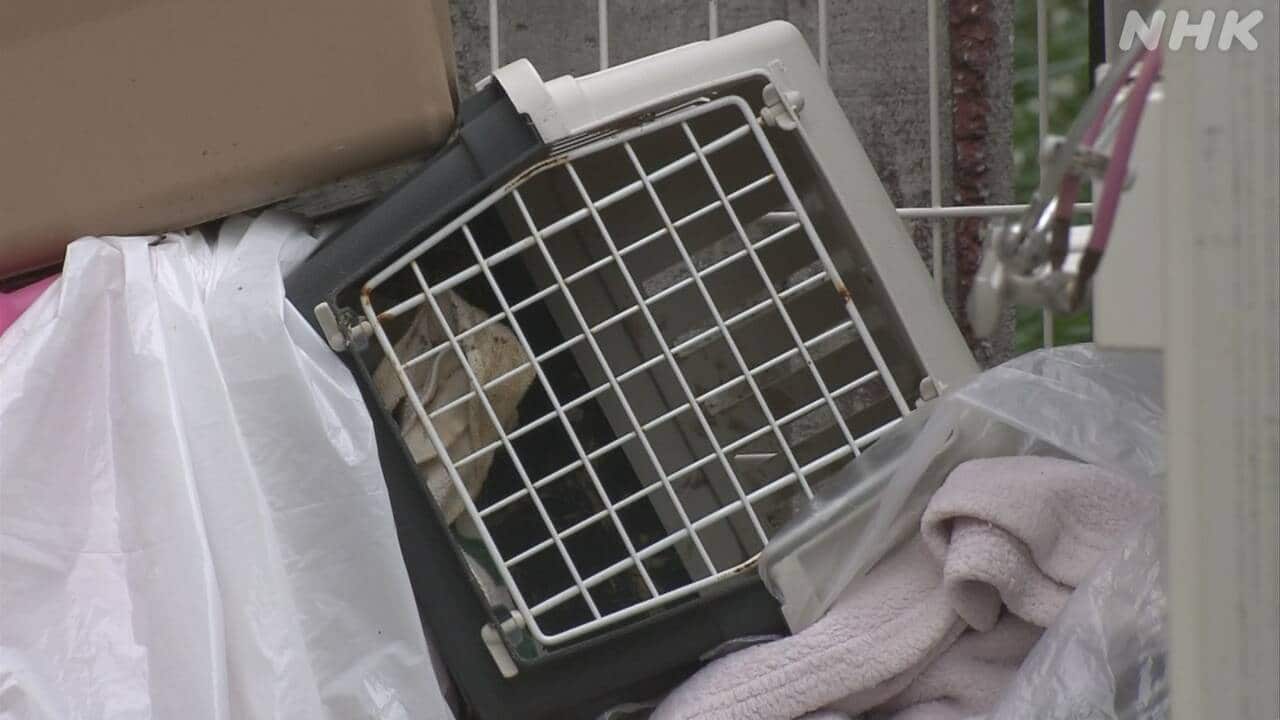
都内の動物愛護団体の47歳の代表が、自宅で犬や猫あわせて39匹をふんや死骸が放置された劣悪な環境で飼育して虐待していたなどとして逮捕されました。自宅からは少なくとも30匹の犬や猫の死骸が見つかっていて、警視庁は適切に管理できない「多頭飼育崩壊」の状態になっていたとみて調べています。
逮捕されたのは、東京・品川区の動物愛護団体「保護犬猫の家 ななちゃんのおうち」の代表、丸ノ内留実容疑者(47)です。
警視庁によりますと、先月、品川区の自宅で、犬や猫あわせて39匹を、ふんや死骸が放置されている状態で飼育し、病気の犬や猫に適切な処置をせずに虐待したとして、動物愛護法違反の疑いがもたれています。
去年12月に品川区役所から「住民から鳴き声やふん尿がひどいという苦情がある」と相談があり、警視庁が捜査を進めていたということです。
室内には、ふん尿が大量に放置され、少なくとも30匹の犬や猫の死骸が見つかったということです。
この団体は、引き取り手のない犬や猫を預かる活動をしていたということで、警視庁は、適切に管理できない「多頭飼育崩壊」の状態になっていたとみて詳しいいきさつを調べています。
調べに対し、「最大で70匹を同時に飼っていた。自分が預かっている時に50匹くらい死んだと思う。ふん尿などが放置された状態で飼っていたのは間違いないが、すぐに病院に連れて行く必要はなかった」などと供述し、容疑を一部否認しているということです。
多数の犬や猫が飼育されていた容疑者の自宅の近くに住む80代の男性は「玄関先にはふんが大量に放置されていて、敷地の外にも出ている状態だったし、犬の毛が近隣にも飛び散っていた。犬が何匹も鳴くので、すごい鳴き声だった。人に迷惑をかけてはいけないと思う」と話していました。
逮捕されたのは、東京・品川区の動物愛護団体「保護犬猫の家 ななちゃんのおうち」の代表、丸ノ内留実容疑者(47)です。
警視庁によりますと、先月、品川区の自宅で、犬や猫あわせて39匹を、ふんや死骸が放置されている状態で飼育し、病気の犬や猫に適切な処置をせずに虐待したとして、動物愛護法違反の疑いがもたれています。
去年12月に品川区役所から「住民から鳴き声やふん尿がひどいという苦情がある」と相談があり、警視庁が捜査を進めていたということです。
室内には、ふん尿が大量に放置され、少なくとも30匹の犬や猫の死骸が見つかったということです。
この団体は、引き取り手のない犬や猫を預かる活動をしていたということで、警視庁は、適切に管理できない「多頭飼育崩壊」の状態になっていたとみて詳しいいきさつを調べています。
調べに対し、「最大で70匹を同時に飼っていた。自分が預かっている時に50匹くらい死んだと思う。ふん尿などが放置された状態で飼っていたのは間違いないが、すぐに病院に連れて行く必要はなかった」などと供述し、容疑を一部否認しているということです。
多数の犬や猫が飼育されていた容疑者の自宅の近くに住む80代の男性は「玄関先にはふんが大量に放置されていて、敷地の外にも出ている状態だったし、犬の毛が近隣にも飛び散っていた。犬が何匹も鳴くので、すごい鳴き声だった。人に迷惑をかけてはいけないと思う」と話していました。
この記事の単語 (61)
×5
放置
ほうち
leaving as is; leaving alone; leaving to chance; neglecting; abandoning
×5
状態
じょうたい
state; condition; situation; appearance; circumstances
×4
自宅
じたく
one's home; one's house
×4
死骸
しがい
(dead) body; corpse; carcass; remains
×4
警視庁
けいしちょう
Metropolitan Police Department (esp. Tokyo)
×3
飼育
しいく
breeding; raising; rearing
×3
適切
てきせつ
appropriate; suitable; fitting; apt; proper; right; pertinent; relevant
×3
品川区
しながわく
Shinagawaku (place)
×3
糞尿
ふんにょう
feces and urine; excreta; human waste
×2
代表
だいひょう
1. representative; representation; delegation; type; example; model 2. switchboard number; main number
×2
合わせる
あわせる
1. to match (rhythm, speed, etc.) 2. to join together; to unite; to combine; to add up
×2
虐待
ぎゃくたい
abuse; ill-treatment; maltreatment; mistreatment; cruelty
×2
逮捕
たいほ
arrest; apprehension; capture
×2
少ない
すくない
few; a little; scarce; insufficient; seldom
×2
見付かる
みつかる
to be found; to be discovered
×2
管理
かんり
control; management (e.g. of a business)
×2
多頭飼育崩壊
たとうしいくほうかい
animal hoarding; compulsive accumulation of pets
×2
調べる
しらべる
to examine; to look up; to investigate; to check up; to sense; to study; to inquire; to search
×2
容疑者
ようぎしゃ
suspect (person)
×2
鳴き声
なきごえ
cry (esp. animal); roar; chirp; tweet; bark; whine; meow
×2
大量
たいりょう
large quantity; massive (quantity); mass (e.g. mass production, mass transit, mass destruction)
×2
預かる
あずかる
1. to look after; to take care of; to keep; to hold on to; to keep in custody 2. to be put in charge of; to be given responsibility for; to be entrusted with
×2
飼う
かう
to keep (a pet or other animal); to have; to own; to raise; to rear; to feed
×1
都内
とない
(within) the (Tokyo) metropolitan area
×1
劣悪
れつあく
inferior; coarse; poor quality; inadequate; deteriorated
×1
環境
かんきょう
environment; circumstance
×1
東京
とうきょう
Tokyo
×1
保護犬
ほごけん
dog held at an animal shelter or rescue centre; rescue dog
×1
ななち
Nanachi (place)
×1
お家
おうち
1. your home; your family; their home; their family 2. (my) home
×1
丸ノ内
まるのうち
Marunouchi (place; surname)
×1
留実
りゅうみ
Ryuumi (fem)
×1
処置
しょち
1. measure; step; dealing with 2. medical treatment
×1
動物愛護
どうぶつあいご
animal rights; animal welfare; animal protection
×1
違反
いはん
violation; offense; offence; breach; transgression; infringement; contravention
×1
疑い
うたがい
doubt; question; uncertainty; skepticism; scepticism; suspicion; distrust
×1
役所
やくしょ
government office; public office
×1
住民
じゅうみん
inhabitant; resident; citizen; population
×1
苦情
くじょう
complaint; troubles; objection; grievance
×1
捜査
そうさ
search (esp. in criminal investigations); investigation; inquiry; enquiry
×1
進める
すすめる
1. to advance; to move forward; to put (a clock, watch) forward 2. to carry forward (plans, work, etc.); to proceed with; to make progress in; to further; to advance; to hasten; to speed up
×1
室内
しつない
indoor; inside the room
×1
団体
だんたい
organization; organisation; association
×1
引き取る
ひきとる
1. to take into one's possession; to receive; to accept; to collect; to claim 2. to take into one's care (e.g. person, pet); to take custody of; to adopt
×1
活動
かつどう
1. activity (of a person, organization, animal, volcano, etc.); action 2. movie (esp. during the silent movie period)
×1
詳しい
くわしい
1. detailed; full; minute 2. knowing very well; knowledgeable (about); well-acquainted (with); well-informed (about); familiar (with)
×1
経緯
いきさつ
1. details; particulars; whole story; sequence of events; chronology; circumstances; how it started; how things got this way 2. longitude and latitude
×1
調べ
しらべ
1. investigation; inspection; examination 2. tune; note; melody
×1
最大
さいだい
biggest; greatest; largest; maximum
×1
同時
どうじ
simultaneous; concurrent; same time; synchronous; together
×1
死ぬ
しぬ
1. to die; to pass away 2. to lose spirit; to lose vigor; to look dead
×1
間違い
まちがい
1. mistake; error; blunder 2. accident; mishap; trouble
×1
連れる
つれる
to take (someone) with one; to bring along; to go with; to be accompanied by
×1
供述
きょうじゅつ
affidavit; deposition; testimony
×1
容疑
ようぎ
suspicion; charge
×1
多数
たすう
1. large number (of); many 2. majority
×1
玄関先
げんかんさき
entrance; front door
×1
敷地
しきち
site; plot; lot; grounds
×1
近隣
きんりん
neighbourhood; neighborhood; vicinity
×1
飛び散る
とびちる
to fly around; to scatter
×1
迷惑
めいわく
1. trouble; bother; annoyance; nuisance; inconvenience 2. to be troubled (by); to be bothered (by); to be inconvenienced (by)