イラン アメリカ なぜ戦争?イスラエルが関係 アメリカ軍5万人以上動員「壮絶な怒り」作戦
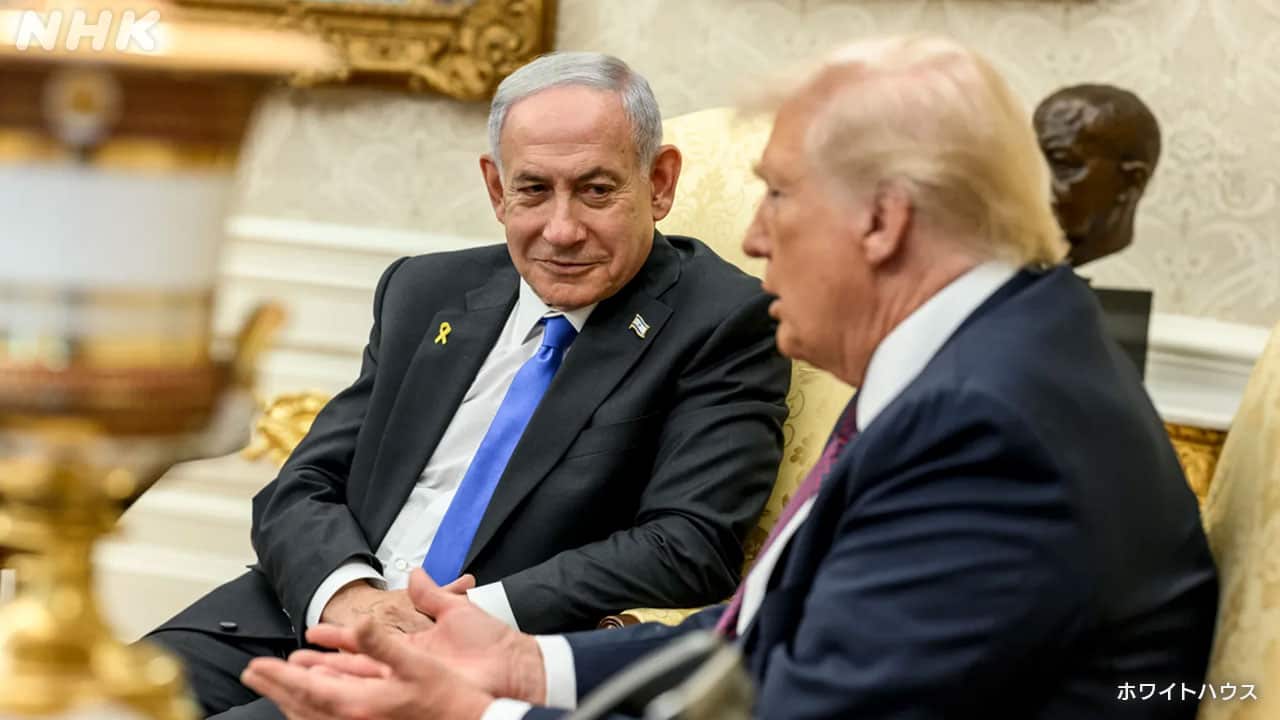
トランプ大統領がイランへの攻撃を決断した経緯や背景についてアメリカの複数のメディアはイスラエルの関与や影響を指摘しています。
有力紙ニューヨーク・タイムズは2日付けの電子版の記事で、複数の関係者の証言をもとに検証した結果として「トランプ大統領がイランへの軍事作戦を容認したのは外交交渉を終わらせると決意したイスラエルのネタニヤフ首相に促された結果だった」と指摘しました。
記事ではトランプ大統領の攻撃の決断はネタニヤフ首相による数か月にわたる後押しの勝利だったとしていて、ネタニヤフ首相は去年12月、南部フロリダ州の別荘でトランプ大統領と会談した際、イスラエルとして数か月以内にイランのミサイル基地を攻撃することへの承認を求めていたとしています。
一方でトランプ大統領がことし1月にイランでの反政府デモを支援するかたちで攻撃を警告した際にはアメリカ軍もイスラエル軍も態勢が整っておらず、ネタニヤフ首相はいかなる攻撃も防衛態勢が整う1月後半まで遅らせるよう求め、トランプ大統領もこれに同意していたとしています。
その後、アメリカでは戦争の計画が着々と進められ、アメリカ軍は2月中旬には数週間、軍事作戦を維持できる戦力を配備したということです。
2月11日にはネタニヤフ首相がトランプ大統領を戦争への道にとどめる決意で対面での会談に臨み「戦争の見通しや攻撃の可能性のある日程さえも議論していた」としています。
その翌週の2月18日にはトランプ大統領と側近らが外交交渉を後押しする限定的な攻撃や政権を転覆させる大規模な作戦などの選択肢を協議したとしています。
アメリカ軍制服組トップのケイン統合参謀本部議長はいずれの選択肢もベネズエラでの軍事作戦よりはるかに困難だと強調し、個人的に攻撃には反対寄りの様子だったバンス副大統領は限定的な攻撃は誤りだと主張して、攻撃するなら「大規模かつ迅速にすべきだ」と語ったということです。
記事によりますとトランプ大統領はこの会議まではまずは限定的な攻撃に傾いていたようだったもののバンス副大統領の意見が共感を呼んだとみられるとしています。
その後、政府高官らはイランの核開発やミサイルだけでなく指導部も標的にする考えに傾いていったということです。
2月26日、アメリカはイランとの間接協議に臨んでいましたが、出席したトランプ大統領の側近のウィトコフ特使と娘の夫クシュナー氏は協議後、大統領に「合意に至ることはできないと思う」との考えを伝えていたとしています。
アメリカとイスラエルはこのころにはイランへの攻撃を協議していて、情報機関がつかんだ最高指導者ハメネイ師と幹部らの予定と居場所が攻撃の日時の決定打となって「両国の指導者は昼間の大胆な『首脳部排除』攻撃で戦争を開始することを決断した」としています。
トランプ大統領は2月27日、南部テキサス州に向かう大統領専用機の機内で正式に命令を出し「『壮絶な怒り作戦』は承認された。中止はない。幸運を」と語ったということです。
アメリカとイスラエルによるイランへの攻撃について、アメリカのニュースサイト「アクシオス」は去年12月のトランプ大統領とネタニヤフ首相の会談で「種がまかれた」と伝えています。
ネタニヤフ首相はこの会談を去年6月のアメリカとイスラエルによるイランへの攻撃に続く対応を協議する場として活用し、主に弾道ミサイル能力に焦点をあてて、暫定的な計画としてことし5月ごろの攻撃を想定していたということです。
その数日後、この想定は変わり、イランで起きた大規模な反政府デモで多数の死傷者が出ると、トランプ大統領はSNSに「助けが向かっている」と投稿。
ことし1月14日には攻撃の命令が瀬戸際まで迫ったもののおしとどまり、代わりに中東での大規模な軍備増強と、秘密裏にイスラエルとの共同作戦の計画検討作業を始めるよう命じたということです。
その後、数週間にわたり、イスラエルの情報機関モサドのトップやイスラエル軍の参謀総長などが相次いで首都ワシントンを訪れ、今回の作戦にいたる調整を進めたということです。
トランプ大統領は同時に軍事的な圧力を背景にイランと合意に達することができるかどうかも探り続けていたということです。
しかしアメリカ政府高官の話としてイラン側はウランの濃縮活動を放棄する代わりに民生用の核燃料を提供する提案に同意せず、弾道ミサイルについては一切の交渉を拒否し、交渉役のウィトコフ特使らは時間稼ぎと見なしていたということです。
またアメリカとイスラエル両国の政府高官の話として、両国は当初、今回、攻撃に踏み切った1週間前の2月21日の攻撃開始を計画していたということです。
その直前に開かれた2月17日のアメリカとイランの2回目の間接協議が進展なく終わり、4日後の21日の攻撃に向けて準備を進めたものの、悪天候といった作戦上の理由などから先送りされたとしています。
そして2月23日、トランプ大統領とネタニヤフ首相が電話で会談し、この時、28日朝にイランの最高指導者ハメネイ師と最高幹部がテヘラン市内で同じ場所に集まるという情報がもたらされ、ネタニヤフ首相は一撃で殺害できる可能性があると伝えたということです。
トランプ大統領とネタニヤフ首相は2か月間で対面で2回、電話で15回会談したということですが、この23日の電話が命運を分ける瞬間だったと指摘しています。
トランプ大統領はネタニヤフ首相を緊密なパートナーとしてイランに関する助言に真摯に耳を傾けていた一方、外交的な解決を第1に考えていたとしていて、アメリカ政府の高官は「大統領は常に外交と軍事をてんびんにかけていた」と話していたということです。
中東地域を管轄するアメリカ中央軍のクーパー司令官は3日、SNSに動画を投稿し、「壮絶な怒り」と名付けた軍事作戦の進ちょく状況を説明しました。
それによりますと作戦には5万人以上を動員し、戦闘機200機を投入したなどとしていて、戦力はさらに増強されるとしています。
作戦開始から24時間の攻撃の規模は2003年のイラク戦争のおよそ2倍だったとしていて、開始から100時間以内に2000近い標的を攻撃し、イランの防空能力を著しく低下させるとともに、弾道ミサイルや無人機などアメリカ側を攻撃できる装備を集中的に狙ったとしています。
またこれまでに潜水艦を含めてイラン側の艦艇17隻を破壊したとしていて「きょうアラビア湾やホルムズ海峡、オマーン湾で航行しているイランの船は1隻もない」と述べています。
さらに自爆型の無人機に加えて陸軍が「PrSM」という地上発射型の精密打撃ミサイルを戦闘で初めて使用したと明らかにしました。
一方、イラン側が報復として500発以上の弾道ミサイルや2000機を超える無人機で無差別に攻撃したものの、攻撃力は低下していると主張しています。
有力紙ニューヨーク・タイムズは2日付けの電子版の記事で、複数の関係者の証言をもとに検証した結果として「トランプ大統領がイランへの軍事作戦を容認したのは外交交渉を終わらせると決意したイスラエルのネタニヤフ首相に促された結果だった」と指摘しました。
記事ではトランプ大統領の攻撃の決断はネタニヤフ首相による数か月にわたる後押しの勝利だったとしていて、ネタニヤフ首相は去年12月、南部フロリダ州の別荘でトランプ大統領と会談した際、イスラエルとして数か月以内にイランのミサイル基地を攻撃することへの承認を求めていたとしています。
一方でトランプ大統領がことし1月にイランでの反政府デモを支援するかたちで攻撃を警告した際にはアメリカ軍もイスラエル軍も態勢が整っておらず、ネタニヤフ首相はいかなる攻撃も防衛態勢が整う1月後半まで遅らせるよう求め、トランプ大統領もこれに同意していたとしています。
その後、アメリカでは戦争の計画が着々と進められ、アメリカ軍は2月中旬には数週間、軍事作戦を維持できる戦力を配備したということです。
2月11日にはネタニヤフ首相がトランプ大統領を戦争への道にとどめる決意で対面での会談に臨み「戦争の見通しや攻撃の可能性のある日程さえも議論していた」としています。
その翌週の2月18日にはトランプ大統領と側近らが外交交渉を後押しする限定的な攻撃や政権を転覆させる大規模な作戦などの選択肢を協議したとしています。
アメリカ軍制服組トップのケイン統合参謀本部議長はいずれの選択肢もベネズエラでの軍事作戦よりはるかに困難だと強調し、個人的に攻撃には反対寄りの様子だったバンス副大統領は限定的な攻撃は誤りだと主張して、攻撃するなら「大規模かつ迅速にすべきだ」と語ったということです。
記事によりますとトランプ大統領はこの会議まではまずは限定的な攻撃に傾いていたようだったもののバンス副大統領の意見が共感を呼んだとみられるとしています。
その後、政府高官らはイランの核開発やミサイルだけでなく指導部も標的にする考えに傾いていったということです。
2月26日、アメリカはイランとの間接協議に臨んでいましたが、出席したトランプ大統領の側近のウィトコフ特使と娘の夫クシュナー氏は協議後、大統領に「合意に至ることはできないと思う」との考えを伝えていたとしています。
アメリカとイスラエルはこのころにはイランへの攻撃を協議していて、情報機関がつかんだ最高指導者ハメネイ師と幹部らの予定と居場所が攻撃の日時の決定打となって「両国の指導者は昼間の大胆な『首脳部排除』攻撃で戦争を開始することを決断した」としています。
トランプ大統領は2月27日、南部テキサス州に向かう大統領専用機の機内で正式に命令を出し「『壮絶な怒り作戦』は承認された。中止はない。幸運を」と語ったということです。
アメリカとイスラエルによるイランへの攻撃について、アメリカのニュースサイト「アクシオス」は去年12月のトランプ大統領とネタニヤフ首相の会談で「種がまかれた」と伝えています。
ネタニヤフ首相はこの会談を去年6月のアメリカとイスラエルによるイランへの攻撃に続く対応を協議する場として活用し、主に弾道ミサイル能力に焦点をあてて、暫定的な計画としてことし5月ごろの攻撃を想定していたということです。
その数日後、この想定は変わり、イランで起きた大規模な反政府デモで多数の死傷者が出ると、トランプ大統領はSNSに「助けが向かっている」と投稿。
ことし1月14日には攻撃の命令が瀬戸際まで迫ったもののおしとどまり、代わりに中東での大規模な軍備増強と、秘密裏にイスラエルとの共同作戦の計画検討作業を始めるよう命じたということです。
その後、数週間にわたり、イスラエルの情報機関モサドのトップやイスラエル軍の参謀総長などが相次いで首都ワシントンを訪れ、今回の作戦にいたる調整を進めたということです。
トランプ大統領は同時に軍事的な圧力を背景にイランと合意に達することができるかどうかも探り続けていたということです。
しかしアメリカ政府高官の話としてイラン側はウランの濃縮活動を放棄する代わりに民生用の核燃料を提供する提案に同意せず、弾道ミサイルについては一切の交渉を拒否し、交渉役のウィトコフ特使らは時間稼ぎと見なしていたということです。
またアメリカとイスラエル両国の政府高官の話として、両国は当初、今回、攻撃に踏み切った1週間前の2月21日の攻撃開始を計画していたということです。
その直前に開かれた2月17日のアメリカとイランの2回目の間接協議が進展なく終わり、4日後の21日の攻撃に向けて準備を進めたものの、悪天候といった作戦上の理由などから先送りされたとしています。
そして2月23日、トランプ大統領とネタニヤフ首相が電話で会談し、この時、28日朝にイランの最高指導者ハメネイ師と最高幹部がテヘラン市内で同じ場所に集まるという情報がもたらされ、ネタニヤフ首相は一撃で殺害できる可能性があると伝えたということです。
トランプ大統領とネタニヤフ首相は2か月間で対面で2回、電話で15回会談したということですが、この23日の電話が命運を分ける瞬間だったと指摘しています。
トランプ大統領はネタニヤフ首相を緊密なパートナーとしてイランに関する助言に真摯に耳を傾けていた一方、外交的な解決を第1に考えていたとしていて、アメリカ政府の高官は「大統領は常に外交と軍事をてんびんにかけていた」と話していたということです。
中東地域を管轄するアメリカ中央軍のクーパー司令官は3日、SNSに動画を投稿し、「壮絶な怒り」と名付けた軍事作戦の進ちょく状況を説明しました。
それによりますと作戦には5万人以上を動員し、戦闘機200機を投入したなどとしていて、戦力はさらに増強されるとしています。
作戦開始から24時間の攻撃の規模は2003年のイラク戦争のおよそ2倍だったとしていて、開始から100時間以内に2000近い標的を攻撃し、イランの防空能力を著しく低下させるとともに、弾道ミサイルや無人機などアメリカ側を攻撃できる装備を集中的に狙ったとしています。
またこれまでに潜水艦を含めてイラン側の艦艇17隻を破壊したとしていて「きょうアラビア湾やホルムズ海峡、オマーン湾で航行しているイランの船は1隻もない」と述べています。
さらに自爆型の無人機に加えて陸軍が「PrSM」という地上発射型の精密打撃ミサイルを戦闘で初めて使用したと明らかにしました。
一方、イラン側が報復として500発以上の弾道ミサイルや2000機を超える無人機で無差別に攻撃したものの、攻撃力は低下していると主張しています。
Vocabulary
General
Proper noun
JLPT N2
JLPT N1
| # | 言葉 | 意味 |
|---|---|---|
| 25 | 攻撃 | こうげき (攻撃) : 1. attack; assault; raid; onslaught; offensive 2. criticism; censure; denunciation; condemnation |
| 11 | 首相 | しゅしょう (首相) : prime minister; chancellor (Germany, Austria, etc.); premier |
| 7 | 作戦 | さくせん (作戦) : 1. tactics; strategy 2. military operation; naval operation |
| 6 | 会談 | かいだん (会談) : conversation; conference (usu. between important people); discussion; interview |
| 6 | 協議 | きょうぎ (協議) : conference; consultation; discussion; negotiation |
| 4 | 軍事作戦 | ぐんじさくせん (軍事作戦) : 1. military operation 2. military tactics; military strategy |
| 4 | 大規模 | だいきぼ (大規模) : large-scale |
| 4 | 開始 | かいし (開始) : start; commencement; beginning; initiation |
| 4 | 弾道ミサイル | だんどうミサイル (弾道ミサイル) : ballistic missile |
| 3 | 決断 | けつだん (決断) : decision; determination |
| 3 | 指摘 | してき (指摘) : pointing out; identification |
| 3 | 記事 | きじ (記事) : article; news story; report; account |
| 3 | アメリカ軍 | アメリカぐん (アメリカ軍) : U.S. forces; American military |
| 3 | 進める | すすめる (進める) : 1. to advance; to move forward; to put (a clock, watch) forward 2. to carry forward (plans, work, etc.); to proceed with; to make progress in; to further; to advance; to hasten; to speed up |
| 3 | 限定的 | げんていてき (限定的) : limited; limiting; restrictive |
| 3 | 政府高官 | せいふこうかん (政府高官) : high (government) official |
| 3 | 大統領 | だいとうりょう (大統領) : 1. president (of a nation) 2. big man; boss; buddy; mate |
| 3 | 伝える | つたえる (伝える) : to convey; to report; to transmit; to communicate; to tell; to impart; to propagate; to teach; to bequeath |
| 3 | 両国 | りょうこく (両国) : 1. both countries 2. Ryōgoku (area of Tokyo) |
| 3 | 無人機 | むじんき (無人機) : drone; unmanned aircraft |
| 2 | 背景 | はいけい (背景) : 1. background; scenery; backdrop; setting 2. background (of an incident, situation, etc.); circumstances; context |
| 2 | 複数 | ふくすう (複数) : plural; multiple; several |
| 2 | 結果 | けっか (結果) : 1. result; consequence; outcome; effect 2. coming to fruition; bearing fruit |
| 2 | 外交交渉 | がいこうこうしょう (外交交渉) : diplomatic negotiations; negotiations through diplomatic channels |
| 2 | 決意 | けつい (決意) : decision; determination; resolution |
| 2 | 数か月 | すうかげつ (数ヶ月) : several months |
| 2 | 後押し | あとおし (後押し) : 1. pushing; backing; boosting; supporting 2. pushing from behind (a cart, etc.); pusher |
| 2 | 南部 | なんぶ (南部) : southern part; the south (of a region) |
| 2 | 際 | きわ (際) : 1. edge; brink; verge; side 2. time; moment of |
| 2 | 承認 | しょうにん (承認) : recognition; acknowledgement; acknowledgment; approval; consent; agreement |
| 2 | 求める | もとめる (求める) : 1. to want; to wish for 2. to request; to demand; to require; to ask for |
| 2 | 整う | ととのう (整う) : 1. to be ready; to be prepared; to be arranged 2. to be in order; to be put in order; to be well-ordered; to be well-proportioned; to be harmonious |
| 2 | 同意 | どうい (同意) : 1. agreement; consent; approval; assent 2. same opinion; same view |
| 2 | 数週間 | すうしゅうかん (数週間) : several weeks; a few weeks |
| 2 | 戦力 | せんりょく (戦力) : 1. war potential; military strength; fighting power 2. ability (to compete); capabilities; valuable asset |
| 2 | 対面 | たいめん (対面) : 1. meeting face-to-face; seeing in person 2. facing (each other); opposing (traffic, etc.); confronting |
| 2 | 臨む | のぞむ (臨む) : 1. to look out on; to overlook; to front onto 2. to face (a situation, crisis, etc.); to meet (e.g. death); to be confronted by |
| 2 | 可能性 | かのうせい (可能性) : potentiality; likelihood; possibility; availability |
| 2 | 側近 | そっきん (側近) : close associate; close aide; brains-truster |
| 2 | 選択肢 | せんたくし (選択肢) : choices; alternatives; options |
| 2 | 副大統領 | ふくだいとうりょう (副大統領) : vice president (of a country) |
| 2 | 主張 | しゅちょう (主張) : claim; insistence; assertion; advocacy; emphasis; contention; opinion; tenet |
| 2 | 語る | かたる (語る) : 1. to talk about; to speak of; to tell; to narrate 2. to recite; to chant |
| 2 | 傾く | かたむく (傾く) : 1. to incline toward; to slant; to lurch; to heel over; to be disposed to; to trend toward; to be prone to 2. to go down (sun); to wane; to sink; to decline |
| 2 | 標的 | ひょうてき (標的) : target |
| 2 | 考え | かんがえ (考え) : 1. thinking; thought; view; opinion; concept 2. idea; notion; imagination |
| 2 | 間接 | かんせつ (間接) : indirection; indirectness |
| 2 | 特使 | とくし (特使) : special envoy |
| 2 | 合意 | ごうい (合意) : (coming to an) agreement; consent; mutual understanding; accord; consensus |
| 2 | 情報機関 | じょうほうきかん (情報機関) : intelligence agency |
| 2 | 師 | し (師) : 1. teacher; master; one's mentor 2. religious leader |
| 2 | 幹部 | かんぶ (幹部) : management; (executive) staff; leaders; leadership; top brass; upper echelons |
| 2 | 命令 | めいれい (命令) : 1. order; command; decree; directive 2. (software) instruction; statement |
| 2 | 壮絶 | そうぜつ (壮絶) : grand; heroic; sublime; fierce |
| 2 | 怒り | いかり (怒り) : anger; rage; fury; wrath; indignation |
| 2 | 能力 | のうりょく (能力) : ability; faculty |
| 2 | 想定 | そうてい (想定) : hypothesis; supposition; assumption |
| 2 | 投稿 | とうこう (投稿) : contribution (to a newspaper, magazine, etc.); submission; post (on a blog, social media, etc.) |
| 2 | 中東 | ちゅうとう (中東) : Middle East |
| 2 | 増強 | ぞうきょう (増強) : reinforcement; augmentation; strengthening; increase; buildup |
| 2 | 交渉 | こうしょう (交渉) : 1. negotiations; discussions 2. connection |
| 2 | 機 | はた (機) : loom |
| 2 | 低下 | ていか (低下) : fall; decline; lowering; deterioration; degradation |
| 2 | 隻 | せき (隻) : 1. counter for ships (large boats) 2. counter for half of a pair (e.g. half of a folding screen) |
| 1 | 経緯 | いきさつ (経緯) : 1. details; particulars; whole story; sequence of events; chronology; circumstances; how it started; how things got this way 2. longitude and latitude |
| 1 | 関与 | かんよ (関与) : participation; taking part in; participating in; being concerned in |
| 1 | 影響 | えいきょう (影響) : 1. influence; effect 2. to influence; to affect; to have an influence on; to impact; to have an effect on |
| 1 | 有力 | ゆうりょく (有力) : 1. influential; prominent 2. strong; likely; plausible; potent |
| 1 | 付け | つけ (付け) : 1. bill; bill of sale; payment invoice 2. tab (for later payment); credit |
| 1 | 電子版 | でんしばん (電子版) : electronic edition; online edition |
| 1 | 関係者 | かんけいしゃ (関係者) : person concerned; people involved (in an event); those concerned; staff |
| 1 | 証言 | しょうげん (証言) : testimony; (verbal) evidence |
| 1 | もと | もと (元) : 1. origin; source 2. base; basis; foundation; root |
| 1 | 検証 | けんしょう (検証) : verification; inspection |
| 1 | 容認 | ようにん (容認) : approval |
| 1 | 促す | うながす (促す) : 1. to urge; to encourage; to press; to prompt; to draw (attention to) 2. to stimulate (e.g. growth); to hasten (e.g. development); to quicken; to accelerate; to promote |
| 1 | 勝利 | しょうり (勝利) : victory; triumph; conquest; success; win |
| 1 | 別荘 | べっそう (別荘) : 1. holiday house; vacation home; villa 2. prison; jail |
| 1 | 基地 | きち (基地) : base (military, expedition, etc.) |
| 1 | 支援 | しえん (支援) : support; backing; aid; assistance |
| 1 | 警告 | けいこく (警告) : warning; advice |
| 1 | 態勢 | たいせい (態勢) : attitude; posture; preparedness; readiness |
| 1 | いかなる | いかなる (如何なる) : any kind of; every; whatsoever; whatever |
| 1 | 後半 | こうはん (後半) : second half; latter half |
| 1 | 遅らせる | おくらせる (遅らせる) : to delay; to postpone; to put off; to slow down; to hold up; to retard; to put back (a clock) |
| 1 | 着々 | ちゃくちゃく (着々) : steadily |
| 1 | 中旬 | ちゅうじゅん (中旬) : middle of a month; second third of a month; 11th to 20th day of a month |
| 1 | 維持 | いじ (維持) : maintenance; preservation; improvement |
| 1 | 配備 | はいび (配備) : deployment; disposition; posting; stationing |
| 1 | とどめる | とどめる (留める) : 1. to stop; to stay (e.g. the night); to cease; to put an end to 2. to contain; to keep (in position, in place); to limit |
| 1 | 見通し | みとおし (見通し) : 1. unobstructed view; perspective; visibility; vista 2. forecast; outlook; prospect; prediction |
| 1 | 日程 | にってい (日程) : schedule; program; programme; agenda |
| 1 | さえ | さえ : 1. even 2. (if) only; just; as long as |
| 1 | 議論 | ぎろん (議論) : argument; discussion; dispute; controversy |
| 1 | 翌週 | よくしゅう (翌週) : the following week; the next week |
| 1 | 政権 | せいけん (政権) : (political) administration; political power |
| 1 | 転覆 | てんぷく (転覆) : 1. overturning; capsizing 2. overthrow (e.g. of a government) |
| 1 | 制服組 | せいふくぐみ (制服組) : uniformed personnel |
| 1 | 統合参謀本部 | とうごうさんぼうほんぶ (統合参謀本部) : Joint Chiefs of Staff |
| 1 | 議長 | ぎちょう (議長) : chair; chairman; chairperson; speaker (of an assembly); president (of a council, senate, etc.) |
| 1 | いずれ | いずれ (何れ) : 1. where; which; who 2. anyway; anyhow; at any rate |
| 1 | はるか | はるか (遥か) : far; far away; distant; remote; far off |
| 1 | 困難 | こんなん (困難) : 1. difficulty; hardship; trouble; distress 2. infeasibility; inability (to carry out) |
| 1 | 強調 | きょうちょう (強調) : emphasis; highlight; stress; stressed point |
| 1 | 個人的 | こじんてき (個人的) : personal; individual; private |
| 1 | 寄り | より (寄り) : 1. pushing back one's opponent while locked in close quarters 2. having a tendency towards; being close to |
| 1 | 様子 | ようす (様子) : 1. state; state of affairs; situation; circumstances 2. appearance; look; aspect |
| 1 | 誤り | あやまり (誤り) : error; mistake; slip; bug |
| 1 | 迅速 | じんそく (迅速) : quick; fast; rapid; swift; prompt; streamlined; expedited; expeditious |
| 1 | 共感 | きょうかん (共感) : sympathy; empathy; response |
| 1 | 呼ぶ | よぶ (呼ぶ) : 1. to call out (to); to call; to invoke 2. to summon (a doctor, etc.) |
| 1 | 核 | かく (核) : 1. stone (of a fruit); pit; pip 2. core (of an organization, team, etc.); nucleus; heart |
| 1 | 開発 | かいはつ (開発) : development; exploitation |
| 1 | 指導部 | しどうぶ (指導部) : leadership |
| 1 | 氏 | うじ (氏) : 1. family name; lineage; birth 2. clan |
| 1 | 至る | いたる (至る) : 1. to arrive at (e.g. a decision); to reach (a stage); to attain 2. to lead to (a place); to get to |
| 1 | つかむ | つかむ (掴む) : 1. to seize; to catch; to grasp; to grip; to grab; to clutch; to hold; to catch hold of; to lay one's hands on 2. to obtain; to acquire; to get; to win; to capture |
| 1 | 最高指導者 | さいこうしどうしゃ (最高指導者) : supreme leader; ultimate leader |
| 1 | 日時 | にちじ (日時) : date and time |
| 1 | 決定 | けってい (決定) : decision; determination |
| 1 | 打 | ダース (打) : dozen |
| 1 | 指導者 | しどうしゃ (指導者) : leader; guide; mentor; coach |
| 1 | 大胆 | だいたん (大胆) : bold; daring; audacious |
| 1 | 首脳部 | しゅのうぶ (首脳部) : executives; top management; governing body |
| 1 | 排除 | はいじょ (排除) : exclusion; removal; rejection; elimination; abatement; lifting (sanctions, etc.) |
| 1 | 専用機 | せんようき (専用機) : personal aeroplane; personal airplane |
| 1 | 機内 | きない (機内) : inside a plane; in-flight |
| 1 | 正式 | せいしき (正式) : due form; official; formality |
| 1 | 中止 | ちゅうし (中止) : suspension; stoppage; discontinuance; interruption |
| 1 | 幸運 | こううん (幸運) : good luck; fortune |
| 1 | 種 | しゅ (種) : 1. kind; variety 2. (biological) species |
| 1 | まく | まく (巻く) : 1. to wind; to coil; to roll; to wear (e.g. turban, scarf) 2. to envelope; to shroud |
| 1 | 対応 | たいおう (対応) : 1. correspondence (to); equivalence 2. suitability; coordination; matching; being appropriate (for) |
| 1 | 活用 | かつよう (活用) : 1. practical use; application 2. conjugation; inflection |
| 1 | 主に | おもに (主に) : mainly; primarily |
| 1 | 焦点 | しょうてん (焦点) : focus (e.g. photographic); focal point |
| 1 | あてる | あてる (宛てる) : to address |
| 1 | 暫定的 | ざんていてき (暫定的) : temporary; provisional; interim |
| 1 | 変わる | かわる (変わる) : 1. to change; to be transformed; to be altered; to vary 2. to move to |
| 1 | 起きる | おきる (起きる) : 1. to get up; to rise; to blaze up (fire) 2. to wake up; to be awake; to stay awake |
| 1 | 多数 | たすう (多数) : 1. large number (of); many 2. majority |
| 1 | 死傷者 | ししょうしゃ (死傷者) : casualties; killed and wounded |
| 1 | 助け | たすけ (助け) : assistance; help; aid; support; reinforcement |
| 1 | 向かう | むかう (向かう) : 1. to face 2. to go towards; to head towards |
| 1 | 瀬戸際 | せとぎわ (瀬戸際) : brink; critical moment |
| 1 | 迫る | せまる (迫る) : 1. to approach; to draw near; to be imminent 2. to press (someone for something); to urge; to compel |
| 1 | おす | おす (押す) : 1. to push; to press 2. to apply pressure from above; to press down |
| 1 | とどまる | とどまる (止まる) : 1. to remain; to abide; to stay (in the one place) 2. to be limited to; to be confined to; to only account for |
| 1 | 軍備 | ぐんび (軍備) : armaments; military preparations |
| 1 | 秘密裏 | ひみつり (秘密裡) : behind closed doors; behind-the-scenes; (under the veil of) secrecy |
| 1 | 共同 | きょうどう (共同) : doing together (as equals); sharing; common (land, etc.); joint (statement, etc.); cooperation; co-operation; collaboration; association |
| 1 | 検討 | けんとう (検討) : consideration; examination; investigation; study; scrutiny; discussion; analysis; review |
| 1 | 作業 | さぎょう (作業) : work; operation; manufacturing; fatigue duty |
| 1 | 命ずる | めいずる (命ずる) : 1. to order; to command 2. to appoint |
| 1 | 参謀総長 | さんぼうそうちょう (参謀総長) : chief of the general staff |
| 1 | 相 | さが (性) : 1. one's nature; one's destiny 2. custom; tradition; habit; convention |
| 1 | 次ぐ | つぐ (次ぐ) : to rank next to; to come after |
| 1 | 首都 | しゅと (首都) : capital city; metropolis |
| 1 | 訪れる | おとずれる (訪れる) : 1. to visit; to call on 2. to arrive (season, time, situation, etc.); to come; to appear |
| 1 | いたる | いたる (至る) : 1. to arrive at (e.g. a decision); to reach (a stage); to attain 2. to lead to (a place); to get to |
| 1 | 調整 | ちょうせい (調整) : adjustment; regulation; coordination; reconciliation; tuning; fixing; tailoring |
| 1 | 同時 | どうじ (同時) : simultaneous; concurrent; same time; synchronous; together |
| 1 | 軍事的 | ぐんじてき (軍事的) : military |
| 1 | 圧力 | あつりょく (圧力) : 1. pressure; stress 2. pressure (e.g. political); coercion; arm-twisting |
| 1 | 達する | たっする (達する) : to reach; to get to; to arrive at |
| 1 | 探る | さぐる (探る) : 1. to feel around for; to fumble for; to grope for; to search for; to look for 2. to investigate; to probe into; to spy on; to sound out |
| 1 | 濃縮 | のうしゅく (濃縮) : concentration (e.g. of a solution); enrichment; condensation |
| 1 | 活動 | かつどう (活動) : 1. activity (of a person, organization, animal, volcano, etc.); action 2. movie (esp. during the silent movie period) |
| 1 | 放棄 | ほうき (放棄) : abandonment; renunciation; resignation; abdication (responsibility, right) |
| 1 | 民生用 | みんせいよう (民生用) : consumer (use) |
| 1 | 核燃料 | かくねんりょう (核燃料) : atomic fuel; nuclear fuel |
| 1 | 提供 | ていきょう (提供) : 1. offer; tender; providing; supplying; making available; donating (blood, organs, etc.) 2. sponsoring (a TV program) |
| 1 | 提案 | ていあん (提案) : proposal; proposition; suggestion |
| 1 | 一切 | いっさい (一切) : 1. all; everything; entirety; the whole 2. absolutely (not); (not) at all; (none) whatsoever; without exception |
| 1 | 拒否 | きょひ (拒否) : refusal; rejection; denial; veto |
| 1 | 役 | えき (役) : 1. war; campaign; battle 2. unpaid work (ritsuryo system); forced labor |
| 1 | 稼ぎ | かせぎ (稼ぎ) : earnings |
| 1 | 見なす | みなす (見なす) : to consider as; to regard (as equivalent); to deem (as); to equate |
| 1 | 当初 | とうしょ (当初) : 1. beginning; start; outset 2. at first; at the beginning; initially; originally |
| 1 | 踏み切る | ふみきる (踏み切る) : 1. to take off; to jump; to leap 2. to take the plunge; to decide; to embark on; to venture into; to launch out into |
| 1 | 直前 | ちょくぜん (直前) : just before |
| 1 | 開く | ひらく (開く) : 1. to open; to undo; to unseal; to unpack 2. to bloom; to unfold; to spread out |
| 1 | 進展 | しんてん (進展) : progress; development |
| 1 | 悪天候 | あくてんこう (悪天候) : bad weather |
| 1 | 先送り | さきおくり (先送り) : postpone |
| 1 | 最高 | さいこう (最高) : 1. most; highest; maximum; uppermost; supreme 2. best; wonderful; finest |
| 1 | 集まる | あつまる (集まる) : to gather; to collect; to assemble |
| 1 | 情報 | じょうほう (情報) : 1. information; news; intelligence; advices 2. information; data contained in characters, signals, code, etc. |
| 1 | もたらす | もたらす (齎す) : to bring; to take; to bring about |
| 1 | 一撃 | いちげき (一撃) : blow; hit; poke |
| 1 | 殺害 | さつがい (殺害) : killing; murder |
| 1 | 命運 | めいうん (命運) : fate; destiny |
| 1 | 分ける | わける (分ける) : 1. to divide (into); to split (into); to part; to separate; to divide up; to classify; to sort out; to divide out 2. to share; to distribute; to deal out; to dish out |
| 1 | 瞬間 | しゅんかん (瞬間) : moment; second; instant |
| 1 | 緊密 | きんみつ (緊密) : rigour; rigor; closeness; compactness; tightly knit |
| 1 | 関する | かんする (関する) : to concern; to be related |
| 1 | 助言 | じょげん (助言) : advice; counsel; suggestion; tip; hint |
| 1 | 真摯 | しんし (真摯) : sincere; earnest; serious |
| 1 | 傾ける | かたむける (傾ける) : 1. to incline; to lean; to tip; to tilt; to slant; to bend; to list 2. to devote oneself to; to concentrate on; to pour one's energy into |
| 1 | 外交的 | がいこうてき (外交的) : diplomatic |
| 1 | 解決 | かいけつ (解決) : settlement; solution; resolution |
| 1 | 第 | だい (第) : prefix for forming ordinal numbers |
| 1 | 考える | かんがえる (考える) : 1. to think (about, of); to think over; to ponder; to contemplate; to reflect (on); to meditate (on) 2. to consider; to bear in mind; to allow for; to take into consideration |
| 1 | 高官 | こうかん (高官) : high official |
| 1 | 常 | とこ (常) : constant; unchanging; eternal |
| 1 | 外交 | がいこう (外交) : 1. diplomacy 2. selling (e.g. door-to-door); canvassing |
| 1 | 軍事 | ぐんじ (軍事) : military affairs |
| 1 | てんびん | てんびん (天秤) : 1. (balance) scales 2. shoulder carrying pole |
| 1 | 地域 | ちいき (地域) : area; region |
| 1 | 管轄 | かんかつ (管轄) : jurisdiction; control |
| 1 | 司令官 | しれいかん (司令官) : commandant; commanding officer; general |
| 1 | 動画 | どうが (動画) : 1. video; movie; moving picture 2. animation; animated cartoon |
| 1 | 名付ける | なづける (名付ける) : to name; to call; to christen; to term |
| 1 | 状況 | じょうきょう (状況) : state of affairs (around you); situation; circumstances |
| 1 | 動員 | どういん (動員) : mobilization; mobilisation |
| 1 | 戦闘機 | せんとうき (戦闘機) : fighter (aircraft) |
| 1 | 投入 | とうにゅう (投入) : 1. throwing in; inserting; depositing (e.g. a ballot) 2. investment; commitment (of funds, personnel, etc.); injection; infusion |
| 1 | 規模 | きぼ (規模) : scale; scope; plan; structure |
| 1 | イラク戦争 | イラクせんそう (イラク戦争) : Iraq War (2003-2011) |
| 1 | 防空 | ぼうくう (防空) : air defense; air defence |
| 1 | 著しく | いちじるしく (著しく) : considerably; remarkably; strikingly |
| 1 | 装備 | そうび (装備) : equipment |
| 1 | 集中的 | しゅうちゅうてき (集中的) : intensive; concentrated; focused |
| 1 | 狙う | ねらう (狙う) : 1. to aim at 2. to be after (something); to have an eye on |
| 1 | 潜水艦 | せんすいかん (潜水艦) : submarine |
| 1 | 含める | ふくめる (含める) : 1. to include (in a group or scope) 2. to instruct; to make one understand |
| 1 | 艦艇 | かんてい (艦艇) : military vessel; war fleet |
| 1 | 破壊 | はかい (破壊) : 1. destruction; disruption 2. (application) crash |
| 1 | アラビア湾 | アラビアわん (アラビア湾) : Arabian Bay (place) |
| 1 | ホルムズ海峡 | ホルムズかいきょう (ホルムズ海峡) : Strait of Hormuz (place) |
| 1 | オマーン湾 | オマーンわん (オマーン湾) : Gulf of Oman (place) |
| 1 | 航行 | こうこう (航行) : cruise; navigation; sailing |
| 1 | 船 | ふね (船) : 1. ship; boat; watercraft; vessel; seaplane 2. tank; tub; vat; trough |
| 1 | 述べる | のべる (述べる) : to state; to express; to mention |
| 1 | 自爆 | じばく (自爆) : suicide bombing (e.g. crashing one's plane into a target); self-destruction; blowing oneself up |
| 1 | 陸軍 | りくぐん (陸軍) : army |
| 1 | 地上 | ちじょう (地上) : 1. above ground; surface; overground 2. earth; world |
| 1 | 発射 | はっしゃ (発射) : 1. firing (esp. a rocket or missile); launching; shooting; discharge; catapult 2. ejaculation |
| 1 | 精密 | せいみつ (精密) : precise; exact; detailed; accurate; minute; close |
| 1 | 打撃 | だげき (打撃) : 1. blow; shock; strike; damage 2. batting |
| 1 | 戦闘 | せんとう (戦闘) : battle; fight; combat |
| 1 | 使用 | しよう (使用) : use; application; employment; utilization; utilisation |
| 1 | 明らか | あきらか (明らか) : 1. clear; obvious; evident; plain; definite 2. bright; light |
| 1 | 報復 | ほうふく (報復) : 1. retaliation; revenge; reprisal; retribution 2. retorsion; retortion |
| 1 | 超える | こえる (越える) : 1. to cross over; to cross; to pass through; to pass over (out of); to go beyond; to go past 2. to exceed; to surpass; to be more (than) |
| 1 | 無差別 | むさべつ (無差別) : 1. indiscrimination; without discrimination 2. indiscriminate |
| 1 | 攻撃力 | こうげきりょく (攻撃力) : offensive ability |