東日本大震災15年 津波からの車避難 渋滞などの課題に現場では避難計画の見直しや再検討進む
津波からの避難は、徒歩か、車か。15年前の東日本大震災では、車で避難していた最中に津波に巻き込まれて命を落とした人もいました。
岩手県は津波からの避難について「原則徒歩」と定めていますが、高齢者や障害がある人たちが徒歩で避難することには難しさが伴うのも事実です。避難の課題に向き合う現場を取材しました。
巨大地震、大津波、そして原発事故。未曽有の複合災害から15年。被災地域にあるNHKの放送局などが取材した東日本大震災・原発事故関連のニュースを集めました。
去年12月に発生した青森県東方沖を震源とするマグニチュード7.5の地震では、岩手県の沿岸などに津波警報が発表されました。
この際、久慈市の道路では、車による避難に伴って避難所までの道のりの一部で最大1キロほどの渋滞が発生しました。
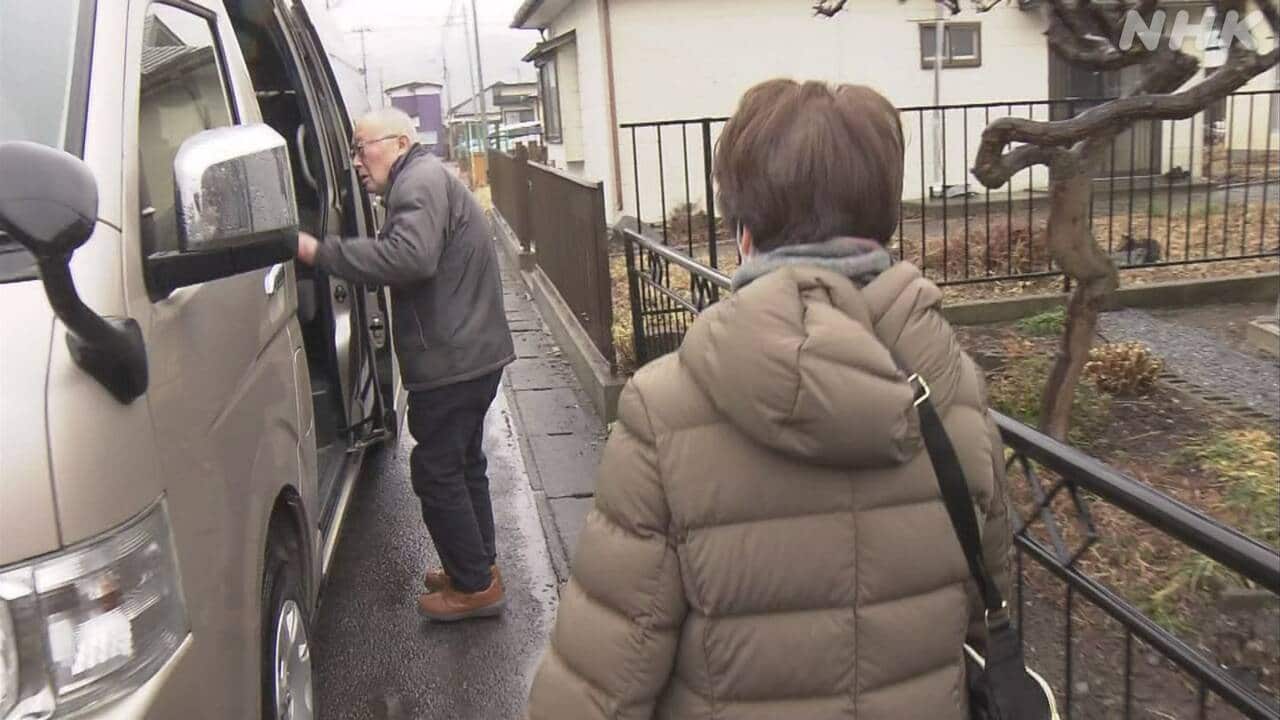
岩手県久慈市に住む晴山勝郎さん(82)と、妻の晴山恵美子さん(75)は去年12月、就寝中に自宅で地震に遭い、同居する息子の車で避難を始めました。
晴山さんの自宅がある地域は津波の浸水想定区域の中にあるため、市が緊急避難場所に指定している「久慈市総合福祉センター」に向かったということです。
勝郎さんは「高齢であることのほか、寒さや夜間であることを考えると、歩くのは無理かなと思い、車で避難することにした」と話していました。
しかし、自宅を出発して避難場所に続く道路に出たところ、多くの車の列に巻き込まれ、途中、完全に車が止まってしまう瞬間もあったということです。
晴山さんの自宅から避難場所までは通常であれば車で3分ほどですが、この時は20分以上かかって到着したといいます。
恵美子さんは「2、3メートル進むとすぐ止まる、ということを繰り返していた」と当時を振り返ったうえで、発進と停止を繰り返したことで体調が悪くなったということです。
また、勝郎さんは「当日の混雑状態を見ると歩いて避難したほうがよかったのかなと思いましたが、重い荷物を持って坂をのぼるのは大変なので、車を使わざるを得なかった」と話していました。
岩手県久慈市の「久慈市総合福祉センター」に続く道路で発生した渋滞に、避難所の開設作業にあたった市の社会福祉協議会の職員1人が巻き込まれ、到着が遅れていたことが市への取材でわかりました。
この職員は通常であれば自宅から7、8分で到着するところ、40分ほどかかったということです。
別の職員が渋滞が発生するより前に到着できたため、避難所の開設に遅れなどの影響はなかったということです。
久慈市社会福祉協議会総務企画室の室長は今後の対応について、「遠方に住む職員もいることから車を使って向かわざるをえないのが現状だ。私たちは施設を開ける役割を担っているので、渋滞に巻き込まれる前に施設に到着できるようにするしかない」と話していました。
こうした事態を受け避難のあり方を見直していないか、NHKは津波の浸水想定区域内に位置することから法律で「避難確保計画」の作成が義務づけられている久慈市内の26か所の高齢者施設を取材しました。
その結果、少なくとも8か所の施設で見直しや再検討が進められていることがわかりました。
具体的には、渋滞の発生を踏まえて別の避難経路を検討したり、地震が発生してからの対応を時系列で整理したりしている施設がありました。
一方、施設の中には車による避難が利用者の心身に与える影響や、避難先でケアを十分に行えるかどうかを懸念している所もあり、対応に苦慮している状況もうかがえました。
岩手県久慈市長内町にあるデイサービスの施設には、80代から100歳代の15人ほどの利用者がいます。
去年12月の地震で津波警報が発表された際は深夜だったことから利用者はいませんでしたが、その4日後の地震で津波注意報が発表された際は、施設内に利用者とスタッフ合わせて20人がいて、施設では「避難確保計画」に沿って、市が指定している緊急避難場所の「久慈市総合運動場」へ6台の車に乗り合わせて避難しました。
施設長の大鹿糠 創さんによりますと、利用者は比較的落ち着いた様子でしたが、運動場の施設内のトイレが和式で、車いすの利用者の介助が難しかったということです。
こうしたことから、今後はより使いやすいトイレがあり避難所にも指定されている「久慈市総合福祉センター」への避難を検討したものの、青森県東方沖の地震で津波警報が発表された際には、この施設につながる道路が渋滞していたことを知ったということです。
このため計画をさらに見直し、津波注意報が発表された際には原則として「久慈市総合福祉センター」に避難をし、津波警報が発表された際には、渋滞の懸念が少ないとみられる「久慈市総合運動場」に避難することにしました。
また、避難にあたっては簡易トイレと目隠し用のテントなどを持参することも決めたということです。
大鹿糠 創 施設長「避難先をどこにするのかというところは迷うが、まずはやはり命を守る行動が第一なので、そこも基準として選択基準を作った」
岩手県沿岸の自治体のうち陸前高田市は、東日本大震災の津波で中心部が壊滅的な被害を受け、車で避難している最中に犠牲になった人もいました。
これを受け市は地域防災計画の中で避難は「原則徒歩」と定めていますが、徒歩での避難が難しく、逃げきれない高齢者などが出てくる可能性があると懸念しています。
そこで、車による避難も含めた新たな津波避難計画の策定に向けて、本格的な検討を始めています。
市は3年前から専門家とともに自動車を使った避難の有効性を検討していて、大学の協力を得て車避難のシミュレーションを実施しています。
時間帯や交通量、車の速度を細かく設定し、災害で状況が変化した際には自動車による避難でどのようなリスクが起こりうるのかを分析したということです。
これまでの分析で、海沿いの「狭い道」は車道と歩道が分かれていないため車が歩行者を追い越せず、車による避難は徒歩よりもかえって時間がかかる可能性があることがわかったということです。
陸前高田市は、どの場合ならば車で安全に避難できるのか、さらに分析を進めるとともに、住民の意見を聞きながら新しい避難計画を策定することにしています。
陸前高田市防災局 中村吉雄 局長「それぞれの地域ごとにどれほどの交通量であれば車避難を容認できるのか、一番安全に避難できる方法を科学的に検証している。車であっても、徒歩であっても、市民の皆さんが安全に素早く逃げられる方法を考えることが一番重要だ」
盛岡放送局 記者齋藤貴浩2021年入局宇都宮局、足利支局を経て、2025年8月から現所属。宮城県石巻市出身で15年前は小学6年生。ふるさとが津波にのみこまれたのを目の当たりにし、報道の道を志しました。岩手・東北の今を伝え続けます。
岩手県は津波からの避難について「原則徒歩」と定めていますが、高齢者や障害がある人たちが徒歩で避難することには難しさが伴うのも事実です。避難の課題に向き合う現場を取材しました。
巨大地震、大津波、そして原発事故。未曽有の複合災害から15年。被災地域にあるNHKの放送局などが取材した東日本大震災・原発事故関連のニュースを集めました。
去年12月に発生した青森県東方沖を震源とするマグニチュード7.5の地震では、岩手県の沿岸などに津波警報が発表されました。
この際、久慈市の道路では、車による避難に伴って避難所までの道のりの一部で最大1キロほどの渋滞が発生しました。
岩手県久慈市に住む晴山勝郎さん(82)と、妻の晴山恵美子さん(75)は去年12月、就寝中に自宅で地震に遭い、同居する息子の車で避難を始めました。
晴山さんの自宅がある地域は津波の浸水想定区域の中にあるため、市が緊急避難場所に指定している「久慈市総合福祉センター」に向かったということです。
勝郎さんは「高齢であることのほか、寒さや夜間であることを考えると、歩くのは無理かなと思い、車で避難することにした」と話していました。
しかし、自宅を出発して避難場所に続く道路に出たところ、多くの車の列に巻き込まれ、途中、完全に車が止まってしまう瞬間もあったということです。
晴山さんの自宅から避難場所までは通常であれば車で3分ほどですが、この時は20分以上かかって到着したといいます。
恵美子さんは「2、3メートル進むとすぐ止まる、ということを繰り返していた」と当時を振り返ったうえで、発進と停止を繰り返したことで体調が悪くなったということです。
また、勝郎さんは「当日の混雑状態を見ると歩いて避難したほうがよかったのかなと思いましたが、重い荷物を持って坂をのぼるのは大変なので、車を使わざるを得なかった」と話していました。
岩手県久慈市の「久慈市総合福祉センター」に続く道路で発生した渋滞に、避難所の開設作業にあたった市の社会福祉協議会の職員1人が巻き込まれ、到着が遅れていたことが市への取材でわかりました。
この職員は通常であれば自宅から7、8分で到着するところ、40分ほどかかったということです。
別の職員が渋滞が発生するより前に到着できたため、避難所の開設に遅れなどの影響はなかったということです。
久慈市社会福祉協議会総務企画室の室長は今後の対応について、「遠方に住む職員もいることから車を使って向かわざるをえないのが現状だ。私たちは施設を開ける役割を担っているので、渋滞に巻き込まれる前に施設に到着できるようにするしかない」と話していました。
こうした事態を受け避難のあり方を見直していないか、NHKは津波の浸水想定区域内に位置することから法律で「避難確保計画」の作成が義務づけられている久慈市内の26か所の高齢者施設を取材しました。
その結果、少なくとも8か所の施設で見直しや再検討が進められていることがわかりました。
具体的には、渋滞の発生を踏まえて別の避難経路を検討したり、地震が発生してからの対応を時系列で整理したりしている施設がありました。
一方、施設の中には車による避難が利用者の心身に与える影響や、避難先でケアを十分に行えるかどうかを懸念している所もあり、対応に苦慮している状況もうかがえました。
岩手県久慈市長内町にあるデイサービスの施設には、80代から100歳代の15人ほどの利用者がいます。
去年12月の地震で津波警報が発表された際は深夜だったことから利用者はいませんでしたが、その4日後の地震で津波注意報が発表された際は、施設内に利用者とスタッフ合わせて20人がいて、施設では「避難確保計画」に沿って、市が指定している緊急避難場所の「久慈市総合運動場」へ6台の車に乗り合わせて避難しました。
施設長の大鹿糠 創さんによりますと、利用者は比較的落ち着いた様子でしたが、運動場の施設内のトイレが和式で、車いすの利用者の介助が難しかったということです。
こうしたことから、今後はより使いやすいトイレがあり避難所にも指定されている「久慈市総合福祉センター」への避難を検討したものの、青森県東方沖の地震で津波警報が発表された際には、この施設につながる道路が渋滞していたことを知ったということです。
このため計画をさらに見直し、津波注意報が発表された際には原則として「久慈市総合福祉センター」に避難をし、津波警報が発表された際には、渋滞の懸念が少ないとみられる「久慈市総合運動場」に避難することにしました。
また、避難にあたっては簡易トイレと目隠し用のテントなどを持参することも決めたということです。
大鹿糠 創 施設長「避難先をどこにするのかというところは迷うが、まずはやはり命を守る行動が第一なので、そこも基準として選択基準を作った」
岩手県沿岸の自治体のうち陸前高田市は、東日本大震災の津波で中心部が壊滅的な被害を受け、車で避難している最中に犠牲になった人もいました。
これを受け市は地域防災計画の中で避難は「原則徒歩」と定めていますが、徒歩での避難が難しく、逃げきれない高齢者などが出てくる可能性があると懸念しています。
そこで、車による避難も含めた新たな津波避難計画の策定に向けて、本格的な検討を始めています。
市は3年前から専門家とともに自動車を使った避難の有効性を検討していて、大学の協力を得て車避難のシミュレーションを実施しています。
時間帯や交通量、車の速度を細かく設定し、災害で状況が変化した際には自動車による避難でどのようなリスクが起こりうるのかを分析したということです。
これまでの分析で、海沿いの「狭い道」は車道と歩道が分かれていないため車が歩行者を追い越せず、車による避難は徒歩よりもかえって時間がかかる可能性があることがわかったということです。
陸前高田市は、どの場合ならば車で安全に避難できるのか、さらに分析を進めるとともに、住民の意見を聞きながら新しい避難計画を策定することにしています。
陸前高田市防災局 中村吉雄 局長「それぞれの地域ごとにどれほどの交通量であれば車避難を容認できるのか、一番安全に避難できる方法を科学的に検証している。車であっても、徒歩であっても、市民の皆さんが安全に素早く逃げられる方法を考えることが一番重要だ」
盛岡放送局 記者齋藤貴浩2021年入局宇都宮局、足利支局を経て、2025年8月から現所属。宮城県石巻市出身で15年前は小学6年生。ふるさとが津波にのみこまれたのを目の当たりにし、報道の道を志しました。岩手・東北の今を伝え続けます。
Vocabulary
General
Proper noun
JLPT N2
JLPT N1
| # | 言葉 | 意味 |
|---|---|---|
| 33 | 避難 | ひなん (避難) : taking refuge; finding shelter; evacuation; escape; seeking safe haven |
| 11 | 久慈市 | くじし (久慈市) : Kuji (city) (place) |
| 8 | 津波 | つなみ (津波) : tsunami; tidal wave |
| 8 | 施設 | しせつ (施設) : 1. institution; establishment; facility 2. home (for elderly, orphans, etc.) |
| 7 | 徒歩 | とほ (徒歩) : walking; going on foot |
| 7 | 際 | きわ (際) : 1. edge; brink; verge; side 2. time; moment of |
| 7 | 渋滞 | じゅうたい (渋滞) : congestion (e.g. traffic); delay; stagnation |
| 6 | 岩手県 | いわてけん (岩手県) : Iwate prefecture (Tōhoku area) |
| 6 | 発生 | はっせい (発生) : 1. outbreak; spring forth; occurrence; incidence 2. generation (e.g. of power or heat); genesis; origin |
| 6 | 発表 | はっぴょう (発表) : announcement; publication; presenting; statement; communique; making known; breaking (news story); expressing (one's opinion); releasing; unveiling |
| 6 | 利用者 | りようしゃ (利用者) : user; end-user; consumer |
| 5 | 自宅 | じたく (自宅) : one's home; one's house |
| 5 | 到着 | とうちゃく (到着) : arrival |
| 4 | 巻き込む | まきこむ (巻き込む) : 1. to roll up; to enfold; to swallow up 2. to involve; to drag into |
| 4 | 取材 | しゅざい (取材) : 1. news coverage; collecting data (e.g. for an article); covering (something for media) 2. interview |
| 4 | 地域 | ちいき (地域) : area; region |
| 4 | 津波警報 | つなみけいほう (津波警報) : tsunami warning |
| 4 | 道路 | どうろ (道路) : road; highway |
| 4 | 晴山 | せいざん (晴山) : Seizan (given) |
| 4 | 総合 | そうごう (総合) : 1. synthesis; coordination; putting together; integration; composite 2. comprehensive |
| 4 | 福祉 | ふくし (福祉) : welfare; well-being; social welfare; social security; social service |
| 4 | 職員 | しょくいん (職員) : staff member; personnel |
| 4 | 検討 | けんとう (検討) : consideration; examination; investigation; study; scrutiny; discussion; analysis; review |
| 3 | 東日本大震災 | ひがしにほんだいしんさい (東日本大震災) : Great East Japan earthquake (March 11, 2011); Tōhoku earthquake; Tohoku earthquake; Sendai earthquake |
| 3 | 原則 | げんそく (原則) : 1. principle; general rule 2. as a rule; in principle; in general |
| 3 | 勝郎 | かつお (勝郎) : Katsuo (given) |
| 3 | 指定 | してい (指定) : designation; specification; assignment; appointment; pointing at |
| 3 | わかる | わかる (分かる) : 1. to understand; to comprehend; to grasp; to see; to get; to follow 2. to become clear; to be known; to be discovered; to be realized; to be realised; to be found out |
| 3 | 対応 | たいおう (対応) : 1. correspondence (to); equivalence 2. suitability; coordination; matching; being appropriate (for) |
| 3 | 懸念 | けねん (懸念) : worry; fear; anxiety; concern |
| 3 | 陸前高田市 | りくぜんたかたし (陸前高田市) : Rikuzentakata (city) (place) |
| 3 | 分析 | ぶんせき (分析) : analysis |
| 2 | 最中 | さいちゅう (最中) : (in) the middle of; (in) the midst of; (in) the course of; (at) the height of |
| 2 | 命 | いのち (命) : 1. life; life force 2. lifetime; lifespan |
| 2 | 定める | さだめる (定める) : 1. to decide; to determine 2. to establish; to lay down; to prescribe; to provide; to stipulate |
| 2 | 高齢者 | こうれいしゃ (高齢者) : old person; old people |
| 2 | 伴う | ともなう (伴う) : 1. to accompany; to go hand in hand with; to be consequent upon 2. to be accompanied by; to bring with; to take with; to be involved in |
| 2 | 原発事故 | げんぱつじこ (原発事故) : nuclear power plant accident; nuclear accident |
| 2 | 災害 | さいがい (災害) : calamity; disaster; misfortune |
| 2 | 放送局 | ほうそうきょく (放送局) : broadcasting station; broadcaster |
| 2 | 青森県 | あおもりけん (青森県) : Aomori prefecture (Tōhoku area) |
| 2 | 東方 | とうほう (東方) : 1. eastern direction 2. the Orient |
| 2 | 沖 | おき (沖) : 1. open sea 2. Okinawa |
| 2 | 沿岸 | えんがん (沿岸) : coast; shore; littoral |
| 2 | 恵美子 | いみこ (恵美子) : Imiko (fem) |
| 2 | 浸水 | しんすい (浸水) : inundation; submersion; flood |
| 2 | 想定 | そうてい (想定) : hypothesis; supposition; assumption |
| 2 | 区域 | くいき (区域) : 1. limits; boundary; domain; zone; sphere; territory 2. area (e.g. in programming languages) |
| 2 | 緊急避難 | きんきゅうひなん (緊急避難) : emergency evacuation |
| 2 | 場所 | ばしょ (場所) : 1. place; location; spot; position 2. room; space |
| 2 | 向かう | むかう (向かう) : 1. to face 2. to go towards; to head towards |
| 2 | 避難場所 | ひなんばしょ (避難場所) : evacuation site; exposure; refuge shelter; shelter |
| 2 | 通常 | つうじょう (通常) : usual; ordinary; normal; regular; general; common |
| 2 | 繰り返す | くりかえす (繰り返す) : to repeat; to do something over again |
| 2 | 開設 | かいせつ (開設) : establishment; opening; setting up; inauguration |
| 2 | あたる | あたる (当たる) : 1. to be hit; to strike 2. to touch; to be in contact; to be affixed |
| 2 | 社会福祉協議会 | しゃかいふくしきょうぎかい (社会福祉協議会) : Japanese Council of Social Welfare (organization) |
| 2 | 影響 | えいきょう (影響) : 1. influence; effect 2. to influence; to affect; to have an influence on; to impact; to have an effect on |
| 2 | 今後 | こんご (今後) : from now on; hereafter |
| 2 | 確保 | かくほ (確保) : 1. securing; obtaining; ensuring; guarantee; maintaining 2. belay; belaying |
| 2 | か所 | かしょ (箇所) : 1. place; point; part; spot; area; passage; portion 2. counter for places, parts, passages, etc. |
| 2 | 見直し | みなおし (見直し) : review; reconsideration; revision |
| 2 | 進める | すすめる (進める) : 1. to advance; to move forward; to put (a clock, watch) forward 2. to carry forward (plans, work, etc.); to proceed with; to make progress in; to further; to advance; to hasten; to speed up |
| 2 | 避難先 | ひなんさき (避難先) : place of refuge; refugee destination |
| 2 | 状況 | じょうきょう (状況) : state of affairs (around you); situation; circumstances |
| 2 | 津波注意報 | つなみちゅういほう (津波注意報) : tsunami advisory |
| 2 | 総合運動場 | そうこううんどうじょう (総合運動場) : Soukouundoujou (place) |
| 2 | 大鹿糠 | おおかぬか (大鹿糠) : Ookanuka (surname) |
| 2 | 基準 | きじゅん (基準) : standard; basis; criterion; norm; reference; datum |
| 2 | 防災 | ぼうさい (防災) : disaster preparedness; prevention of damage resulting from a natural disaster; protection against disaster |
| 2 | 逃げる | にげる (逃げる) : to escape; to run away |
| 2 | 可能性 | かのうせい (可能性) : potentiality; likelihood; possibility; availability |
| 2 | 策定 | さくてい (策定) : formulation (of a plan, policy, etc.); decision; settling on |
| 2 | 交通量 | こうつうりょう (交通量) : traffic; traffic volume |
| 2 | 局 | きょく (局) : 1. bureau; department 2. office (e.g. post, telephone); broadcasting station (e.g. television, radio); channel; exchange |
| 2 | 一番 | いちばん (一番) : 1. number one; first; first place 2. best; most |
| 2 | 方法 | ほうほう (方法) : method; process; manner; way; means; technique |
| 1 | 落とす | おとす (落とす) : 1. to drop; to lose; to let fall; to shed (light); to cast (one's gaze); to pour in (liquid); to leave behind 2. to clean off (dirt, makeup, paint, etc.); to remove (e.g. stains or facial hair); to lose; to spend money at a certain place; to omit; to leave out; to secretly let escape |
| 1 | 障害 | しょうがい (障害) : 1. obstacle; impediment; hindrance; difficulty; barrier 2. handicap; impairment; disability; disorder; malfunction |
| 1 | 難しさ | むずかしさ (難しさ) : (degree of) difficulty |
| 1 | 事実 | じじつ (事実) : fact; truth; reality |
| 1 | 課題 | かだい (課題) : 1. subject; theme; issue; matter 2. homework; assignment |
| 1 | 向き合う | むきあう (向き合う) : 1. to be opposite; to face each other 2. to confront (an issue); to face |
| 1 | 現場 | げんば (現場) : 1. actual spot; scene; scene of the crime; site; location; setting 2. shop floor; factory floor; (on) site |
| 1 | 巨大地震 | きょだいじしん (巨大地震) : massive earthquake; megaquake |
| 1 | 大津波 | おおつなみ (大津波) : giant tsunami; giant tidal wave |
| 1 | 未曽有 | みぞう (未曾有) : unprecedented; unheard-of; record-breaking |
| 1 | 複合 | ふくごう (複合) : composite; combined; complex |
| 1 | 被災 | ひさい (被災) : being a victim of (some disaster); suffering from |
| 1 | 関連 | かんれん (関連) : relation; connection; relevance |
| 1 | 集める | あつめる (集める) : to collect; to assemble; to gather |
| 1 | 震源 | しんげん (震源) : hypocentre (of an earthquake); hypocenter |
| 1 | 道のり | みちのり (道のり) : 1. distance; journey; itinerary 2. path (e.g. to one's goal); way; process; route; road |
| 1 | 一部 | いちぶ (一部) : 1. one part; one portion; one section; some 2. one copy (e.g. of a document) |
| 1 | 最大 | さいだい (最大) : biggest; greatest; largest; maximum |
| 1 | 就寝 | しゅうしん (就寝) : going to bed; retiring (for the night) |
| 1 | 遭う | あう (会う) : 1. to meet; to encounter; to see 2. to have an accident; to have a bad experience |
| 1 | 同居 | どうきょ (同居) : coexistence; living together |
| 1 | 高齢 | こうれい (高齢) : advanced age; old age |
| 1 | 寒さ | さむさ (寒さ) : coldness |
| 1 | 夜間 | やかん (夜間) : night; nighttime |
| 1 | 列 | れつ (列) : 1. row; line; file; column; queue; rank; procession 2. company (of someone); group; ranks |
| 1 | 完全 | かんぜん (完全) : perfect; complete |
| 1 | 止まる | とまる (止まる) : 1. to stop (moving); to come to a stop 2. to stop (doing, working, being supplied); to come to a halt; to cease; to be stopped; to be suspended |
| 1 | 瞬間 | しゅんかん (瞬間) : moment; second; instant |
| 1 | 当時 | とうじ (当時) : at that time; in those days |
| 1 | 振り返る | ふりかえる (振り返る) : 1. to turn one's head; to look over one's shoulder; to turn around; to look back 2. to think back (on); to reminisce; to look back (on); to reflect (on) |
| 1 | 発進 | はっしん (発進) : departure; takeoff |
| 1 | 停止 | ていし (停止) : 1. stoppage; coming to a stop; halt; standstill 2. ceasing (movement, activity, etc.); suspension (of operations); interruption (e.g. of electricity supply); cutting off |
| 1 | 体調 | たいちょう (体調) : physical condition; state of health |
| 1 | 当日 | とうじつ (当日) : day in question; appointed day; that very day; the day (of issue, publication, etc.) |
| 1 | 混雑 | こんざつ (混雑) : 1. congestion; crush; crowding; jam 2. confusion; disorder |
| 1 | 状態 | じょうたい (状態) : state; condition; situation; appearance; circumstances |
| 1 | 歩く | あるく (歩く) : to walk |
| 1 | 持つ | もつ (持つ) : 1. to hold (in one's hand); to take; to carry 2. to possess; to have; to own |
| 1 | 大変 | たいへん (大変) : 1. very; greatly; terribly; awfully 2. immense; enormous; great |
| 1 | 作業 | さぎょう (作業) : work; operation; manufacturing; fatigue duty |
| 1 | 遅れ | おくれ (遅れ) : delay; lag; postponement; falling behind |
| 1 | 総務 | そうむ (総務) : general affairs; general business; manager; director; adjutant general |
| 1 | 企画 | きかく (企画) : planning; project; plan; design |
| 1 | 室長 | しつちょう (室長) : section chief; laboratory manager; office head; room monitor |
| 1 | 遠方 | えんぽう (遠方) : long way; distant place |
| 1 | 現状 | げんじょう (現状) : present condition; existing state; status quo; current state |
| 1 | 私たち | わたしたち (私たち) : we; us |
| 1 | 役割 | やくわり (役割) : part; assigning (allotment of) parts; role; duties |
| 1 | 担う | になう (担う) : 1. to carry on one's shoulder; to shoulder; to bear 2. to bear (burden, responsibility, etc.); to take upon oneself |
| 1 | 事態 | じたい (事態) : situation; (present) state of affairs; circumstances |
| 1 | あり方 | ありかた (あり方) : 1. the way something ought to be 2. the (current) state of things; how things are |
| 1 | 見直す | みなおす (見直す) : 1. to look at again 2. to re-examine (policy, estimate, plan, etc.); to review |
| 1 | 位置 | いち (位置) : place; situation; position; location |
| 1 | 作成 | さくせい (作成) : drawing up (e.g. legal document, contract, will, etc.); preparing; writing; framing; making; producing; creating; creation |
| 1 | 義務 | ぎむ (義務) : duty; obligation; responsibility |
| 1 | 久慈 | くし (久慈) : Kushi (surname) |
| 1 | 結果 | けっか (結果) : 1. result; consequence; outcome; effect 2. coming to fruition; bearing fruit |
| 1 | 再検討 | さいけんとう (再検討) : re-examination; review; reconsideration; reappraisal |
| 1 | 具体的 | ぐたいてき (具体的) : concrete; definite; specific; material; substantial |
| 1 | 踏まえる | ふまえる (踏まえる) : 1. to be based on; to take into account; to build upon; to have origin in 2. to have one's feet firmly planted on; to plant oneself on |
| 1 | 避難経路 | ひなんけいろ (避難経路) : escape route; evacuation route |
| 1 | 時系列 | じけいれつ (時系列) : chronological order; time series |
| 1 | 整理 | せいり (整理) : 1. sorting; arrangement; organization; putting in order; adjustment; regulation 2. liquidation; settlement; consolidation; clearance (e.g. debt); paying off |
| 1 | 心身 | しんしん (心身) : mind and body |
| 1 | 与える | あたえる (与える) : 1. to give (esp. to someone of lower status); to bestow; to grant; to confer; to present; to award 2. to provide; to afford; to offer; to supply |
| 1 | 苦慮 | くりょ (苦慮) : racking one's brains; worrying oneself; being anxious |
| 1 | 長内町 | おさないちょう (長内町) : Osanaichō (place) |
| 1 | 深夜 | しんや (深夜) : late at night |
| 1 | 合わせる | あわせる (合わせる) : 1. to match (rhythm, speed, etc.) 2. to join together; to unite; to combine; to add up |
| 1 | 沿う | そう (沿う) : 1. to run along; to run beside; to stick to (a line) 2. to follow (a policy, plan, etc.); to act in accordance with; to align with |
| 1 | 乗り合わせる | のりあわせる (乗り合わせる) : to happen to ride together; to share a vehicle; to (operate a) carpool |
| 1 | 比較的 | ひかくてき (比較的) : comparatively; relatively |
| 1 | 落ち着く | おちつく (落ち着く) : 1. to calm down; to compose oneself; to regain presence of mind 2. to calm down; to settle down; to die down; to become stable; to abate |
| 1 | 様子 | ようす (様子) : 1. state; state of affairs; situation; circumstances 2. appearance; look; aspect |
| 1 | 運動場 | うんどうじょう (運動場) : sports ground; playing field; playground |
| 1 | 和式 | わしき (和式) : Japanese-style (esp. in reference to squat toilets) |
| 1 | 車いす | くるまいす (車椅子) : wheelchair; folding push-chair |
| 1 | 介助 | かいじょ (介助) : help; assistance; aid |
| 1 | つながる | つながる (繋がる) : 1. to be tied together; to be connected to; to be linked to 2. to lead to; to be related to |
| 1 | 知る | しる (知る) : 1. to be aware of; to know; to be conscious of; to cognize; to cognise 2. to notice; to feel |
| 1 | 簡易 | かんい (簡易) : simplicity; convenience; easiness; quasi- |
| 1 | 目隠し | めかくし (目隠し) : 1. something used to cover the eyes; blindfold; blinder; blinker; eye bandage 2. concealing one's home such that the interior cannot be seen from outside |
| 1 | 持参 | じさん (持参) : bringing; taking; carrying |
| 1 | 決める | きめる (決める) : 1. to decide; to choose; to determine; to make up one's mind; to resolve; to set one's heart on; to settle; to arrange; to set; to appoint; to fix 2. to clinch (a victory); to decide (the outcome of a match) |
| 1 | 迷う | まよう (迷う) : 1. to lose one's way; to get lost 2. to waver; to hesitate; to be of two minds over; to be puzzled; to be perplexed |
| 1 | 守る | まもる (守る) : 1. to protect; to guard; to defend 2. to keep (i.e. a promise); to abide (by the rules); to observe; to obey; to follow |
| 1 | 行動 | こうどう (行動) : action; conduct; behaviour; behavior; mobilization; mobilisation |
| 1 | 第 | だい (第) : prefix for forming ordinal numbers |
| 1 | 選択 | せんたく (選択) : selection; choice; option |
| 1 | 作る | つくる (作る) : 1. to make; to produce; to manufacture; to build; to construct 2. to prepare (food); to brew (alcohol) |
| 1 | 自治体 | じちたい (自治体) : municipality; local government; self-governing body; autonomous body |
| 1 | 中心部 | ちゅうしんぶ (中心部) : central part; heart (of a city) |
| 1 | 壊滅 | かいめつ (壊滅) : destruction; annihilation; devastation; catastrophe |
| 1 | 被害 | ひがい (被害) : (suffering) damage; injury; harm |
| 1 | 犠牲 | ぎせい (犠牲) : 1. sacrifice; victim; scapegoat 2. sacrifice (to the gods) |
| 1 | 計画 | けいかく (計画) : plan; project; schedule; scheme; program; programme |
| 1 | 含める | ふくめる (含める) : 1. to include (in a group or scope) 2. to instruct; to make one understand |
| 1 | 新た | あらた (新た) : new; fresh; novel |
| 1 | 本格的 | ほんかくてき (本格的) : 1. genuine; real; regular; normal; typical; standard; orthodox 2. full-scale; full-blown; all-out |
| 1 | 専門家 | せんもんか (専門家) : specialist; expert; professional; authority; pundit |
| 1 | 有効性 | ゆうこうせい (有効性) : validity; effectiveness |
| 1 | 協力 | きょうりょく (協力) : cooperation; collaboration |
| 1 | 実施 | じっし (実施) : enforcement; implementation; putting into practice; carrying out; operation; working (e.g. working parameters); enactment |
| 1 | 時間帯 | じかんたい (時間帯) : period of time; time slot; time zone |
| 1 | 速度 | そくど (速度) : 1. speed; velocity; pace; rate 2. velocity |
| 1 | 細かく | こまかく (細かく) : minutely; finely |
| 1 | 設定 | せってい (設定) : 1. establishment; creation; posing (a problem); setting (movie, novel, etc.); scene 2. options setting; preference settings; configuration; setup |
| 1 | 変化 | へんか (変化) : 1. change; variation; alteration; mutation; transition; transformation; transfiguration; metamorphosis 2. variety; diversity |
| 1 | 起こる | おこる (起こる) : to occur; to happen |
| 1 | 海沿い | うみぞい (海沿い) : seaside; seashore; coast; coastland |
| 1 | 車道 | しゃどう (車道) : roadway |
| 1 | 歩道 | ほどう (歩道) : footpath; walkway; sidewalk |
| 1 | 分かれる | わかれる (分かれる) : 1. to branch; to fork; to diverge 2. to separate; to split; to divide |
| 1 | 歩行者 | ほこうしゃ (歩行者) : pedestrian; walker |
| 1 | かえって | かえって (却って) : on the contrary; rather; all the more; instead |
| 1 | 住民 | じゅうみん (住民) : inhabitant; resident; citizen; population |
| 1 | 聞く | きく (聞く) : 1. to hear 2. to listen (e.g. to music) |
| 1 | 中村 | おかむら (中村) : Okamura (surname) |
| 1 | 吉雄 | きちお (吉雄) : Kichio (given) |
| 1 | 局長 | きょくちょう (局長) : bureau director; office chief |
| 1 | ごと | ごと (毎) : each; every |
| 1 | 容認 | ようにん (容認) : approval |
| 1 | 科学的 | かがくてき (科学的) : scientific |
| 1 | 検証 | けんしょう (検証) : verification; inspection |
| 1 | 重要 | じゅうよう (重要) : important; momentous; essential; principal; major |
| 1 | 盛岡 | もりおか (盛岡) : Morioka (city in Iwate) |
| 1 | 記者 | きしゃ (記者) : reporter; journalist |
| 1 | 齋藤 | かんどう (齋藤) : Kandou (surname) |
| 1 | 貴浩 | たかひろ (貴浩) : Takahiro (given) |
| 1 | 宇都宮 | うつのみや (宇都宮) : Utsunomiya (city in Tochigi) |
| 1 | 足利 | あしかか (足利) : Ashikaka (surname) |
| 1 | 支局 | しきょく (支局) : branch office |
| 1 | 経る | へる (経る) : 1. to pass; to elapse; to go by 2. to pass through; to go through |
| 1 | 現 | うつつ (現つ) : reality; consciousness |
| 1 | 所属 | しょぞく (所属) : belonging to (a group, organization, etc.); affiliation (with); being attached to; being under the control of |
| 1 | 宮城県 | みやぎけん (宮城県) : Miyagi prefecture (Tōhoku area) |
| 1 | 石巻市 | いしのまきし (石巻市) : Ishinomaki (city) (place) |
| 1 | 出身 | しゅっしん (出身) : person's origin (e.g. city, country, parentage, school) |
| 1 | 小学 | しょうがく (小学) : 1. elementary school; primary school; grade school 2. school for children over eight years old in ancient China |
| 1 | 年生 | ねんせい (年生) : pupil in ... year; student in ... year |
| 1 | ふるさと | ふるさと (故郷) : 1. home town; birthplace; native place; one's old home 2. ruins; historic remains |
| 1 | のみこむ | のみこむ (飲み込む) : 1. to gulp down; to swallow deeply 2. to understand; to take in; to catch on to; to learn; to digest |
| 1 | 目の当たり | まのあたり (目の当たり) : just before one's eyes; in one's presence; personally |
| 1 | 報道 | ほうどう (報道) : report (of news); reporting; news; information; (media) coverage |
| 1 | 志す | こころざす (志す) : to plan; to intend; to aspire to; to set aims (sights on) |
| 1 | 岩手 | いわて (岩手) : Iwate (prefecture) |
| 1 | 東北 | とうほく (東北) : 1. north-east 2. Tōhoku (northernmost six prefectures of Honshu); Tohoku |
| 1 | 伝える | つたえる (伝える) : to convey; to report; to transmit; to communicate; to tell; to impart; to propagate; to teach; to bequeath |