47年前 国交断絶きっかけの事件 トランプ政権強硬姿勢の背景か
アメリカとイランの戦闘終結に向けた協議が停滞する中、イランへの強硬姿勢を崩さないトランプ大統領。アメリカはこれまでもイランに厳しい姿勢をとり続けてきましたが、その背景の1つと考えられるのが、47年前、両国が国交を断絶するきっかけとなった事件です。
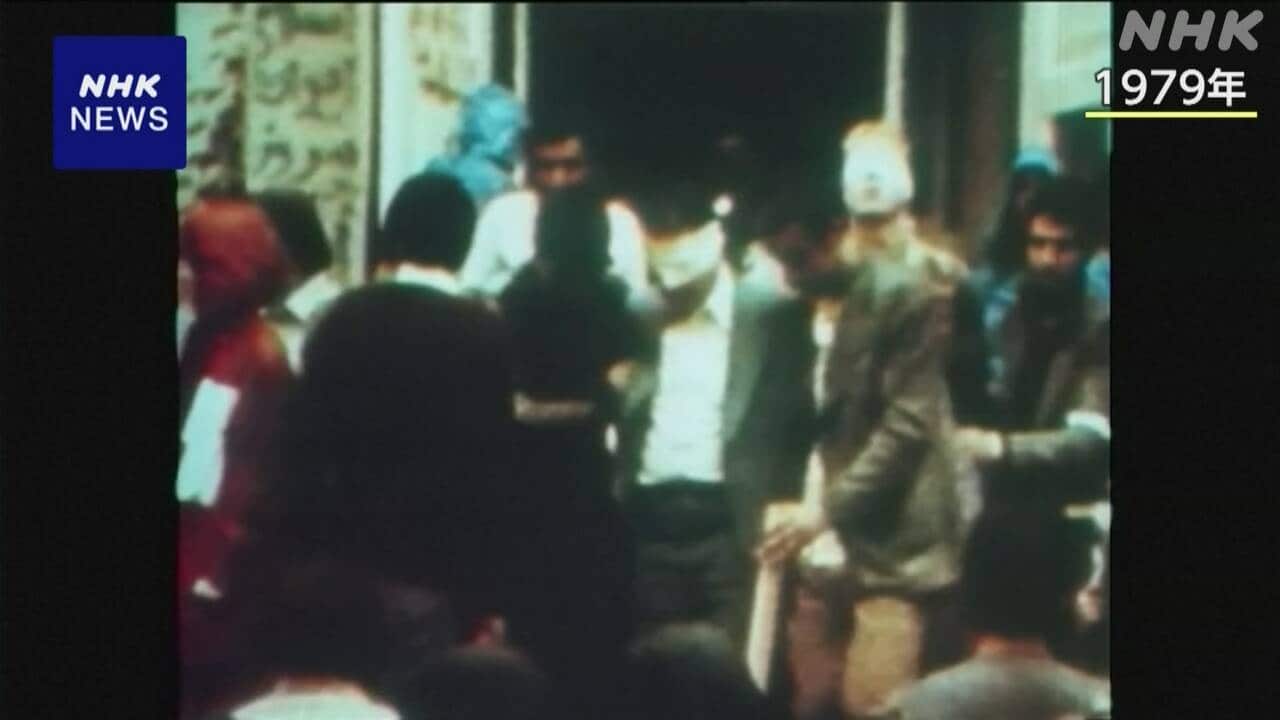
47年前の1979年11月にイランの首都テヘランで起きたアメリカ大使館占拠事件は、両国が国交を断絶するきっかけとなった事件です。
イランではその年、大使館占拠事件に先立って経済格差などに不満を募らせた民衆によるデモで親米のパーレビ王政が打倒され、ホメイニ師を最高指導者とするイラン・イスラム共和国が樹立されました。
このイスラム革命によって、国を追われた当時のパーレビ国王はその年の10月に病気の治療のためだとしてアメリカに入国したため、イランではパーレビ国王の引き渡しを求める声が強まりました。
そして11月4日、イランの学生グループが首都テヘランにあるアメリカ大使館の門などを乗り越えて突入し、外交官らを人質にとり大使館を占拠しました。
人質の拘束は444日にわたって続き、1981年1月になって最終的に52人の人質が解放されました。
この間、アメリカ軍は救出作戦を試みたものの失敗し8人の兵士が犠牲になり、当時のカーター政権に対するアメリカ国民の不満が高まり、カーター大統領は大統領選挙で再選を果たせませんでした。
トランプ大統領自身も「47年間にわたってイランの体制は『アメリカに死を』と叫び続けている」とか「47年間、イランは中東の乱暴者だった」などと述べ、イスラム革命やアメリカ大使館占拠事件のあった47年前の1979年を意識した発言を繰り返しています。
また、トランプ大統領は1期目の2020年1月にイランとの緊張が高まった際も大使館占拠事件の人質の数「52」にあわせて、イラン国内の52か所を攻撃目標とすると警告したこともありました。
アメリカ中西部ウィスコンシン州に暮らすケビン・ハーメニングさん(66)は、1979年にイランで起きたアメリカ大使館占拠事件で400日以上人質として拘束された1人です。
ハーメニングさんは当時、海兵隊員で事件が起きる3か月前に大使館の警備担当としてテヘランに赴任しました。
事件が起きた時の様子について当時、大使館の中にいたというハーメニングさんは「その日の朝も大使館周辺でいつものようにデモが起きていたが、突然、イランの人たちが門を突破し、施設を取り囲む壁をよじ登り、建物に侵入しようとした。私たちは直ちにショットガン、ヘルメット、防弾チョッキ、そして催涙ガスを手にとった。そして催涙ガスを使ってデモ隊が建物に入るのをできるだけ遅らせようとした」と振り返りました。
当時、イスラム体制に批判的な人たちとのやりとりなどを含む機密文書が保管されていた大使館への侵入を遅らせることで、文書を処分する時間を確保する必要があったと言います。
みずからは施錠された部屋にいたものの、人質にとられたほかのアメリカ人の同僚の命が脅かされたためハーメニングさんたちも施錠を解除し、武器を置いて人質となったということです。
拘束期間が長期に及んだことについて「当時は若く、自由になるのを待ちきれなかった。私は活発な性格だったが、みずからの意思に反して拘束が続き本当につらかった」と述べています。
その後、400日以上の拘束期間を経て1981年1月にすべての人質が解放され、ハーメニングさんもアメリカに戻りました。
ことし2月にトランプ大統領がイランへの軍事作戦に踏み切ったことについてハーメニングさんは「イラン側が『核兵器を求めない』と言うまで、軍事行動を通じて圧力をかけ続ける姿勢を支持する。恐怖によって国や地域を治めようとするのは問題であり、もはや横暴であることを許してはいけない」と述べ、軍事的な手段も含めてイランへの圧力を継続すべきだと訴えていました。
イランで起きたアメリカ大使館占拠事件は当時、連日メディアで大々的に取り上げられ、テレビの報道でも目隠しされた人質や燃やされるアメリカ国旗の映像が繰り返し放送されました。
戦争やメディアの報道を長年研究しているカリフォルニア大学サンディエゴ校のダニエル・ハリン名誉教授は当時の報道について「事件はアメリカのテレビ報道が24時間中継というモデルに移行していく第一歩だった。拘束されている日数を毎日表示させる番組もあった。そうした演出によってドラマチックに描かれ、この事件は人々の話題の中心となった」と指摘しました。
また「あの事件はアメリカにとって国家的な屈辱として描かれていた。イランの革命後の新たな体制が否定的に描かれ、そのイメージがアメリカ国民に植え付けられた。それは今もなお続いている」と述べ、現在にも続くアメリカ国内のイランへの嫌悪感を作り出したと分析しています。
そのうえでイランへの軍事作戦に踏み切ったトランプ大統領のねらいについて「彼は注目をあびることを好むし、タフだというみずからのイメージを保ちたいと考えている。英雄のようにみえる機会だと捉えたのだと思う」と述べ、イランへ強硬姿勢を示すことが政治的に有利になるとの思惑があったとの見方を示しました。
47年前の1979年11月にイランの首都テヘランで起きたアメリカ大使館占拠事件は、両国が国交を断絶するきっかけとなった事件です。
イランではその年、大使館占拠事件に先立って経済格差などに不満を募らせた民衆によるデモで親米のパーレビ王政が打倒され、ホメイニ師を最高指導者とするイラン・イスラム共和国が樹立されました。
このイスラム革命によって、国を追われた当時のパーレビ国王はその年の10月に病気の治療のためだとしてアメリカに入国したため、イランではパーレビ国王の引き渡しを求める声が強まりました。
そして11月4日、イランの学生グループが首都テヘランにあるアメリカ大使館の門などを乗り越えて突入し、外交官らを人質にとり大使館を占拠しました。
人質の拘束は444日にわたって続き、1981年1月になって最終的に52人の人質が解放されました。
この間、アメリカ軍は救出作戦を試みたものの失敗し8人の兵士が犠牲になり、当時のカーター政権に対するアメリカ国民の不満が高まり、カーター大統領は大統領選挙で再選を果たせませんでした。
トランプ大統領自身も「47年間にわたってイランの体制は『アメリカに死を』と叫び続けている」とか「47年間、イランは中東の乱暴者だった」などと述べ、イスラム革命やアメリカ大使館占拠事件のあった47年前の1979年を意識した発言を繰り返しています。
また、トランプ大統領は1期目の2020年1月にイランとの緊張が高まった際も大使館占拠事件の人質の数「52」にあわせて、イラン国内の52か所を攻撃目標とすると警告したこともありました。
アメリカ中西部ウィスコンシン州に暮らすケビン・ハーメニングさん(66)は、1979年にイランで起きたアメリカ大使館占拠事件で400日以上人質として拘束された1人です。
ハーメニングさんは当時、海兵隊員で事件が起きる3か月前に大使館の警備担当としてテヘランに赴任しました。
事件が起きた時の様子について当時、大使館の中にいたというハーメニングさんは「その日の朝も大使館周辺でいつものようにデモが起きていたが、突然、イランの人たちが門を突破し、施設を取り囲む壁をよじ登り、建物に侵入しようとした。私たちは直ちにショットガン、ヘルメット、防弾チョッキ、そして催涙ガスを手にとった。そして催涙ガスを使ってデモ隊が建物に入るのをできるだけ遅らせようとした」と振り返りました。
当時、イスラム体制に批判的な人たちとのやりとりなどを含む機密文書が保管されていた大使館への侵入を遅らせることで、文書を処分する時間を確保する必要があったと言います。
みずからは施錠された部屋にいたものの、人質にとられたほかのアメリカ人の同僚の命が脅かされたためハーメニングさんたちも施錠を解除し、武器を置いて人質となったということです。
拘束期間が長期に及んだことについて「当時は若く、自由になるのを待ちきれなかった。私は活発な性格だったが、みずからの意思に反して拘束が続き本当につらかった」と述べています。
その後、400日以上の拘束期間を経て1981年1月にすべての人質が解放され、ハーメニングさんもアメリカに戻りました。
ことし2月にトランプ大統領がイランへの軍事作戦に踏み切ったことについてハーメニングさんは「イラン側が『核兵器を求めない』と言うまで、軍事行動を通じて圧力をかけ続ける姿勢を支持する。恐怖によって国や地域を治めようとするのは問題であり、もはや横暴であることを許してはいけない」と述べ、軍事的な手段も含めてイランへの圧力を継続すべきだと訴えていました。
イランで起きたアメリカ大使館占拠事件は当時、連日メディアで大々的に取り上げられ、テレビの報道でも目隠しされた人質や燃やされるアメリカ国旗の映像が繰り返し放送されました。
戦争やメディアの報道を長年研究しているカリフォルニア大学サンディエゴ校のダニエル・ハリン名誉教授は当時の報道について「事件はアメリカのテレビ報道が24時間中継というモデルに移行していく第一歩だった。拘束されている日数を毎日表示させる番組もあった。そうした演出によってドラマチックに描かれ、この事件は人々の話題の中心となった」と指摘しました。
また「あの事件はアメリカにとって国家的な屈辱として描かれていた。イランの革命後の新たな体制が否定的に描かれ、そのイメージがアメリカ国民に植え付けられた。それは今もなお続いている」と述べ、現在にも続くアメリカ国内のイランへの嫌悪感を作り出したと分析しています。
そのうえでイランへの軍事作戦に踏み切ったトランプ大統領のねらいについて「彼は注目をあびることを好むし、タフだというみずからのイメージを保ちたいと考えている。英雄のようにみえる機会だと捉えたのだと思う」と述べ、イランへ強硬姿勢を示すことが政治的に有利になるとの思惑があったとの見方を示しました。
Vocabulary
General
Proper noun
JLPT N2
JLPT N1
| # | 言葉 | 意味 |
|---|---|---|
| 13 | 事件 | じけん (事件) : event; affair; incident; case; plot; trouble; scandal |
| 9 | 人質 | ひとじち (人質) : hostage |
| 8 | 当時 | とうじ (当時) : at that time; in those days |
| 7 | 占拠 | せんきょ (占拠) : occupation (e.g. of territory); exclusive possession |
| 6 | 拘束 | こうそく (拘束) : restriction; restraint; binding; constraint |
| 5 | 起きる | おきる (起きる) : 1. to get up; to rise; to blaze up (fire) 2. to wake up; to be awake; to stay awake |
| 5 | 述べる | のべる (述べる) : to state; to express; to mention |
| 4 | 報道 | ほうどう (報道) : report (of news); reporting; news; information; (media) coverage |
| 3 | 体制 | たいせい (体制) : order; system; structure; set-up; organization; organisation |
| 3 | みずから | みずから (自ら) : 1. oneself 2. oneself; for oneself; personally; in person |
| 3 | 描く | えがく (描く) : 1. to draw; to paint; to sketch 2. to depict; to describe |
| 2 | 姿勢 | しせい (姿勢) : 1. posture; pose; position; stance; carriage (of the body) 2. attitude; approach; stance |
| 2 | 考える | かんがえる (考える) : 1. to think (about, of); to think over; to ponder; to contemplate; to reflect (on); to meditate (on) 2. to consider; to bear in mind; to allow for; to take into consideration |
| 2 | 両国 | りょうこく (両国) : 1. both countries 2. Ryōgoku (area of Tokyo) |
| 2 | 国交 | こっこう (国交) : diplomatic relations |
| 2 | 断絶 | だんぜつ (断絶) : 1. extinction; discontinuation; interruption 2. severance; rupture |
| 2 | きっかけ | きっかけ (切っ掛け) : chance; start; cue; excuse; motive; impetus; occasion |
| 2 | 首都 | しゅと (首都) : capital city; metropolis |
| 2 | 不満 | ふまん (不満) : dissatisfaction; discontent; displeasure; complaint; unhappiness |
| 2 | 国王 | こくおう (国王) : 1. king; queen; monarch; sovereign 2. the Crown (as a focus of authority in the UK, etc.); the throne |
| 2 | 求める | もとめる (求める) : 1. to want; to wish for 2. to request; to demand; to require; to ask for |
| 2 | 解放 | かいほう (解放) : 1. release; unleashing; liberation; emancipation; setting free 2. deallocation (of computer memory) |
| 2 | 国民 | こくみん (国民) : people (of a country); nation; citizen; national |
| 2 | 高まる | たかまる (高まる) : to rise; to swell; to be promoted |
| 2 | 年間 | ねんかん (年間) : 1. (period of) a year 2. during an era |
| 2 | 繰り返す | くりかえす (繰り返す) : to repeat; to do something over again |
| 2 | 国内 | こくない (国内) : internal; domestic |
| 2 | 侵入 | しんにゅう (侵入) : invasion; incursion; raid; aggression; intrusion; trespass; penetration |
| 2 | 催涙ガス | さいるいガス (催涙ガス) : tear gas |
| 2 | 遅らせる | おくらせる (遅らせる) : to delay; to postpone; to put off; to slow down; to hold up; to retard; to put back (a clock) |
| 2 | 施錠 | せじょう (施錠) : locking |
| 2 | 期間 | きかん (期間) : period; term; interval |
| 2 | 軍事作戦 | ぐんじさくせん (軍事作戦) : 1. military operation 2. military tactics; military strategy |
| 2 | 踏み切る | ふみきる (踏み切る) : 1. to take off; to jump; to leap 2. to take the plunge; to decide; to embark on; to venture into; to launch out into |
| 2 | 圧力 | あつりょく (圧力) : 1. pressure; stress 2. pressure (e.g. political); coercion; arm-twisting |
| 2 | 示す | しめす (示す) : 1. to (take out and) show; to demonstrate; to tell; to exemplify; to make apparent 2. to point out (finger, clock hand, needle, etc.) |
| 1 | 戦闘 | せんとう (戦闘) : battle; fight; combat |
| 1 | 終結 | しゅうけつ (終結) : end; close |
| 1 | 協議 | きょうぎ (協議) : conference; consultation; discussion; negotiation |
| 1 | 停滞 | ていたい (停滞) : stagnation; tie-up; standstill; congestion; delay; accumulation; falling into arrears |
| 1 | 崩す | くずす (崩す) : 1. to destroy; to demolish; to pull down; to tear down; to level 2. to disturb; to put into disorder; to throw off balance; to make shaky |
| 1 | 背景 | はいけい (背景) : 1. background; scenery; backdrop; setting 2. background (of an incident, situation, etc.); circumstances; context |
| 1 | 先立つ | さきだつ (先立つ) : 1. to lead; to take the lead (in doing something) 2. to precede; to go before; to take precedence |
| 1 | 経済格差 | けいざいかくさ (経済格差) : economic disparity |
| 1 | 募る | つのる (募る) : 1. to become stronger; to grow in intensity; to grow violent; to become worse 2. to invite contributions, etc.; to solicit help, participation, etc.; to recruit (e.g. soldiers) |
| 1 | 民衆 | みんしゅう (民衆) : people; populace; masses |
| 1 | 親米 | しんべい (親米) : pro-American |
| 1 | 王政 | おうせい (王政) : monarchy; imperial rule |
| 1 | 打倒 | だとう (打倒) : knockdown (e.g. in boxing); overthrow; defeat |
| 1 | ホメイニ師 | ほめいにし (ホメイニ師) : Homei Nishi (person) |
| 1 | 最高指導者 | さいこうしどうしゃ (最高指導者) : supreme leader; ultimate leader |
| 1 | イラン・イスラム共和国 | イランイスラムきょうわこく (イラン・イスラム共和国) : Islamic Republic of Iran |
| 1 | 樹立 | じゅりつ (樹立) : establishment; founding; setting (a record) |
| 1 | 追う | おう (追う) : 1. to chase; to run after; to pursue; to follow after 2. to follow (a set order, a trend, etc.) |
| 1 | 治療 | ちりょう (治療) : (medical) treatment; care; therapy; cure; remedy |
| 1 | 入国 | にゅうこく (入国) : entry into a country |
| 1 | 引き渡し | ひきわたし (引き渡し) : delivery; handing over; turning over; extradition |
| 1 | 強まる | つよまる (強まる) : to get strong; to gain strength |
| 1 | 乗り越える | のりこえる (乗り越える) : 1. to climb over; to get over; to ride across 2. to surmount; to overcome |
| 1 | 突入 | とつにゅう (突入) : 1. rushing into; breaking into; storming 2. plunging into (war, etc.); embarking on (a new venture) |
| 1 | 外交官 | がいこうかん (外交官) : diplomat |
| 1 | 最終的 | さいしゅうてき (最終的) : final; eventual; ultimate |
| 1 | アメリカ軍 | アメリカぐん (アメリカ軍) : U.S. forces; American military |
| 1 | 救出作戦 | きゅうしゅつさくせん (救出作戦) : rescue mission; evacuation operation |
| 1 | 試みる | こころみる (試みる) : to try; to attempt; to have a go (at something) |
| 1 | 兵士 | へいし (兵士) : soldier |
| 1 | 犠牲 | ぎせい (犠牲) : 1. sacrifice; victim; scapegoat 2. sacrifice (to the gods) |
| 1 | 政権 | せいけん (政権) : (political) administration; political power |
| 1 | 大統領 | だいとうりょう (大統領) : 1. president (of a nation) 2. big man; boss; buddy; mate |
| 1 | 大統領選挙 | だいとうりょうせんきょ (大統領選挙) : presidential election |
| 1 | 再選 | さいせん (再選) : re-election |
| 1 | 自身 | じしん (自身) : (one's) self; oneself |
| 1 | 叫ぶ | さけぶ (叫ぶ) : 1. to shout; to cry; to scream; to shriek; to yell; to exclaim 2. to clamor (for or against); to clamour (for or against) |
| 1 | 中東 | ちゅうとう (中東) : Middle East |
| 1 | 乱暴者 | らんぼうもの (乱暴者) : thug; hooligan |
| 1 | 意識 | いしき (意識) : 1. consciousness 2. becoming aware (of); awareness; sense |
| 1 | 発言 | はつげん (発言) : statement; remark; observation; utterance; speech; proposal |
| 1 | 期 | き (期) : 1. period; time 2. opportunity; chance; occasion |
| 1 | 緊張 | きんちょう (緊張) : tension; mental strain; nervousness |
| 1 | 際 | きわ (際) : 1. edge; brink; verge; side 2. time; moment of |
| 1 | 数 | しばしば (屡々) : often; again and again; frequently; repeatedly |
| 1 | あわせる | あわせる (会わせる) : 1. to make (someone) to meet; to let (someone) meet 2. to expose to; to subject to |
| 1 | か所 | かしょ (箇所) : 1. place; point; part; spot; area; passage; portion 2. counter for places, parts, passages, etc. |
| 1 | 攻撃 | こうげき (攻撃) : 1. attack; assault; raid; onslaught; offensive 2. criticism; censure; denunciation; condemnation |
| 1 | 目標 | めじるし (目印) : 1. mark (for quick identification or recognition); sign 2. landmark; guide |
| 1 | 警告 | けいこく (警告) : warning; advice |
| 1 | 中西部 | ちゅうせいぶ (中西部) : 1. middle west 2. Midwest (United States) |
| 1 | ウィスコンシン州 | ウィスコンシンしゅう (ウィスコンシン州) : Wisconsin (place) |
| 1 | 暮らす | くらす (暮らす) : 1. to live; to get along 2. to spend (time) |
| 1 | 海兵隊 | かいへいたい (海兵隊) : Marine Corps; Royal Marines |
| 1 | 警備 | けいび (警備) : defense; defence; guard; policing; security |
| 1 | 担当 | たんとう (担当) : being in charge (of an area of responsibility); being responsible (for a work role, etc.) |
| 1 | 赴任 | ふにん (赴任) : moving to a different location to start a new job; (proceeding to) new appointment |
| 1 | 様子 | ようす (様子) : 1. state; state of affairs; situation; circumstances 2. appearance; look; aspect |
| 1 | 周辺 | しゅうへん (周辺) : 1. circumference; outskirts; environs; around; in the area of; in the vicinity of 2. (computer) peripheral |
| 1 | 突然 | とつぜん (突然) : abrupt; sudden; unexpected |
| 1 | 突破 | とっぱ (突破) : 1. breaking through; breakthrough; penetration 2. surmounting; overcoming |
| 1 | 施設 | しせつ (施設) : 1. institution; establishment; facility 2. home (for elderly, orphans, etc.) |
| 1 | 取り囲む | とりかこむ (取り囲む) : to surround; to crowd around |
| 1 | よじ登る | よじのぼる (よじ登る) : to climb; to clamber (over, up); to scramble (up); to scale; to claw one's way up |
| 1 | 私たち | わたしたち (私たち) : we; us |
| 1 | 直ちに | ただちに (直ちに) : 1. at once; immediately; right away; without delay 2. directly (face, lead to, etc.); automatically (mean, result in, etc.) |
| 1 | 防弾チョッキ | ぼうだんチョッキ (防弾チョッキ) : bulletproof vest |
| 1 | デモ隊 | デモたい (デモ隊) : demonstrators |
| 1 | 振り返る | ふりかえる (振り返る) : 1. to turn one's head; to look over one's shoulder; to turn around; to look back 2. to think back (on); to reminisce; to look back (on); to reflect (on) |
| 1 | 批判的 | ひはんてき (批判的) : critical; judgmental |
| 1 | やりとり | やりとり (やり取り) : giving and taking; exchange (of letters); arguing back and forth; (conversational) exchange |
| 1 | 含む | ふくむ (含む) : 1. to contain; to comprise; to have; to hold; to include; to embrace 2. to hold in the mouth |
| 1 | 機密文書 | きみつぶんしょ (機密文書) : confidential document |
| 1 | 保管 | ほかん (保管) : charge; custody; safekeeping; deposit; storage |
| 1 | 文書 | ぶんしょ (文書) : 1. document; writing; letter; papers; notes; records; archives 2. document addressed to someone |
| 1 | 処分 | しょぶん (処分) : 1. disposal; throwing away; selling off 2. dealing with (a problem); measure |
| 1 | 確保 | かくほ (確保) : 1. securing; obtaining; ensuring; guarantee; maintaining 2. belay; belaying |
| 1 | アメリカ人 | アメリカじん (アメリカ人) : American person |
| 1 | 同僚 | どうりょう (同僚) : coworker; co-worker; colleague; associate |
| 1 | 命 | いのち (命) : 1. life; life force 2. lifetime; lifespan |
| 1 | 脅かす | おどかす (脅かす) : 1. to threaten; to menace; to intimidate 2. to startle; to frighten; to scare |
| 1 | 解除 | かいじょ (解除) : cancellation; rescinding; release; calling off; lifting (sanctions); delisting |
| 1 | 武器 | ぶき (武器) : 1. weapon; arms; ordnance 2. weapon (something used to gain an advantage); asset |
| 1 | 長期 | ちょうき (長期) : long-term |
| 1 | 及ぶ | およぶ (及ぶ) : 1. to reach; to amount to; to befall; to happen to; to extend; to go on (for, until) 2. to be up to the task; to come up to |
| 1 | 若く | しく (若く) : 1. to match; to equal 2. to catch up with; to overtake |
| 1 | 待つ | まつ (待つ) : 1. to wait 2. to await; to look forward to; to anticipate |
| 1 | 活発 | かっぱつ (活発) : lively; active; vigorous; animated; brisk |
| 1 | 性格 | せいかく (性格) : 1. character (of a person); personality; disposition; nature 2. characteristics; nature (of a thing, event, etc.) |
| 1 | 意思 | いし (意思) : intention; wish; purpose; mind (to do) |
| 1 | 反する | はんする (反する) : 1. to be contrary to; to be inconsistent with; to contradict 2. to act contrary to (rules or guidelines); to violate; to transgress |
| 1 | 本当 | ほんとう (本当) : 1. truth; reality; actuality; fact 2. proper; right; correct; official |
| 1 | 経る | へる (経る) : 1. to pass; to elapse; to go by 2. to pass through; to go through |
| 1 | 戻る | もどる (戻る) : 1. to turn back (e.g. half-way) 2. to return; to go back |
| 1 | 核兵器 | かくへいき (核兵器) : nuclear weapon |
| 1 | 軍事行動 | ぐんじこうどう (軍事行動) : military movements |
| 1 | 通ずる | つうずる (通ずる) : 1. to be open (to traffic); to lead to; to communicate (with) 2. to flow (liquid, current); to pass; to get through to |
| 1 | 支持 | しじ (支持) : 1. support; backing; endorsement; approval 2. support; holding up; propping |
| 1 | 恐怖 | きょうふ (恐怖) : fear; dread; dismay; terror; horror; scare; panic |
| 1 | 地域 | ちいき (地域) : area; region |
| 1 | 治める | おさめる (治める) : 1. to govern; to manage 2. to subdue |
| 1 | もはや | もはや (最早) : 1. already; now 2. no longer; not any more |
| 1 | 横暴 | おうぼう (横暴) : violence; oppression; high-handedness; tyranny; despotism |
| 1 | 許す | ゆるす (許す) : 1. to permit; to allow; to approve; to consent to 2. to forgive; to pardon; to excuse; to tolerate |
| 1 | 軍事的 | ぐんじてき (軍事的) : military |
| 1 | 手段 | しゅだん (手段) : means; way; measure |
| 1 | 含める | ふくめる (含める) : 1. to include (in a group or scope) 2. to instruct; to make one understand |
| 1 | 継続 | けいぞく (継続) : continuation |
| 1 | 訴える | うったえる (訴える) : 1. to raise; to bring to (someone's attention) 2. to appeal to (reason, emotions, etc.); to work on (one's emotions); to play on (one's sympathies) |
| 1 | 連日 | れんじつ (連日) : day after day; every day |
| 1 | 大々的 | だいだいてき (大々的) : great; grand; extensive; large-scale |
| 1 | 取り上げる | とりあげる (取り上げる) : 1. to pick up 2. to adopt (e.g. a proposal); to accept; to take up (a topic, complaint, etc.); to listen to; to deal with; to feature |
| 1 | 目隠し | めかくし (目隠し) : 1. something used to cover the eyes; blindfold; blinder; blinker; eye bandage 2. concealing one's home such that the interior cannot be seen from outside |
| 1 | 燃やす | もやす (燃やす) : 1. to burn 2. to burn with (emotion, feeling); to be fired up |
| 1 | 国旗 | こっき (国旗) : national flag |
| 1 | 映像 | えいぞう (映像) : 1. image (on a screen); picture (e.g. on a TV) 2. video; film; footage |
| 1 | 長年 | ながねん (長年) : long time; many years |
| 1 | カリフォルニア大学 | カリフォルニアだいがく (カリフォルニア大学) : University of California (organization) |
| 1 | 名誉教授 | めいよきょうじゅ (名誉教授) : emeritus professor |
| 1 | 中継 | ちゅうけい (中継) : 1. relay; hook-up 2. relay broadcasting |
| 1 | 移行 | いこう (移行) : switching over to; migration; transition |
| 1 | 第 | だい (第) : prefix for forming ordinal numbers |
| 1 | 日数 | にっすう (日数) : a number of days |
| 1 | 表示 | ひょうじ (表示) : 1. indication; expression; showing; manifestation; demonstration 2. display; displaying |
| 1 | 演出 | えんしゅつ (演出) : production (e.g. play); direction |
| 1 | 人々 | ひとびと (人々) : 1. people; men and women 2. each person; everybody |
| 1 | 話題 | わだい (話題) : topic; subject |
| 1 | 中心 | ちゅうしん (中心) : 1. center; centre; middle; heart; core; focus; pivot; emphasis; balance 2. -centered; -centred; -focused; -oriented; centered on; focused on |
| 1 | 指摘 | してき (指摘) : pointing out; identification |
| 1 | 国家 | こっか (国家) : state; country; nation |
| 1 | 屈辱 | くつじょく (屈辱) : disgrace; humiliation |
| 1 | 革命 | かくめい (革命) : 1. revolution 2. 58th year of the sexagenary cycle (in Onmyōdō) |
| 1 | 新た | あらた (新た) : new; fresh; novel |
| 1 | 否定的 | ひていてき (否定的) : negative; contradictory |
| 1 | 植え付ける | うえつける (植え付ける) : 1. to plant; to transplant 2. to instil (idea, feeling, etc.) |
| 1 | なお | なお (尚) : 1. still; yet 2. more; still more; greater; further |
| 1 | 現在 | げんざい (現在) : now; current; present; present time; as of |
| 1 | 嫌悪感 | けんおかん (嫌悪感) : unpleasant feelings (e.g. hatred, disgust, revulsion, fear) |
| 1 | 作り出す | つくりだす (作り出す) : 1. to manufacture; to produce; to raise (crops) 2. to invent; to dream up; to create |
| 1 | 分析 | ぶんせき (分析) : analysis |
| 1 | ねらい | ねらい (狙い) : aim |
| 1 | 注目 | ちゅうもく (注目) : notice; attention; observation |
| 1 | 好む | このむ (好む) : to like; to prefer |
| 1 | 保つ | たもつ (保つ) : 1. to keep; to preserve; to hold; to retain; to maintain; to sustain 2. to last; to endure; to keep well (food); to wear well; to be durable |
| 1 | 英雄 | えいゆう (英雄) : 1. hero; heroine; great person 2. Eroica Symphony (Beethoven, 1804) |
| 1 | 捉える | とらえる (捉える) : 1. to catch; to capture; to seize; to arrest; to grab; to catch hold of 2. to grasp (e.g. meaning); to perceive; to capture (e.g. features) |
| 1 | 政治的 | せいじてき (政治的) : political |
| 1 | 有利 | ゆうり (有利) : 1. advantageous; favourable; better; stronger 2. profitable; lucrative; gainful; paying |
| 1 | 思惑 | おもわく (思惑) : 1. expectation; anticipation; prediction; forecast; calculations 2. purpose; intention; motive; ulterior motive |
| 1 | 見方 | みかた (見方) : 1. viewpoint; point of view 2. way of understanding; way of appreciating; how to look at something (e.g. noh, train schedule) |