国連調査団 米とイスラエルのイラン攻撃「国連憲章に反する」
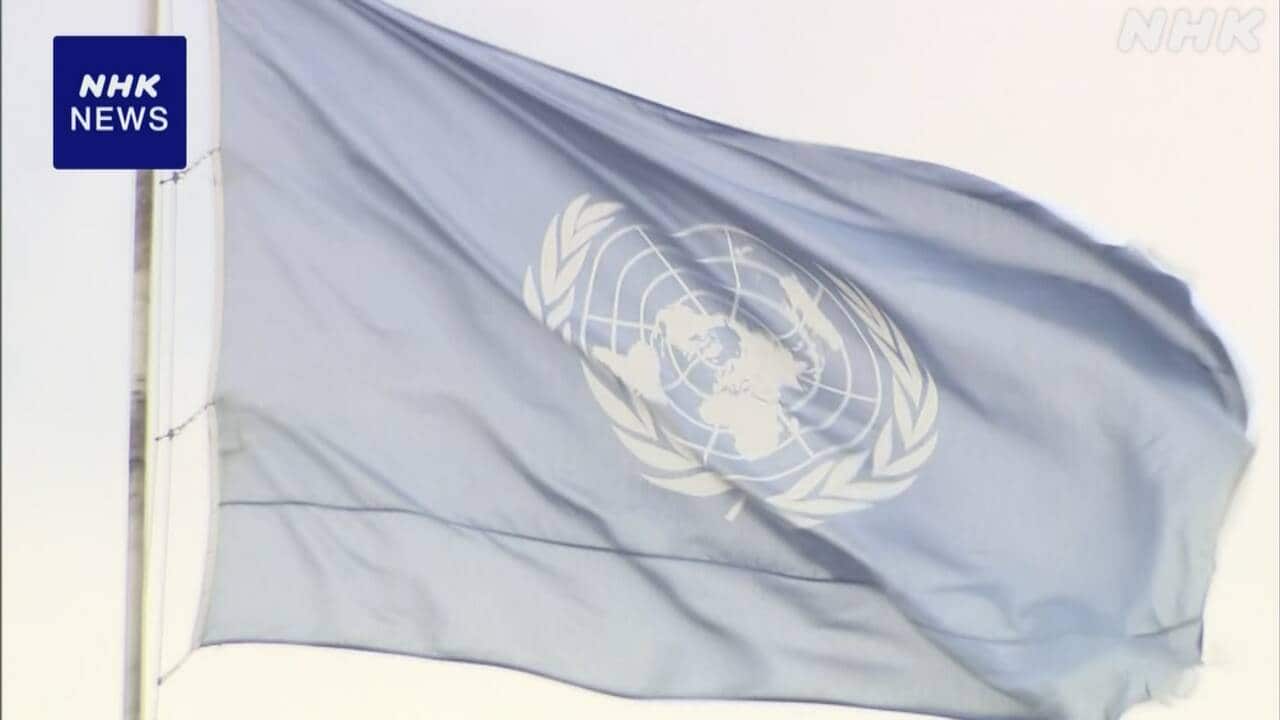
国連の人権理事会の調査団は、アメリカとイスラエルによるイランへの攻撃について「国連憲章に反するものだ」と強く非難し、すべての当事者に対し、攻撃の即時停止を求めました。
イランの人権状況を調べている国連の人権理事会の調査団は、4日、アメリカとイスラエルによるイランへの攻撃について声明を発表しました。
この中では「国家の領土の保全と政治的独立に対する武力行使を禁じた国連憲章に反するものだ」として両国を強く非難しました。
さらに、「国際法の規範はすべてに一貫して適用されなければならず、行動を起こす国家によって異なる適用がなされることは許されない」と強調しました。
また、イラン南部の小学校への攻撃で多くの犠牲者が出ていることについて、「アメリカとイスラエルがイランの学校を空爆したという報告に深い衝撃を受けている。このミサイル攻撃によりあわせて150人以上の児童と教師が殺害されたと伝えられている」とした上で、犠牲者の大半が7歳から12歳の女子児童だという見方を示しました。
一方で、イランによる近隣諸国への攻撃でも民間人が死亡し、民間インフラの被害も出ているとしてすべての当事者に対し、攻撃の即時停止を求めました。
イランの人権状況を調べている国連の人権理事会の調査団は、4日、アメリカとイスラエルによるイランへの攻撃について声明を発表しました。
この中では「国家の領土の保全と政治的独立に対する武力行使を禁じた国連憲章に反するものだ」として両国を強く非難しました。
さらに、「国際法の規範はすべてに一貫して適用されなければならず、行動を起こす国家によって異なる適用がなされることは許されない」と強調しました。
また、イラン南部の小学校への攻撃で多くの犠牲者が出ていることについて、「アメリカとイスラエルがイランの学校を空爆したという報告に深い衝撃を受けている。このミサイル攻撃によりあわせて150人以上の児童と教師が殺害されたと伝えられている」とした上で、犠牲者の大半が7歳から12歳の女子児童だという見方を示しました。
一方で、イランによる近隣諸国への攻撃でも民間人が死亡し、民間インフラの被害も出ているとしてすべての当事者に対し、攻撃の即時停止を求めました。
Vocabulary
General
Proper noun
JLPT N2
JLPT N1
| # | 言葉 | 意味 |
|---|---|---|
| 7 | 攻撃 | こうげき (攻撃) : 1. attack; assault; raid; onslaught; offensive 2. criticism; censure; denunciation; condemnation |
| 3 | 人権 | じんけん (人権) : human rights; civil liberties |
| 2 | 国連 | こくれん (国連) : United Nations; UN |
| 2 | 理事会 | りじかい (理事会) : board of directors; board of trustees |
| 2 | 調査団 | ちょうさだん (調査団) : inquiry commission; enquiry commission; research group |
| 2 | 国連憲章 | こくれんけんしょう (国連憲章) : UN Charter; Charter of the United Nations |
| 2 | 反する | はんする (反する) : 1. to be contrary to; to be inconsistent with; to contradict 2. to act contrary to (rules or guidelines); to violate; to transgress |
| 2 | 非難 | ひなん (非難) : criticism; blame; censure; attack; reproach |
| 2 | 当事者 | とうじしゃ (当事者) : person concerned; interested party; related party |
| 2 | 即時 | そくじ (即時) : prompt; immediate; in real time |
| 2 | 停止 | ていし (停止) : 1. stoppage; coming to a stop; halt; standstill 2. ceasing (movement, activity, etc.); suspension (of operations); interruption (e.g. of electricity supply); cutting off |
| 2 | 求める | もとめる (求める) : 1. to want; to wish for 2. to request; to demand; to require; to ask for |
| 2 | 国家 | こっか (国家) : state; country; nation |
| 2 | 適用 | てきよう (適用) : applying (e.g. a technology); adoption |
| 2 | 犠牲者 | ぎせいしゃ (犠牲者) : victim |
| 2 | 児童 | じどう (児童) : children; juvenile |
| 1 | 状況 | じょうきょう (状況) : state of affairs (around you); situation; circumstances |
| 1 | 調べる | しらべる (調べる) : to examine; to look up; to investigate; to check up; to sense; to study; to inquire; to search |
| 1 | 声明 | せいめい (声明) : declaration; statement; proclamation |
| 1 | 発表 | はっぴょう (発表) : announcement; publication; presenting; statement; communique; making known; breaking (news story); expressing (one's opinion); releasing; unveiling |
| 1 | 領土 | りょうど (領土) : dominion; territory; possession |
| 1 | 保全 | ほぜん (保全) : preservation; integrity; conservation; maintenance |
| 1 | 政治的 | せいじてき (政治的) : political |
| 1 | 独立 | どくりつ (独立) : 1. independence; self-reliance; supporting oneself; being on one's own 2. independence (e.g. of a nation); freedom |
| 1 | 武力行使 | ぶりょくこうし (武力行使) : use of (military) force |
| 1 | 禁ずる | きんずる (禁ずる) : to forbid; to suppress |
| 1 | 両国 | りょうこく (両国) : 1. both countries 2. Ryōgoku (area of Tokyo) |
| 1 | 国際法 | こくさいほう (国際法) : international law; law of nations |
| 1 | 規範 | きはん (規範) : model; standard; pattern; norm; criterion; example |
| 1 | 一貫 | いっかん (一貫) : 1. consistency; coherence; integration 2. one kan (approx. 3.75 kg, 8.3 lb) |
| 1 | 行動 | こうどう (行動) : action; conduct; behaviour; behavior; mobilization; mobilisation |
| 1 | 起こす | おこす (起こす) : 1. to raise; to raise up; to set up; to pick up 2. to wake; to wake up; to waken; to awaken |
| 1 | 異なる | ことなる (異なる) : to differ; to vary; to disagree |
| 1 | なす | なす (為す) : 1. to build up; to establish 2. to form; to become (a state) |
| 1 | 許す | ゆるす (許す) : 1. to permit; to allow; to approve; to consent to 2. to forgive; to pardon; to excuse; to tolerate |
| 1 | 強調 | きょうちょう (強調) : emphasis; highlight; stress; stressed point |
| 1 | 南部 | なんぶ (南部) : southern part; the south (of a region) |
| 1 | 空爆 | くうばく (空爆) : aerial bombing |
| 1 | 報告 | ほうこく (報告) : report; information |
| 1 | 衝撃 | しょうげき (衝撃) : shock; impact; crash |
| 1 | よりあわせる | よりあわせる (縒り合わせる) : to intertwine; to twist together |
| 1 | 教師 | きょうし (教師) : teacher (classroom) |
| 1 | 殺害 | さつがい (殺害) : killing; murder |
| 1 | 伝える | つたえる (伝える) : to convey; to report; to transmit; to communicate; to tell; to impart; to propagate; to teach; to bequeath |
| 1 | 大半 | たいはん (大半) : 1. majority; more than half; most (of) 2. mostly; largely; mainly; predominately; nearly |
| 1 | 女子 | じょし (女子) : woman; girl |
| 1 | 見方 | みかた (見方) : 1. viewpoint; point of view 2. way of understanding; way of appreciating; how to look at something (e.g. noh, train schedule) |
| 1 | 示す | しめす (示す) : 1. to (take out and) show; to demonstrate; to tell; to exemplify; to make apparent 2. to point out (finger, clock hand, needle, etc.) |
| 1 | 近隣諸国 | きんりんしょこく (近隣諸国) : neighboring countries; neighbouring countries; surrounding countries |
| 1 | 民間人 | みんかんじん (民間人) : private citizen; civilian |
| 1 | 死亡 | しぼう (死亡) : 1. death; mortality 2. to die; to pass away |
| 1 | 民間 | みんかん (民間) : 1. private; non-governmental; non-official; civilian; civil 2. folk; popular |
| 1 | 被害 | ひがい (被害) : (suffering) damage; injury; harm |