「本当の問題は東京対地方だ」。取材先でたびたび聞かされた意見から日本の未来を考えた
予習
この記事のキーワード — タップで意味×8
中選挙区制
ちゅうせんきょくせい
(Japanese) electoral system allowing for the election of from 3 to 5 candidates from one district
×18
選挙
せんきょ
election
N1×14
戦後
せんご
postwar period; period after Second World War
×6
農村
のうそん
1. agricultural community; farm village 2. rural
N2×4
理想化
りそうか
idealization; idealisation
SNS選挙によってポピュリズムが蔓延するのを防ぐためには、かつての中選挙区制を復活させるのがいいのではないか、という意見がよく唱えられる。
それに対して、近現代史研究者の辻田真佐憲氏は最新著作 『「戦後」とは何だったのか 未来を変える日本現代史』 (文春新書)で、「それは戦後のある時期を理想化しすぎではないだろうか」と安易な「昭和回帰」に対して疑問を呈する。
本書から一部を抜粋してお届けする。
◆◆◆
かつて田中角栄は、農村人口が減り、都市化が進むにつれて、メディア型の選挙が強くなっていくだろうと予想した。その傾向は、いまやさらに強まっている。
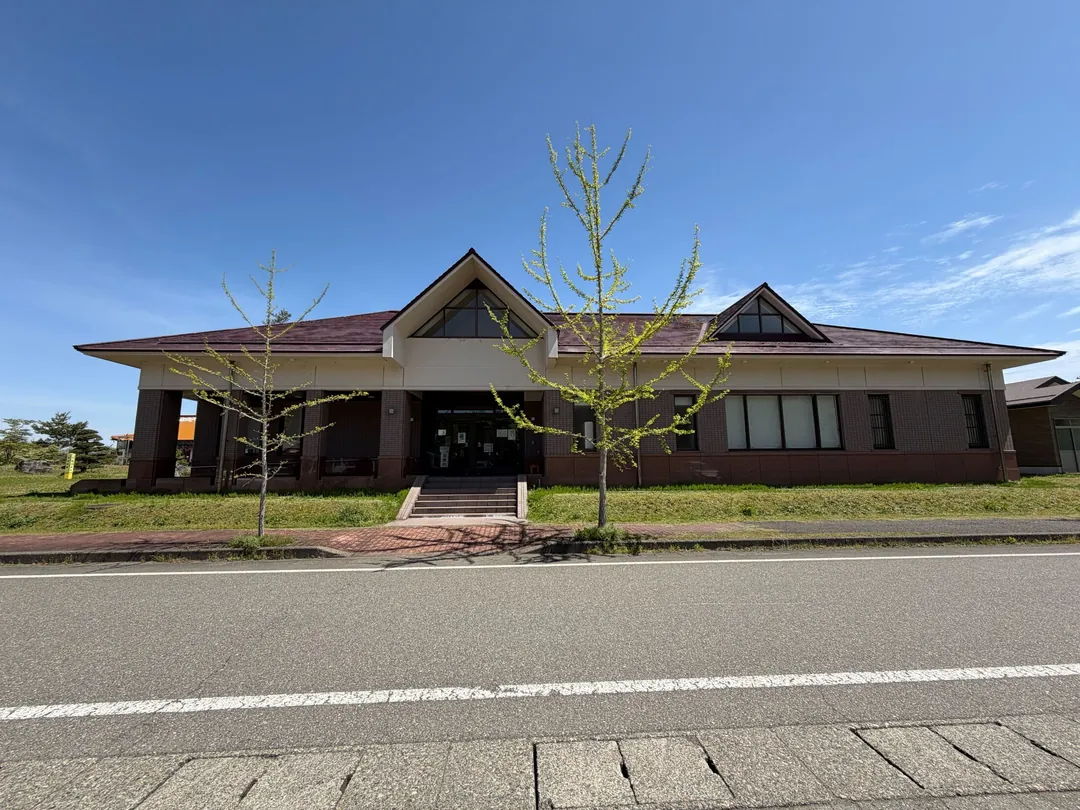
今回、わたしは戦後史の取材を兼ねて、全国各地にある首相経験者の記念館を巡った。戦後に首相を務めた政治家すべてに記念館があるわけではないが、旧宅や郷土資料館の一角に設けられた展示室まで含めれば、吉田茂から宮沢喜一まで、それなりの数にのぼる。そのうち14か所を訪ねることができた。
そこで印象に残ったのは、個々の展示もさることながら、取材先で出会ったタクシーの運転手や居酒屋の隣客、旅館の経営者たちから、「本当の問題は東京対地方だ」という趣旨のことをたびたび聞かされたことだった。
ひとびとは東京へ流出し、地方はどんどん空洞化していく。このまま道路や鉄道、病院といったインフラを維持できるのか。あるタクシー会社は黒字なのに、運転手を確保できず、廃業せざるをえなくなった。ある旅館では、周辺の農村人口が減り、農作業の合間に手伝いに来てくれていたひとびとの確保が困難になりつつある。それは、ひたひたと迫ってくる切実な現実だった。
ふだん東京で「右派は、左派は」と議論しがちなわたしにとって、これは大きな気づきだった。
東京と地方の格差は、田中角栄の時代より深刻な問題となっている。そのいっぽうで、メディアの存在感はますます大きくなった。となれば、地元に長く根を張ってきた政治家より、メディアを通じて一気に知名度を高めた人物のほうが選挙で強くなることもあるだろう。
もちろん、すでに述べたように、プロパガンダだけで選挙のすべてが決まるわけではない。そもそも、プロパガンダの影響力を正確に測ることはむずかしい。地域を歩き、握手を重ね、支持者との関係を築く。そうした地道なドブイタ選挙はいまなお有効である。
だが、「この人物ならメディア映えする」「SNSで拡散されやすい」と判断され、候補者を選ぶ段階から選別が働くのであれば、その時点ですでにメディアは政治を動かしていると言える。
しかも今日では、日進月歩の生成AIを使えば、刺激的な情報を大量につくり出すことさえ可能になった。
代議士ソングを作った森菊蔵が今日に生きていれば、時代の変化に合わせて、きっとショート動画の制作にも乗り出していただろう。
あるいは石原慎太郎の選挙参謀だった飯島清ならば、SNS上の反応を分析し、どのメディアを使い、だれに、どのような情報を届ければもっとも効果的なのか、緻密な戦略を組み立てただろう。
いや、“現代の森菊蔵”や“現代の飯島清”は、すでにわれわれの社会で活動しつつあるのである。
このような現状を受けて、しばしばこんな意見が聞かれる。
小選挙区制の導入によって、選挙は一方の政党に地すべり的な勝利をもたらしやすくなった。SNSを利用した選挙とも相性がいい。ならば制度を改革して、かつての中選挙区制に戻したほうがポピュリズム対策になってよいのではないか、と。
だが、それは戦後のある時期を理想化しすぎではないだろうか。
そもそも中選挙区制が廃止されたのには、選挙に金がかかることや、同じ政党の候補者同士が競うため派閥の影響力が強まることなど、それなりの理由があった。現在の制度に問題があるからといって、かつての制度が理想的だったことにはならない。
それだけではない。中選挙区制に戻せば、以前のような政治が戻ってくるという発想の背後には、あの時代と現在とが地続きであり、制度さえ戻せば、その時代をもう一度取り戻せるという思い込みも潜んでいる。
だが、ここまで見てきた地方の変化を考えれば、それが困難だということは明らかだろう。農村人口は減少し、地方では地域社会を維持することさえむずかしくなりつつある。かつて後援会や地縁・血縁を支えた社会的な基盤そのものが大きく変わっている。制度だけ昔に戻しても、あの時代の選挙がそのままよみがえるわけではないのである。
それなのに、なぜわれわれは、過去をそのように語りがちなのだろうか。
その大きな理由のひとつは、「八月ジャーナリズム」の影響もあって、戦前と現在にばかり目を向け、そのあいだにある戦後を十分に掘り下げないまま、漠然と「よい時代」として記憶してきたことにあるのではないか。
戦前の教訓を学ぶことはもちろん大切だが、現在の問題を考えるためには、戦前と現在のあいだに横たわる戦後の歴史にも注目しなければならない。われわれがやるべきなのは、過去を美化して現在を裁くのではなく、過去を正しく知ることで未来をよりよい方向へと変えることなのである。
SNS選挙によってポピュリズムが蔓延するのを防ぐためには、かつての中選挙区制を復活させるのがいいのではないか、という意見がよく唱えられる。 それに対して、近現代史研究者の辻田真佐憲氏は最新著作 『「戦後」とは何だったのか 未来を変える日本現代史』 (文春新書)で、「それは戦後のある時期を理想化しすぎではないだろうか」と安易な「昭和回帰」に対して疑問を呈する。 本書から一部を抜粋してお届けする。 ◆◆◆ かつて田中角栄は、農村人口が減り、都市化が進むにつれて、メディア型の選挙が強くなっていくだろうと予想した。その傾向は、いまやさらに強まっている。 今回、わたしは戦後史の取材を兼ねて、全国各地にある首相経験者の記念館を巡った。戦後に首相を務めた政治家すべてに記念館があるわけではないが、旧宅や郷土資料館の一角に設けられた展示室まで含めれば、吉田茂から宮沢喜一まで、それなりの数にのぼる。そのうち14か所を訪ねることができた。 そこで印象に残ったのは、個々の展示もさることながら、取材先で出会ったタクシーの運転手や居酒屋の隣客、旅館の経営者たちから、「本当の問題は東京対地方だ」という趣旨のことをたびたび聞かされたことだった。 ひとびとは東京へ流出し、地方はどんどん空洞化していく。このまま道路や鉄道、病院といったインフラを維持できるのか。あるタクシー会社は黒字なのに、運転手を確保できず、廃業せざるをえなくなった。ある旅館では、周辺の農村人口が減り、農作業の合間に手伝いに来てくれていたひとびとの確保が困難になりつつある。それは、ひたひたと迫ってくる切実な現実だった。 ふだん東京で「右派は、左派は」と議論しがちなわたしにとって、これは大きな気づきだった。 東京と地方の格差は、田中角栄の時代より深刻な問題となっている。そのいっぽうで、メディアの存在感はますます大きくなった。となれば、地元に長く根を張ってきた政治家より、メディアを通じて一気に知名度を高めた人物のほうが選挙で強くなることもあるだろう。 もちろん、すでに述べたように、プロパガンダだけで選挙のすべてが決まるわけではない。そもそも、プロパガンダの影響力を正確に測ることはむずかしい。地域を歩き、握手を重ね、支持者との関係を築く。そうした地道なドブイタ選挙はいまなお有効である。 だが、「この人物ならメディア映えする」「SNSで拡散されやすい」と判断され、候補者を選ぶ段階から選別が働くのであれば、その時点ですでにメディアは政治を動かしていると言える。 しかも今日では、日進月歩の生成AIを使えば、刺激的な情報を大量につくり出すことさえ可能になった。 代議士ソングを作った森菊蔵が今日に生きていれば、時代の変化に合わせて、きっとショート動画の制作にも乗り出していただろう。 あるいは石原慎太郎の選挙参謀だった飯島清ならば、SNS上の反応を分析し、どのメディアを使い、だれに、どのような情報を届ければもっとも効果的なのか、緻密な戦略を組み立てただろう。 いや、“現代の森菊蔵”や“現代の飯島清”は、すでにわれわれの社会で活動しつつあるのである。 このような現状を受けて、しばしばこんな意見が聞かれる。 小選挙区制の導入によって、選挙は一方の政党に地すべり的な勝利をもたらしやすくなった。SNSを利用した選挙とも相性がいい。ならば制度を改革して、かつての中選挙区制に戻したほうがポピュリズム対策になってよいのではないか、と。 だが、それは戦後のある時期を理想化しすぎではないだろうか。 そもそも中選挙区制が廃止されたのには、選挙に金がかかることや、同じ政党の候補者同士が競うため派閥の影響力が強まることなど、それなりの理由があった。現在の制度に問題があるからといって、かつての制度が理想的だったことにはならない。 それだけではない。中選挙区制に戻せば、以前のような政治が戻ってくるという発想の背後には、あの時代と現在とが地続きであり、制度さえ戻せば、その時代をもう一度取り戻せるという思い込みも潜んでいる。 だが、ここまで見てきた地方の変化を考えれば、それが困難だということは明らかだろう。農村人口は減少し、地方では地域社会を維持することさえむずかしくなりつつある。かつて後援会や地縁・血縁を支えた社会的な基盤そのものが大きく変わっている。制度だけ昔に戻しても、あの時代の選挙がそのままよみがえるわけではないのである。 それなのに、なぜわれわれは、過去をそのように語りがちなのだろうか。 その大きな理由のひとつは、「八月ジャーナリズム」の影響もあって、戦前と現在にばかり目を向け、そのあいだにある戦後を十分に掘り下げないまま、漠然と「よい時代」として記憶してきたことにあるのではないか。 戦前の教訓を学ぶことはもちろん大切だが、現在の問題を考えるためには、戦前と現在のあいだに横たわる戦後の歴史にも注目しなければならない。われわれがやるべきなのは、過去を美化して現在を裁くのではなく、過去を正しく知ることで未来をよりよい方向へと変えることなのである。
SNS選挙によってポピュリズムが蔓延するのを防ぐためには、かつての中選挙区制を復活させるのがいいのではないか、という意見がよく唱えられる。 それに対して、近現代史研究者の辻田真佐憲氏は最新著作 『「戦後」とは何だったのか 未来を変える日本現代史』 (文春新書)で、「それは戦後のある時期を理想化しすぎではないだろうか」と安易な「昭和回帰」に対して疑問を呈する。 本書から一部を抜粋してお届けする。 ◆◆◆ かつて田中角栄は、農村人口が減り、都市化が進むにつれて、メディア型の選挙が強くなっていくだろうと予想した。その傾向は、いまやさらに強まっている。 今回、わたしは戦後史の取材を兼ねて、全国各地にある首相経験者の記念館を巡った。戦後に首相を務めた政治家すべてに記念館があるわけではないが、旧宅や郷土資料館の一角に設けられた展示室まで含めれば、吉田茂から宮沢喜一まで、それなりの数にのぼる。そのうち14か所を訪ねることができた。 そこで印象に残ったのは、個々の展示もさることながら、取材先で出会ったタクシーの運転手や居酒屋の隣客、旅館の経営者たちから、「本当の問題は東京対地方だ」という趣旨のことをたびたび聞かされたことだった。 ひとびとは東京へ流出し、地方はどんどん空洞化していく。このまま道路や鉄道、病院といったインフラを維持できるのか。あるタクシー会社は黒字なのに、運転手を確保できず、廃業せざるをえなくなった。ある旅館では、周辺の農村人口が減り、農作業の合間に手伝いに来てくれていたひとびとの確保が困難になりつつある。それは、ひたひたと迫ってくる切実な現実だった。 ふだん東京で「右派は、左派は」と議論しがちなわたしにとって、これは大きな気づきだった。 東京と地方の格差は、田中角栄の時代より深刻な問題となっている。そのいっぽうで、メディアの存在感はますます大きくなった。となれば、地元に長く根を張ってきた政治家より、メディアを通じて一気に知名度を高めた人物のほうが選挙で強くなることもあるだろう。 もちろん、すでに述べたように、プロパガンダだけで選挙のすべてが決まるわけではない。そもそも、プロパガンダの影響力を正確に測ることはむずかしい。地域を歩き、握手を重ね、支持者との関係を築く。そうした地道なドブイタ選挙はいまなお有効である。 だが、「この人物ならメディア映えする」「SNSで拡散されやすい」と判断され、候補者を選ぶ段階から選別が働くのであれば、その時点ですでにメディアは政治を動かしていると言える。 しかも今日では、日進月歩の生成AIを使えば、刺激的な情報を大量につくり出すことさえ可能になった。 代議士ソングを作った森菊蔵が今日に生きていれば、時代の変化に合わせて、きっとショート動画の制作にも乗り出していただろう。 あるいは石原慎太郎の選挙参謀だった飯島清ならば、SNS上の反応を分析し、どのメディアを使い、だれに、どのような情報を届ければもっとも効果的なのか、緻密な戦略を組み立てただろう。 いや、“現代の森菊蔵”や“現代の飯島清”は、すでにわれわれの社会で活動しつつあるのである。 このような現状を受けて、しばしばこんな意見が聞かれる。 小選挙区制の導入によって、選挙は一方の政党に地すべり的な勝利をもたらしやすくなった。SNSを利用した選挙とも相性がいい。ならば制度を改革して、かつての中選挙区制に戻したほうがポピュリズム対策になってよいのではないか、と。 だが、それは戦後のある時期を理想化しすぎではないだろうか。 そもそも中選挙区制が廃止されたのには、選挙に金がかかることや、同じ政党の候補者同士が競うため派閥の影響力が強まることなど、それなりの理由があった。現在の制度に問題があるからといって、かつての制度が理想的だったことにはならない。 それだけではない。中選挙区制に戻せば、以前のような政治が戻ってくるという発想の背後には、あの時代と現在とが地続きであり、制度さえ戻せば、その時代をもう一度取り戻せるという思い込みも潜んでいる。 だが、ここまで見てきた地方の変化を考えれば、それが困難だということは明らかだろう。農村人口は減少し、地方では地域社会を維持することさえむずかしくなりつつある。かつて後援会や地縁・血縁を支えた社会的な基盤そのものが大きく変わっている。制度だけ昔に戻しても、あの時代の選挙がそのままよみがえるわけではないのである。 それなのに、なぜわれわれは、過去をそのように語りがちなのだろうか。 その大きな理由のひとつは、「八月ジャーナリズム」の影響もあって、戦前と現在にばかり目を向け、そのあいだにある戦後を十分に掘り下げないまま、漠然と「よい時代」として記憶してきたことにあるのではないか。 戦前の教訓を学ぶことはもちろん大切だが、現在の問題を考えるためには、戦前と現在のあいだに横たわる戦後の歴史にも注目しなければならない。われわれがやるべきなのは、過去を美化して現在を裁くのではなく、過去を正しく知ることで未来をよりよい方向へと変えることなのである。
この記事の単語 (205)
×18
選挙
せんきょ
election
×14
戦後
せんご
postwar period; period after Second World War
×12
現在
げんざい
now; current; present; present time; as of
×10
嘗て
かつて
1. once; before; formerly; ever; former; ex- 2. never yet; never before; first time; still not happened
×10
地方
ちほう
1. district; region; area; locality 2. the country; countryside; the provinces; rural area
×10
制度
せいど
system; institution; organization; organisation
×8
中選挙区制
ちゅうせんきょくせい
(Japanese) electoral system allowing for the election of from 3 to 5 candidates from one district
×8
東京
とうきょう
Tokyo
×8
戻す
もどす
1. to put back; to return; to give back; to restore (to a previous state, e.g. defrosting, reconstituting, reconciling); to turn back (e.g. clock hand) 2. to vomit; to throw up
×6
農村
のうそん
1. agricultural community; farm village 2. rural
×6
既に
すでに
already; too late
×6
さえ
1. even 2. (if) only; just; as long as
×6
我々
われわれ
we
×6
過去
かこ
1. the past; bygone days 2. one's past (that one would prefer remained secret)
×6
戦前
せんぜん
pre-war days; before the war
×4
未来
みらい
1. the future (usually distant) 2. future tense
×4
時期
じき
time; season; period; phase; stage
×4
理想化
りそうか
idealization; idealisation
×4
田中角栄
たなかかくえい
Tanaka Kakuei (person)
×4
減る
へる
to decrease (in size or number); to diminish; to abate
×4
強まる
つよまる
to get strong; to gain strength
×4
取材
しゅざい
1. news coverage; collecting data (e.g. for an article); covering (something for media) 2. interview
×4
首相
しゅしょう
prime minister; chancellor (Germany, Austria, etc.); premier
×4
記念館
きねんかん
museum (esp. in memory of a person or event); memorial hall
×4
政治家
せいじか
politician; statesman
×4
人々
ひとびと
1. people; men and women 2. each person; everybody
×4
侭
まま
1. as it is; as one likes; because; as 2. condition; state
×4
維持
いじ
maintenance; preservation; improvement
×4
確保
かくほ
1. securing; obtaining; ensuring; guarantee; maintaining 2. belay; belaying
×4
困難
こんなん
1. difficulty; hardship; trouble; distress 2. infeasibility; inability (to carry out)
×4
人物
じんぶつ
1. person; character; figure; personage; man; woman 2. one's character; one's personality
×4
抑
そもそも
1. in the first place; to begin with; from the start; originally; ab initio 2. after all; anyway; actually; well, ...; ... on earth (e.g. "what on earth?"); ... in the world (e.g. "why in the world?")
×4
影響力
えいきょうりょく
influence; clout; leverage
×4
候補者
こうほしゃ
candidate; applicant
×4
情報
じょうほう
1. information; news; intelligence; advices 2. information; data contained in characters, signals, code, etc.
×4
菊蔵
きくぞう
Kikuzou (given)
×4
変化
へんか
1. change; variation; alteration; mutation; transition; transformation; transfiguration; metamorphosis 2. variety; diversity
×4
飯島
いいしま
Iishima (place; surname)
×4
現代
げんだい
nowadays; modern era; modern times; present-day
×4
政党
せいとう
political party
×2
蔓延
まんえん
spread (e.g. of a disease); rampancy; infestation; proliferation; being widespread
×2
防ぐ
ふせぐ
1. to defend against; to protect against 2. to prevent; to avert; to avoid
×2
復活
ふっかつ
1. revival (e.g. musical); come-back 2. restoration; rebirth; resurrection
×2
唱える
となえる
1. to recite; to chant 2. to cry; to yell; to shout
×2
近現代史
きんげんだいし
modern history; modern and current history; recent history; recent contemporary history
×2
研究者
けんきゅうしゃ
researcher
×2
辻田
つじた
Tsujita (place; surname)
×2
真佐
しんすけ
Shinsuke (unclass)
×2
最新
さいしん
latest; newest; late-breaking (news)
×2
著作
ちょさく
writing; book
×2
現代史
げんだいし
contemporary history
×2
文春
ふみはる
Fumiharu (given)
×2
新書
しんしょ
1. new book 2. 17x11 cm paperback book
×2
安易
あんい
1. easy; simple 2. easygoing; lighthearted; simplistic; irresponsible; careless; quick (to do)
×2
昭和
しょうわ
1. Shōwa era (1926.12.25-1989.1.7) 2. reminiscent of the Shōwa era; Shōwa-nostalgic; old-fashioned; quaint; old-school
×2
回帰
かいき
1. return (to); revolution; recurrence 2. regression
×2
疑問
ぎもん
doubt; question; suspicion; dubiousness
×2
呈する
ていする
1. to present; to offer 2. to show; to display; to exhibit
×2
本書
ほんしょ
text; script; this book
×2
一部
いちぶ
1. one part; one portion; one section; some 2. one copy (e.g. of a document)
×2
抜粋
ばっすい
extract; excerpt; selection
×2
都市化
としか
urbanization; urbanisation
×2
予想
よそう
expectation; anticipation; prediction; forecast; conjecture
×2
傾向
けいこう
tendency; trend; inclination
×2
兼ねる
かねる
1. to be unable to; to find difficult (unpleasant, awkward, painful) to do 2. to serve two or more functions or roles simultaneously; to contain (or combine) two or more features
×2
全国各地
ぜんこくかくち
every region of the country; all corners of the country; nationwide
×2
経験者
けいけんしゃ
experienced person; person who has had a particular experience
×2
巡る
めぐる
1. to go around 2. to return
×2
務める
つとめる
1. to work (for); to be employed (at); to serve (in) 2. to serve (as); to act (as); to fill (the position of); to play the role (of)
×2
旧宅
きゅうたく
former residence
×2
郷土
きょうど
1. native place; birth-place; one's old home 2. province; region; locality
×2
資料館
しりょうかん
museum; reference library; archive; record office
×2
一角
いっかく
1. corner; section; point; part 2. one horn
×2
設ける
もうける
1. to prepare; to provide 2. to set up; to establish; to organize; to lay down (rules); to make (an excuse)
×2
展示室
てんじしつ
1. exhibition room (e.g. museum) 2. showroom (for goods)
×2
含める
ふくめる
1. to include (in a group or scope) 2. to instruct; to make one understand
×2
吉田茂
よしだしげる
Yoshida Shigeru (1940.1-) (person)
×2
宮沢喜一
みやざわきいち
Miyazawa Kiichi (1919.10-) (person)
×2
数
かず
number; amount
×2
箇所
かしょ
1. place; point; part; spot; area; passage; portion 2. counter for places, parts, passages, etc.
×2
印象
いんしょう
impression
×2
個々
ここ
individual; one by one; separate; each
×2
展示
てんじ
exhibition; display
×2
然る
さる
1. a particular; a certain 2. that kind of; such a
×2
出会う
であう
1. to meet (by chance); to come across; to run across; to encounter; to happen upon 2. to meet (e.g. of rivers, highways, etc.)
×2
居酒屋
いざかや
izakaya; Japanese bar that also serves various dishes and snacks
×2
経営者
けいえいしゃ
manager; proprietor
×2
本当
ほんとう
1. truth; reality; actuality; fact 2. proper; right; correct; official
×2
対
たい
1. opposite; opposition 2. versus; vs.; v.
×2
趣旨
しゅし
1. meaning; point (e.g. of a statement); gist; effect 2. goal; intent; object; aim; point
×2
度々
たびたび
often; again and again; over and over again; repeatedly; frequently
×2
聞かす
きかす
1. to let (someone) hear; to tell (e.g. a story); to inform (of) 2. to make (someone) listen; to make (someone) understand; to drum into (someone)
×2
流出
りゅうしゅつ
1. discharge; outward flow; efflux; effluence; haemorrhage; hemorrhage; bleeding (e.g. ink into paper) 2. leak of (private) information or pictures
×2
空洞化
くうどうか
1. making hollow; making meaningless 2. deindustrialization; deindustrialisation
×2
道路
どうろ
road; highway
×2
鉄道
てつどう
railroad; railway; rail transport
×2
黒字
くろじ
1. (being in) the black; surplus 2. black letter
×2
廃業
はいぎょう
discontinuation (of business); closing down; giving up (one's practice); retiring
×2
周辺
しゅうへん
1. circumference; outskirts; environs; around; in the area of; in the vicinity of 2. (computer) peripheral
×2
農作業
のうさぎょう
farmwork
×2
合間
あいま
interval; break; pause; spare moment
×2
手伝い
てつだい
1. helper; assistant 2. help
×2
ひたひた
1. lapping (e.g. of waves against the shore) 2. steadily (advancing); gradually (approaching)
×2
迫る
せまる
1. to approach; to draw near; to be imminent 2. to press (someone for something); to urge; to compel
×2
切実
せつじつ
1. earnest; sincere; acute; keen; fervent 2. pressing; urgent; serious; severe
×2
現実
げんじつ
reality; actuality; hard fact
×2
普段
ふだん
1. usual; normal; everyday; habitual; ordinary 2. usually; normally; generally; habitually; always
×2
右派
うは
right wing
×2
左派
さは
left wing
×2
議論
ぎろん
argument; discussion; dispute; controversy
×2
気付き
きづき
awareness; realization
×2
格差
かくさ
qualitative difference; disparity; gap
×2
深刻
しんこく
serious; severe; grave; acute
×2
存在感
そんざいかん
presence (impressive quality)
×2
益々
ますます
increasingly; more and more; decreasingly (when declining); less and less
×2
地元
じもと
1. home area; home town 2. local
×2
根
ね
1. root (of a plant) 2. root (of a tooth, hair, etc.); center (of a pimple, etc.)
×2
張る
はる
1. to stick; to paste; to affix 2. to stretch; to spread; to strain; to tighten; to put up (tent)
×2
通じる
つうじる
1. to be open (to traffic); to lead to; to communicate (with) 2. to flow (liquid, current); to pass; to get through to
×2
一気
いっき
1. one breath 2. chug!; drink!
×2
知名度
ちめいど
degree of familiarity; popularity
×2
高める
たかめる
to raise; to lift; to boost; to enhance
×2
述べる
のべる
to state; to express; to mention
×2
決まる
きまる
1. to be decided; to be settled; to be fixed; to be arranged 2. to be unchanging; to be the same (as always); to be fixed; to be set
×2
正確
せいかく
accurate; correct; precise; exact
×2
測る
はかる
1. to measure; to weigh; to survey; to time (sound, gauge, estimate) 2. to conjecture; to infer; to surmise
×2
地域
ちいき
area; region
×2
握手
あくしゅ
1. handshake 2. reconciliation; joining hands; cooperation
×2
重ねる
かさねる
1. to pile up; to heap up; to stack up; to put on top of another 2. to repeat many times over; to go through repeatedly; to accumulate
×2
支持者
しじしゃ
supporter (e.g. of the arts); adherent; proponent
×2
築く
きずく
1. to build; to construct; to erect 2. to amass (e.g. fortune); to pile up
×2
地道
じみち
steady; honest; sober; straightforward
×2
猶
なお
1. still; yet 2. more; still more; greater; further
×2
有効
ゆうこう
1. valid; effective 2. yuko (judo)
×2
映え
はえ
glory; splendour; honour
×2
拡散
かくさん
scattering; diffusion; spread (e.g. signal across the spectrum)
×2
判断
はんだん
1. judgment; judgement; decision; conclusion; adjudication 2. divination
×2
段階
だんかい
grade; level; stage; class; phase; steps; order; gradation
×2
選別
せんべつ
selection; classification; sorting; screening; triage
×2
時点
じてん
point in time; occasion
×2
動かす
うごかす
1. to move; to shift; to stir; to budge; to change position 2. to inspire; to rouse; to move (e.g. feeling); to influence
×2
然も
しかも
1. moreover; furthermore 2. nevertheless; and yet
×2
日進月歩
にっしんげっぽ
steady progress; rapid advance
×2
刺激的
しげきてき
stimulating; exciting; provocative
×2
大量
たいりょう
large quantity; massive (quantity); mass (e.g. mass production, mass transit, mass destruction)
×2
作り出す
つくりだす
1. to manufacture; to produce; to raise (crops) 2. to invent; to dream up; to create
×2
可能
かのう
possible; potential; practicable; feasible
×2
代議士
だいぎし
parliamentarian; member of a congress
×2
合わせる
あわせる
1. to match (rhythm, speed, etc.) 2. to join together; to unite; to combine; to add up
×2
動画
どうが
1. video; movie; moving picture 2. animation; animated cartoon
×2
制作
せいさく
1. work (film, book) 2. production; creation; turning (something) out; development
×2
乗り出す
のりだす
1. to set out; to set sail 2. to embark on (a new venture); to set out (to achieve something)
×2
或いは
あるいは
1. or; either ... or 2. maybe; perhaps; possibly
×2
石原慎太郎
いしはらしんたろう
Ishihara Shintarou (1932.9-) (person)
×2
反応
はんのう
reaction; response
×2
分析
ぶんせき
analysis
×2
効果的
こうかてき
effective; successful
×2
緻密
ちみつ
minute; fine; delicate; accurate; precise; elaborate
×2
戦略
せんりゃく
strategy; tactics
×2
組み立てる
くみたてる
to assemble; to set up; to construct
×2
活動
かつどう
1. activity (of a person, organization, animal, volcano, etc.); action 2. movie (esp. during the silent movie period)
×2
現状
げんじょう
present condition; existing state; status quo; current state
×2
屡々
しばしば
often; again and again; frequently; repeatedly
×2
小選挙区制
しょうせんきょくせい
single-seat constituency system
×2
導入
どうにゅう
introduction; bringing in; leading in; installation
×2
地滑り
じすべり
landslide
×2
勝利
しょうり
victory; triumph; conquest; success; win
×2
齎す
もたらす
to bring; to take; to bring about
×2
相性
あいしょう
affinity; compatibility; chemistry (between people)
×2
改革
かいかく
reform; reformation; reorganization
×2
対策
たいさく
measure; step; countermeasure; counterplan; countermove; strategy; preparation (e.g. for a test)
×2
廃止
はいし
abolition; repeal
×2
競う
きそう
to compete; to contend; to vie; to contest
×2
派閥
はばつ
clique; faction
×2
理想的
りそうてき
ideal
×2
以前
いぜん
ago; since; before; previous
×2
発想
はっそう
1. idea; conception; way of thinking 2. expression
×2
背後
はいご
1. back; rear 2. background; behind the scenes
×2
地続き
じつづき
adjoining land
×2
取り戻す
とりもどす
to take back; to regain; to get back; to recover
×2
思い込み
おもいこみ
wrong impression; subjective impression; assumption; prejudice
×2
潜む
ひそむ
to lurk; to be hidden; to be concealed; to lie dormant; to be latent
×2
明らか
あきらか
1. clear; obvious; evident; plain; definite 2. bright; light
×2
減少
げんしょう
decrease; reduction; decline
×2
地域社会
ちいきしゃかい
regional community
×2
後援会
こうえんかい
support group; fan club; (election) committee
×2
地縁
ちえん
territorial relationship; regional bond
×2
血縁
けつえん
1. blood relationship; consanguinity 2. blood relative
×2
支える
ささえる
1. to support; to prop; to sustain; to underlay; to hold up; to defend 2. to hold at bay; to stem; to check
×2
社会的
しゃかいてき
social; societal; societary
×2
基盤
きばん
1. foundation; basis; base; footing; infrastructure 2. bedrock
×2
そのまま
1. without change; as is 2. just like; extremely similar
×2
蘇る
よみがえる
1. to be resurrected; to be resuscitated; to be rehabilitated; to be revived; to be refreshed; to be restored 2. to be recalled (e.g. memories); to be brought back
×2
語る
かたる
1. to talk about; to speak of; to tell; to narrate 2. to recite; to chant
×2
影響
えいきょう
1. influence; effect 2. to influence; to affect; to have an influence on; to impact; to have an effect on
×2
掘り下げる
ほりさげる
1. to dig down 2. to dig into (a matter); to delve into; to probe into; to investigate; to get to the bottom of
×2
漠然
ばくぜん
vague; obscure; indistinct; hazy; ambiguous
×2
記憶
きおく
1. memory; recollection; remembrance 2. storage
×2
教訓
きょうくん
lesson; precept; teachings; moral
×2
学ぶ
まなぶ
to study (in depth); to learn; to take lessons in
×2
横たわる
よこたわる
1. to lie down; to stretch out 2. to lie ahead (of danger, difficulty, etc.); to lie in wait
×2
注目
ちゅうもく
notice; attention; observation
×2
美化
びか
beautification; glorification
×2
裁く
さばく
to judge; to decide; to sit in judgement; to try
×2
方向
ほうこう
1. direction; orientation; bearing; way 2. course (e.g. of action)