京都 南丹 男児殺害事件 父親“車内でのやりとりに腹が立った”趣旨の説明 衝動的に襲ったか
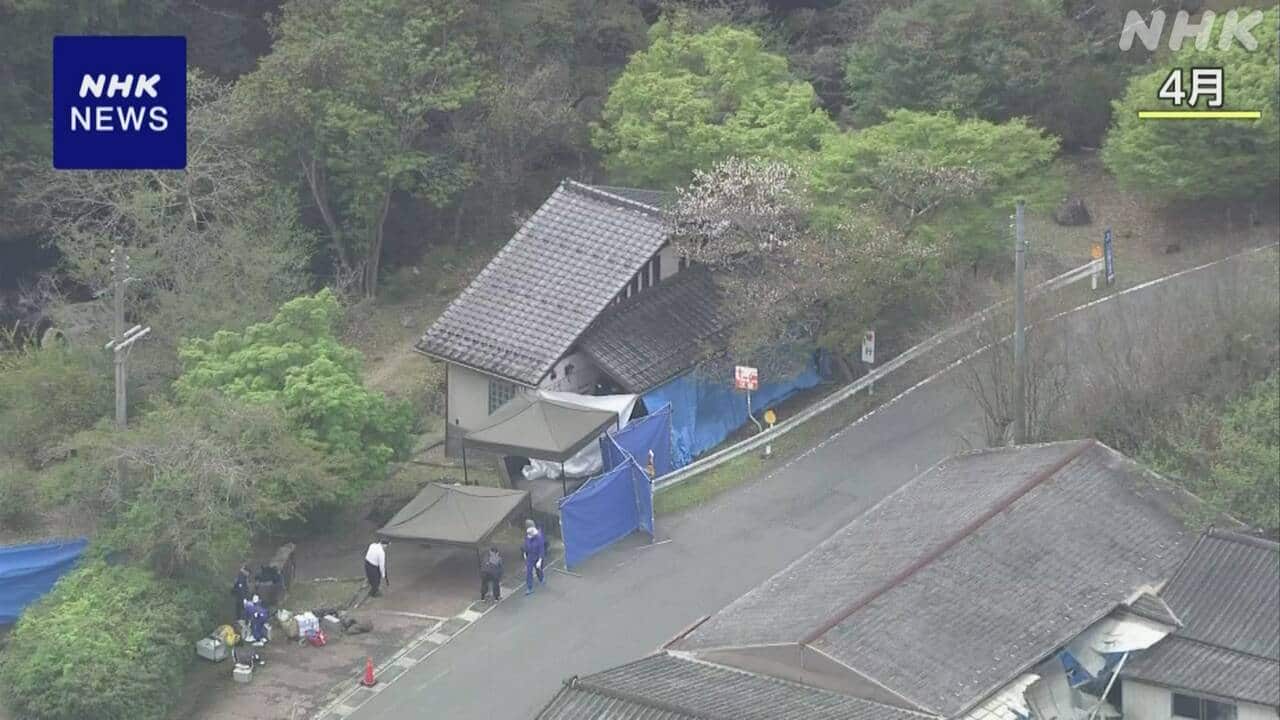
京都府南丹市で小学生の男子児童が殺害され遺体が遺棄された事件で、6日、殺人の疑いで再逮捕された37歳の父親が事件当日の朝、息子を乗せていた車の中でのやりとりに腹が立ったという趣旨の説明をしていることが捜査関係者への取材で分かりました。警察は衝動的に襲ったとみて詳しく調べています。
南丹市園部町の小学生、安達結希さん(当時11)が先月、市内の山林で死亡しているのが見つかった事件では、父親で会社員の安達優季容疑者(37)が遺体を遺棄したとして先月逮捕されたあと、6日に殺人の疑いで再逮捕されました。
調べによりますと、父親は3月23日の朝に市内の公衆トイレで結希さんの首を絞めて殺害した疑いがあり、その後、自宅近くの山など4か所に遺体を移動させて遺棄したとみられるということです。
警察によりますと、一連の事件への関与を認めたうえで、調べに対し「両手で首を絞めて殺した」などと供述しているということです。
さらに捜査関係者によりますと、父親は調べに対し、3月23日の朝のいきさつについて、登校する息子を乗せていた車の中でのやりとりに腹が立ち、現場のトイレで首を絞めたという趣旨の説明をしているということです。
警察は父親が息子との関係に以前から問題を抱えていた可能性があり、こうした中で衝動的に襲ったとみて詳しく調べています。
南丹市園部町の小学生、安達結希さん(当時11)が先月、市内の山林で死亡しているのが見つかった事件では、父親で会社員の安達優季容疑者(37)が遺体を遺棄したとして先月逮捕されたあと、6日に殺人の疑いで再逮捕されました。
調べによりますと、父親は3月23日の朝に市内の公衆トイレで結希さんの首を絞めて殺害した疑いがあり、その後、自宅近くの山など4か所に遺体を移動させて遺棄したとみられるということです。
警察によりますと、一連の事件への関与を認めたうえで、調べに対し「両手で首を絞めて殺した」などと供述しているということです。
さらに捜査関係者によりますと、父親は調べに対し、3月23日の朝のいきさつについて、登校する息子を乗せていた車の中でのやりとりに腹が立ち、現場のトイレで首を絞めたという趣旨の説明をしているということです。
警察は父親が息子との関係に以前から問題を抱えていた可能性があり、こうした中で衝動的に襲ったとみて詳しく調べています。
Vocabulary
General
Proper noun
JLPT N2
JLPT N1
| # | 言葉 | 意味 |
|---|---|---|
| 5 | 父親 | ちちおや (父親) : father |
| 3 | 遺体 | いたい (遺体) : corpse; remains |
| 3 | 遺棄 | いき (遺棄) : abandonment; desertion |
| 3 | 事件 | じけん (事件) : event; affair; incident; case; plot; trouble; scandal |
| 3 | 疑い | うたがい (疑い) : doubt; question; uncertainty; skepticism; scepticism; suspicion; distrust |
| 3 | 調べ | しらべ (調べ) : 1. investigation; inspection; examination 2. tune; note; melody |
| 3 | 絞める | しめる (絞める) : to strangle; to constrict |
| 2 | 小学生 | しょうがくせい (小学生) : elementary school student; primary school student; grade school student |
| 2 | 殺害 | さつがい (殺害) : killing; murder |
| 2 | 殺人 | さつじん (殺人) : murder; homicide; manslaughter |
| 2 | 再逮捕 | さいたいほ (再逮捕) : rearrest; recapture |
| 2 | 乗せる | のせる (乗せる) : 1. to place on (something) 2. to give (someone) a ride; to give a lift; to pick up; to help on board |
| 2 | やりとり | やりとり (やり取り) : giving and taking; exchange (of letters); arguing back and forth; (conversational) exchange |
| 2 | 腹 | はら (腹) : 1. abdomen; belly; stomach 2. womb |
| 2 | 立つ | たつ (立つ) : 1. to stand; to rise; to stand up 2. to find oneself (e.g. in a difficult position) |
| 2 | 趣旨 | しゅし (趣旨) : 1. meaning; point (e.g. of a statement); gist; effect 2. goal; intent; object; aim; point |
| 2 | 衝動的 | しょうどうてき (衝動的) : impulsive |
| 2 | 襲う | おそう (襲う) : 1. to attack; to assail; to make an assault; to strike; to hunt down 2. to succeed (someone in a post, role, etc.) |
| 2 | 詳しく | くわしく (詳しく) : in detail; fully; minutely; at length |
| 2 | 調べる | しらべる (調べる) : to examine; to look up; to investigate; to check up; to sense; to study; to inquire; to search |
| 2 | 安達 | あたち (安達) : Atachi (unclass) |
| 2 | 結希 | ゆうい (結希) : Yuui (fem) |
| 1 | 京都府 | きょうとふ (京都府) : Kyoto Prefecture |
| 1 | 男子 | だんし (男子) : youth; young man |
| 1 | 児童 | じどう (児童) : children; juvenile |
| 1 | 取材 | しゅざい (取材) : 1. news coverage; collecting data (e.g. for an article); covering (something for media) 2. interview |
| 1 | 分かる | わかる (分かる) : 1. to understand; to comprehend; to grasp; to see; to get; to follow 2. to become clear; to be known; to be discovered; to be realized; to be realised; to be found out |
| 1 | 園部町 | そのべちょう (園部町) : Sonobechō (place) |
| 1 | 当時 | とうじ (当時) : at that time; in those days |
| 1 | 山林 | さんりん (山林) : 1. mountain forest; forest on a mountain; montane forest 2. mountains and forest |
| 1 | 死亡 | しぼう (死亡) : 1. death; mortality 2. to die; to pass away |
| 1 | 見つかる | みつかる (見つかる) : to be found; to be discovered |
| 1 | 会社員 | かいしゃいん (会社員) : company employee; office worker; white-collar worker |
| 1 | 優季 | ゆうき (優季) : Yuuki (fem) |
| 1 | 容疑者 | ようぎしゃ (容疑者) : suspect (person) |
| 1 | 逮捕 | たいほ (逮捕) : arrest; apprehension; capture |
| 1 | 公衆トイレ | こうしゅうトイレ (公衆トイレ) : public lavatory; public restroom |
| 1 | 自宅 | じたく (自宅) : one's home; one's house |
| 1 | か所 | かしょ (箇所) : 1. place; point; part; spot; area; passage; portion 2. counter for places, parts, passages, etc. |
| 1 | 移動 | いどう (移動) : 1. movement; transfer; migration; removal; travel 2. mobile; moving; traveling; travelling; roving |
| 1 | 一連 | いちれん (一連) : 1. series; chain; sequence 2. two reams (i.e. 1000 sheets of paper) |
| 1 | 関与 | かんよ (関与) : participation; taking part in; participating in; being concerned in |
| 1 | 認める | したためる (認める) : 1. to write (e.g. a letter); to draw up (a document); to take down (e.g. notes) 2. to have (lunch, dinner, etc.); to eat |
| 1 | 両手 | りょうて (両手) : 1. both hands; both arms 2. ten |
| 1 | 殺す | ころす (殺す) : 1. to kill; to slay; to murder; to slaughter 2. to suppress; to block; to hamper; to destroy (e.g. talent); to eliminate (e.g. an odour); to spoil (e.g. a flavour); to kill (e.g. one's speed) |
| 1 | 供述 | きょうじゅつ (供述) : affidavit; deposition; testimony |
| 1 | いきさつ | いきさつ (経緯) : 1. details; particulars; whole story; sequence of events; chronology; circumstances; how it started; how things got this way 2. longitude and latitude |
| 1 | 登校 | とうこう (登校) : attendance (at school); going to school |
| 1 | 現場 | げんば (現場) : 1. actual spot; scene; scene of the crime; site; location; setting 2. shop floor; factory floor; (on) site |
| 1 | 以前 | いぜん (以前) : ago; since; before; previous |
| 1 | 抱える | かかえる (抱える) : 1. to hold or carry under or in the arms 2. to have (esp. problems, debts, etc.) |
| 1 | 可能性 | かのうせい (可能性) : potentiality; likelihood; possibility; availability |